 跳到内容
跳到内容 
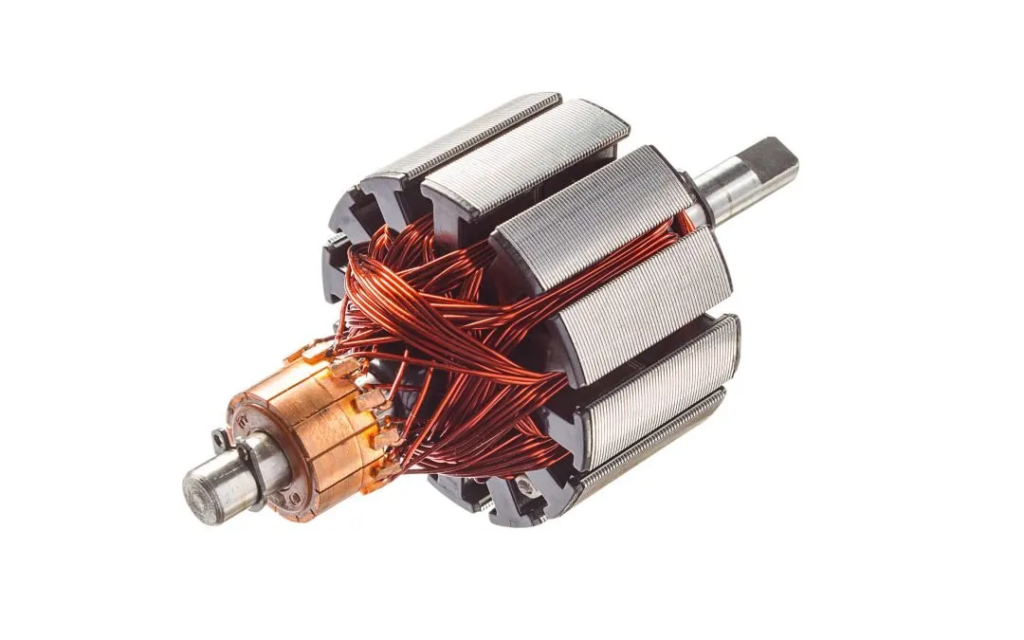
The world of motors has seen significant advances over the past decade, with engineers and industry leaders now having multiple motor options to choose from. Whether you talk about AC or DC, each of these categories has multiple motors and sub-motors under it. However, despite so much variety, the role of brushed motors cannot be considered less important than it was years ago.
These brushed setups continue to play an important role across industries globally, from manufacturing to material handling, automation, power tools, and robotic lines. Thanks to their straightforward design, predictable performance, and ease of control, these brushed motors remain a trusted choice for engineers, industry owners, procurers, labourers, and other technical professionals.
Their importance especially lies in applications where robustness and cost efficiency are primary concerns, along with the need to ensure precision like none other. Regardless of how many brushless alternatives have been introduced, brushed motors remain deeply embedded in industrial infrastructure worldwide, and their importance cannot be ignored.
Contrary to what many people think, these systems are not short-lived or unreliable by nature. They are a proven technology with an operational lifespan largely determined by how they are maintained. Speaking of the factors that determine a brushed setup’s lifespan, two controllable factors are particularly important to note. The first is build quality, and the second is the operational intelligence.
Setups manufactured with high-grade internal components, precise tolerances, and consistent material quality behave very differently in the field compared to low-cost, commercially optimised alternatives. Similarly, setups that are correctly sized, properly installed, and maintained with an understanding of their thermal and mechanical capabilities are bound to deliver longer service life and more stable performance than setups that are not given proper care.
This is where the role of a true technical partner becomes very important. Beyond supplying hardware, a reliable motor partner focuses on providing solutions that ensure long-term performance. They help you select the right kind of motor for the right kind of work that suits the application’s architecture. They help optimise operating conditions and implement maintenance practices that can prevent failure.
By aligning motor design and build quality with application-specific operational insights, brushed setups can deliver dependable performance along with predictable maintenance cycles. In short, choosing the right motor manufacturer and supplier can help you obtain a setup that offers measurable lifecycle value, rather than one that faces recurrent failures and adds to the overall ownership cost.
In this article, we are going to discuss the three major root causes of brushed motor failures and how to prevent them. So, read on.
The Anatomy of Quality: Why Internal Components Matter
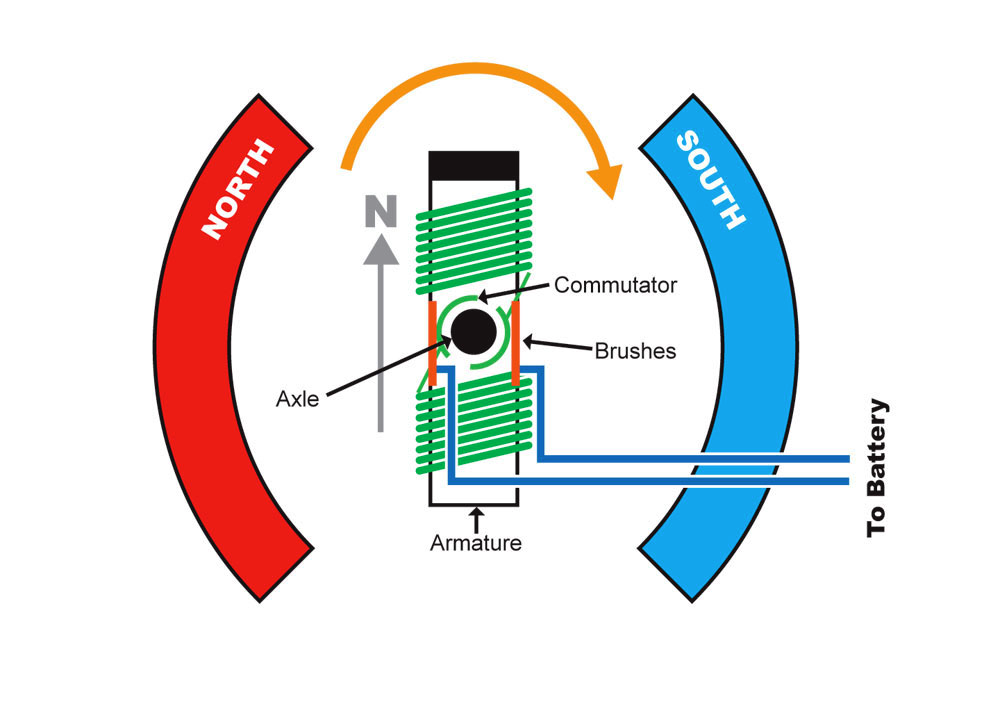
The reliability and longevity that a brushed motor setup provides are defined long before it is installed and used. Basically, it is the internal components and how precisely they are engineered and assembled that define the overall quality of a brushed setup.
While a brushed setup may appear mechanically simple on the forefront, its internal structure is a tightly balanced system that must not allow even the smallest compromise in material quality or tolerances. Such compromises can lead to accelerated wear and premature failure in real-world use, when the setup is operating under actual field conditions.
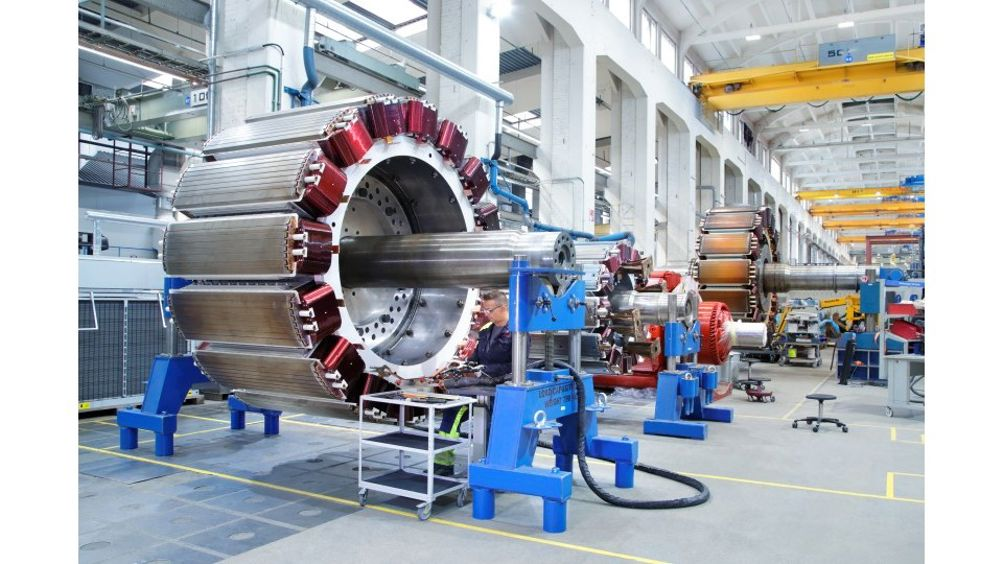
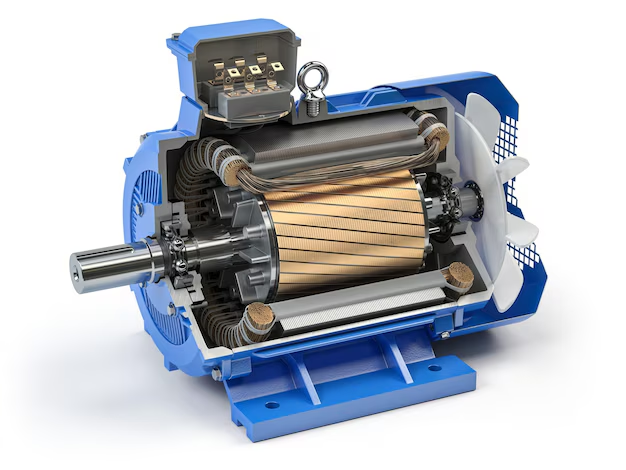
At the core of every brushed setup is the stator, which provides the stationary magnetic field. Poor lamination quality or inconsistent magnetic properties of the stator can increase overall losses and accelerate heat buildup.
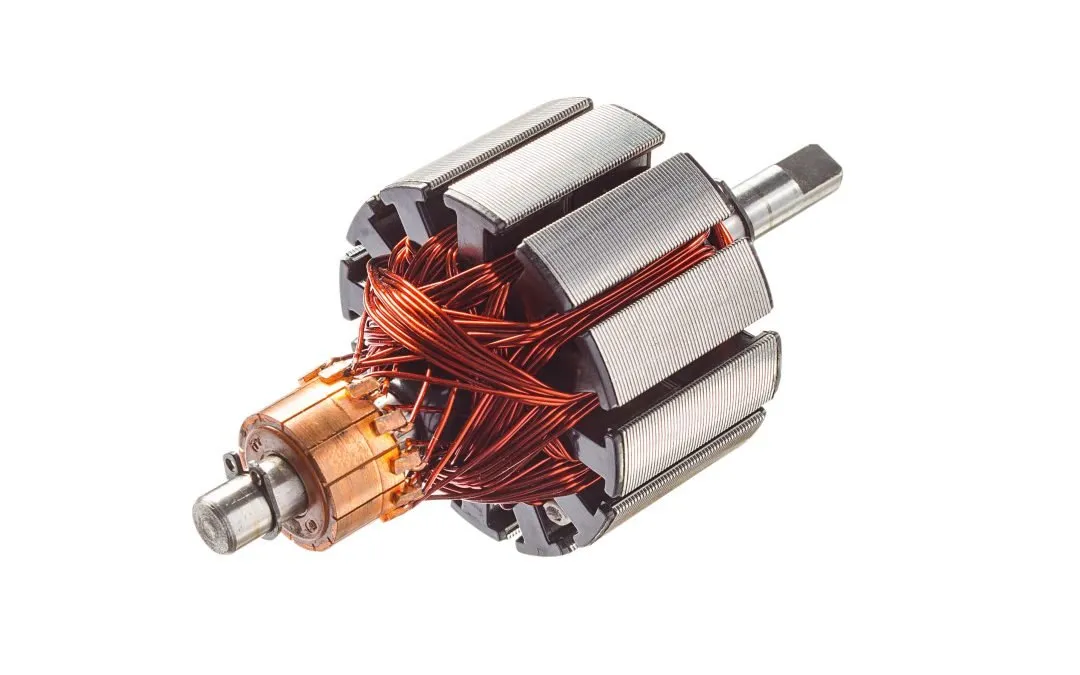
The armature, or rotor, is another important component that carries the windings and converts electrical energy into mechanical motion. In the rotor, copper purity, winding uniformity, and insulation class directly influence current-handling capability and heat management. Even minor winding inconsistencies can lead to overheating and long-term heat dissipation problems.
Lastly, the commutator is another critical component that is highly prone to failure. The surface finish of the commutator, its concentricity, as well as the hardness of the copper used in its manufacturing, determine how evenly current is transferred. A poorly machined commutator can lead to rapid brush wear, increased arcing, and excessive carbon dust generation.
In this regard, brushes are also extremely important. Their carbon composition, pressure, and density must be precisely matched with the commutator material, operating load, and application requirements.
The collective quality of all these components is what distinguishes commercial-grade brushed motors from industrial-grade brushed motor setups. Commercial-grade designs often come with a lower upfront cost, using broader tolerances and lower-grade materials that are only suitable for short-term use. Industrial-grade motors, on the other hand, rely on high-quality components and precision engineering, ensuring stronger long-term performance.
Such attention to quality and detail can eliminate nearly 50% of common motor failures in the field even before the setup is installed and used. This significantly extends operational life and improves overall reliability.
Root Cause #1: Accelerated Brush & Commutator Wear
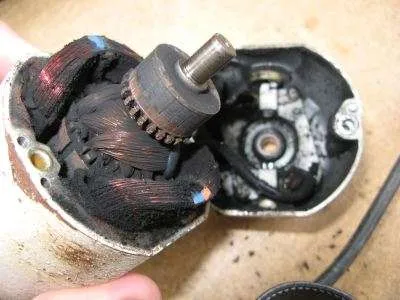
Speedy brush and commutator wear is one of the most common, yet most misunderstood, reasons for failure in brushed motor setups. Brushes and commutators are sacrificial components by design. Their purpose is to maintain electrical contact with the rotating element. This means that friction and electrical arcing are unavoidable realities for these two components, rather than side effects.
When properly engineered, this wear occurs in a controlled and predictable manner. When it is not properly engineered, wear rates increase rapidly, leading to cascading motor failures. Friction between the brush face and the commutator surface continuously removes material, while electrical arcing occurs as current transfers across segments during rotation. In a properly designed system, these processes remain stable, producing a smooth, even contact pattern and manageable carbon dust.
Problems arise when motors rely on substandard carbon materials or poorly machined commutator surfaces. These conditions are commonly found in low-cost alternatives, and setups optimised primarily for low price rather than lifecycle performance.
Poor brush materials exhibit inconsistent carbon density and improper resin bonding, leading to uneven contact pressure and localised heating. This accelerates brush consumption, increases sparking, and promotes carbon glazing.
On the other hand, uneven commutator surfaces resulting from poor concentricity, excessive surface roughness, or variations in copper hardness prevent uniform current distribution. As a result, excessive arcing, pitting, and the formation of conductive carbon tracks across commutator segments occur. This further degrades performance and significantly increases the risk of failure.
Proactive Solutions & DMKE’s Quality Advantage
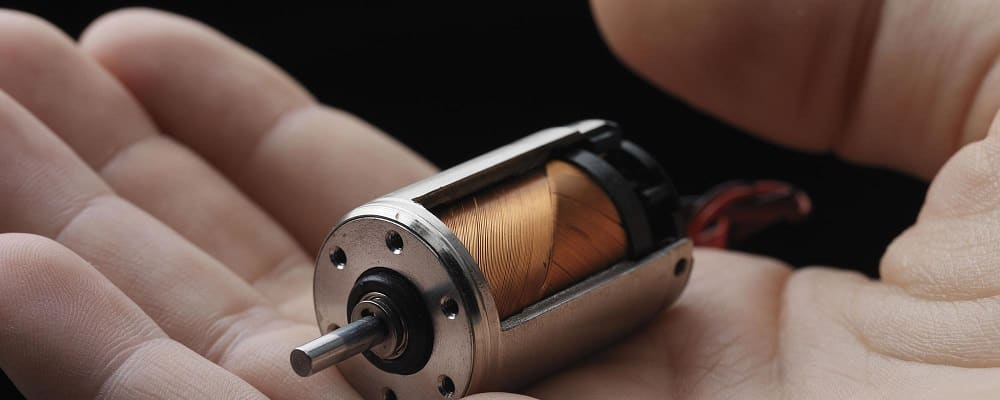
Preventing premature commutator and brush wear begins with maintenance and informed inspections. One must establish and ensure a minimum brush-length replacement protocol. This means that the brushes should be replaced before they reach the critical wear limit.
In other words, one must not wait until brushes are fully consumed because, in such cases, a routine service turns into a tedious and costly repair.
Distinguishing between a healthy commutator patina and harmful carbon tracking is also important. A normal patina appears as a smooth and darkened surface, indicating safe electrical contact. On the other hand, carbon tracking shows as uneven streaking, pitting, or bridged segments, which are early warning signs of improper brush material and excessive electrical stress. Proper visual inspections and scheduled maintenance can identify these conditions well before full-term failure.
From a performance perspective, brush formulation also plays a decisive role. Optimised industrial brush grades, engineered for consistent conductivity, controlled wear rates, and thermal stability, can significantly extend the overall system life.
When purchasing from DMKE, customers receive properly matched brush grades and commutator materials optimised for the operating load, enabling up to 30% longer service life. This reduces maintenance frequency, minimises downtime, and preserves commutator integrity throughout the motor’s operational lifetime.
Root Cause #2: Thermal Stress & Insulation Breakdown
Thermal stress is another major damaging force that ruins brushed motors largely because its effects accumulate slowly and quietly over time. This thermal stress is different from other damaging forces in the sense that its impact builds up gradually.
The major source of this stress is electrical resistance loss, which is commonly expressed as I²R losses, where heat generation increases significantly with current. When a setup operates near or beyond its intended load, even small increases in current result in a disproportionate rise in temperature.
Sustained operation under heightened current creates a heat-soak effect. In this effect, internal components never fully cool down. Continuous exposure to heat directly attacks the insulation system of the setup. Class F and Class H insulation, although designed to tolerate higher temperatures, still have a limited thermal life. With every incremental rise above the rated operating temperature, the insulation life span of the system reduces, leading to eventual breakdown of winding insulation.
Once insulation is compromised, the risk of short turns increases. This causes uneven magnetic fields and accelerated heating. Excessive heat also degrades bearing grease, reducing its lubrication effectiveness. As lubrication breaks down, friction increases and raises the mechanical load on the motor. What starts as a simple electrical issue quickly escalates into a combined electrical and mechanical failure, resulting in sudden motor burnout.
Preventive Maintenance & Proper Sizing
Thermal imaging during peak operating loads helps provide immediate insight into abnormal heating patterns that are otherwise invisible during idle or light-load conditions. Identifying hotspots at the windings, bearings, and commutator helps reveal overload conditions, poor ventilation, and internal inefficiencies that should be addressed before permanent failure occurs.
When thermal data is combined with current monitoring, it becomes easier to distinguish between transient temperature spikes and serious long-term overheating. From the perspective of long-term reliability and longevity, proper motor sizing is one of the most powerful preventive measures. Undersized motors will always operate under constant thermal stress.
Taking a consultative approach helps ensure that the motor operates within its thermal capabilities and limits. This includes evaluating load profiles, duty cycles, operating conditions, and appropriate safety margins. Choosing the right motor from the start significantly reduces heat-related failures. It extends insulation life, stabilises maintenance intervals, and eliminates the need for repeated patchwork repairs that ultimately increase downtime.
Root Cause #3: Contamination & Carbon Dust Buildup
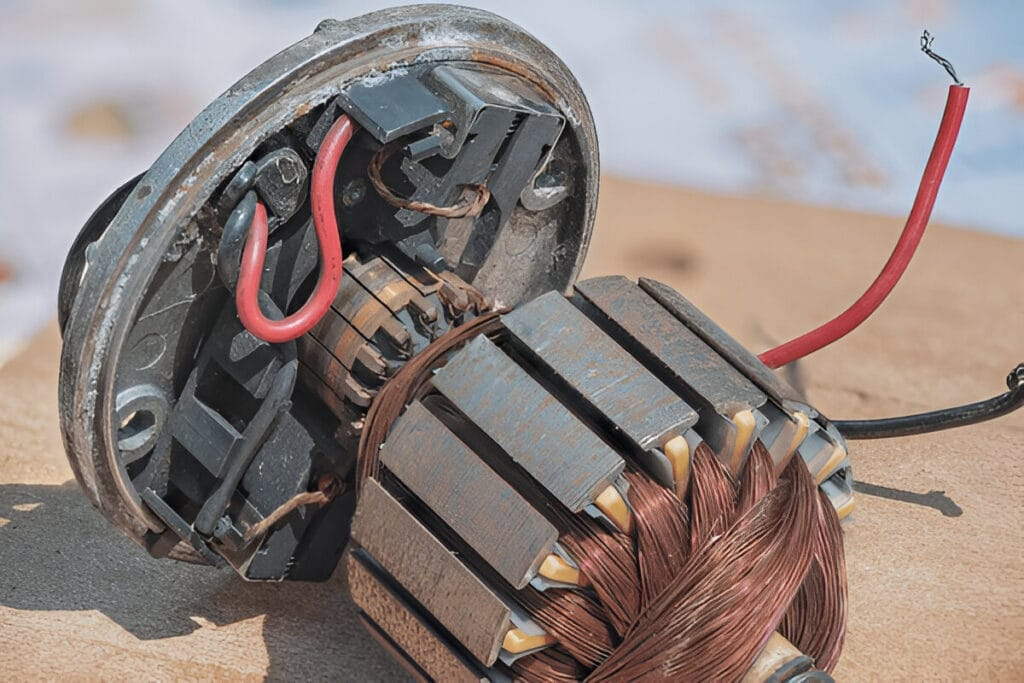
This is another silent yet extremely harmful failure mode of brush motors, which often develops gradually and results in sudden electrical breakdowns of the system. This issue finds its roots in two different sources. One is external ingress, and the other is internal self-pollution of the system.
External contaminants such as dust, moisture, oil, chemical vapours, and others enter the setup through the heat-dissipation and ventilation pathways due to improper sealing. At the same time, normal brush wear will generate fine carbon particles inside the assembly, which will accumulate over time if not cleaned properly.
Internal carbon dust is very dangerous because it can conduct electricity. As brushes wear out, carbon particles will settle on insulating surfaces, segments of the commutator, and between the windings. When these particles combine with moisture and external debris, they form conductive paths within the assembly. Such conditions will increase the risk of internal short circuits and flashovers when current jumps across commutator segments or to grounded motor components. These can cause immediate damage. Flashovers and short circuits can damage the assembly, compromising its insulation.
Oil and dust particles will bind to carbon residue, forming dense deposits that are difficult to remove and retain a lot of heat. Moist environments further worsen the problem by lowering resistance and increasing the likelihood of electrical arcing. In rare but severe cases, the entire assembly may fail abruptly without any warning.
Environmental Protection Strategies
Dry air cleaning is the best practice for internal maintenance, as it can remove almost all used carbon dust without introducing moisture or soapy residues into the assembly. Compressed air used for cleaning should be oil-free, clean, and applied at a very controlled pressure to avoid forcing contaminants deeper into the assembly. Regular cleaning should also align with brush inspection schedules, particularly if the setup operates in dusty, high-duty environments.
From an application viewpoint, matching the setup’s IP rating to its operational environment is important. Open or semi-ventilated designs won’t perform well in harsh environments. In areas with heavy dust, humidity, and airborne oil, upgrading to an enclosed motor design reduces the risk of ingress, stabilises longevity, and improves longevity. Thus, in short, it’s important to select the appropriate protection level from the outset to minimise internal contamination and extend the reliability and longevity of the motor.
The “Smart Replace” Matrix: Repair vs. Replace
Deciding between repairing or replacing a weakened brushed setup is mostly a reactive decision. Such a decision is driven by urgency rather than long-term reliability and value. A better approach in such a case is to evaluate the setup, using a well-structured repair-versus-replace checklist. Such a checklist can easily help you determine whether the unit has truly failed or if there is still hope.
Motorised setups that demand repeated brush replacements and bearing changes, or with which you find yourself constantly carrying out insulation-related repairs, are often no hope. Such setups can eat up your entire maintenance budget without delivering promising results.
If a motor setup is constantly indicating increased failure frequency, raising repair costs, and declining efficiency despite repairs, it is surely shouting out loud for a replacement.
While individual repairs may appear more economical than replacing the entire assembly, their cumulative cost over time, along with the unplanned downtime that they induce, will often exceed the price of a new motor. Additionally, older motors typically have lower efficiency, which means they draw more current to deliver the same output. This high electricity consumption over time can add more to your electricity bills than a modern, efficiency-optimised unit.
Replacing an aging motor with a new one that is correctly sized and suited to the application offers greater advantages. A new motor will come with a fresh insulation setup, will have optimised performance, heat dissipation, and improved energy efficiency from day one. More importantly, such a motor will come with a manufacturer- or supplier-backed warranty, which will reduce much of the risk in its operations and make the user tension-free as well.
The table below is good to refer to whenever you are confused between repairing or replacing a motor.
| Factor | Repair Needed | Replacement Needed |
| Failure Frequency | Isolated and infrequent | Recurring or increasing |
| Repair Cost | One-time and Low | 40–50% of the new motor cost |
| Downtime Impact | Acceptable and non-critical | Affects production |
| Energy Efficiency | Close to original efficiency | Noticeable efficiency loss |
| Insulation | Within safe limits | Thermal ageing or breakdown |
| Motor Sizing | Correctly sized for the load | Overloaded or undersized |
Get Brushed Motors With A Reliable Service Life – Connect With DMKE Today!
At DMKE, our experts know how to help you choose motors that match their applications, thus reducing the risks of premature system failures that can be otherwise avoided.
Whether you opt for our ready-made products or custom motion solutions, you get systems made with high-quality components, rigorously tested to ensure longevity and efficiency.
Visit our website and connect with us to explore DMKE’s range of high-performance motors and choose one that best suits your needs while ensuring longevity and minimal need for repairs.

 English
  English (Australia)
  English (Canada)
  Deutsch
  English (UK)
  Français