
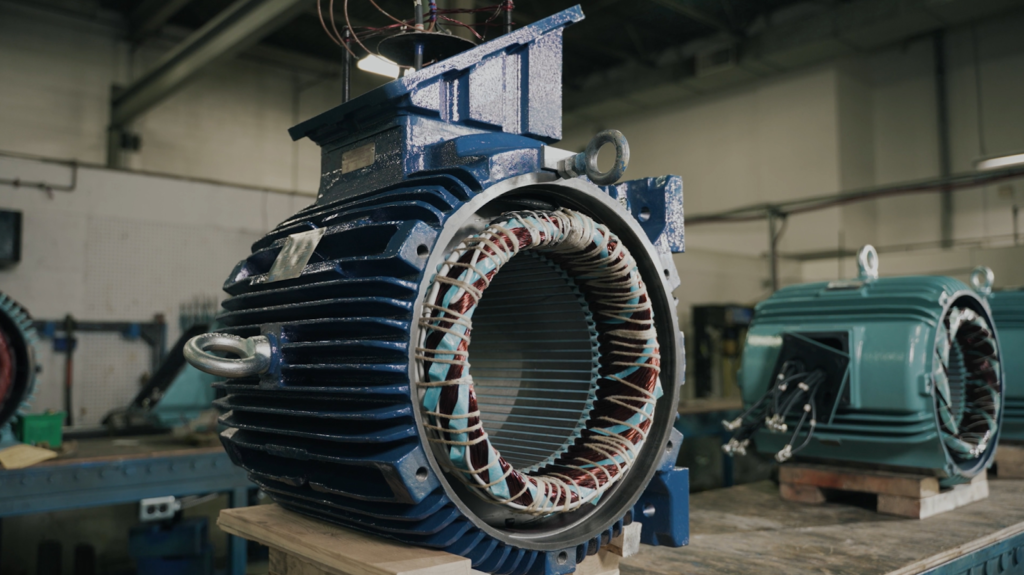
In modern industrial facilities, one of the biggest challenges is unexpected downtime caused by inefficient or poorly selected motors. Even minor inefficiencies can escalate into higher energy costs, frequent repairs, and lost productivity, affecting the bottom line significantly. Many companies underestimate how critical performance is, focusing on short-term savings instead of long-term reliability. The result is frustrated engineers, interrupted production, and operational expenses.
Another common issue is rising energy consumption. As industrial processes become more complex and electricity prices continue to climb, units that consume more power than necessary can quickly become a financial burden. Excess heat, vibrations, and inconsistent torque often signal that a motor is underperforming, but these problems can go unnoticed until they trigger costly downtime.
Maintenance challenges also add to the stress. Motors that aren’t designed for long-term efficiency require more frequent servicing, which disrupts production and ties up technical staff in repetitive troubleshooting. In addition, industries face increasing pressure to meet environmental regulations and sustainability targets, making energy-inefficient options not just a cost issue, but also a compliance risk.
This article addresses these challenges by exploring the selection of high efficiency motors in 2026. Instead of focusing on technical specs alone, we’ll highlight the key criteria buyers should consider, the operational and financial benefits of making the right choice, and how modern technologies can help facilities maintain consistent performance, reduce costs, and support sustainability goals.
By the end of this guide, industrial buyers will have a clear understanding of how to identify units that deliver maximum reliability, energy efficiency, and operational value. We’ll break down complex concepts into practical insights, making it easier for engineers and decision-makers to choose setups that not only meet today’s production demands but also future-proof facilities for growth and regulatory compliance. So, read on:
Why Motor Efficiency Matters for Modern Industries
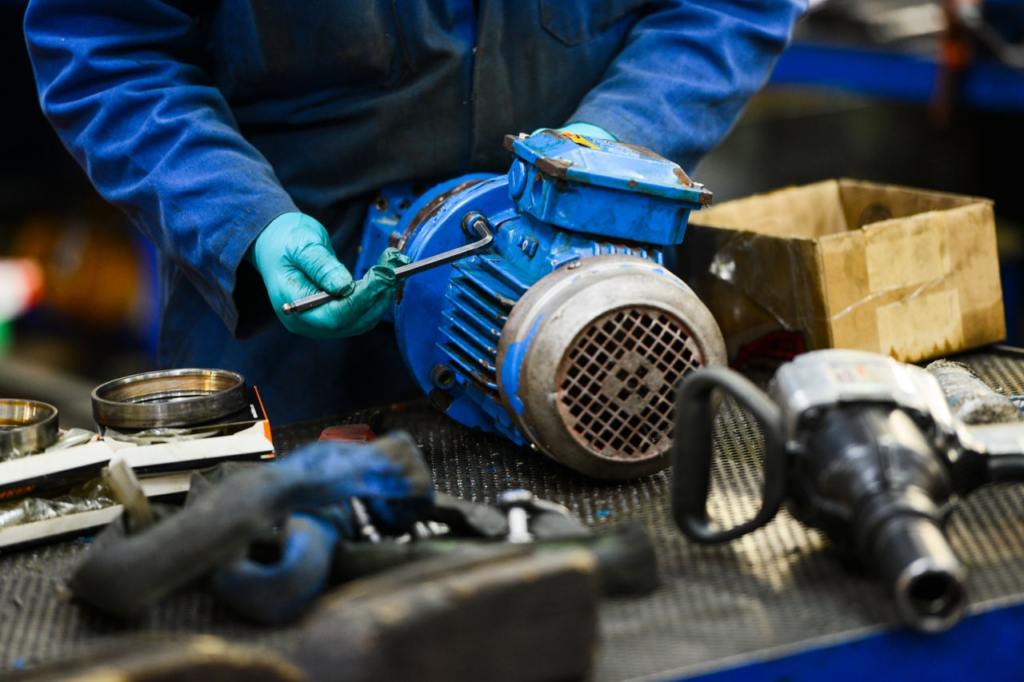
Efficiency directly impacts industrial productivity, cost management, and reliability. Motors are responsible for a substantial portion of electricity consumption in manufacturing and processing plants. Choosing high-efficiency units reduces energy waste, lowers operational expenses, and ensures continuous production.
Consistent efficiency also minimises mechanical stress. Units operating at optimal efficiency generate less heat, maintain stable torque, and reduce wear on connected equipment. This leads to fewer unplanned breakdowns, keeping production lines running smoothly. Every hour of downtime avoided can save thousands of dollars, highlighting the importance of proper selection.
Regulatory compliance is another critical reason for focusing on efficiency. Energy standards are becoming stricter across the globe, and non-compliance can result in fines or operational restrictions. Units that meet or exceed these standards demonstrate a company’s commitment to sustainable operations, providing both legal and reputational benefits.
Environmentally, efficient motors help organisations reduce their carbon footprint. Less energy consumption translates to lower greenhouse gas emissions, helping companies meet ESG targets and enhance corporate responsibility. For businesses looking to attract environmentally conscious clients or partners, efficiency is a tangible competitive advantage.
Finally, operational reliability improves when setups perform efficiently. Facilities can maintain predictable production schedules, optimise labour allocation, and achieve higher throughput. In 2026, understanding the link between efficiency and operational excellence is no longer optional; rather, it is fundamental for industrial success.
5 Selection Criteria for High Efficiency Motors in 2026
Selecting the right high-efficiency options requires more than simply comparing price tags or horsepower ratings. Industrial buyers must evaluate five critical criteria to ensure optimal performance, energy savings, and long-term reliability. These factors collectively influence operational productivity and determine whether a motor is a strategic investment or a costly liability.
1. Correct Sizing for Maximum Output
Selecting the correct motor size is the foundation of efficient industrial operations. Oversized units may appear like a safe choice, but they consume excess energy without delivering proportional performance, which increases electricity bills unnecessarily. Undersized ones, on the other hand, are prone to overloading, tripping, and premature failure, which can halt production lines and cause unexpected downtime. Both extremes reduce operational efficiency and can have a direct impact on profit margins.
Accurate sizing requires a detailed analysis of the load profile, starting torque, and operational cycles. Engineers must consider the full spectrum of operational demands to ensure the motor can handle peak loads without wasting energy during lighter loads. A properly sized high-efficiency option maintains stable performance, reduces energy losses, and extends the overall lifespan of the equipment it powers.
Planning for future expansion is equally important. Industrial facilities often face growing production needs or variable loads due to seasonal demand. Choosing a device that accommodates these changes ensures long-term efficiency, avoids frequent replacements, and prevents operational bottlenecks. Proper sizing not only improves reliability but also ensures predictable maintenance schedules, ensuring uninterrupted production and optimal productivity over time.
By carefully evaluating sizing, companies can achieve substantial energy savings, minimize downtime, and create a robust foundation for industrial operations. This makes motor sizing one of the most important selection criteria for high efficiency motors in 2026.
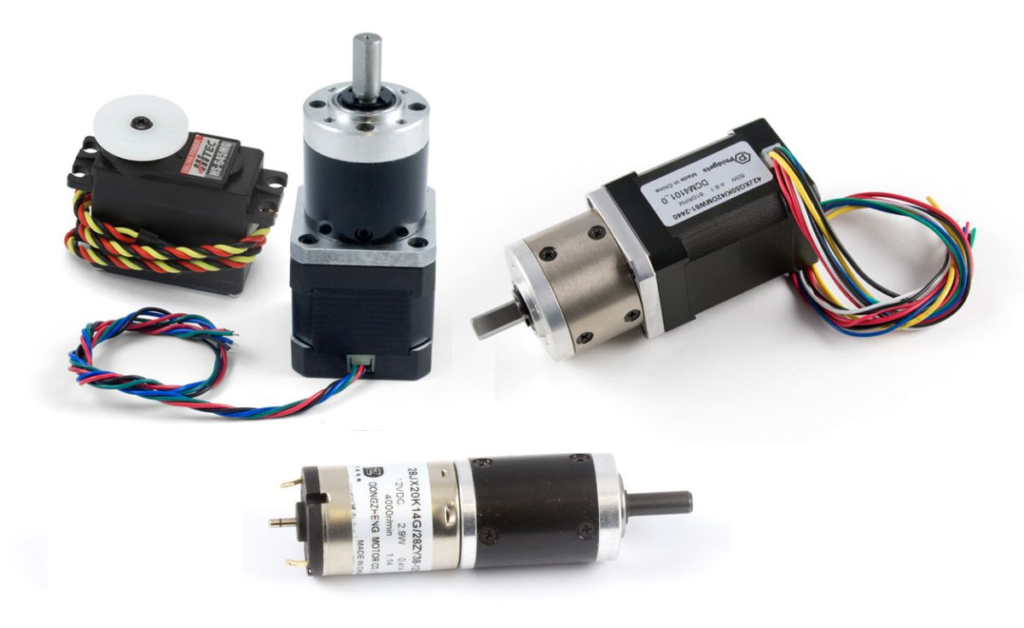
2. Advanced Rotor and Stator Design
The rotor and stator are the heart of any electric motor, and their design profoundly influences performance and energy efficiency. Modern high-efficiency units feature precision-engineered components such as optimized winding patterns, high-quality laminations, and minimal air gaps, which reduce energy losses and enhance torque consistency across operational loads. These advancements allow motors to maintain high efficiency even under continuous or variable-duty cycles.
Advanced designs also reduce heat generation and mechanical vibrations. Excessive heat and vibration can degrade insulation, shorten component life, and increase the frequency of maintenance interventions. By contrast, options with well-designed rotors and stators maintain consistent output, reduce operating temperature, and improve overall reliability, which is crucial for industries where uptime directly affects profitability.
Investing in motors with superior rotor and stator engineering also provides long-term benefits. Facilities experience smoother operation, lower energy costs, and better equipment lifespan. Furthermore, these designs enable better compatibility with modern control systems and variable-speed drives, allowing more precise operation and energy savings. For industrial buyers focused on sustainable productivity, rotor and stator design is a non-negotiable criterion.
3. High-Quality Magnetic Materials
The choice of magnetic materials in a motor significantly determines its efficiency, torque density, and reliability. High efficiency ones often incorporate rare-earth magnets or premium-grade silicon steel, which allow for higher torque production with lower energy input. This translates into reduced electricity costs and consistent machine performance, even under demanding operational conditions.
Motors with inferior magnetic materials tend to generate excess heat, consume more energy, and require frequent maintenance. In contrast, high-quality components maintain optimal magnetic flux, ensuring steady torque output and operational stability. For industrial operations that run continuously, these benefits are critical for avoiding downtime and maintaining consistent production levels.
Investing in options with premium magnetic materials provides measurable returns on investment. Reduced energy consumption, longer service life, and minimized maintenance requirements directly contribute to cost savings and operational efficiency. Industrial buyers who prioritize magnetic material quality also ensure their facilities are equipped with reliable, high-performing units capable of meeting evolving production demands.
4. Thermal Management and Cooling
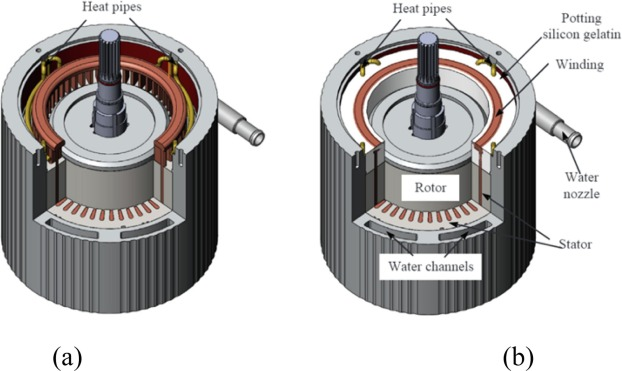
Effective thermal management is critical for maintaining efficiency and longevity. Heat is a primary factor in degradation, leading to insulation breakdown, increased friction, and premature wear. Motors that operate without proper cooling risk frequent failures and reduced energy efficiency, which can significantly impact industrial productivity.
High-efficiency units incorporate advanced cooling solutions such as optimized airflow designs, external fans, or liquid cooling channels. These mechanisms ensure that the setup remains within safe operating temperatures even during prolonged, heavy-duty operation. By controlling temperature, these systems help maintain stable performance, reduce energy losses, and prevent costly downtime.
Thermal management also directly affects maintenance schedules and operating costs. Options that remain cooler require fewer repairs, experience less wear on components, and sustain their rated efficiency longer. For industrial buyers, evaluating a setup’s thermal management features is crucial to guarantee reliable, uninterrupted operation and to maximize return on investment.
5. Reliable Supplier Support and Warranty
Even the most advanced high-efficiency motor can become a liability if technical support and spare parts are not readily available. Selecting a supplier with comprehensive warranty coverage, responsive service, and a reliable spare parts network ensures minimal disruption in industrial operations.
A trusted supplier provides guidance on installation, preventive maintenance, and troubleshooting, which allows buyers to maintain peak performance and consistent energy efficiency. This support reduces unexpected downtime, protects productivity, and ensures that the facility can continue operations without interruptions.
Partnering with a supplier who has proven reliability is a strategic decision. It ensures long-term operational stability, predictable maintenance schedules, and maximum return on investment for high-efficiency motors. Industrial buyers who prioritize supplier support secure not just a product but a complete operational solution for their facilities.
To simplify these key points, the following table highlights the 5 essential selection criteria for high-efficiency motors, along with their main considerations and industrial benefits:
| Selection Criteria | Key Considerations | Benefits for Industry |
| Correct Sizing | Load requirements, starting torque, operational cycles | Optimised energy use, reduced downtime, and predictable maintenance |
| Advanced Rotor & Stator Design | Winding patterns, laminations, and air gaps | Higher efficiency, reduced heat & vibration, extended lifespan |
| High-Quality Magnetic Materials | Rare-earth magnets, premium silicon steel | Stable torque, lower energy consumption, reliable output |
| Thermal Management & Cooling | Airflow design, liquid cooling, fans | Prevents overheating, sustained performance, and fewer repairs |
| Reliable Supplier Support & Warranty | Warranty coverage, spare parts availability, and technical guidance | Minimizes downtime, ensures consistent performance, protects ROI |
Impact of Motor Efficiency on Operational Costs
Efficiency directly influences a facility’s operational expenses. High efficiency options reduce energy consumption, which lowers electricity bills significantly, especially in industries with heavy-duty, continuous operations. Even small efficiency gains can lead to substantial annual savings, which can then be reinvested into other production areas or process improvements.
Efficient motors also reduce the frequency of maintenance interventions. Options that run cooler and with less vibration experience less wear on insulation and moving components. This means fewer breakdowns, less unscheduled downtime, and lower repair costs over the motor’s lifespan.
In addition, energy-efficient motors support sustainability goals. Companies are increasingly expected to reduce their carbon footprint, and motors that consume less energy contribute directly to emissions reduction targets. Demonstrating compliance with environmental standards not only satisfies regulations but also enhances a company’s reputation with partners and clients.
Finally, operational predictability improves when motors operate efficiently. Stable performance allows managers to plan production schedules accurately, optimise labour allocation, and maximize throughput. In 2026, the link between efficiency and operational cost is clear: energy savings, maintenance reduction, and sustainability all combine to improve profitability.
Integrating High-Efficiency Motors with Modern Industrial Automation
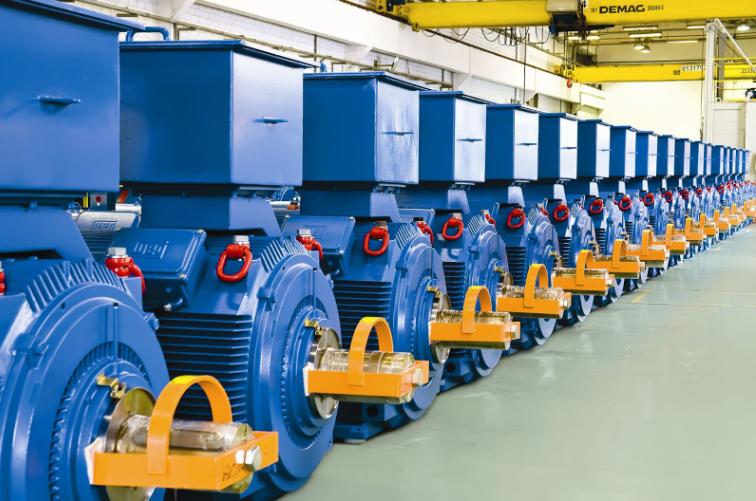
High-efficiency motors are most effective when integrated with modern automation systems. Variable frequency drives (VFDs), programmable logic controllers (PLCs), and smart sensors allow motors to operate precisely according to load demands, reducing wasted energy and improving production control.
Automation also enables real-time monitoring of temperature, vibration, and load, allowing engineers to detect potential issues before they escalate into costly failures. When motors are paired with intelligent control systems, facilities can maintain consistent output, optimize energy consumption, and extend motor lifespan.
Integration of high efficiency motors into automated systems also facilitates predictive maintenance. By analyzing performance data, companies can schedule maintenance at optimal intervals, reducing unexpected downtime and improving overall operational reliability. This proactive approach minimizes costs while maximizing production efficiency.
Finally, combining efficient motors with automation contributes to sustainability and regulatory compliance. Optimised performance reduces energy usage and supports environmental reporting. In 2026, industrial facilities that leverage the synergy of high-efficiency motors and automation gain a competitive edge through better resource utilization, higher productivity, and lower operational costs.
Enhancing Productivity Through Preventive Maintenance
High efficiency motors are only as effective as the maintenance practices that support them. Preventive maintenance ensures that motors operate at peak efficiency, reduces the risk of unexpected failures, and extends their service life. Facilities that implement structured maintenance schedules experience fewer production interruptions, improving overall operational reliability.
Routine inspections allow engineers to monitor critical parameters such as temperature, vibration, and lubrication levels. Early detection of minor issues prevents them from escalating into major failures, which can cause costly downtime. By maintaining motors proactively, industrial operations can maximize uptime and maintain consistent output.
Preventive maintenance also contributes to energy savings. Motors that are clean, properly lubricated, and free of mechanical stress operate more efficiently, consuming less electricity. This reduces operational costs while supporting sustainability goals by minimizing unnecessary energy waste.
Finally, structured maintenance programs strengthen equipment lifecycle management. With proper documentation, predictive analytics, and timely interventions, facilities can plan replacements and upgrades strategically, avoiding sudden capital expenditure. In 2026, integrating preventive maintenance with high-efficiency motors is a key strategy for enhancing productivity, reducing costs, and ensuring long-term reliability.
Common Mistakes Buyers Make When Selecting High-Efficiency Motors
Even experienced procurement teams sometimes overlook critical factors when selecting industrial motors. These mistakes may seem minor during purchasing, but they often lead to higher operating costs and reduced equipment lifespan later. Understanding these common pitfalls helps buyers make more informed decisions and avoid costly operational setbacks.
One of the most frequent mistakes is focusing only on the upfront price. While a lower purchase cost may appear attractive, it often ignores the long-term energy consumption and maintenance requirements of the motor. In many cases, a slightly more expensive high-efficiency motor can deliver substantial energy savings over time, making it a far more economical investment.
Another common issue is ignoring proper load analysis. Buyers sometimes select motors based only on basic specifications rather than evaluating actual operational conditions such as load variations, duty cycles, and starting torque. Without this analysis, motors may operate inefficiently or experience frequent overload conditions, leading to premature wear and performance issues.
Some organisations also underestimate the importance of cooling and thermal management. Motors operating in high-temperature environments or continuous-duty applications require proper heat dissipation. Without adequate cooling features, even high-efficiency motors can suffer from reduced lifespan and unexpected breakdowns.
Finally, many buyers overlook the value of reliable supplier support. Choosing a supplier that lacks strong technical assistance or spare parts availability can create challenges when maintenance or repairs are required. Working with an experienced provider ensures access to expert guidance, warranty protection, and long-term service support.
Avoiding these mistakes allows industrial buyers to maximise the benefits of high-efficiency motors while protecting their investment and maintaining consistent operational performance.
Boost Industrial Productivity With Reliable Motors – Connect With DMKE Today
At DMKE, we understand that high efficiency motors are no longer optional in 2026; they are a critical component of industrial productivity. Understanding why efficiency matters and applying the five selection criteria ensures energy savings, equipment reliability, and operational excellence.
Our experts can assist you with investing in the right motor from our ready-made AC and DC solutions or help you curate a custom solution as per your needs. Engineered with high-quality components, all our products undergo rigorous testing before being made available for sale.
Avail our expert services by visiting our website or contact us today to get units that offer boosted productivity and efficiency in 2026.

 English
  English (Australia)
  English (Canada)
  Deutsch
  English (UK)
  Français