
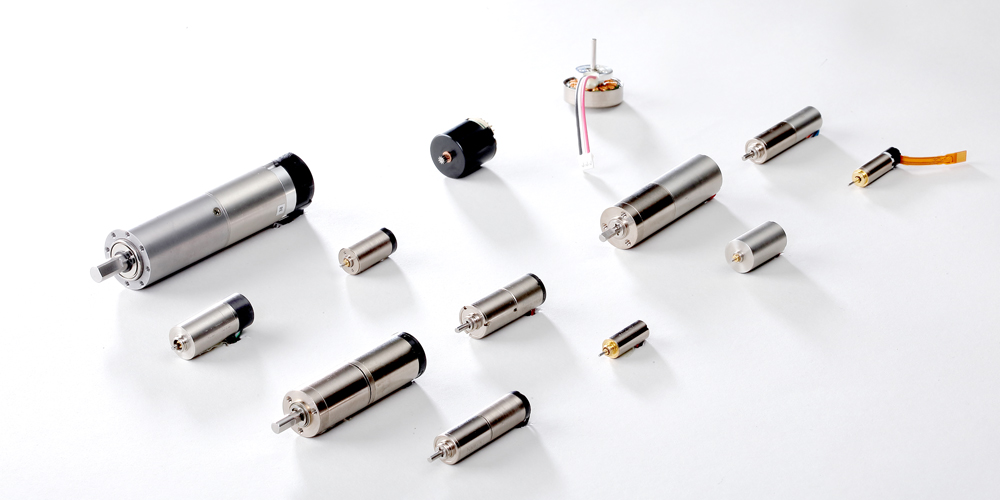
Compact machines, smart devices, and automation projects are becoming more advanced every year, increasing the demand for motors that deliver reliable performance within limited space.
Many buyers struggle to identify which unit type truly fits their project because specifications often appear technical and difficult to compare. Understanding how to select the best small motors is essential for achieving smooth operation, energy efficiency, and long-term reliability in modern compact systems.
Small electric motors power everything from robotics and consumer electronics to precision tools and automated mechanisms, yet their performance depends heavily on correct voltage selection, torque balance, and application compatibility.
Choosing a unit without evaluating these factors can result in overheating, poor motion control, or reduced lifespan. A clear understanding of small motor applications helps users match performance capabilities with real operational requirements instead of relying on size alone. Another common challenge involves determining voltage requirements and performance expectations. Small motors operate across a wide electrical range, and selecting the wrong rating can affect both efficiency and safety.
This guide explores the most reliable options available today while explaining key selection principles, helping readers confidently choose the right compact motor for their projects in 2026. So, read on:
Why Small Electric Motors Matter in Modern Projects?
Modern engineering increasingly depends on compact systems that deliver reliable performance within limited space. From automation equipment to smart devices, smaller components allow designers to improve efficiency without increasing mechanical complexity. This shift toward miniaturization has made compact motor solutions a key element in modern project development.
Small motors are no longer limited to hobby applications and now support robotics, precision tools, medical devices, and intelligent building systems. Their ability to provide controlled motion while maintaining energy efficiency makes them essential for evolving industrial and commercial technologies. This growing reliance highlights the importance of modern system integration across diverse applications.
Another important advantage is voltage flexibility, as many compact motors operate using low-voltage power supplies or battery-driven systems. Proper voltage selection improves efficiency, enhances safety, and simplifies system design. Choosing suitable specifications ultimately strengthens efficient system performance in compact and automated environments.
Key Factors to Consider Before Choosing a Small Electric Motor
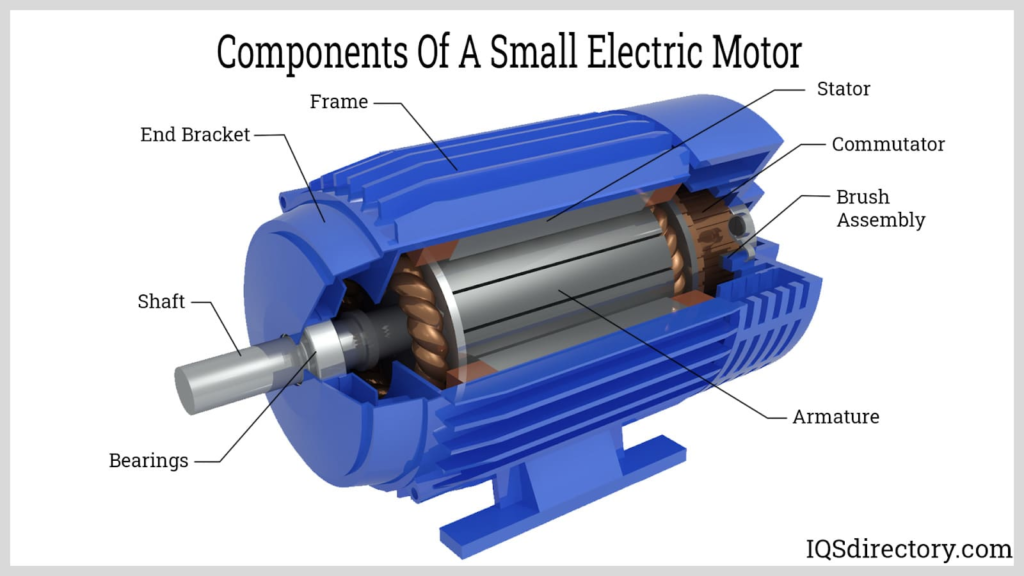
Selecting a small electric motor requires more than matching size with available space. Performance reliability depends on how well electrical, mechanical, and environmental factors align with project requirements. Evaluating core technical considerations before purchase helps prevent inefficiencies and ensures long-term usability, making a structured selection process essential for compact system success.
Voltage requirements should always be reviewed first because electrical compatibility directly affects safety and performance stability. Small units typically operate across low voltage ranges, but selecting an incorrect voltage can lead to overheating or reduced efficiency. Matching the power source with the setup’s specifications supports stable operation and improves overall voltage compatibility planning during system design.
RPM and torque balance play a critical role in determining how effectively motion is delivered. High-speed units are suitable for fans or lightweight mechanisms, while higher torque solutions perform better in load-carrying or positioning applications. Understanding how speed and force interact helps users achieve smooth operation and dependable speed torque balance across varying workloads.
Power consumption is another important factor, especially in battery-powered or energy-sensitive systems. Efficient units convert more electrical energy into usable motion while generating less heat during operation. Evaluating consumption levels allows designers to extend operating time and maintain reliable energy usage control in compact devices.
Control compatibility must also be considered when integrating devices into automated or programmable systems. Some units require dedicated controllers or drivers to regulate speed and direction accurately. Ensuring proper communication between control electronics and design strengthens precise motion control integration and prevents performance limitations.
Duty cycle evaluation helps determine whether a unit can operate continuously or only for short intervals. Setups used beyond their rated duty cycle may experience overheating and accelerated wear. Understanding operational duration requirements ensures better reliability and supports effective continuous operation planning in real-world applications.
Noise and efficiency are increasingly important in modern compact projects, particularly in consumer devices and indoor automation systems. Quiet operation improves user experience while higher efficiency reduces energy loss and thermal buildup. Selecting units optimized for low vibration contributes to improved quiet performance operation without sacrificing output capability.
The application environment should always influence the final selection. Temperature conditions, dust exposure, humidity, and ventilation availability can significantly affect lifespan and performance consistency. Choosing motors designed for specific environments enhances durability and supports reliable environment-based selection across different project conditions.
| Factor | Why It Matters | Typical Consideration |
| Voltage | Ensures electrical compatibility | 3V to 24V common range |
| RPM | Determines speed output | Match application motion |
| Torque | Handles load demand | Higher torque for heavier tasks |
| Power Consumption | Affects efficiency | Important for battery systems |
| Control Type | Enables automation | Driver or controller required |
| Duty Cycle | Prevents overheating | Continuous or intermittent use |
| Environment | Impacts durability | Dust, heat, and moisture exposure |
Carefully reviewing these factors allows buyers to make confident decisions while avoiding common compatibility issues. A balanced evaluation ultimately leads to better performance and longer service life through informed small motor optimization.
Best Small Electric Motors: Top 10 Picks
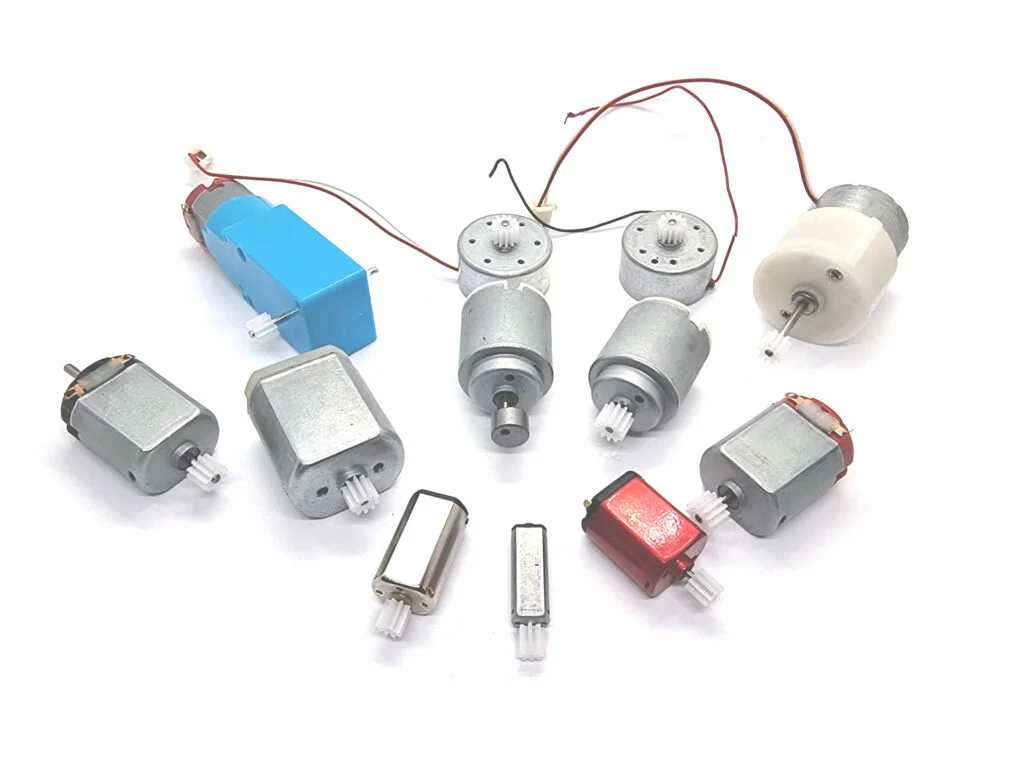
Choosing the right small motor depends on balancing versatility, efficiency, and real-world usability rather than focusing only on size or price. Modern compact projects require motors that deliver reliable motion control while operating within limited space and power constraints.
The following selections represent widely used solutions known for durability, performance stability, and adaptable applications, helping users identify the best compact motors suited for evolving engineering and automation needs.
1. Micro Brushed DC
Micro brushed DCs remain a go-to solution for compact projects due to their simple internal construction and ease of control. Operating typically between 3V and 6V, they are ideal for battery-powered devices and portable electronics. These motors are lightweight, easy to install, and compatible with basic controllers, making them perfect for toys, learning kits, and small prototypes. Their relatively low torque is sufficient for lightweight mechanisms, and their predictable low-voltage performance ensures smooth operation in educational and hobby applications.
2. Mini Brushless DC
Mini brushless DCs offer high efficiency and longer lifespan compared to brushed alternatives. They usually operate in the 6V to 24V range, depending on design, and are well-suited for robotics, drones, and small automation equipment. The absence of brushes reduces friction and maintenance requirements, while precise electronic commutation enables smoother rotation and higher RPM stability. These characteristics provide excellent high-efficiency performance and consistent torque delivery for compact systems requiring long-term reliability.
3. Coreless DC
Coreless DCs are designed for applications that demand rapid acceleration, minimal inertia, and precise control. Operating at voltages around 3V to 12V, these units deliver high responsiveness without adding significant weight to the system. Coreless designs are particularly effective in precision electronics, medical instruments, and small robotics, where fast, smooth motion is required. Their ability to provide high-speed precision in lightweight assemblies makes them a favorite for handheld and sensitive devices.
4. Mini Planetary Gear Motor
Mini planetary gear units combine compact size with high torque output, thanks to their integrated gear reduction systems. Operating typically between 6V and 24V, these setups allow small form factor systems to handle moderate loads while maintaining stable RPM. They are widely used in automation projects, small conveyors, and robotic arms, where both torque amplification and precise motion control are necessary. The planetary design also improves mechanical efficiency and reduces wear, supporting continuous operation in compact spaces.
5. Small Steppers
Small steppers excel in applications requiring precise positioning and repeatable motion. Running in the 12V to 24V range, they move in discrete steps, allowing exact rotational control without complex feedback systems. Stepper units are commonly found in 3D printers, CNC machines, and laboratory equipment, where incremental movement and reliability are critical. Their ability to provide precision motion control without overshooting or drifting makes them ideal for compact automation and robotics projects.
6. Mini Servos
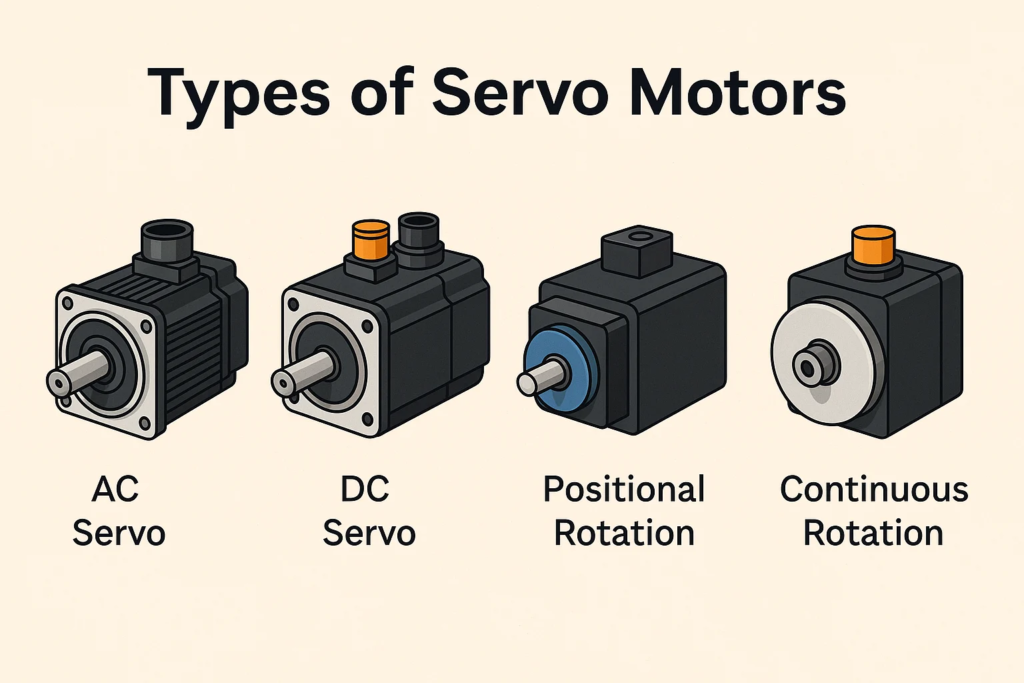
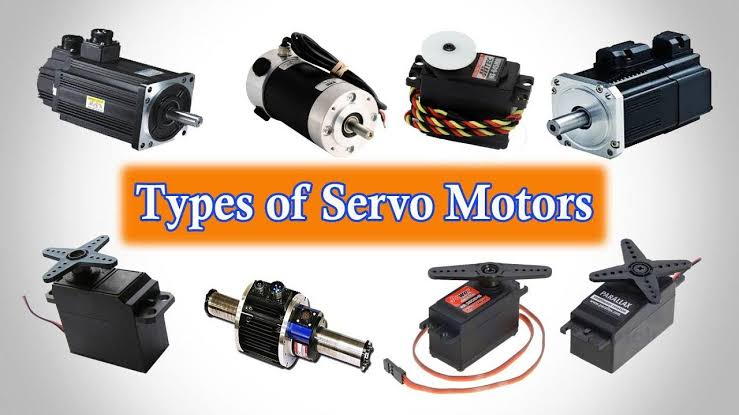
Mini servo units are designed for precise angular movement with integrated feedback systems, enabling controlled rotation to specific positions. Operating typically between 5V and 7.4V, they are widely used in robotics, smart mechanisms, and automation devices where accuracy is critical. The built-in controller allows rapid adjustments in response to input signals, making it perfect for systems that require controlled movement accuracy. Their compact design and reliable torque delivery support precise operation in constrained spaces, from robotic arms to automated camera mounts.
7. Compact AC Synchronous Motor
Compact AC synchronous units maintain stable speeds synchronized with the power supply frequency, ensuring consistent motion even under varying loads. These setups typically operate on low-voltage AC sources and are ideal for small timers, appliances, and automation equipment where uniform speed is required. Their predictable rotation and constant speed operation make them valuable in applications demanding precise timing or regulated motion without complex control systems. The combination of efficiency and durability allows long-term performance in compact devices.
8. Small Induction Motor
Small induction devices are known for their durability, low maintenance, and ability to operate continuously in industrial mini equipment. Operating on 12V to 24V systems, they provide steady torque for conveyors, pumps, and other automation components. These units are ideal for projects requiring continuous industrial operation where reliability and longevity are essential. Their rugged design allows them to withstand varying load conditions and environmental challenges, making them a top choice for compact industrial solutions.
9. Mini Linear Actuator Motor
Mini linear actuator units convert rotational motion into precise linear movement, enabling lifting, sliding, or pushing in tight spaces. They typically operate in the 6V to 24V range and are widely used in smart home systems, automated mechanisms, and robotics. The integration of a setup and screw drive allows efficient linear motion conversion without large mechanical assemblies. Their smooth operation and compact size make them ideal for adjustable components, positioning systems, and small automation projects.
10. Low Voltage High Torque Gear Motor
Low voltage high torque gear motors are designed for applications where slow, controlled movement with strong force is needed. Operating typically between 12V and 24V, they combine a gear reduction system with a small unit to deliver stable torque at low RPM. They are widely used in mini conveyors, mechanical feeders, and small transport systems where slow-speed power is essential. These units balance force and efficiency, ensuring reliable operation in compact industrial or automation environments.
Typical Voltage Ranges and Power Requirements for Small Motors
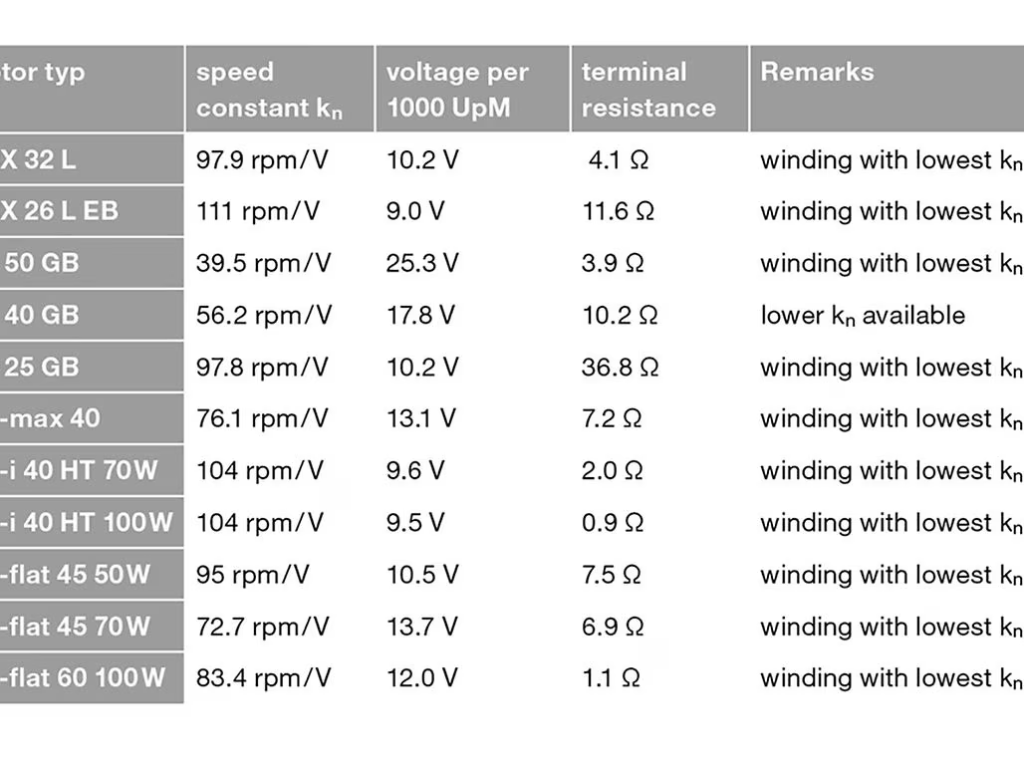
Understanding typical operating ranges helps buyers select options that match real application demands instead of relying only on size or appearance. Most compact systems today are designed around standardized electrical inputs, making small setup voltage selection a practical engineering decision rather than a guess.
Small electric motors commonly operate between 3V and 24V depending on their purpose. Ultra-low voltage motors around 3V to 6V are widely used in lightweight electronics and educational kits where safety and portability matter most. Mid-range options such as 12V motors offer a balance between efficiency and usable torque, while 24V motors are increasingly preferred for automation because they provide stable performance under continuous load. Choosing the correct voltage range ensures consistent speed output and prevents unnecessary power losses.
In modern applications, 12V and 24V systems have become industry standards because they integrate easily with batteries, controllers, and automation hardware. Battery-powered systems prioritize energy efficiency and low heat generation, while mains-powered setups focus on sustained operation and reliability. Selecting between these depends largely on mobility needs and operating duration. Proper evaluation of power requirements helps maintain efficiency while avoiding overheating or excessive energy consumption.
Efficiency also improves when the voltage aligns with workload expectations. Units operating within their optimal voltage window consume less current, generate less heat, and deliver smoother torque. Engineers, therefore, consider load demand, duty cycle, and controller compatibility together when defining the ideal power setup for compact projects.
Typical Voltage and Application Comparison
| Motor Type | Typical Voltage | Common Use |
| Micro DC | 3–6V | Toys, learning kits |
| Gear Motor | 6–24V | Robotics |
| Stepper | 12–24V | CNC systems |
| Servo | 5–7.4V | RC systems |
Common Applications of Small Electric Motors Across Industries
Small electric motors power a surprisingly wide range of modern technologies because they provide controlled motion in compact spaces. Their versatility allows engineers to integrate motion systems into devices where larger options would be impractical.
In robotics and automation, compact units drive joints, wheels, conveyors, and positioning mechanisms where precision and repeatability are essential. Consumer electronics rely on small motors for cooling fans, vibration systems, camera modules, and portable appliances, enabling smoother user experiences through controlled motion. These industries depend heavily on efficient compact motor systems that balance performance with energy consumption.
Medical devices also use small units in pumps, diagnostic equipment, and precision instruments where reliability and quiet operation are critical. In automotive components, they support functions such as window regulators, mirrors, seat adjustments, and sensor mechanisms. Smart home technologies further expand usage through automated curtains, locks, and ventilation controls powered by optimized electric motion solutions.
Educational prototypes and engineering projects represent another major application area. Students and developers use small motors in experimental builds, STEM kits, and proof-of-concept designs because they are affordable, easy to control, and adaptable across multiple environments. This wide adoption highlights how compact electric setups enable innovation across industries without requiring large power systems.
Common Mistakes When Selecting Small Motors
Many performance issues occur not because of poor quality but due to incorrect selection decisions during planning. One of the most frequent errors is ignoring voltage compatibility between the unit and the power source. A mismatch in voltage selection can lead to overheating, unstable speed, or complete system failure.
Another common mistake is prioritizing speed over torque. Buyers often select high-RPM motors without considering load resistance, resulting in stalled operation or reduced lifespan. Proper evaluation of torque requirements ensures the performance balance matches actual working conditions rather than theoretical specifications.
Underestimating load demand is equally problematic. Small units may appear sufficient during testing, but fail during continuous operation when real mechanical resistance increases. Engineers must account for starting torque, friction, and operational cycles to avoid stressing the motor load capacity beyond safe limits.
Finally, poor controller matching can limit efficiency even when the motor itself is correctly chosen. Incompatible drivers or inadequate current handling reduce responsiveness and increase energy loss. Selecting controllers designed for the same electrical and control parameters ensures smoother operation and long-term reliability within compact motor systems.
Get Expert Guidance on Small Electric Motors – Connect With DMKE
At DMKE, our engineers help buyers evaluate voltage compatibility, torque requirements, duty cycles, and controller integration to ensure each motor delivers reliable performance for its intended application.
Whether you need standard configurations for hobby and prototype projects or customized solutions for industrial and automation systems, every motor is rigorously tested to meet strict efficiency, durability, and safety standards.
Visit our website or contact our team today to get expert guidance and discover small electric motors designed to meet your exact project needs, ensuring consistent operation, energy efficiency, and long-term reliability.

 English
  English (Australia)
  English (Canada)
  Deutsch
  English (UK)
  Français