
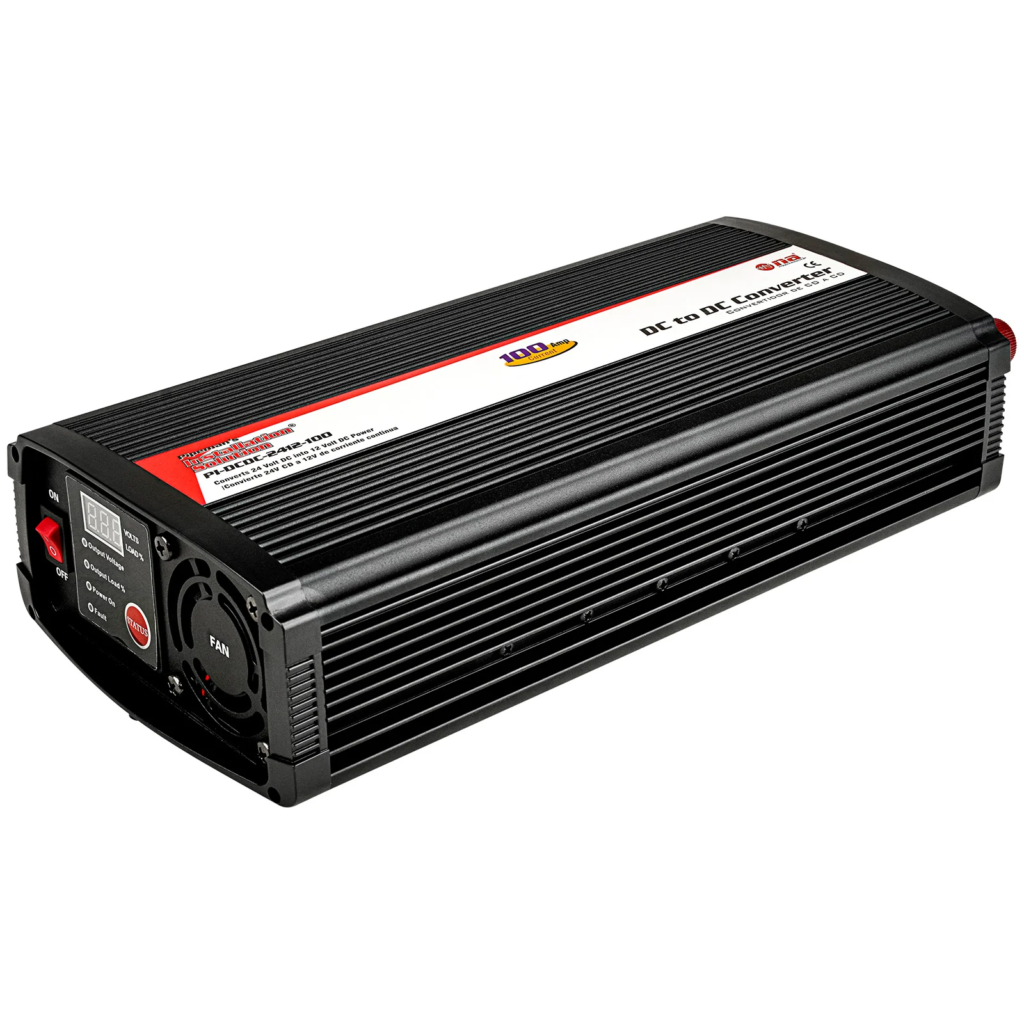
Electrical systems depend on the correct voltage selection to ensure safety, efficiency, and reliable operation. In industrial automation, motor control systems, and electronic equipment, one of the most commonly used voltage standards is a 24VDC power supply because it provides stable performance while supporting safer control circuits.
However, many users often confuse 24VDC with common AC voltage systems such as 120VAC or 240VAC. Questions about whether a 24VDC device can run from 120VAC, whether different voltage appliances are interchangeable, or how voltage conversion works are common when designing or upgrading electrical systems. Understanding these differences helps prevent equipment compatibility issues and potential electrical damage.
Unlike AC systems used for general power distribution, 24VDC is commonly found in control panels, sensors, motor controllers, automation devices, and low-voltage industrial circuits. It offers reliable operation where precise control and consistent power delivery are required.
This guide explains whether 24VDC is considered low voltage, how it differs from 120V systems, and when converters or power supplies are required. It also covers common compatibility questions and practical considerations to help engineers and buyers choose reliable power solutions for industrial applications.
What Does 24VDC Mean?
24VDC stands for 24 volts direct current, which means electrical power flows continuously in one direction at a voltage level of 24 volts. It is commonly used in industrial equipment, automation systems, and control applications because it provides stable power delivery for electronic components.
Unlike alternating current systems, where voltage direction changes repeatedly, DC power maintains a constant polarity. This makes 24VDC suitable for devices that require a consistent voltage input, such as sensors, controllers, communication modules, and certain motor systems.
In industrial environments, 24VDC is often selected because it creates a practical balance between safety and performance. It provides enough power for many control devices while reducing risks associated with higher voltage systems.
Many automation components, including PLC systems, relays, actuators, and motor controllers, are designed around 24VDC operation standards because this voltage level is widely supported and easy to integrate into complex systems.
Understanding what 24VDC means is important before connecting equipment or selecting power supplies. Even if two systems appear similar, differences in voltage type, current capacity, and power requirements determine whether components can work together safely.
Is 24VDC Considered Low Voltage?
Yes, 24VDC is generally considered a low-voltage power system and is widely used in industrial automation, control circuits, and electronic equipment. Its lower voltage level makes it suitable for applications that require safer electrical operation while still providing reliable power for connected devices.
One of the main reasons industries use 24VDC is the balance it provides between performance and safety. Compared with higher voltage systems, it reduces electrical risks during maintenance, troubleshooting, and equipment operation while supporting many industrial components.
In automation environments, 24VDC is commonly used to power control devices rather than heavy power loads. Components such as sensors, relays, controllers, and communication modules rely on a consistent voltage supply to maintain accurate and stable operation.
Another advantage of 24VDC systems is easier integration. Many manufacturers design industrial devices around this voltage standard, allowing different components to communicate and operate together more effectively.
However, low voltage does not mean unlimited safety or compatibility. Proper wiring, current ratings, and power supply selection are still essential to prevent overheating, voltage drops, or equipment failures. A well-designed 24VDC system ensures reliable industrial performance across different applications.
Is 24VDC the Same as 120V?
No, 24VDC is not the same as 120V because they represent different voltage levels and often different types of electrical power. The term 24VDC refers to 24 volts of direct current, while 120V commonly refers to an alternating current supply used for standard power distribution in many electrical systems.
The biggest difference is how the current flows. DC power moves continuously in one direction, providing a steady voltage output. AC power changes direction repeatedly and is typically used for supplying energy to appliances, machinery, and larger electrical loads.
A 24VDC device cannot be connected directly to a 120V power source because the voltage and current types are not compatible. Doing so can cause overheating, component failure, or permanent equipment damage.
To operate a 24VDC device from a 120VAC source, a proper power supply or converter is required. This device reduces the voltage and changes AC power into DC power, creating safe voltage conversion for compatible equipment.
Understanding this difference is especially important in industrial systems where motors, controllers, and sensors may use different power requirements. Matching the correct voltage type ensures reliable operation and prevents electrical failures.
Can You Run a 24VDC Device With 120VAC?
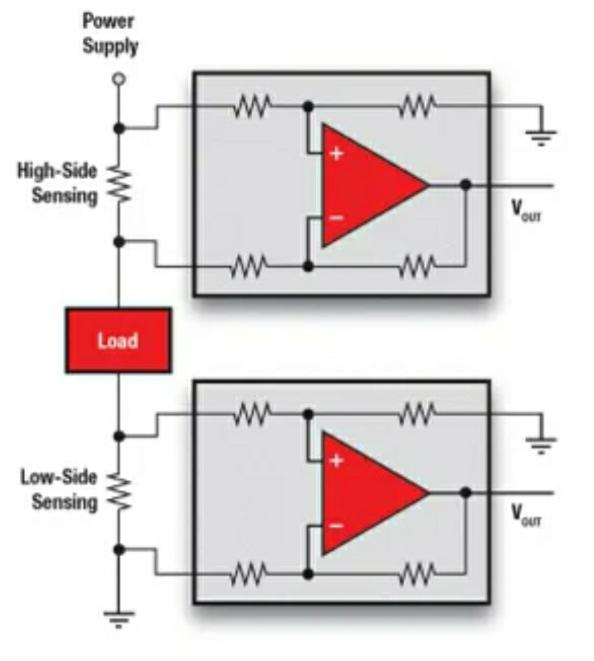
A 24VDC device cannot be directly powered by 120VAC because the voltage level and current type are different. Connecting them without the correct conversion equipment can cause serious component damage and may create electrical safety risks.
To operate a 24VDC device from a 120VAC source, an AC to DC power supply is required. This device converts the higher voltage alternating current into a lower voltage direct current output that matches the requirements of the connected equipment.
The power supply must also provide the correct current capacity. Even if the voltage output is correct, an undersized supply may cause unstable operation, while incorrect specifications can reduce system reliability and performance over time.
In industrial applications, this conversion is extremely common. Many control panels receive AC input power but use internal power supplies to create 24VDC for sensors, controllers, relays, and automation components.
Before connecting any device, users should always verify voltage type, current rating, and manufacturer requirements. Proper conversion ensures the equipment receives compatible electrical power and operates safely under normal conditions.
How to Convert 120V AC to 24V DC?
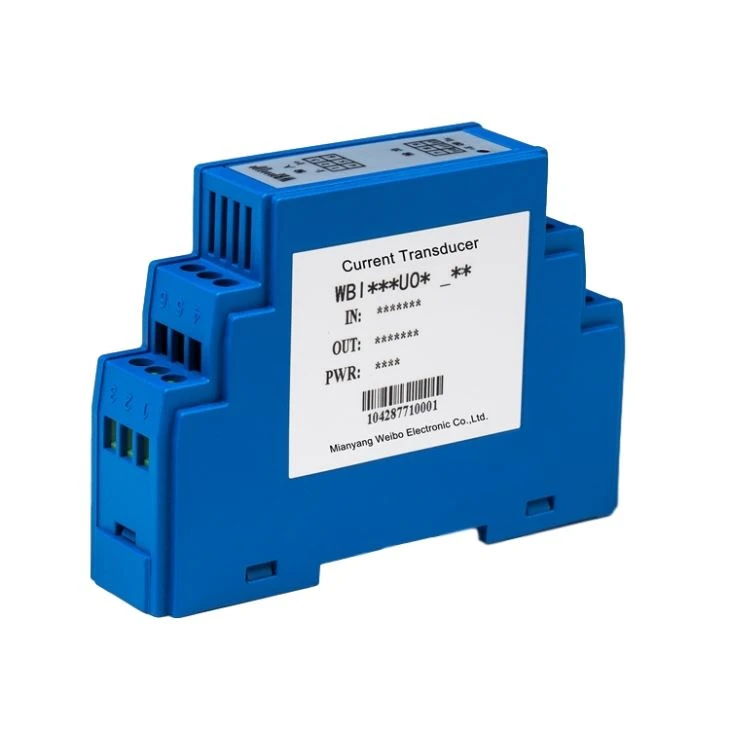
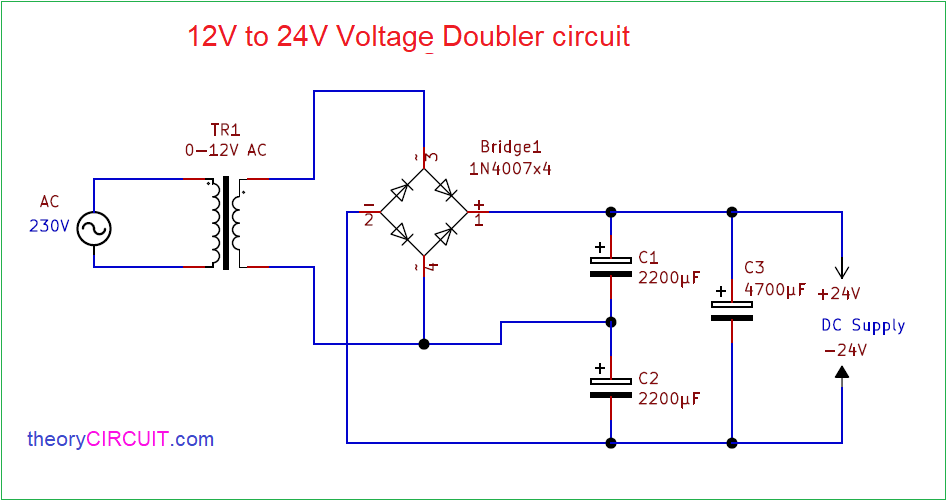
Converting 120V AC to 24V DC requires an AC to DC power supply designed to change both the voltage level and current type. The converter first reduces the incoming AC voltage and then converts it into a stable DC output suitable for 24VDC-powered devices.
The conversion process usually involves several stages, including voltage transformation, rectification, and regulation. These steps ensure that the final output provides consistent 24VDC power instead of the alternating voltage supplied from the main electrical source.
Choosing the right power supply is essential for safe operation. Users should consider output voltage, current capacity, efficiency, and protection features before selecting a converter. A properly rated unit prevents overload conditions and supports reliable equipment operation.
In industrial environments, AC to DC converters are commonly installed inside control panels to supply power to automation components, sensors, motor controllers, and communication devices. This allows higher voltage input systems to safely operate low voltage control circuits.
Can You Convert 24V to 120V?
Yes, 24V can be converted to 120V using a DC to AC inverter. This device takes 24VDC input power and converts it into a 120V AC output that can operate compatible equipment. The process is commonly used in battery-powered systems, backup power setups, and mobile applications.
However, conversion is not always completely efficient. Some energy is lost during the process, and the inverter must be selected according to the power requirements of the connected device. Proper sizing ensures stable power conversion without overload issues.
It is also important to understand that voltage conversion does not automatically make every device compatible. Frequency, power demand, and equipment specifications must all match before connecting a load.
For industrial systems, engineers usually avoid unnecessary conversions when possible because each conversion stage adds complexity. Selecting components designed for the available voltage often provides better system efficiency and long-term reliability.
Can You Use a 120V Switch for 24V?
A 120V switch may work in some 24V applications, but compatibility depends on more than voltage rating alone. Factors such as current capacity, AC or DC rating, and contact design must be checked to ensure safe switching performance.
One important difference is how switches handle AC and DC circuits. AC current naturally crosses zero during each cycle, which helps reduce electrical arcing when contacts open. DC circuits maintain continuous current flow, making arc control more challenging in some situations.
Because of this difference, a switch rated for 120V AC is not always automatically suitable for 24VDC applications. The manufacturer’s specifications should confirm that the switch can safely handle the required DC voltage and current.
In low-power control circuits, properly rated switches can often be used successfully with 24VDC systems. However, industrial applications involving motors, relays, or higher current loads require correct component selection to avoid overheating, contact damage, or unreliable operation.
Before using any switch, always verify voltage type and electrical ratings. Matching components correctly helps maintain system safety, reliability, and long-term performance.
Can You Plug a 120V Appliance Into a 240V Outlet?
A 120V appliance should not be plugged directly into a 240V outlet unless the device is specifically designed to support that voltage range. Supplying double the intended voltage can cause serious equipment damage, overheating, or complete failure of internal components.
Electrical devices are designed to operate within specific voltage limits. A standard 120V appliance expects a certain input level, and connecting it to a higher voltage source forces components to handle power beyond their intended capacity.
Some modern equipment includes universal power supplies that can automatically accept different input voltages, such as 120V and 240V. However, compatibility must always be confirmed through the manufacturer’s specifications before connection.
A plug adapter alone does not convert voltage. It only changes the physical connection type and does not provide proper voltage adjustment for the appliance. When voltage conversion is needed, a correctly rated transformer or converter should be used.
For industrial and electronic systems, matching voltage requirements is essential for safety and reliability. Checking power ratings before installation helps prevent failures and ensures stable equipment operation over time.
Why 24VDC Is Common in Industrial Motor and Control Systems
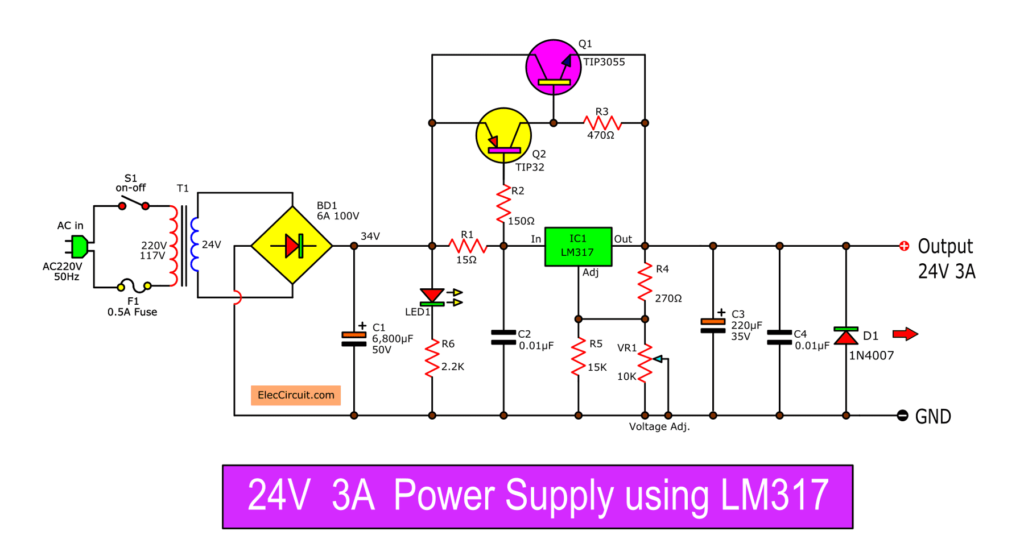
24VDC is widely used in industrial environments because it provides a practical combination of safety, reliability, and compatibility. Many automation systems depend on this voltage level because it supports stable control operation without requiring high voltage circuits for every component.
One major advantage of 24VDC is its suitability for control devices. Sensors, relays, switches, controllers, and communication modules often operate at this voltage because it provides enough power for reliable signals while reducing electrical risks during maintenance and troubleshooting.
Motor control systems also commonly use 24VDC for control circuits, even when the motor itself operates at a different voltage. Controllers and drives depend on a consistent power supply to process signals, communicate with other devices, and maintain accurate operation.
In automation systems, using a standard voltage level simplifies equipment integration. Components from different systems can work together more easily when they follow common power requirements, reducing installation complexity.
24VDC is also useful in compact motor applications where efficiency and precise control are important. Proper voltage selection helps improve system performance reliability while supporting long-term operation in demanding industrial environments.
Common Mistakes When Working With 24VDC Systems
Although 24VDC systems are widely used and considered reliable, incorrect installation or component selection can still create performance problems. Understanding common mistakes helps prevent equipment failures and ensures safe electrical operation in industrial environments.
One of the most common mistakes is mixing AC and DC connections. A device designed for 24VDC cannot be connected directly to an AC supply without proper conversion. Ignoring this difference can damage components and create unnecessary safety risks.
Another issue is selecting a power supply based only on voltage. Current capacity is equally important because a supply that cannot provide enough current may cause unstable operation, voltage drops, or unexpected system shutdowns.
Incorrect wire sizing is also a frequent problem in low-voltage systems. Longer cable runs can create voltage drops that affect device performance. Proper wiring helps maintain reliable power delivery across connected components.
Many users also assume devices with similar voltage ratings are automatically compatible. However, power requirements, polarity, load type, and operating conditions must all be considered before connecting equipment.
Avoiding these mistakes allows 24VDC systems to deliver stable performance, longer component life, and better reliability in automation and motor control applications.
Reliable Motor Solutions With Expert Support – Connect With DMKE
24VDC is considered a low-voltage power option commonly used in automation, motor control, and industrial electronic systems. Its combination of safety, reliability, and compatibility makes it suitable for powering modern control applications such as sensors, controllers, and communication devices.
Although 24VDC and higher voltage systems like 120V are both widely used, they are not directly interchangeable. Proper converters, power supplies, and correctly rated components are required to ensure safe voltage conversion and prevent equipment damage. Understanding the difference between AC and DC power also helps engineers design more efficient and reliable systems.
Selecting the right voltage solution depends on equipment requirements, operating conditions, and long-term performance goals. A properly designed power system improves efficiency, reduces downtime, and supports stable operation in demanding environments.
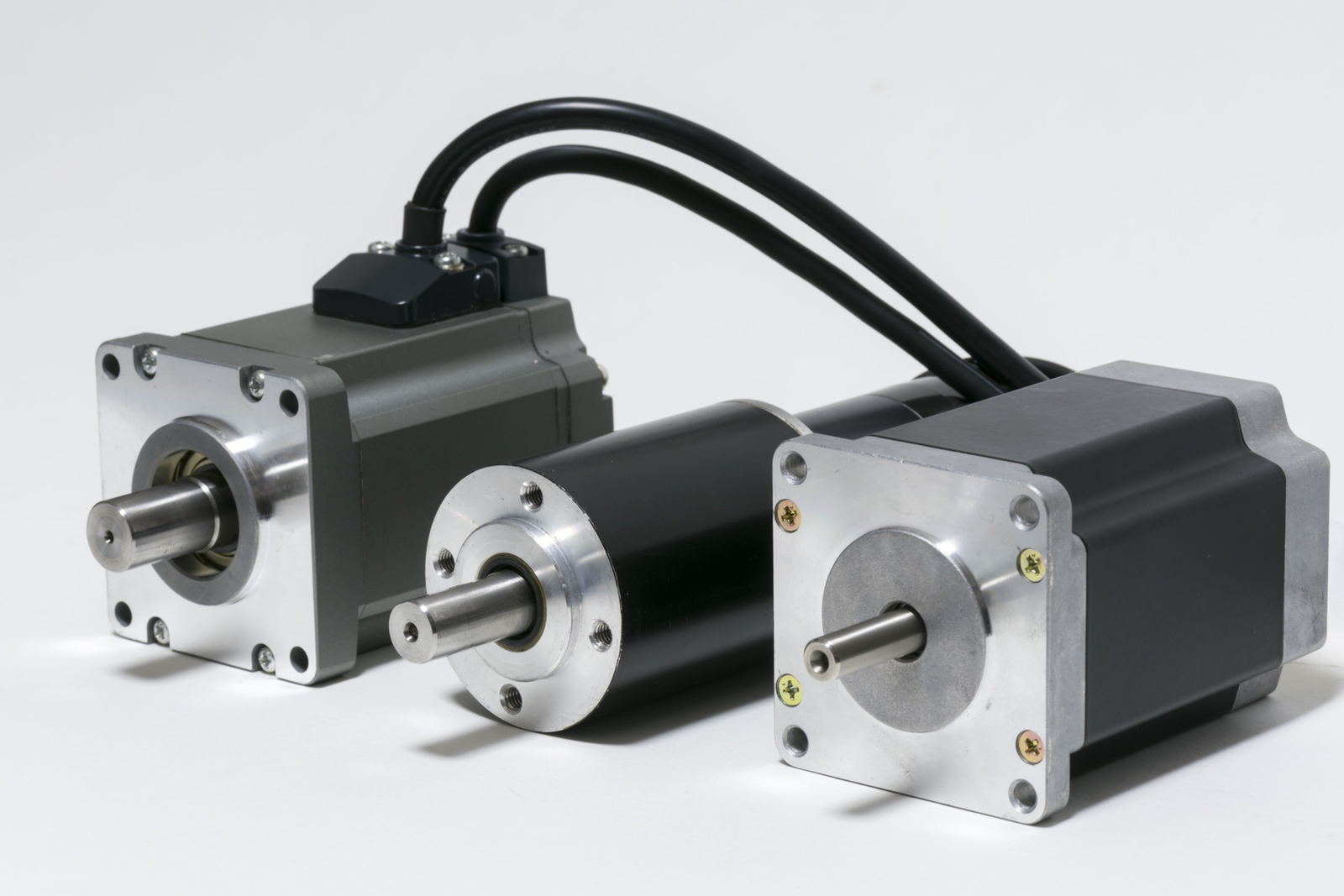
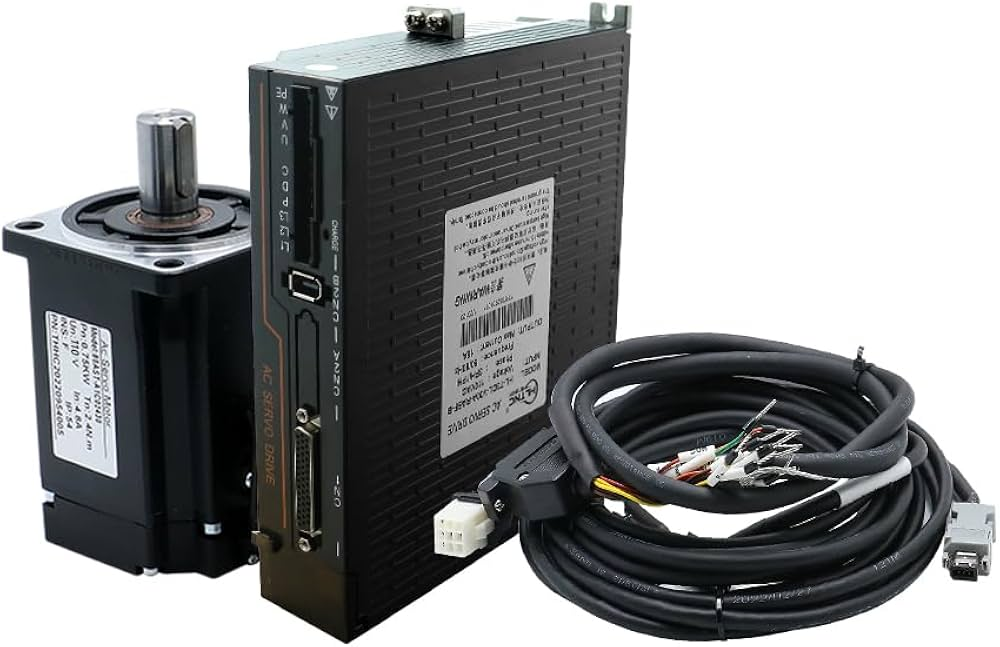
DMKE provides reliable motor solutions with a focus on efficient performance, system compatibility, and application-specific requirements. With engineering support, customisation capability, and quality testing, DMKE helps customers select motor solutions designed for stable and dependable operation.
Visit our website or contact us today to get reliable solutions aligned with your operational needs.

 English
  English (Australia)
  English (Canada)
  Deutsch
  English (UK)
  Français