
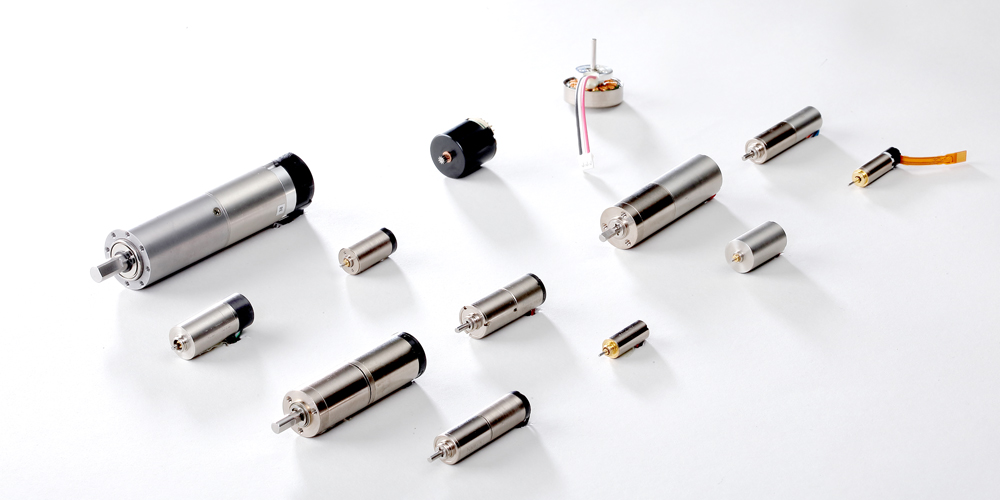
Kompakte Maschinen, intelligente Geräte und Automatisierungsprojekte werden von Jahr zu Jahr fortschrittlicher, wodurch die Nachfrage nach Motoren steigt, die Folgendes leisten zuverlässige Leistung auf begrenztem Raum.
Vielen Käufern fällt es schwer herauszufinden, welcher Gerätetyp wirklich zu ihrem Projekt passt, da die Spezifikationen oft sehr technisch und schwer zu vergleichen sind. Verstehen, wie man die richtige beste Kleinmotoren ist eine wesentliche Voraussetzung für den reibungslosen Betrieb, die Energieeffizienz und die langfristige Zuverlässigkeit moderner Kompaktanlagen.
Kleine Elektromotoren treiben alles an, von Robotern und Unterhaltungselektronik bis hin zu Präzisionswerkzeugen und automatischen Mechanismen, doch ihre Leistung hängt stark von folgenden Faktoren ab richtige Spannungswahl, Drehmomentausgleich, und Anwendungskompatibilität.
Wenn man sich für ein Gerät entscheidet, ohne diese Faktoren zu berücksichtigen, kann es zu Überhitzung, schlechter Bewegungssteuerung oder verkürzter Lebensdauer kommen. Ein klares Verständnis von Kleinmotoranwendungen hilft den Benutzern Leistungsvermögen anpassen mit realen betrieblichen Anforderungen, anstatt sich allein auf die Größe zu verlassen. Eine weitere häufige Herausforderung ist die Bestimmung der Spannungsanforderungen und Leistungserwartungen. Kleine Motoren arbeiten in einem breiten elektrischen Bereich, und die Wahl der falschen Leistung kann sowohl die Effizienz als auch die Sicherheit beeinträchtigen.
Dieser Leitfaden stellt die zuverlässigsten Optionen vor, die heute verfügbar sind, und erläutert gleichzeitig die wichtigsten Auswahlprinzipien, damit der Leser mit Zuversicht die richtige Wahl treffen kann. rechter Kompaktmotor für ihre Projekte im Jahr 2026. Also, lesen Sie weiter:
Warum sind kleine Elektromotoren in modernen Projekten wichtig?
Die moderne Technik hängt zunehmend von kompakte Systeme, die zuverlässige Leistung bieten auf begrenztem Raum. Von Automatisierungsanlagen bis hin zu intelligenten Geräten ermöglichen kleinere Komponenten den Konstrukteuren, die Effizienz zu verbessern, ohne die mechanische Komplexität zu erhöhen. Dieser Trend zur Miniaturisierung hat kompakte Motorlösungen zu einem Schlüsselelement in der modernen Projektentwicklung gemacht.
Kleinmotoren sind nicht mehr auf Hobbyanwendungen beschränkt, sondern werden heute in der Robotik, bei Präzisionswerkzeugen, medizinischen Geräten und intelligenten Gebäudesystemen eingesetzt. Ihre Fähigkeit zu liefern kontrollierte Bewegung unter Beibehaltung der Energieeffizienz macht sie für die sich entwickelnden industriellen und kommerziellen Technologien unverzichtbar. Diese zunehmende Abhängigkeit unterstreicht die Bedeutung einer modernen Systemintegration für verschiedene Anwendungen.
Ein weiterer wichtiger Vorteil ist Spannungsflexibilität, da viele Kompaktmotoren mit Niederspannungsnetzteilen oder batteriebetriebenen Systemen arbeiten. Die richtige Wahl der Spannung verbessert die Effizienz, erhöht die Sicherheit und vereinfacht das Systemdesign. Die Wahl geeigneter Spezifikationen stärkt letztendlich die effiziente Systemleistung in kompakten und automatisierten Umgebungen.
Wichtige Faktoren, die bei der Auswahl eines kleinen Elektromotors zu berücksichtigen sind
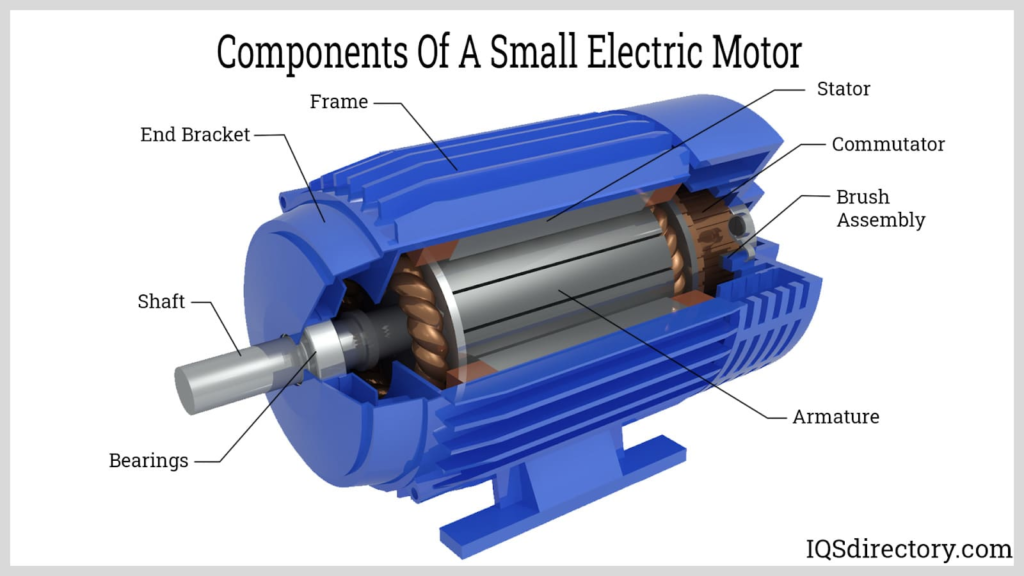
Auswahl einer kleinen Elektromotor erfordert mehr als die Anpassung der Größe an den verfügbaren Platz. Die Zuverlässigkeit der Leistung hängt davon ab, wie gut die elektrischen, mechanischen und umweltbezogenen Faktoren mit den Projektanforderungen übereinstimmen. Die Bewertung zentraler technischer Überlegungen vor dem Kauf hilft, Ineffizienzen zu vermeiden und die langfristige Nutzbarkeit sicherzustellen, so dass ein strukturiertes Auswahlverfahren entscheidend für den Erfolg des Kompaktsystems.
Anforderungen an die Spannung sollte immer zuerst geprüft werden, da sich die elektrische Kompatibilität direkt auf die Sicherheit und die Leistungsstabilität auswirkt. Kleine Geräte arbeiten in der Regel in niedrigen Spannungsbereichen, aber die Wahl einer falschen Spannung kann zu Überhitzung oder verminderter Effizienz führen. Die Abstimmung der Stromquelle auf die Spezifikationen des Geräts unterstützt einen stabilen Betrieb und verbessert die Planung der Spannungskompatibilität während der Systementwicklung.
Die Ausgewogenheit von Drehzahl und Drehmoment spielt eine entscheidende Rolle bei der Bestimmung, wie effektiv die Bewegung erfolgt. Einheiten mit hoher Drehzahl eignen sich für Lüfter oder leichte Mechanismen, während Lösungen mit höherem Drehmoment besser für lasttragende oder positionierende Anwendungen geeignet sind. Das Verständnis des Zusammenspiels von Geschwindigkeit und Kraft hilft den Anwendern, einen reibungslosen Betrieb und verlässliche Drehzahl-Drehmoment-Gleichgewicht bei unterschiedlichen Arbeitslasten.
Stromverbrauch iist ein weiterer wichtiger Faktor, insbesondere bei batteriebetriebenen oder energieempfindlichen Systemen. Effiziente Geräte wandeln mehr elektrische Energie in nutzbare Bewegung um und erzeugen während des Betriebs weniger Wärme. Die Bewertung des Verbrauchs ermöglicht es den Konstrukteuren, die Betriebszeit zu verlängern und eine zuverlässige Kontrolle des Energieverbrauchs in kompakten Geräten zu gewährleisten.
Kompatibilität kontrollieren müssen auch bei der Integration von Geräten in automatisierte oder programmierbare Systeme. Einige Geräte benötigen spezielle Steuerungen oder Treiber, um Geschwindigkeit und Richtung genau zu regulieren. Die Gewährleistung einer ordnungsgemäßen Kommunikation zwischen Steuerelektronik und Design stärkt die präzise Integration der Bewegungssteuerung und verhindert Leistungseinschränkungen.
Bewertung der Einschaltdauer hilft bei der Entscheidung, ob ein Gerät kontinuierlich oder nur in kurzen Intervallen betrieben werden kann. Bei Geräten, die über ihren Nennbetriebszyklus hinaus eingesetzt werden, kann es zu Überhitzung und beschleunigtem Verschleiß kommen. Die Kenntnis der Anforderungen an die Betriebsdauer gewährleistet eine höhere Zuverlässigkeit und unterstützt die effektive Planung des Dauerbetriebs in realen Anwendungen.
Lärm und Effizienz werden in modernen kompakten Projekten immer wichtiger, insbesondere bei Verbrauchergeräten und Innenraum-Automatisierungssystemen. Ein geräuscharmer Betrieb verbessert das Nutzererlebnis, während ein höherer Wirkungsgrad Energieverluste und Wärmestau verringert. Die Auswahl von Geräten, die für geringe Vibrationen optimiert sind, trägt zu einem geräuscharmen Betrieb bei, ohne die Leistungsfähigkeit zu beeinträchtigen.
Die Anwendungsumgebung sollte immer Einfluss auf die endgültige Auswahl haben. Temperaturbedingungen, Staubbelastung, Luftfeuchtigkeit und verfügbare Belüftung können die Lebensdauer und die Leistungskonstanz erheblich beeinflussen. Die Wahl von Motoren, die für bestimmte Umgebungen ausgelegt sind, erhöht die Lebensdauer und unterstützt eine zuverlässige umweltbezogene Auswahl unter verschiedenen Projektbedingungen.
| Faktor | Warum es wichtig ist | Typische Überlegung |
| Spannung | Gewährleistet elektrische Kompatibilität | 3V bis 24V gemeinsamer Bereich |
| RPM | Bestimmt die ausgegebene Geschwindigkeit | Antrag auf Übereinstimmung |
| Drehmoment | Bewältigt den Lastbedarf | Höheres Drehmoment für schwerere Aufgaben |
| Stromverbrauch | Beeinflusst die Effizienz | Wichtig für Batteriesysteme |
| Kontrolle Typ | Ermöglicht Automatisierung | Treiber oder Controller erforderlich |
| Einschaltdauer | Verhindert Überhitzung | Kontinuierliche oder intermittierende Nutzung |
| Umwelt | Auswirkungen auf die Lebensdauer | Belastung durch Staub, Hitze und Feuchtigkeit |
Die sorgfältige Prüfung dieser Faktoren ermöglicht es den Käufern, sichere Entscheidungen zu treffen und gleichzeitig die üblichen Kompatibilitätsprobleme zu vermeiden. Eine ausgewogene Bewertung führt letztlich zu besserer Leistung und längerer Lebensdauer durch fundierte Optimierung von Kleinmotoren.
Beste kleine Elektromotoren: Top 10 Auswahlen
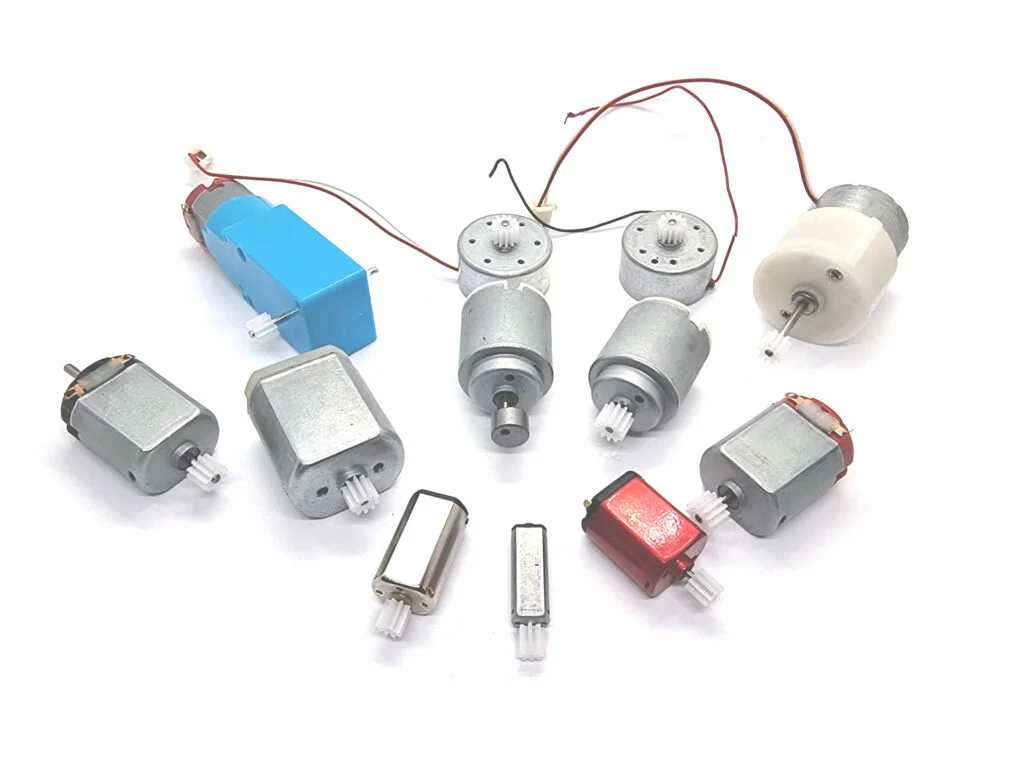
Die Wahl des richtigen Kleinmotors hängt ab von ein ausgewogenes Verhältnis zwischen Vielseitigkeit, Effizienz und Praxistauglichkeit und nicht nur auf die Größe oder den Preis zu achten. Moderne kompakte Projekte erfordern Motoren, die eine zuverlässige Bewegungssteuerung bei begrenztem Platz- und Leistungsbedarf bieten.
Die folgende Auswahl repräsentiert weit verbreitete Lösungen, die für ihre Langlebigkeit, Leistungsstabilität und anpassungsfähigen Anwendungen bekannt sind und den Nutzern helfen, das richtige Produkt zu finden. beste Kompaktmotoren geeignet für die sich entwickelnden Anforderungen der Technik und Automatisierung.
1. Mikrogebürsteter DC
Mikrobürsten-Gleichstromsteller sind aufgrund ihres einfachen Aufbaus und ihrer einfachen Steuerung nach wie vor eine gute Lösung für kompakte Projekte. Sie arbeiten typischerweise zwischen 3V und 6V und sind ideal für batteriebetriebene Geräte und tragbare Elektronikgeräte. Diese Motoren sind leicht, einfach zu installieren und mit einfachen Steuerungen kompatibel, was sie perfekt für Spielzeug, Lernsets und kleine Prototypen macht. Ihr relativ geringes Drehmoment reicht für leichte Mechanismen aus, und ihr vorhersehbares Niederspannungsleistung sorgt für einen reibungslosen Betrieb im Schul- und Hobbybereich.
2. Mini Brushless DC
Mini bürstenlose Gleichstrommotoren bieten im Vergleich zu bürstenbehafteten Alternativen einen hohen Wirkungsgrad und eine längere Lebensdauer. Je nach Ausführung arbeiten sie in der Regel im Bereich von 6 bis 24 V und eignen sich gut für Robotik, Drohnen und kleine Automatisierungsgeräte. Das Fehlen von Bürsten reduziert die Reibung und den Wartungsbedarf, während die präzise elektronische Kommutierung eine sanftere Rotation und eine höhere Drehzahlstabilität ermöglicht. Diese Eigenschaften bieten hervorragende hocheffiziente Leistung und gleichmäßige Drehmomentabgabe für kompakte Systeme, die langfristige Zuverlässigkeit erfordern.
3. Kernloser Gleichstrom
Kernlose Gleichstrommotoren sind für Anwendungen konzipiert, die eine schnelle Beschleunigung, minimale Trägheit und präzise Steuerung erfordern. Sie arbeiten mit Spannungen zwischen 3 und 12 V und bieten eine hohe Reaktionsfähigkeit, ohne das System wesentlich zu belasten. Kernlose Designs sind besonders effektiv in der Präzisionselektronik, bei medizinischen Instrumenten und in der Kleinrobotik, wo eine schnelle, gleichmäßige Bewegung erforderlich ist. Ihre Fähigkeit zu liefern Hochgeschwindigkeits-Präzision in leichten Baugruppen macht sie zu einem Favoriten für tragbare und empfindliche Geräte.
4. Mini-Planetengetriebemotor
Mini Planetengetriebe kombinieren dank ihrer integrierten Getriebeuntersetzung kompakte Größe mit hoher Drehmomentabgabe. Sie arbeiten typischerweise zwischen 6 V und 24 V und ermöglichen es Systemen mit kleinem Formfaktor, moderate Lasten zu bewältigen und dabei stabile Drehzahlen beizubehalten. Sie werden häufig in Automatisierungsprojekten, kleinen Förderanlagen und Roboterarme, wobei beide Drehmomentverstärkung und eine präzise Bewegungssteuerung erforderlich sind. Die Planetenkonstruktion verbessert außerdem den mechanischen Wirkungsgrad und verringert den Verschleiß, was einen kontinuierlichen Betrieb auf kleinstem Raum ermöglicht.
5. Kleine Stepper
Kleine Stepper eignen sich hervorragend für Anwendungen, die eine präzise Positionierung und wiederholbare Bewegung erfordern. Sie laufen im Bereich von 12 bis 24 V und bewegen sich in diskreten Schritten, was eine exakte Rotationssteuerung ohne komplexe Rückkopplungssysteme ermöglicht. Schrittmotoren sind häufig in 3D-Druckern, CNC-Maschinen und Laborgeräten zu finden, wo inkrementelle Bewegung und Zuverlässigkeit entscheidend sind. Ihre Fähigkeit zu liefern Präzisionsbewegungssteuerung ohne Überschwingen oder Abdriften sind sie ideal für kompakte Automatisierungs- und Robotikprojekte.
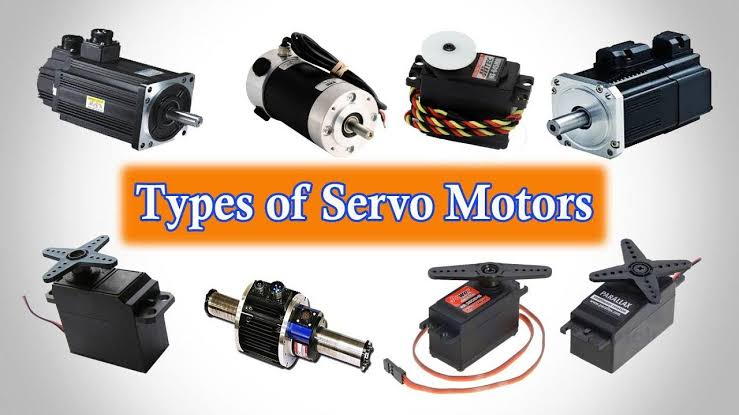
6. Mini-Servos
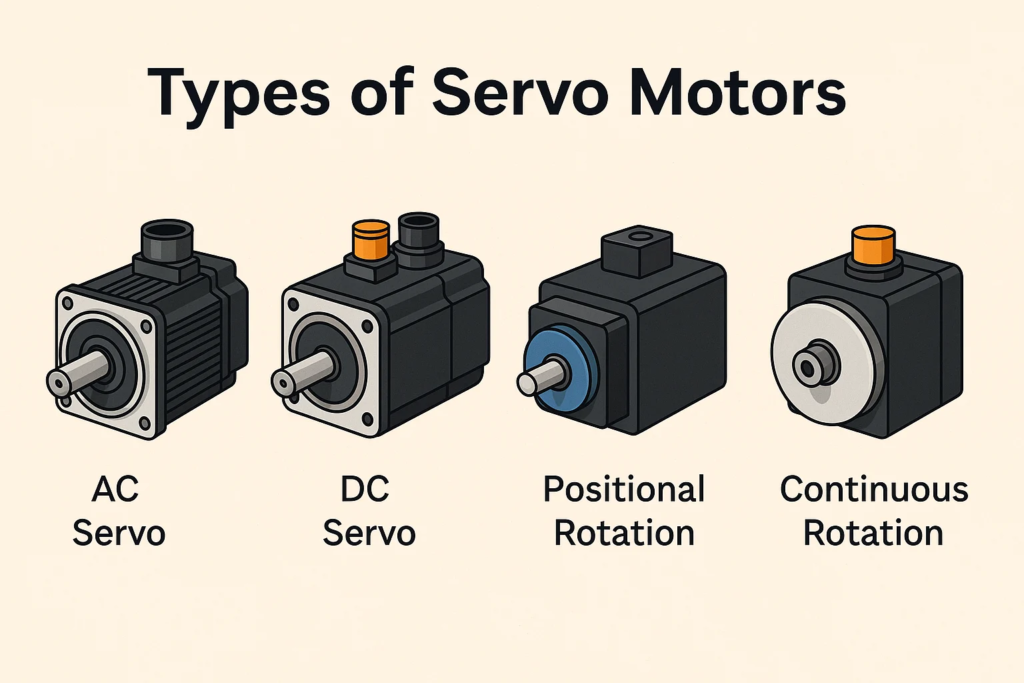
Mini Servoeinheiten sind für präzise Winkelbewegungen mit integrierten Rückkopplungssystemen ausgelegt, die eine kontrollierte Drehung in bestimmte Positionen ermöglichen. Sie arbeiten typischerweise zwischen 5 V und 7,4 V und werden häufig in der Robotik, bei intelligenten Mechanismen und Automatisierungsgeräten eingesetzt, bei denen es auf Genauigkeit ankommt. Der eingebaute Steuergerät ermöglicht schnelle Anpassungen als Reaktion auf Eingangssignale und ist damit ideal für Systeme, die kontrollierte Bewegungsgenauigkeit. Ihr kompaktes Design und ihre zuverlässige Drehmomentabgabe unterstützen den präzisen Betrieb in engen Räumen, von Roboterarmen bis hin zu automatischen Kamerahalterungen.
7. Kompakter AC-Synchronmotor
Kompakte AC-Synchroneinheiten sorgen für stabile Geschwindigkeiten, die mit der Netzfrequenz synchronisiert sind, und gewährleisten eine gleichmäßige Bewegung auch bei wechselnden Lasten. Diese Geräte arbeiten in der Regel mit Niederspannungs-Wechselstromquellen und sind ideal für kleine Zeitschaltuhren, Geräte und Automatisierungsanlagen, bei denen eine gleichmäßige Geschwindigkeit erforderlich ist. Ihre vorhersehbare Rotation und Betrieb mit konstanter Geschwindigkeit machen sie wertvoll für Anwendungen, die ein präzises Timing oder eine geregelte Bewegung ohne komplexe Steuersysteme erfordern. Die Kombination aus Effizienz und Haltbarkeit ermöglicht eine langfristige Leistung in kompakten Geräten.
8. Kleiner Induktionsmotor
Kleine Induktionsgeräte sind für ihre Langlebigkeit, ihren geringen Wartungsaufwand und ihre Fähigkeit zum Dauerbetrieb in industriellen Minianlagen bekannt. Sie arbeiten mit 12 bis 24 V-Systemen und liefern ein gleichmäßiges Drehmoment für Förderanlagen, Pumpen und andere Automatisierungskomponenten. Diese Geräte sind ideal für Projekte, die Folgendes erfordern industrieller Dauerbetrieb wo Zuverlässigkeit und Langlebigkeit entscheidend sind. Dank ihrer robusten Bauweise können sie unterschiedlichen Belastungsbedingungen und Umgebungsbedingungen standhalten, was sie zur ersten Wahl für kompakte industrielle Lösungen macht.
9. Mini-Linearantriebsmotor
Mini-Linearaktuatoren wandeln Drehbewegungen in präzise lineare Bewegungen um und ermöglichen so das Heben, Gleiten oder Schieben auf engem Raum. Sie arbeiten in der Regel im Bereich von 6 bis 24 V und werden häufig in Smart-Home-Systemen, automatischen Mechanismen und in der Robotik eingesetzt. Die Integration einer Einrichtung und eines Spindelantriebs ermöglicht eine effiziente Umwandlung von Linearbewegungen ohne große mechanische Baugruppen. Ihr reibungsloser Betrieb und ihre kompakte Größe machen sie ideal für einstellbare Komponenten, Positioniersysteme und kleine Automatisierungsprojekte.
10. Niederspannungs-Getriebemotor mit hohem Drehmoment
Niederspannungs-Getriebemotoren mit hohem Drehmoment sind für Anwendungen konzipiert, bei denen eine langsame, kontrollierte Bewegung mit starker Kraft erforderlich ist. Sie arbeiten typischerweise mit 12 bis 24 V und kombinieren ein Untersetzungsgetriebe mit einer kleinen Einheit, um ein stabiles Drehmoment bei niedrigen Drehzahlen zu liefern. Sie werden häufig in Miniförderern, mechanischen Zuführungen und kleinen Transportsystemen eingesetzt, wo Langsamfahrleistung ist unerlässlich. Diese Einheiten sorgen für ein Gleichgewicht zwischen Kraft und Effizienz und gewährleisten einen zuverlässigen Betrieb in kompakten Industrie- oder Automatisierungsumgebungen.
Typische Spannungsbereiche und Leistungsanforderungen für Kleinmotoren
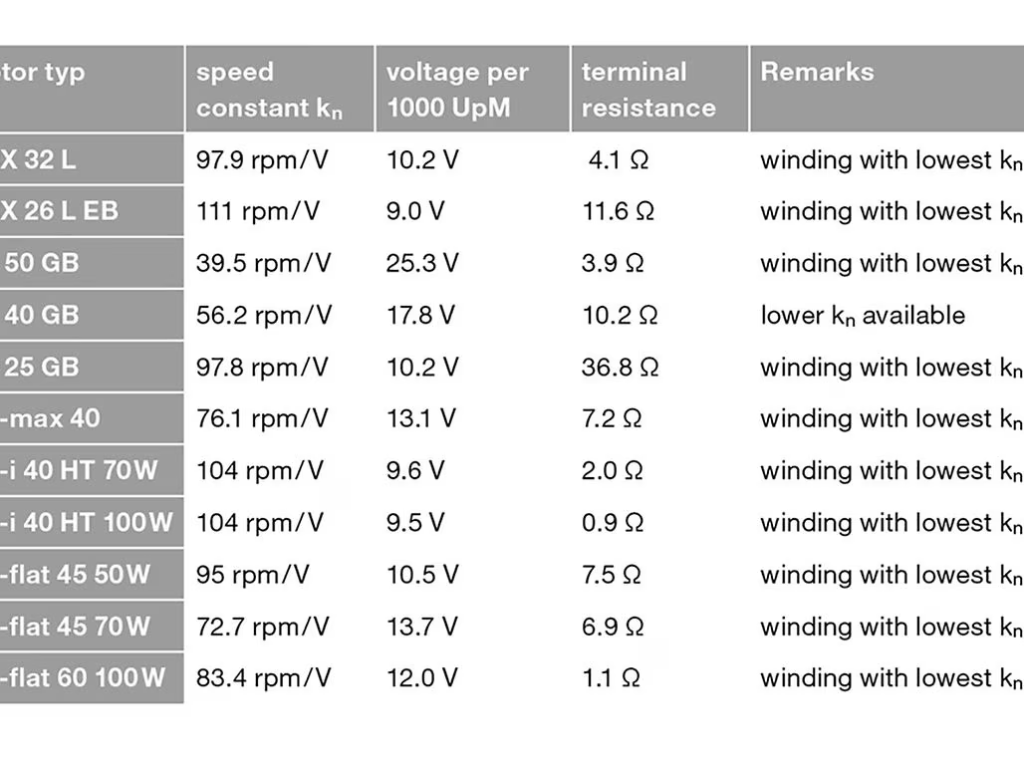
Verständnis der typischen Betriebsbereiche hilft Käufern bei der Auswahl von Optionen, die den tatsächlichen Anwendungsanforderungen entsprechen, anstatt sich nur auf die Größe oder das Aussehen zu verlassen. Die meisten Kompaktsysteme werden heute auf der Grundlage standardisierter elektrischer Eingänge entwickelt, so dass die Wahl der Spannung für kleine Anlagen eine praktische technische Entscheidung ist und nicht nur eine Vermutung.
Kleine Elektromotoren arbeiten in der Regel zwischen 3V und 24V je nach ihrem Zweck. Ultra-Niederspannungsmotoren mit einer Spannung von 3 bis 6 V werden häufig in leichten Elektronik- und Schulbausätzen verwendet, bei denen Sicherheit und Tragbarkeit am wichtigsten sind. Optionen im mittleren Bereich wie 12-V-Motoren bieten ein ausgewogenes Verhältnis zwischen Effizienz und Nutzbares Drehmoment, Während 24-V-Motoren in der Automatisierungstechnik zunehmend bevorzugt werden, da sie eine stabile Leistung bei Dauerlast bieten. Die Wahl des richtigen Spannungsbereichs gewährleistet eine konstante Drehzahl und verhindert unnötige Leistungsverluste.
In modernen Anwendungen, 12- und 24-Volt-Systeme sind zum Industriestandard geworden. weil sie sich leicht mit Batterien, Steuerungen und Automatisierungshardware integrieren lassen. Bei batteriebetriebenen Systemen stehen Energieeffizienz und geringe Wärmeentwicklung im Vordergrund, während bei netzbetriebenen Systemen der Schwerpunkt auf dauerhaftem Betrieb und Zuverlässigkeit liegt. Die Wahl zwischen diesen Systemen hängt weitgehend von den Mobilitätsanforderungen und der Betriebsdauer ab. Eine sorgfältige Bewertung des Energiebedarfs hilft, die Effizienz zu erhalten und gleichzeitig Vermeidung von Überhitzung oder übermäßiger Energieverbrauch.
Die Effizienz verbessert sich auch, wenn die Die Spannung entspricht den Erwartungen an die Arbeitsbelastung. Geräte, die innerhalb ihres optimalen Spannungsfensters arbeiten, verbrauchen weniger Strom, erzeugen weniger Wärme und liefern ein gleichmäßigeres Drehmoment. Ingenieure berücksichtigen daher den Lastbedarf, die Einschaltdauer und die Kompatibilität des Reglers, wenn sie das ideale Spannungsfenster festlegen. Leistungseinstellung für kompakte Projekte.
Typische Spannung und Anwendung im Vergleich
| Motortyp | Typische Spannung | Gemeinsame Nutzung |
| Mikro DC | 3-6V | Spielzeug, Lernsets |
| Getriebemotor | 6-24V | Robotik |
| Schrittmotor | 12-24V | CNC-Systeme |
| Servo | 5-7.4V | RC-Anlagen |
Allgemeine Anwendungen von kleinen Elektromotoren in verschiedenen Branchen
Kleine Elektromotoren treiben eine eine erstaunlich breite Palette moderner Technologien weil sie kontrollierte Bewegungen auf kleinstem Raum ermöglichen. Ihre Vielseitigkeit ermöglicht es Ingenieuren, Bewegungssysteme in Geräte zu integrieren, bei denen größere Optionen unpraktisch wären.
In der Robotik und Automatisierungstechnik sind kompakte Einheiten Antriebsgelenke, Räder, Förderbänder, und Positionierungsmechanismen, bei denen es auf Präzision und Wiederholbarkeit ankommt. In der Unterhaltungselektronik werden kleine Motoren für Kühllüfter, Vibrationssysteme, Kameramodule und tragbare Geräte eingesetzt, die durch kontrollierte Bewegungen ein reibungsloses Benutzererlebnis ermöglichen. Diese Branchen sind in hohem Maße von effizienten, kompakten Motorsystemen abhängig, die ein ausgewogenes Verhältnis zwischen Leistung und Energieverbrauch bieten.
Medizinische Geräte verwenden auch kleine Einheiten in Pumpen, Diagnosegeräte und Präzisionsinstrumente wo Zuverlässigkeit und leiser Betrieb entscheidend sind. In Automobilkomponenten unterstützen sie Funktionen wie Fensterheber, Spiegel, Sitzverstellungen und Sensormechanismen. Intelligente Haustechnologien erweitern die Nutzung durch automatische Vorhänge, Schlösser und Lüftungssteuerungen, die durch optimierte elektrische Bewegungslösungen angetrieben werden.
Bildungsprototypen und technische Projekte sind ein weiterer wichtiger Anwendungsbereich. Studenten und Entwickler verwenden kleine Motoren in Versuchsaufbauten, MINT-Bausätzen und Proof-of-Concept-Designs, weil sie erschwinglich, einfach zu steuern und in verschiedenen Umgebungen anpassbar sind. Diese breite Akzeptanz zeigt, wie kompakte elektrische Geräte Innovationen in verschiedenen Branchen ermöglichen, ohne dass große Energiesysteme erforderlich sind.
Häufige Fehler bei der Auswahl von Kleinmotoren
Viele Leistungsprobleme sind nicht auf schlechte Qualität zurückzuführen, sondern auf falsche Auswahlentscheidungen bei der Planung. Einer der häufigsten Fehler ist Ignorieren der Spannungskompatibilität zwischen dem Gerät und der Stromquelle. Eine falsche Spannungswahl kann zu Überhitzung, instabiler Geschwindigkeit oder einem kompletten Systemausfall führen.
Ein weiterer häufiger Fehler ist Vorrang der Geschwindigkeit vor dem Drehmoment. Käufer wählen oft Motoren mit hohen Drehzahlen aus, ohne den Lastwiderstand zu berücksichtigen, was zu einem blockierten Betrieb oder einer verkürzten Lebensdauer führt. Eine ordnungsgemäße Bewertung der Drehmomentanforderungen stellt sicher, dass die Leistungsbilanz den tatsächlichen Arbeitsbedingungen und nicht den theoretischen Spezifikationen entspricht.
Unterschätzung des Lastbedarfs ist ebenso problematisch. Kleine Einheiten mögen bei Tests ausreichend erscheinen, versagen aber im Dauerbetrieb, wenn der tatsächliche mechanische Widerstand zunimmt. Ingenieure müssen das Anlaufmoment, die Reibung und die Betriebszyklen berücksichtigen, um zu vermeiden, dass die Motorlastkapazität über die sicheren Grenzen hinaus belastet wird.
Schließlich, schlechte Anpassung des Controllers können die Effizienz einschränken, auch wenn der Motor selbst richtig gewählt ist. Inkompatible Treiber oder eine unzureichende Stromverarbeitung verringern die Reaktionsfähigkeit und erhöhen den Energieverlust. Die Auswahl von Steuerungen, die für dieselben elektrischen und steuerungsspezifischen Parameter ausgelegt sind, gewährleistet einen reibungsloseren Betrieb und langfristige Zuverlässigkeit in kompakten Motorsystemen.
Holen Sie sich Expertenrat zu kleinen Elektromotoren - Kontaktieren Sie DMKE
Bei DMKE, helfen unsere Ingenieure den Käufern Spannungsverträglichkeit und Drehmomentanforderungen prüfen, Arbeitszyklen und die Integration von Steuerungen, um sicherzustellen, dass jeder Motor eine zuverlässige Leistung für die vorgesehene Anwendung liefert.
Ob Sie nun Standardkonfigurationen für Hobby- und Prototypenprojekte benötigen oder maßgeschneiderte Lösungen für Industrie- und Automatisierungssysteme, jeder Motor ist streng geprüft um strenge Effizienz-, Haltbarkeits- und Sicherheitsstandards zu erfüllen.
Besuchen Sie unsere Website oder Kontaktieren Sie unser Team noch heute zu fachkundige Anleitung erhalten und entdecken Sie kleine Elektromotoren, die genau auf Ihre Projektanforderungen zugeschnitten sind und einen gleichmäßigen Betrieb, Energieeffizienz und langfristige Zuverlässigkeit gewährleisten.

 English
  English (Australia)
  English (Canada)
  Deutsch
  English (UK)
  Français