
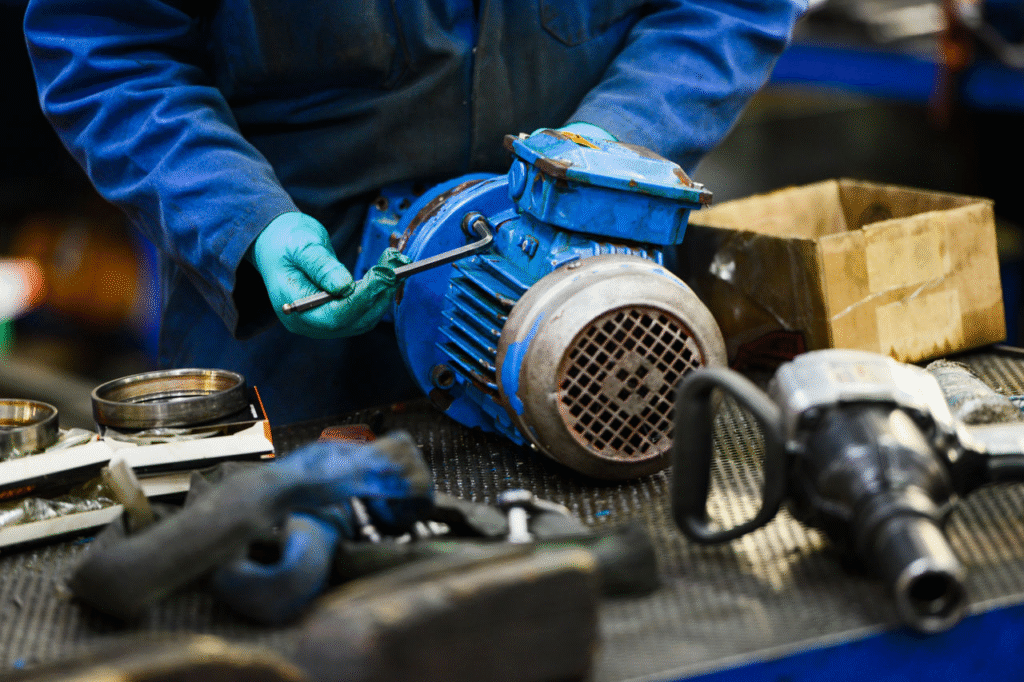
Hassen Sie es nicht auch, wenn mitten in der Arbeit Ihre Ausrüstung ausfällt und es zu einem dramatischen Ausfall kommt? Jeder, der in Abteilungen für Automatisierungstechnik arbeitet, kann das nachempfinden. Was viele jedoch nicht wissen, ist, dass die meisten dieser Ausfälle nicht auf eine große technische Panne zurückzuführen sind.
Vielmehr sind sie meist darauf zurückzuführen, dass Sie mit ein Motor, der nicht in Ordnung ist für die gesamte Montage zu Beginn. Das könnte erklären, warum manche Förderbänder langsamer werden, wenn die Last auf ihnen zunimmt, und warum Roboterarme nach einer langen Arbeitsschicht ihre Präzision verlieren. Es ist auch der Grund, warum viele Pumpen alle zwei Wochen überhitzen.
All diese Probleme liegen nicht an den mechanischen Komponenten der Geräte selbst. Vielmehr werden sie verursacht durch falsche Motorauswahl. Dennoch sind wir uns einig, dass die Definition des Begriffs Motor, das Verständnis des Wortes Motor und die Wahl des richtigen Motors für Ihre Aufgabe nicht einfach oder unkompliziert sind. Es geht nicht nur darum, die Spannungen an die von Ihnen erwartete Geschwindigkeit anzupassen oder ein Gerät mit einem langen Datenblatt zu finden.
Der richtige Motor ist vielmehr derjenige, der der Echtzeit-Arbeitslast des Geräts entspricht. Sie geht Hand in Hand mit der Umgebung, in der sie arbeitet, und erfüllt die Erwartungen der Ingenieure, die sie einsetzen. In den meisten Fällen wird das richtige Gerät durch die Genauigkeit definiert, die es je nach den Anforderungen der Anwendung bietet.
Der falsche Motor treibt die Maschine zunächst zu einem ruhigen Kampf an. Sobald die Dinge außer Kontrolle geraten, wird sie dramatisch zusammenbrechen. Egal, ob Sie Ingenieur sind, in der Industrie arbeiten oder in einer Beschaffungsabteilung tätig sind, Sie brauchen die richtigen motorischen Fähigkeiten und Kenntnisse, denn Sie wollen sich nicht mit Ausfallzeiten und kostspieligen Reparaturen herumschlagen.
Deshalb müssen Sie wissen, wie Sie den perfekten Motor auswählen. Im Folgenden werden wir jeden einzelnen alle Aspekte der Definition und Auswahl von Motoren im Detail. Also, lasst uns eintauchen.
Was “Motorauswahl” wirklich bedeutet
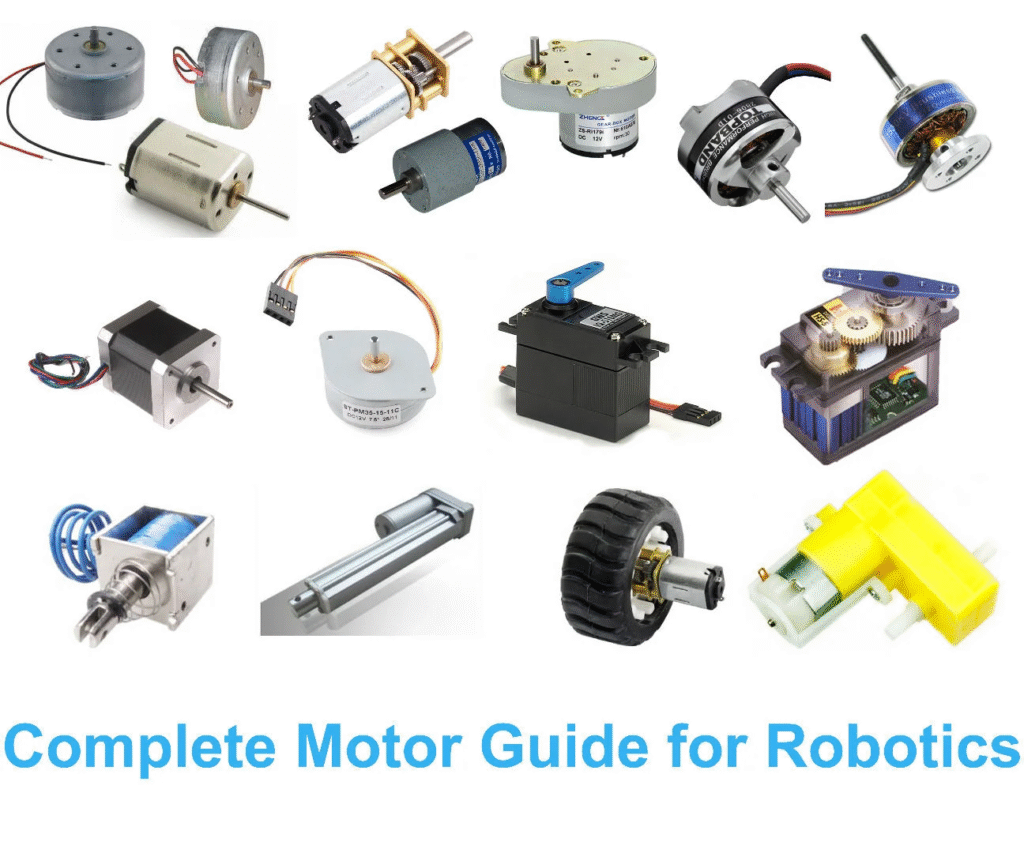
Um zu verstehen, wie Sie Ihre motorischen Fähigkeiten und Ihr Auswahlvermögen verbessern können, müssen Sie zunächst über eine systematische Definition von Motorik nachdenken. Wenn Sie sich vorstellen, einen kleinen Motor auszusuchen, stellen Sie sich dann vor, dass Sie die Wahl zwischen AC-Motoren und DC-Elektromotoren, BLDC Motoren, oder Servo Varianten? Oder möchten Sie lieber in die Tiefe gehen, um herauszufinden, was ein Motor tut und wie er Ihren spezifischen funktionalen Bedürfnissen entspricht?
Die Wahrheit ist, dass die wirkliche Auswahl tiefer in die Einzelheiten der mechanischen Wirkung die er leisten soll. Sie müssen verstehen, was die Definition des Elektromotors für Ihr Gerät wirklich bedeutet.
Alle Motoren sind ausgelegt für einem oder zwei bestimmten Zwecken dienen auf eine bestimmte Art und Weise. Einige sind für gleichbleibend hohe Belastungen ausgelegt, während andere ihre Funktion bei einem schnellen Drehmomentstoß schnell ändern können.
Einige Motoren sind für einen leisen Betrieb gedacht, während andere nur die Aufgabe einer kostengünstigen Grunddrehung erfüllen. Nicht den richtigen Motor für die richtige Motorleistung auswählen führt zu schlecht funktionierenden Geräten das nicht lange anhält.
Wenn Sie sich für einen Motor entscheiden, sollten Sie einige Fragen beantworten können:
- Was genau werden die Geräte den ganzen Tag über tun?
Sie müssen wissen, ob Ihr Gerät heben, schieben, positionieren, langsam arbeiten, leise arbeiten oder einfach nur rotieren soll.
- Welcher Art ist die gleichmäßige Belastung des Geräts?
Einige Geräte, wie z. B. eine Pumpe, werden auf ständigen Widerstand stoßen, während Roboterarme möglicherweise wechselnden Widerständen aus der Umgebung ausgesetzt sind. Je nach Art des Widerstands, dem Ihr Gerät ausgesetzt sein wird, wird Ihre Auswahl variieren. Achten Sie auch auf die Drehzahlregler, die Antriebsdichte und die Art der Stromquelle.
- Wollen Sie Präzision oder grobe Bewegung?
Für Förderbänder, brauchen Sie nicht wirklich eine punktgenaue Präzision. Aber bei CNC-Maschinen kann man da keine Kompromisse eingehen. Schauen Sie einfach, was Sie brauchen.
- Möchten Sie, dass das Gerät durchgehend oder in kurzen Zyklen läuft?
Wenn Sie die Einschaltdauer Ihrer Geräte kennen, können Sie die Optionen leicht eingrenzen.
- Wie schnell soll die Baugruppe beschleunigt oder abgebremst werden?
Für schwere Lasten, die schnell anlaufen müssen, benötigen Sie im Vergleich zu leichteren Lasten hohe Drehmomentkurven in Ihrem Motor.
Eine große Störung bei der Auswahl entsteht, wenn die Kunden sich nur auf die Unterschiede zwischen den Optionen aufgrund ihrer Spannung und Drehzahlen. Der richtige Weg ist vielmehr, die Motorendefinition im Zusammenhang mit der realen Anwendung des Geräts zu interpretieren.
Mit anderen Worten: Bei der Auswahl sollten Sie nicht nur auf die großen Zahlen achten, sondern auch auf das Design und die Funktionalität und darauf, wie es zu Ihrem Zweck passt.
Arten von Elektromotoren
Schwierig wird es, wenn Sie mehrere Optionen haben, aus denen Sie eine spezifische und genaue Auswahl treffen müssen. Bevor wir uns näher mit den Details befassen, sind hier also einige der wichtigsten Motorentypen die Sie kennen müssen.
- AC-Induktionsmotor
Dies sind die am häufigsten verwendeten Universalmotoren, die in den meisten Industrieanlagen mit effizienten Rotoren zu finden sind. Diese sind sin ihrem Design implizieren und sind in der Lage, Haltbarkeit und Langlebigkeit bei geringeren Wartungskosten zu bieten.
Das Motorgehäuse dieser Geräte eignet sich perfekt für Geräte, die in langen Intervallen oder mit gleichmäßiger und konstanter Geschwindigkeit laufen müssen. AC Induktionsanlagen sind häufig zu finden in Förderanlagen, Pumpen, Kompressoren, usw. Kurz gesagt, alles, was nicht sehr genau kontrolliert werden muss, kann sich auf diese Option verlassen.
- Servo-Lösungen
Für Anwendungen und Geräte, die Folgendes erfordern schneller Antrieb, Genauigkeit und Echtzeit-Positionierung Bei den Permanentmagnetmotoren haben Servolösungen eindeutig die Nase vorn. Sie können in der Regel erkennen Servomotoren die in CNC-Maschinen verwendet werden, FTS, Robotik und andere automatische Prüfsysteme.
- Stepper Lösungen
Wie der Name schon sagt, bewegen sich diese Schrittmotoren in kleinen und kontrollierten Schritten mit gleichbleibender Geschwindigkeit. Diese Arbeitsweise macht diese Motoren ideal für Geräte, die schnelle, exakte und gut getimte Bewegungen benötigen. Schrittmotoren werden meist eingesetzt in Haushaltsgeräte, Drucker, 3D-Entwicklungsmaschinen, und Kontrolleure.
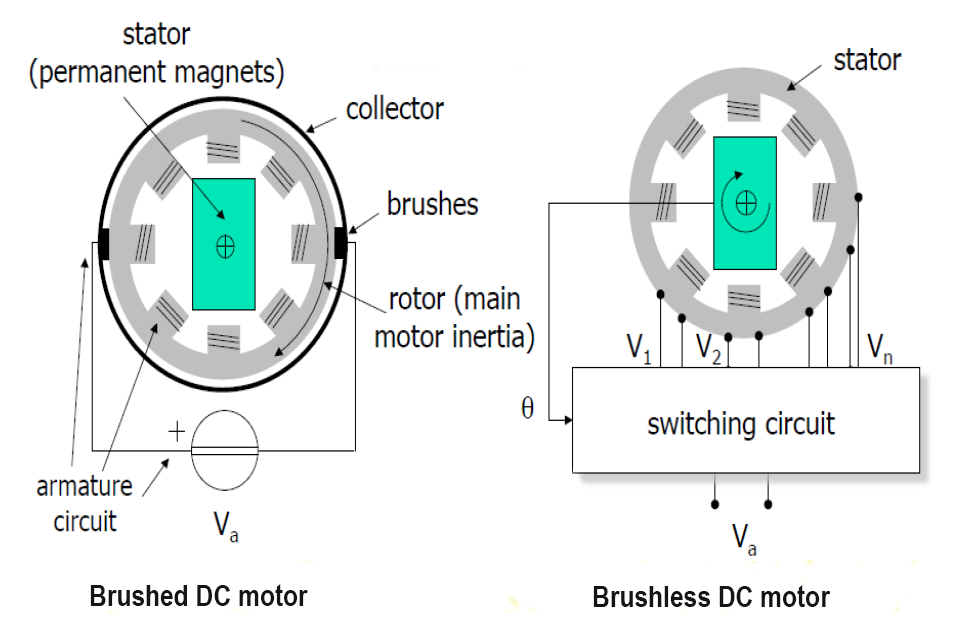
- Bürstenlose DC-Motoren oder BLDC-Motoren
Bürstenlose DC-Motoren oder BLDC-Motoren sind effiziente, leichte, kleine und leistungsstarke Optionen, die sich perfekt für batteriebetriebene Geräte, die kompakt sind Größe. Ein solches Gerät treibt AGVs, Teslas, Drohnen, Roboter, E-Bikes usw. und überall dort an, wo ein stabiles Drehmoment erforderlich ist.
- Gebürstete DCs
Dies ist eine einfachere DC-Version mit Pinseln, die erschwinglich, extrem einfach zu kontrollieren und geeignet für lwartungsarme und kostengünstige Anwendungen. Sie sind in Spielzeug, Werkzeugen und anderen tragbaren Geräten zu finden.
Im Folgenden finden Sie einige gängige Beispiele aus der Praxis für unterschiedliche Anforderungen in der Industrie sowie die dort verwendeten Motoroptionen:
| Ausrüstung / Industrie | Motortyp | Warum es passt |
| Fördergurte / Pumpen | AC-Induktion | Stetige, lang anhaltende Bewegung |
| CNC-Maschinen/Roboterarme | Servo | Präzise Positionierung, kontrolliertes Drehmoment |
| Verpackungs-/Etikettiermaschinen | Schrittmotor / Hochgeschwindigkeits-Servo | Präzise Start-Stopp-Zyklen |
| Elektrofahrräder / Kleinfahrzeuge | BLDC / Nabe / DC | Effiziente, kompakte, kontrollierte Bewegung |
| Haushaltsgeräte (Ventilatoren, Geschirrspülmaschinen, Bügeleisen, Staubsauger) | BLDC / Universal / Hochgeschwindigkeits-DC / Induktion | Quiet, stable, or strong suction |
| Medical / Delivery Robots | BLDC / Stepper | Smooth, precise, reliable motion |
Performance Metrics for Motors
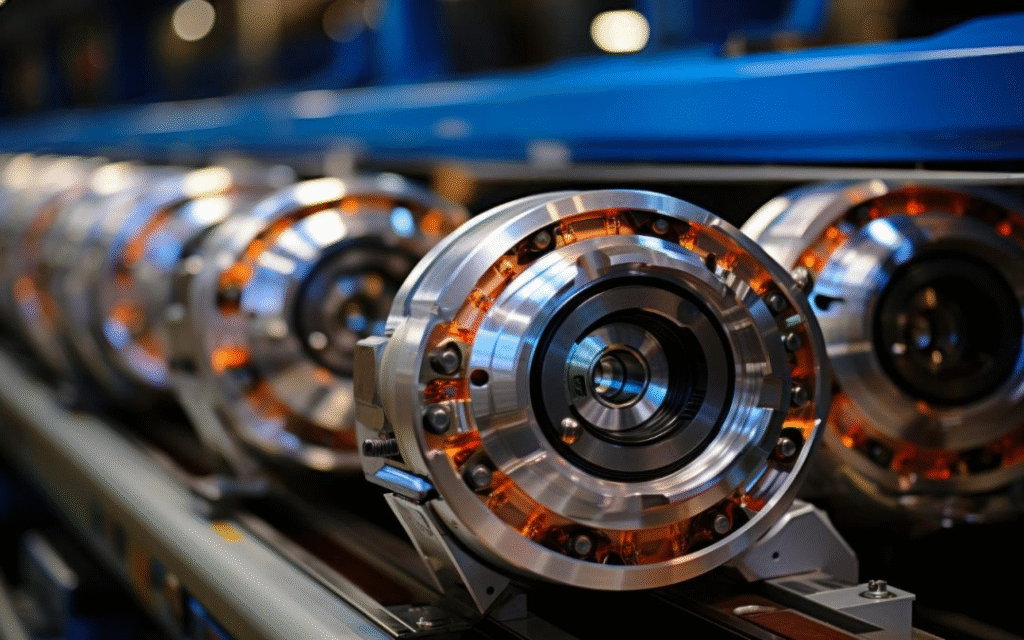
As we have been saying, the right motor is the one that fulfills whatever is needed from it by the equipment. An important parameter to decide the correctness of a motor for the system is its Drehmoment. In case heavier loads, more rotational force or Drehmoment are required compared to when the equipment has to perform the basic rotational functions.
Another of the critical factors is speed and acceleration. For equipment and applications where rapid starts and stops are required, Servolösungen will work the best. On the other hand, for steady, long-period running, induction ones are a good idea.
You also need to look at the precision and control that the equipment demands. For machines like CNC, robotics, robotic arms, and packaging equipment, stepper and Servolösungen will offer exact positioning, precise movement, and control, making them ideal.
You also need to see the power source and efficiency you want to opt for. Whether your system runs on AC or DC, an efficient motor will save energy and reduce heat generation. If you need something highly energy efficient for portable devices, going for BLDC is a good idea.
Lastly, you need to look at the environmental conditions in which the equipment will survive. For this, we suggest looking at the IP rating of the motor material. Then you can better decide whether or not it will be able to withstand the moisture, vibration, and heat it is meant to bear.
Lastly, your decision should also reflect on the cost and maintenance considerations. Universal options might come cheaper, but they will require a lot of spending later on. BLDCs, on the contrary, might be expensive, but have a longer lifespan and are low maintenance, thus saving money.
Step-by-Step Motor Selection Process
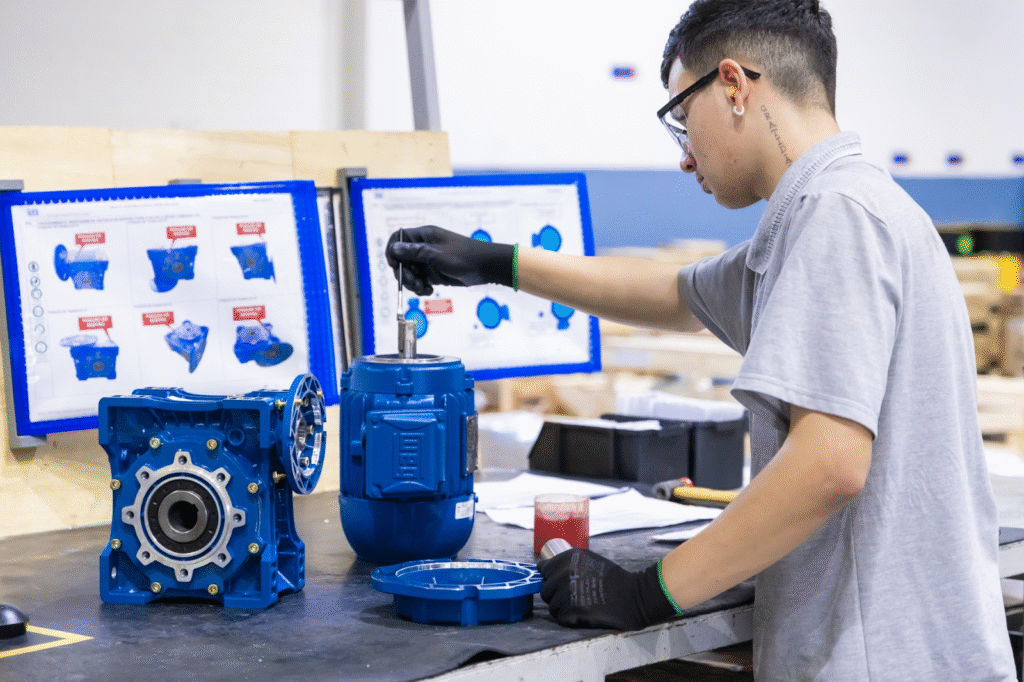
Don’t let technical datasheets and difficult jargon overwhelm you. Below is a simple and structured step-by-step approach that you can take to make the right motorised selection:
Step 1. Defining What You Need
This is the most important part of going about selecting anything, especially in bulk. Before you go about finding a solution, you need to identify what you need it for. Be clear on whether you need the motor for a conveyor belt, an AGV, a robot arm, a robotic arm, a pump, or any other packaging system.
Once you know exactly why you need an item, it gets easy to find the right variant for your needs. At this stage, it is also advisable to clearly define your requirements regarding the speed, acceleration, precision, and torque.
Step 2. Determining Load And Torque Requirements
If you haven’t done so in the previous step, it’s best to properly calculate the load amounts you want the equipment to handle through its mechanical parts. It’s always best to go a few numbers above the expected load to be on the safe side. This helps you choose a product that is capable of delivering more than enough torque for a smoother and more reliable operation.
Step 3. Deciding On Speed And Control
Now you need to see whether your system needs a consistent speed or would work with short bursts of variable speed at regular or irregular intervals. This helps you decide whether or not your motorized system should have precise positioning.
Step 4. Considering Power Source And Environmental Conditions
Now decide whether you need AC, DC, brushed, brushless, or a BLDC system based on how efficient your system has to be. If you are making a selection for a battery-operated or portable system, going for BLDC is a good idea.
Here, it is also advisable to check the environmental conditions in which the system will be working. Temperature, humidity, heat, dust, and external vibrations really play a great role in deciding what you need. Go for robust and durable options if you have to use them in industrial environments, while household and office environments often do well with noiseless and low-maintenance options.
Step 5. Evaluating Cost And Maintenance
Now that everything is clear, you can do a critical analysis of the upfront cost with its maintenance charges and upkeep requirements. Some options might be cheap, but they wear out faster and need a lot of maintenance. In such cases, it is better to consider expensive options that not just perform well but also last longer.
Step 6. Verifying Compatibility and Safety
Now that everything is done and you have a final winner, ensure that the selected motorized system will fit mechanically and electrically with the equipment it is being bought for, and also fulfill the safety standards and come with all the needed certifications, especially if you are buying it for medical equipment or industrial usage.
Common Motor Selection Mistakes Engineers Should Avoid
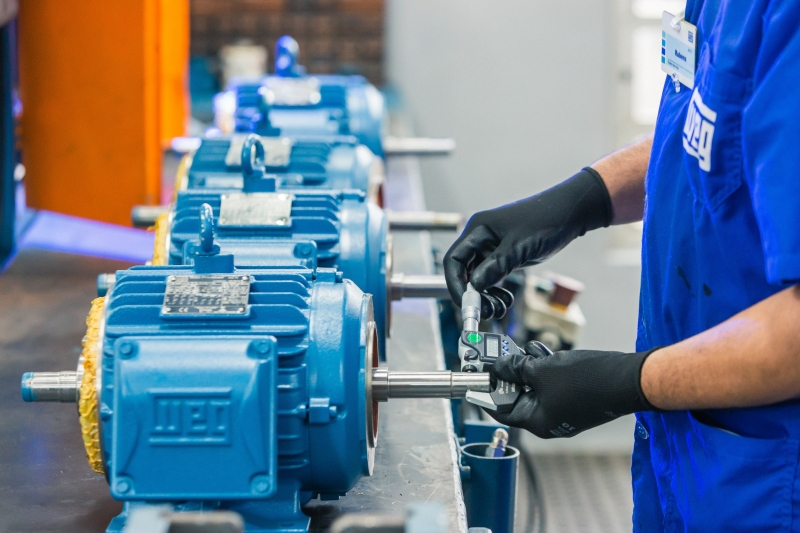
If you are an engineer who is going out to make a motor selection, be aware of some mistakes you must avoid at all costs:
- Not considering the torque requirements of the equipment will lead to poor performance and other similar issues. It’s a huge mistake, as less powerful systems are often overworked and break down.
- One must never prefer speed over control, because faster motors with no precision are of no use in most systems.
- Not choosing a motor considering the environment it will work in is a huge mistake that leads to quick damage.
- Efficiency and power source are important aspects of selection that, when neglected, can lead to higher costs and battery drainage.
- Not considering maintenance costs as part of the total cost of the system often leads to bigger future issues.
- Not carrying out compatibility checks from mechanical and electrical perspectives is another mistake engineers should never commit.
- Ignoring noise and vibration considerations can also lead one to buy useless solutions that don’t fit in their place.
- Not considering whether your selection matches your requirements is another selection mistake many people often make.
How the Right Motor Improves Machine Performance
By now, you must be wondering if all this fuss about the right motor selection is worth it. Well, it is one of the most underrated blessings for any system. It can entirely transform and uplift a system, how smoothly and precisely it operates, and how energy efficient it is.
With a system getting the exact torque and speed that it needs, there are no vibrations, jerks, or wear and tear to deal with. Take CNC machines, robotic arms, and other automated packaging lines as examples. Stepper and Servolösungen are perfect here to provide the exact positioning, accuracy, and consistency.
Other than performance, the overall efficiency of a system is entirely dependent on the right selection, too. High-quality selections like BLDCs will consume less energy while also generating less heat while working. This won’t just reduce the operational cost but will also bring down the system’s downtime and extend its life.
Ultimately, selecting the right motor is more important than anything else for a system. If you want optimal performance, reduced costs and maintenance, as well as efficient working, you have no choice but to take your time and select the right brain for your system.
Get Expert Motor Selection Support from DMKE
Don’t let the tricky business of choosing the right motor for your equipment confuse you. Contact us at DMKE to make everything simple. We have a team of experts to provide you with the right kind of guidance and equipment tailored exactly to your needs.
For years, DMKE has been designing, executing, and distributing motorised solutions that fit one specific function exactly. Each unit we produce is made with the highest-quality components under precision engineering.
Whatever unit we produce undergoes a strict, 8-step verification process prior to its release in the market. Our customers can purchase and get custom-made solutions from us for all their needs, while being at peace with our reliable and efficient post-sales support and customer services.
From helping you select the right solutions to customizing our products and providing amazing post-sale support, DMKE has it all.
Kontaktieren Sie uns today, visit our website or leave us a message on WhatsApp to take the guesswork out of your selection process and end up with a reliable, safe, and efficient solution every time.

 English
  English (Australia)
  English (Canada)
  Deutsch
  English (UK)
  Français