
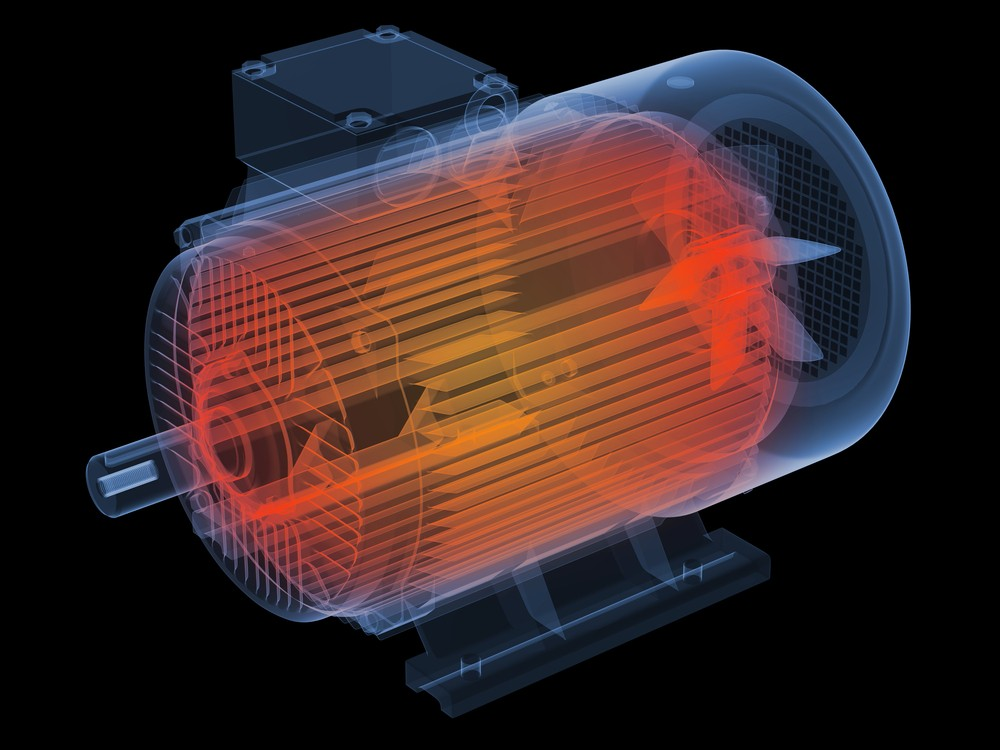
Motors used in industrial automation are designed to handle tough operating conditions while operating continuously over long cycles. Heat, dust, moisture, extreme temperatures, and long working hours are very common for such motors. However, there still is a limit to their abilities. When a setup consistently runs with more resistance and load than it should, it heats up.
Even when it’s common for motors to run hotter than they should once in a while, consistent heating is something that should be taken as a red flag. It is easily one of the most common reasons behind premature system failures.
However, what many facility managers hardly realize is that excessive heat is usually a symptom and not the root problem. More often than not, the issue that causes a setup to overheat repeatedly is exactly the issue behind the increasing electricity usage of that system.
In industrial environments, even a minor temperature increase can have serious and unimaginable consequences. It can lead to degraded insulations, worn-out bearings, and lubrication that often falls short. Eventually, the entire setup collapses because of something that could have been avoided with a simple correction.
Overheating issue translates into annoying unplanned downtimes, production delays, and increased costs in lieu of expensive repairs. Despite all of this, one part that many people, even the most expert of engineers, overlook is that overheating setups are almost always operating at below their rated efficiency.
When a motor is struggling with overload, voltage imbalance, improper ventilation, and misalignment, it takes more current and electrical energy than it should. More current means more heat generation, and more heat generation means more wasted energy. In very simple words, overheating not only leads to reduced motor lifespan, but it also directly impacts the electricity consumption and operational costs of the system.
However, a silver lining here is that, in many cases, the fix is not to replace the entire motorized setup; rather, it is to identify what’s forcing the setup to work harder than its capacity. Once you correct that underlying issue, you don’t just solve the temperature problem, but you also reduce the energy consumption significantly, and in most cases by up to 20%.
Below, we are going to talk about the major reasons behind continuous motor overheating, how these issues can increase your energy costs, and what you can do about them. So read on.
How Motor Heat Is Generated?
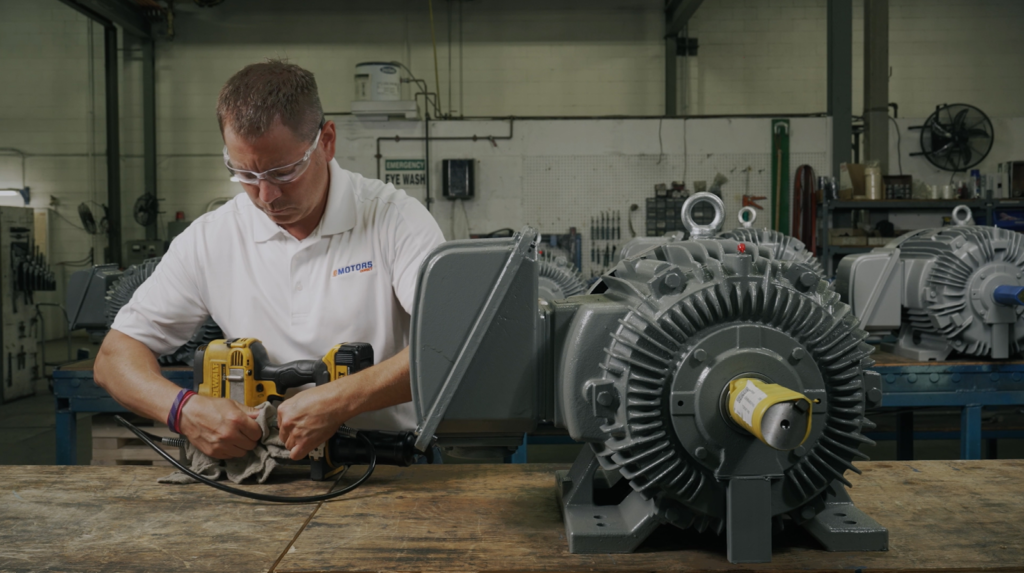
In industrial motorized setups, heat is not generated by accident. It is a natural byproduct of energy conversion that happens as the system operates. However, it is the excessive generation of it that is usually a warning sign, hinting that something within the system is working inefficiently or insufficiently.
One of the primary sources of this heat is the electrical losses, commonly referred to as the I2R losses. As the current flows through the motor interior, primarily its windings, it encounters resistance. This resistance converts some of the incoming electrical energy into heat, while the rest is converted into motion. The higher the current draw, the greater the production of heat. If a setup is overloaded or drawing more current than necessary, these losses increase significantly. As a result, overheating begins.
Another contributor is the mechanical friction. Bearings, shafts, and all other moving components are in a state of constant motion while the system is working. If their alignment is off, there is insufficient lubrication between them, or the components are worn out or rusty, friction is bound to increase. This increase in friction doesn’t just strain the motor; it also mechanically forces it to consume more power to maintain speed and torque, which, in turn, generates unnecessary heat.
The third factor lies in the motor’s cooling setup. Motors are supposed to come with proper heat dissipation mechanisms and ventilation systems. Improper ventilation, poor airflow, blocked vents, dusty environments, high ambient temperatures, and other malfunctions can trap heat inside the housing. Even a well-designed and highly well-made setup can overheat if there are, there is no proper heat sink or efficient dissipation mechanism inside it.
Motor heat, regardless of how it’s generated, always results in wasted energy. The hotter your motor runs, the more inefficient the overall system will become. Modern motor designs focus on reducing internal losses through improved materials, optimization of winding configuration, and better cooling mechanisms. However, even the best design cannot compensate for poor operating conditions, and hence, these must be taken seriously.
Root Cause #1: Incorrect Motor Sizing
One of the most common and arguably the most expensive reasons behind the overheating of industrial motorized setups is that they are not the right size for the job they are doing. While making the right motor choice, sizing is a critical aspect, and contrary to what many think, it isn’t just about matching the horsepower to some data on paper. It is rather about understanding the real-world loads, demands, and requirements, as well as the length of the duty cycle that the setup will face. When this calculation is incorrect, the consequences manifest as overheating.
Eine undersized setup is forced to work beyond its capacity. It draws a higher current to meet external demands, increasing I2R heat losses in its windings and leading to excessive heat buildup. In many setups, this happens slowly, as production requirements increase, load changes, and continuous overloading lead to insulation breakdowns, bearing stress, and frequent thermal protection trips. All of this leads to an eventual failure, not because the setup was poorly built, but because it was constantly overworking.
Overloaded motors also consume more energy than they should. When a setup runs near or beyond full load for an extended period, efficiency is bound to drop, and power consumption will increase. In such setups, one pays for the electricity that is not being converted into any useful output. While many think oversized setups seem safer, they create additional problems.
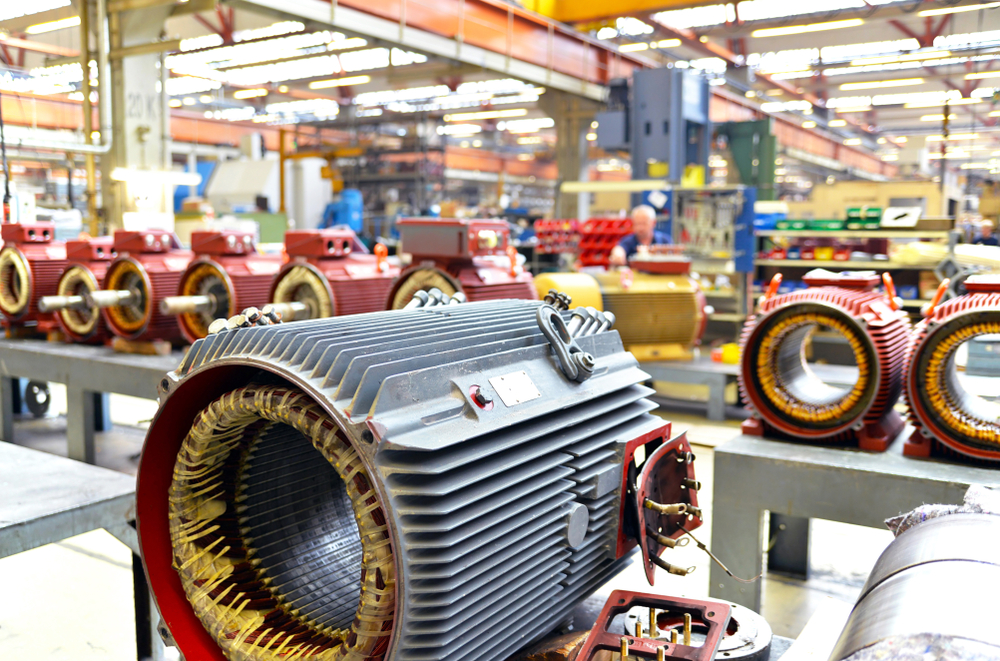
An oversized motor runs at very low load levels. Most industrial setups achieve peak efficiency between 75% and 100% of the rated load. When operating below that range, efficiency will decline, power factor will drop, and energy will be wasted. This wasted energy will turn into heat. While an oversized motor may not overheat quickly, it can still generate unnecessary internal losses and draw more electric current than it should. In variable-load applications, it may cycle frequently or operate inefficiently, increasing long-term operational costs.
The Solution
In case of an improperly sized motor, the solution lies in proper data and analysis rather than simply relying on guesswork. We suggest starting with a proper load assessment of the setup and measuring actual current draw under different operating conditions.
You can also review torque requirements during startup and peak load periods. Then evaluate duty cycles and choose a setup that operates within its optimal efficiency range under the above circumstances. Such a setup will reduce internal stress, lower the temperature rise, and it will improve overall energy performance.
Looking at it from a cost perspective, proper sizing not only prevents overheating but also reduces unnecessary energy consumption, thus leading to a decreased electricity bill. In most cases, heat generation is a result of sizing issues, and your first approach should be to fix this to solve more than simply temperature generation.
Root Cause #2: Poor Ventilation & Harsh Environments
In some cases, even a perfectly sized motor overheats. Here, the issue lies in compromised ventilation where internal heat has nowhere to go. A common issue behind overheated setups is blocked airflow. Motors are typically designed with heat sinks, dissipation fans, and cooling fans, which allow smooth air dissipation and heat dissipation and let the air circulate around the housing. In dusty, stuffy setups, these vents can become partially or fully blocked, leading to overheating and a lack of ventilation.
High temperatures are another overlooked factor. Setups that are bound to operate within extreme temperatures, when installed in poorly ventilated areas near boilers or under direct sunlight, can find it hard to dissipate heat. Even if internal losses remain constant, these setups will run hotter because of the environment they exist in.
Dust and dirt add a layer of fine particles that enter the motor housing, interfering with the internal airflow and reducing the thermal performance. This, over time, creates mechanical resistance as well as reduced cooling efficiency, which doubles up as heat buildup.
The Solution
The solutions in this case are very practical and affordable. Regular inspections help ensure that there is no blockage inside the vents, proper cleaning of ventilation openings, removing the accumulated dust, ensuring that cooling fans are working properly, and other such preventive measures help resist this issue.
In harsh environments, opting for a motor enclosure can help. Using TEFC or enclosures with high IP ratings can protect internal components from contamination, improving their durability.
Root Cause #3: Electrical & Power Quality Issues
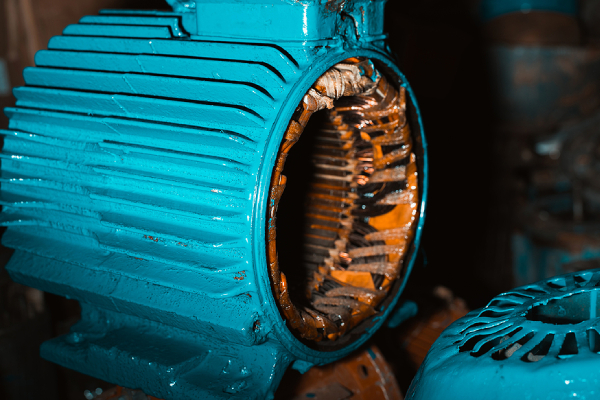
Contrary to what many might believe, not all overheating problems are mechanical in nature. In many setups, the real issue lies in the power supply itself. Industrial motors depend on a balanced electrical input. When voltage or current fluctuates, internal stress will increase, and heat will flow.
One major culprit is voltage imbalance. Even small imbalances between phases, as little as 1 to 2%, can cause major current imbalances. This leads to uneven magnetic fields inside the setup, resulting in localized heating within the windings. The setup might appear to be operating normally, but internally, it is struggling with high temperatures and heat generation.
Harmonics are another growing concern, especially where variable frequency drives, inverters, or large non-linear loads are used. Harmonics distort the electrical waveform that creates additional losses in the windings and core. These losses automatically show up as excessive heat over time, reducing insulation life and increasing failures.
Phase issues can also be damaging. When one phase drops or becomes unstable, the motor will draw excessive current, creating rapid overheating, which can even lead to burning of the windings if protection systems fail to respond.
The Solution
Here, the solution is to ensure consistent monitoring and preventive maintenance checks. Regular voltage measurements across all phases can help identify imbalances before they escalate. Installing voltage monitoring devices and relays can also add a layer of safety.
Proper wiring also matters. Loose terminals, undersized cables, and poor grounding can contribute to overall instability in the flow of power and heat generation. Lastly, we suggest conducting periodic power quality assessments to help detect harmonic distortion and other electrical problems that might be happening. This helps avoid them and make corrections to them before the failure escalates.
How Overheating Increases Energy Costs?
Whenever the temperature of a motor rises and heat is generated inside it, the electrical resistance in its winding is bound to increase. Higher resistance means the setup is bound to draw more current to produce the same output level. However, this extra current doesn’t improve performance; it turns into additional heat. This creates a cycle. More heat increases resistance, increased resistance leads to more current draw, and more current means higher electrical consumption. In turn, this high consumption directly impacts your monthly electricity bill.
Even small energy losses make a noticeable difference over time. For example, a 30-kilowatt motor operating continuously loses just 3-5% of efficiency due to overheating. The additional energy cost over a year can be extremely significant. Once multiplied across multiple motors in a setup, the financial impact becomes burdensome and impossible to ignore.
The overheated motor and the overheated setups consume more electricity to deliver the same mechanical output as is expected of them when they are not overheated. In such cases, you are paying more for the same output without even realizing it. Heat is essentially wasted energy. The cooler and more stable your setup runs, the closer it operates to its designed efficiency. This is where all the cost saving begins and explains why you need to mitigate the overheating issue as soon as you can.
How to Cut Energy Costs by 20%
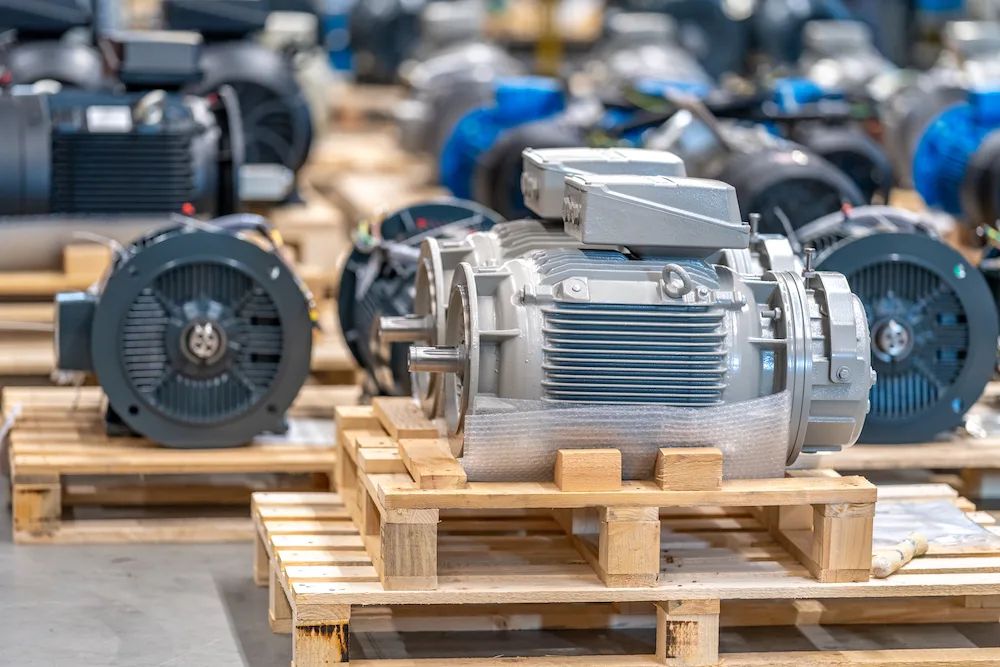
Reducing overheating is the sure way to reduce your energy costs. However, contrary to what many might think, reducing energy consumption is not something that requires complex changes on a system level. It is a simple, structured chain of actions that one can take. Follow the steps below to reduce your setup’s overheating and cut your energy costs ultimately.
Step 1. Conducting Thermal Inspections
You can use infrared thermography to identify abnormal temperature rises in setups, terminals, and control panels. These scans quickly reveal hidden hotspots before they turn into failures.
Step 2: Correct Motor Sizing
Verify that each motor matches its actual load requirements. Perform load measurements under normal operating conditions and review duty cycles. Proper sizing ensures the motor operates within its optimal efficiency range, minimizing unnecessary current draw.
Step 3: Improve Ventilation
Inspect cooling fans, ventilation paths, and motor rooms. Clean blocked air passages and ensure adequate airflow around equipment. In harsh environments, consider higher-rated enclosures to prevent dust and contamination buildup.
Step 4: Fix Power Quality Issues
Check for voltage imbalance, loose connections, harmonic distortion, and improper grounding. Installing monitoring devices can help maintain stable electrical input and prevent uneven heating inside windings.
Step 5: Upgrade to High-Efficiency Motors (If Needed)
If older motors consistently underperform, replacing them with modern, high-efficiency ones can significantly reduce losses. Premium-efficiency devices are designed with lower internal resistance, improved materials, and optimized cooling systems. This directly lowers both heat generation and energy consumption.
When these steps are implemented together, energy reductions of up to 20% are realistic in many industrial environments.
Get DMKE’s Efficient Motors – Start Saving On Energy Bills Today!
Bei DMKE, our experts understand all the nitty-gritties of motor heat generation and how it affects your overall energy consumption. This is why we engineer solutions that are built for performance, reliability, and efficiency in the long run.
Whether you get your hands on any of our ready-made motor AC, DC, or BLDC setups, or simply would like to consult our experts for a custom solution, we properly calculate the sizing and make sure to provide you with the right and capable setup that won’t generate heat and will also last long. Our products will also have advanced cooling structures that minimize internal losses and maintain stable operating temperatures.
Every unit that we produce undergoes a strenge Prüfung in acht Schritten before it is made available for sale, which speaks volumes about our efficiency and manufacturing capabilities. If your setup is facing repeated overheating, frequent thermal trips, or simply rising energy costs, it is time to consult with DMKE to re-evaluate your overall strategies.
Connect with us today, visit our website, or Kontaktieren Sie uns to start with a technical consultation. And let’s make sure that you get your hands on the best setup that runs cooler, lasts longer, and is also energy efficient.

 English
  English (Australia)
  English (Canada)
  Deutsch
  English (UK)
  Français