
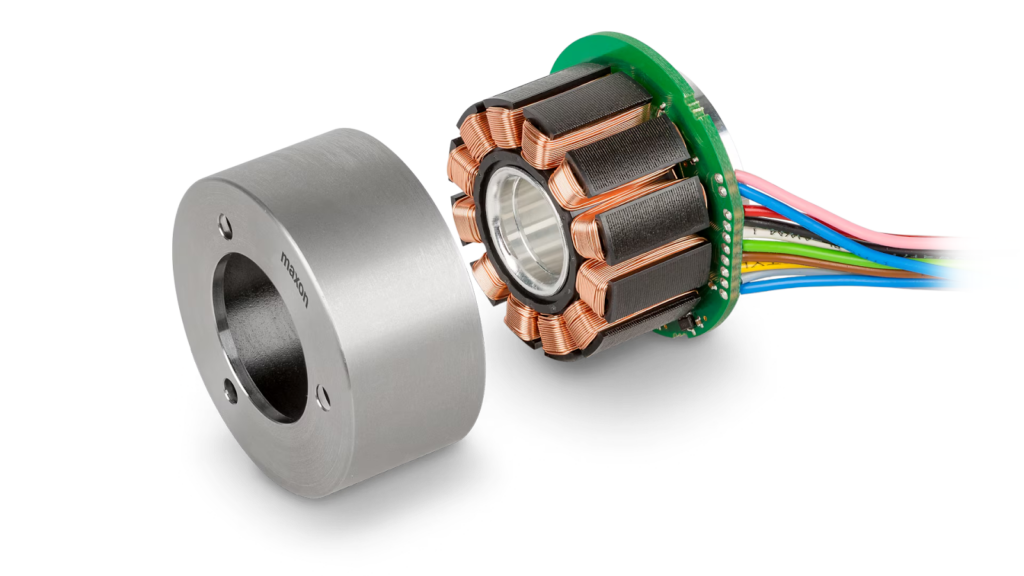
Many industrial buyers assume that the efficiency numbers listed on a motor datasheet are accurate and fully representative of real-world performance. However, relying solely on advertised figures can be misleading, especially for motor Brushless DC that are increasingly used in automation systems, robotics, HVAC equipment, and industrial machinery.
Selecting a setup based on unverified claims can result in higher energy bills, increased heat generation, more frequent maintenance, and reduced equipment lifespan, all of which add hidden costs over time.
Efficiency is more than just a technical specification; it directly affects long-term operational costs, system reliability, and overall return on investment. A unit that underperforms will require more energy to produce the same output, generate excessive heat, and stress other components in the system, potentially causing unexpected downtime. On the other hand, a verified high-efficiency motor can deliver consistent performance, lower electricity costs, and better thermal management across industrial applications.
In this guide, we walk you through five essential checks to validate Motor Brushless DC efficiency claims, including the technical standards, performance curves, controller compatibility, certifications, and real-world application data that provide reliable evidence of a motor’s true efficiency. By following these checks, industrial buyers can make informed decisions, avoid costly mistakes, and select motors that genuinely deliver energy savings and operational reliability. So, read on:
Why BLDC Motor Efficiency Matters in Industrial Applications
Brushless DC motors are widely adopted across industrial applications because they offer high power-to-weight ratios, precise control, and quiet operation. However, one of their most critical advantages, and one that often goes overlooked, is efficiency. In industrial environments, motors often run for extended periods, and even a small difference in it can lead to significant energy cost savings over time. Efficient ones convert a higher percentage of electrical input into useful mechanical output while minimizing wasted energy as heat.
Heat generation is closely linked to efficiency. Units that operate inefficiently produce more heat, which not only wastes energy but also increases the risk of component wear and system failures. Excessive heat affects windings, bearings, and magnets, which can shorten the setup’s operational lifespan and result in higher maintenance costs. Conversely, highly efficient BLDCs produce less heat, reducing stress on components and helping industrial equipment run smoothly for longer periods.
For industrial buyers, getting something this good is not just about lowering electricity bills. It also affects equipment reliability, thermal stability, and overall ROI. A unit that maintains consistent efficiency under varying loads ensures optimal performance, minimizes energy waste, and contributes to predictable operational costs, making it a critical factor in industrial procurement decisions.
The Problem With Unverified Claims
Despite the growing adoption of Motor Brushless DC in industrial automation, many buyers rely on efficiency numbers listed on datasheets without verifying their accuracy. Suppliers often highlight peak values in marketing materials because they look impressive, but these numbers are usually measured under ideal laboratory conditions that rarely reflect real-world operating environments. Relying solely on these figures can mislead buyers into expecting energy savings that the motor may not actually deliver in practice.
Another common issue is the lack of detailed load condition data. A system’s efficiency is not constant; it changes depending on operating speed, torque, and load percentage. If suppliers provide only a single rating without showing how the motor performs across its typical operating range, buyers cannot determine whether the unit will maintain high efficiency in their specific applications. This can result in higher electricity consumption, increased heat generation, and unexpected maintenance issues over time.
Finally, many claims are made without reference to standardized testing methods. Without adherence to internationally recognized standards, such as IEC 60034-2-1 or IEEE 112, values from different manufacturers cannot be reliably compared. For industrial buyers, this lack of verified testing increases the risk of purchasing a motor that does not meet performance expectations, potentially impacting operational budgets, system reliability, and long-term ROI. Proper verification through documentation, certifications, and real-world performance data is therefore essential before making a procurement decision.
5 Key Checks to Verify Brushless DC Motor Efficiency Claims
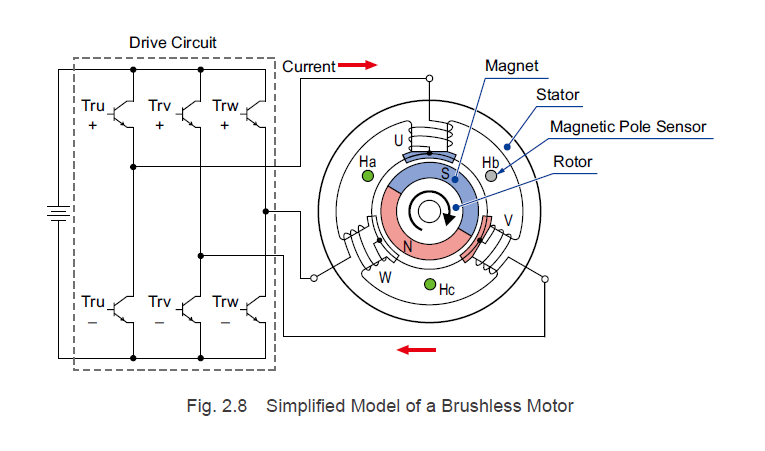
Efficiency claims should never be accepted at face value, especially in industrial applications where these setups operate for long hours. Buyers should review specific technical indicators and documentation to confirm whether a BLDC can actually deliver the levels promised by the supplier.
Key Check #1: Verify the Testing Standard Used
The first step in verifying BLDC motor efficiency claims is confirming the testing standard used to measure performance. Reliable manufacturers typically evaluate their units according to internationally recognized testing standards. These standards define how efficiency should be measured, the equipment required, and the operating conditions under which tests must be performed. When motors are tested using recognized standards, buyers can compare performance data from different suppliers with greater confidence.
Some commonly used standards include IEC 60034-2-1, IEEE 112, and CSA C390, which are widely accepted in the industry. These standards ensure that measurements are based on controlled laboratory testing rather than theoretical estimates or simulations. When tested according to these frameworks, the results reflect actual performance under defined electrical and mechanical conditions.
Industrial buyers should always request official test reports, laboratory documentation, and testing procedures from the supplier. These documents should clearly describe the testing method, the load conditions used during measurement, and the equipment involved in the testing process. Verifying these details helps buyers confirm that the numbers listed on a datasheet are based on standardized and credible testing practices.
Key Check #2: Review the Efficiency Curve, Not Just Peak Efficiency
Another important step when evaluating Motor Brushless DC efficiency is reviewing the efficiency curve instead of focusing only on a single peak value. Many suppliers highlight the highest point in their marketing materials because it looks impressive. However, setups rarely operate continuously at this ideal point during real industrial operations.
An efficiency curve provides a more complete picture of performance by showing how efficiency changes across different load levels and operating speeds. Most industrial units operate at varying loads depending on the machine, system design, or production requirements. By reviewing the curve, buyers can see whether the motor maintains strong performance at 25%, 50%, 75%, and full load conditions.
This information is important because the unit should deliver stable efficiency within the actual operating range of the application, not just at a single optimal point. If the unit only performs efficiently near its peak load, energy losses may increase during normal operation. Evaluating the full curve helps buyers select motors that provide consistent performance and better long-term energy savings.
Key Check #3: Confirm Motor Controller Compatibility
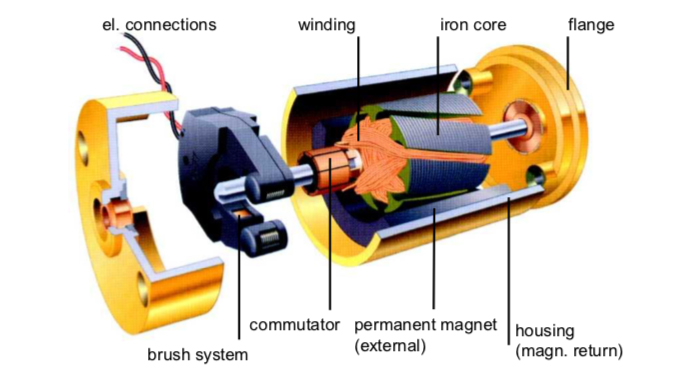
Brushless DC motors do not operate independently; they rely on electronic controllers to manage commutation, speed regulation, and torque control. Because of this, the efficiency of a BLDC system depends not only on the motor itself but also on the compatibility and quality of the controller used in the system.
If the unit is paired with an incompatible or poorly designed controller, additional electrical losses may occur during operation. These losses can reduce the overall efficiency of the system and increase heat generation. In some cases, a setup that appears highly efficient in isolation may perform differently once integrated into a real machine with a specific controller configuration.
For this reason, buyers should ask suppliers whether efficiency testing was performed using the recommended controller. It is also useful to request information about the controller model used during testing, system integration details, and the overall motor-controller efficiency. Verifying this compatibility ensures that the figures presented in the datasheet can realistically be achieved in the final application.
Key Check #4: Look for Recognized Certifications
Another important step when verifying claims is checking whether the unit has recognized certifications from reputable organizations. Certifications indicate that the product has gone through formal testing or compliance procedures and meets certain industry requirements for safety, quality, and performance. While some certifications focus more on safety than efficiency, they still show that the manufacturer follows standardized engineering and manufacturing practices.
For example, certifications such as CE marking, UL certification, and ISO-compliant manufacturing standards demonstrate that the product has been evaluated according to internationally accepted guidelines. These certifications also suggest that the manufacturer maintains consistent production quality and proper testing procedures. Motors produced under certified quality systems are generally more reliable and transparent in terms of technical specifications.
Buyers should not hesitate to ask suppliers for official certification documents, compliance reports, and quality assurance records. Reviewing these documents helps confirm that the unit comes from a manufacturer that follows recognized standards rather than relying only on marketing claims.
Key Check #5: Evaluate Real-World Application Data
While laboratory testing is important, real-world performance data often provides a clearer picture of how a Motor Brushless DC will behave in practical industrial environments. Motors are typically used in demanding conditions where factors such as continuous operation, temperature variations, vibration, and load fluctuations can influence reliability over time.
Experienced and reliable suppliers usually have application references or case studies from industries where their motors are already being used. These examples help buyers understand how the motor performs in real installations rather than controlled testing environments. Information such as operating hours, system configuration, and energy consumption patterns can provide useful insight into the motor’s long-term efficiency.
It is also helpful to ask suppliers about previous installations in similar applications. For instance, if the motor is intended for robotics, automation equipment, or HVAC systems, references from similar BLDCindustries can provide reassurance about expected performance. Reviewing real-world data allows buyers to move beyond theoretical efficiency claims and evaluate whether the motor can consistently deliver the promised results in everyday operations.
| Key Check | What to Verify | Why It Matters |
| 1. Testing Standard | Check if efficiency was measured using recognized standards (IEC 60034-2-1, IEEE 112, CSA C390) | Ensures accuracy and comparability of efficiency numbers |
| 2. Efficiency Curve | Review efficiency at multiple load levels, not just peak | Shows performance across real operating conditions |
| 3. Controller Compatibility | Confirm the motor was tested with the recommended electronic controller | The controller affects overall system efficiency |
| 4. Certifications | Look for CE, UL, and ISO compliance | Confirms manufacturing quality and standard adherence |
| 5. Real-World Data | Request case studies, field references, and long-term performance data | Verifies efficiency in practical industrial applications |
Additional Technical Indicators of BLDC Motor Efficiency
Beyond efficiency curves and certifications, there are several technical design factors that also influence how efficiently a Brushless DC motor performs. One important indicator is the use of high-quality magnetic materials. Many high-performance BLDC motors use rare-earth magnets such as neodymium, which provide stronger magnetic fields compared to traditional materials. Stronger magnets help the motor generate more torque with less electrical input, improving overall efficiency and reducing energy losses during operation.
Another factor that affects efficiency is advanced stator design. The stator contains the motor windings that generate the electromagnetic field required for rotation. When manufacturers optimize the winding layout, slot design, and copper usage, electrical resistance losses can be minimized. A well-designed stator allows the motor to convert electrical energy into mechanical motion more effectively, which leads to improved efficiency and smoother performance.
Effective thermal management is also a key indicator of efficient motor design. Even high-quality motors generate some heat during operation, but efficient designs include proper cooling methods to control temperature. Features such as improved housing design, heat-dissipating materials, and optimized airflow help maintain stable operating temperatures. By reducing overheating risks, good thermal management helps the motor sustain high efficiency levels during long operating periods.
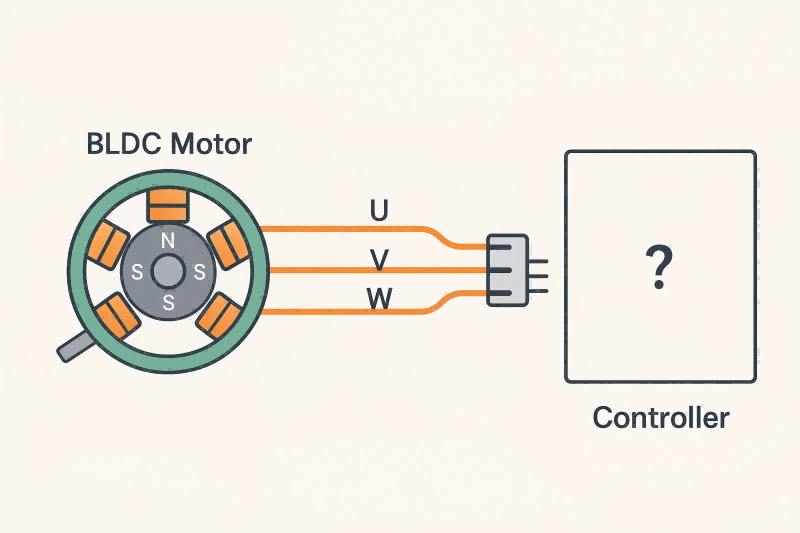
Common Mistakes Buyers Make When Evaluating BLDC Motors
When selecting Motor Brushless DC, many buyers unintentionally make decisions based on limited technical information. One common mistake is focusing only on the rated efficiency mentioned in the datasheet. While this number provides a quick reference point, it does not always reflect how the motor will perform under varying load conditions in real industrial applications.
Another mistake is ignoring overall system efficiency. Since BLDC motors rely on electronic controllers, the performance of the entire motor-controller system determines the actual efficiency achieved during operation. If buyers evaluate only the motor’s efficiency without considering the controller, the final system performance may fall short of expectations.
Some procurement teams also make the mistake of not requesting test reports or verification documents. Without standardized testing data or official reports, it becomes difficult to confirm whether the efficiency claims are based on real measurements or theoretical estimates. Reliable suppliers usually provide supporting documentation to validate their specifications.
Finally, choosing a motor primarily based on initial purchase price can lead to higher long-term costs. A cheaper motor may consume more electricity or require more maintenance over time. Buyers should also avoid overlooking controller compatibility, as an incompatible controller can reduce system efficiency and create performance issues in the final application.
Get High-Efficiency BLDCs for Your Industrial Applications – Connect With DMKE
Selecting the right BLDC setup requires more than reviewing a specification sheet. At DMKE, our engineers help industrial buyers evaluate efficiency data, performance curves, and controller compatibility to ensure the motor fits the exact application requirements.
Whether you get ready-made solutions or customized items, everything is made available to you after passing 8-step testing to ensure safety and efficiency altogether.
Visit our website or contact us today to get expert guidance, support, and motorized setups tailored to your exact needs.

 English
  English (Australia)
  English (Canada)
  Deutsch
  English (UK)
  Français