
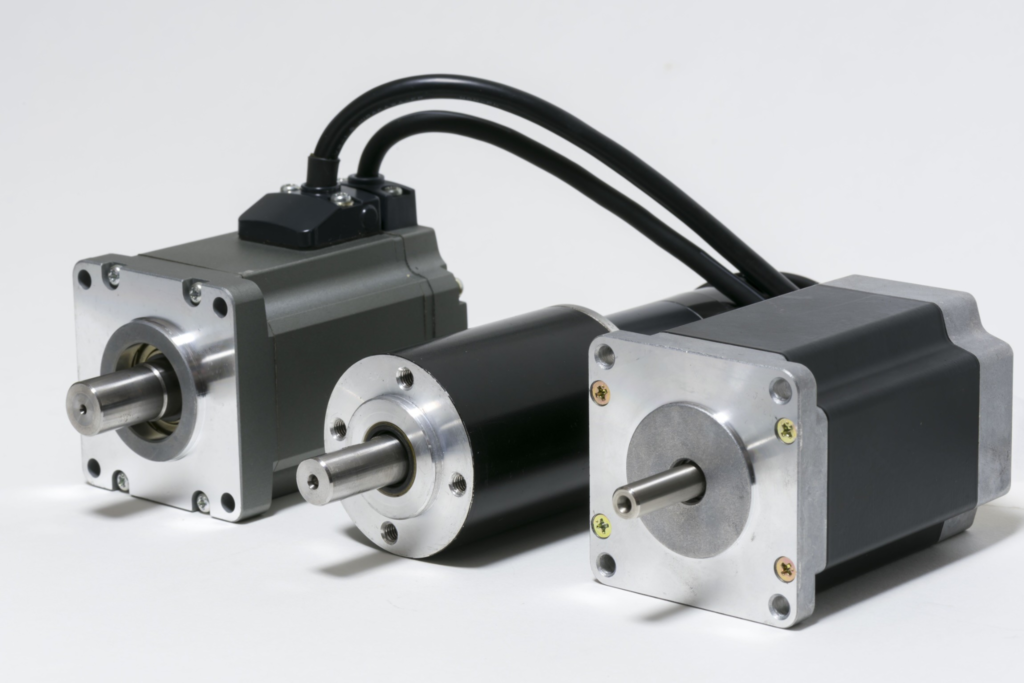
Many industrial machines operate for extended hours with little interruption, making continuous motor performance a critical factor during equipment selection. Whether used in automated production lines, packaging systems, robotics, or material handling equipment, a motor must maintain stable operation without overheating or losing accuracy. Understanding the continuous operating capability of a DC servo motor helps engineers select reliable motion control solutions for demanding applications.
Although servo motors are designed for precise speed, torque, and position control, not every servo system is intended to operate continuously under the same conditions. Factors such as load requirements, duty cycle, cooling methods, operating temperature, and motor sizing all influence long-term operating reliability during extended periods of use.
Running a servo motor continuously without considering these factors can lead to excessive heat, reduced efficiency, premature component wear, and unexpected equipment downtime. Proper system design, correct motor selection, and routine maintenance help ensure consistent machine performance while protecting the motor from unnecessary stress.
Industrial buyers should evaluate application requirements rather than assuming all servo motors have identical operating capabilities. Continuous-duty performance depends on the complete motion system, including the motor, drive, controller, feedback device, and operating environment, making proper system matching an essential part of equipment selection.
This guide explains whether a DC servo motor can run continuously, the factors that affect continuous operation, common industrial applications, expected lifespan, and practical methods for improving long-term reliability. It also provides engineering considerations to help manufacturers choose suitable servo solutions for continuous-duty industrial environments.
Can You Run a DC Servo Motor Continuously?
Yes, a DC servo motor can run continuously if it is designed for continuous-duty operation and is correctly matched to the application’s load, speed, and operating conditions. Continuous operation depends on proper motor selection rather than the motor type alone.
Many industrial servo systems are built to operate for long production cycles while maintaining accurate speed, torque, and position control. However, the motor must remain within its rated specifications to achieve stable continuous performance without excessive heat or unnecessary mechanical stress.
Continuous operation also depends on supporting components such as the servo drive, cooling system, feedback device, and power supply. A properly integrated system helps maintain reliable operating conditions even during extended production hours.
Industrial buyers should always review the motor’s continuous torque rating, duty cycle, and thermal limits before selecting a servo system. Choosing a motor based on actual operating requirements supports long-term equipment reliability while reducing the risk of unexpected downtime.
What Determines Whether a Servo Motor Can Run Continuously?
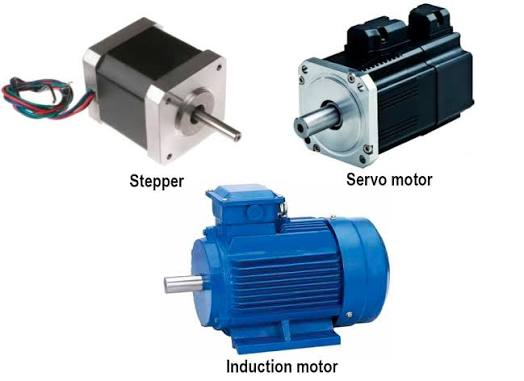
Several factors determine whether a servo motor can operate continuously without affecting performance or service life. Evaluating these conditions helps engineers achieve dependable continuous operation in industrial automation systems.
One of the most important factors is the motor’s continuous torque rating. Operating beyond this rating for extended periods can increase heat generation and reduce overall motor lifespan due to excessive thermal stress.
Proper cooling is equally important during continuous operation. Motors with effective heat dissipation systems are better able to maintain stable operating temperatures under demanding production conditions.
The application’s duty cycle, operating speed, environmental temperature, and load variations also influence continuous performance. Selecting a DC servo motor that matches these requirements helps achieve consistent industrial performance without unnecessary wear or reliability issues.
Continuous Duty vs Intermittent Duty in DC Servo Motors
Understanding the difference between continuous duty and intermittent duty is important when selecting a DC servo motor for industrial applications. Each duty type is designed for different operating conditions and directly affects motor performance, efficiency, and service life.
A continuous-duty servo motor is designed to operate for extended periods while maintaining its rated torque and speed without exceeding safe temperature limits. These motors are commonly used in production equipment requiring long-duration operation with minimal interruptions.
An intermittent-duty servo motor is intended to operate for shorter periods followed by cooling or rest intervals. It can often deliver higher peak torque for brief durations, making it suitable for frequent start-stop applications where continuous full-load operation is not required.
Choosing the wrong duty type can lead to overheating, reduced efficiency, and premature component wear. Engineers should evaluate operating hours, load profile, thermal conditions, and production requirements to ensure appropriate duty selection for the intended application.
| Feature | Continuous Duty | Intermittent Duty |
| Operating Time | Extended operation | Short operating cycles |
| Cooling Period | Not normally required | Required between cycles |
| Typical Applications | Conveyors, packaging lines, automation | Pick-and-place systems, indexing equipment |
| Thermal Performance | Designed for steady heat management | Designed for temporary peak loads |
| Primary Focus | Stable long-term operation | High short-term performance |
Factors That Affect Continuous Servo Motor Performance
Several operating conditions influence how well a DC servo motor performs during continuous operation. Understanding these factors helps engineers improve long-term motor reliability while reducing the risk of overheating, excessive wear, and unexpected downtime.
Load and Torque Requirements
The motor should be sized to handle both the continuous and peak torque demands of the application. Operating beyond the rated continuous torque for extended periods increases thermal stress and can reduce overall system efficiency during production.
Proper load calculations should include acceleration, deceleration, friction, transmission losses, and external forces. Matching the motor to the actual operating requirements supports stable torque delivery throughout continuous-duty applications.
Heat Generation and Cooling
Heat is one of the primary factors affecting continuous servo motor operation. As the motor operates, electrical and mechanical losses generate heat that must be dissipated to maintain safe operating temperatures.
Adequate ventilation, cooling methods, and installation practices help prevent excessive temperature buildup. Effective thermal management improves continuous operating performance and extends component life.
Duty Cycle
The duty cycle describes how long a servo motor operates under load compared with its rest or cooling periods. A motor selected for continuous-duty applications should have a suitable duty rating that matches the machine’s production schedule.
Operating a motor beyond its intended duty cycle can increase heat generation and accelerate wear. Engineers should evaluate actual production requirements to achieve reliable long-term operation.
Operating Environment
Environmental conditions such as ambient temperature, humidity, dust, vibration, and airflow directly influence motor performance. Challenging environments require appropriate environmental protection to maintain reliable operation throughout continuous production.
Selecting a DC servo motor designed for the intended working conditions helps reduce maintenance needs and supports consistent industrial reliability over its service life.
How Long Can a DC Servo Motor Run?
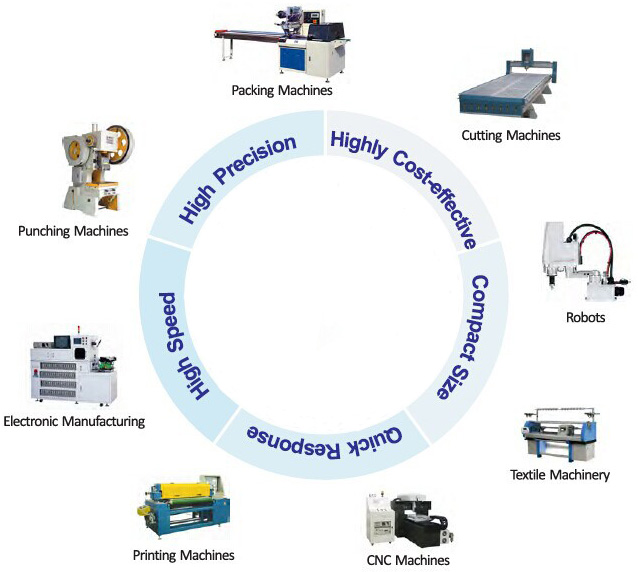
A DC servo motor can operate continuously for many hours or even around the clock, provided it is correctly sized, properly cooled, and used within its rated operating limits. The actual running time depends on application operating conditions rather than the motor technology alone.
Manufacturers typically specify continuous torque ratings and duty cycle limits that indicate how long the motor can operate safely under a given load. Operating within these specifications helps maintain stable thermal performance while reducing unnecessary component stress.
The motor’s lifespan during continuous operation is also influenced by bearing condition, cooling efficiency, operating temperature, and maintenance practices. Regular inspection and proper installation support extended service life even in demanding industrial environments.
Instead of focusing only on operating hours, industrial buyers should evaluate whether the motor can maintain the required speed, torque, and positioning accuracy throughout the production cycle. Selecting a properly rated DC servo motor helps achieve reliable continuous operation with minimal downtime.
What Happens If a Servo Motor Runs Continuously?
A properly selected servo motor can operate continuously without performance issues when used within its design specifications. However, operating beyond rated limits or under unsuitable conditions can create excessive thermal stress and reduce overall system reliability.
One of the first effects of excessive continuous operation is heat buildup. High temperatures can damage insulation, reduce bearing life, weaken permanent magnets, and affect motor operating efficiency over time.
Continuous overloading may also reduce positioning accuracy and increase mechanical wear on bearings and other moving components. As these parts wear, the motor may experience reduced motion precision and require additional maintenance.
Servo drives often include thermal protection and monitoring functions that help prevent damage during prolonged operation. These safety features protect the motor by reducing output or stopping operation when critical temperature limits are exceeded.
Industrial users can minimise these risks by selecting the correct motor size, maintaining proper cooling, following recommended duty cycles, and performing regular inspections. These practices support long-term operational reliability in continuous-duty applications.
Advantages and Limitations of Continuous Servo Motor Operation
Continuous servo motor operation offers several benefits for industrial automation, particularly in applications requiring accurate motion and uninterrupted production. A properly selected DC servo motor can provide consistent operational performance while maintaining precise speed, torque, and position control throughout extended operating periods.
One major advantage is improved productivity because continuous operation reduces unnecessary machine stops and supports stable manufacturing processes. Accurate motion control also helps achieve repeatable production quality across long production runs.
Servo motors operating continuously can also provide better synchronisation between multiple machine axes, supporting complex automation systems that require coordinated machine movement during high-speed production.
However, continuous operation also increases the importance of proper motor sizing, thermal management, and routine maintenance. Without suitable operating conditions, excessive heat and mechanical stress can reduce overall system reliability and shorten component life.
Industrial buyers should evaluate application demands, operating hours, and environmental conditions before selecting a servo system for continuous-duty applications. Proper engineering decisions help achieve long-term operating efficiency while minimising maintenance requirements.
Common Industrial Applications Requiring Continuous Servo Operation
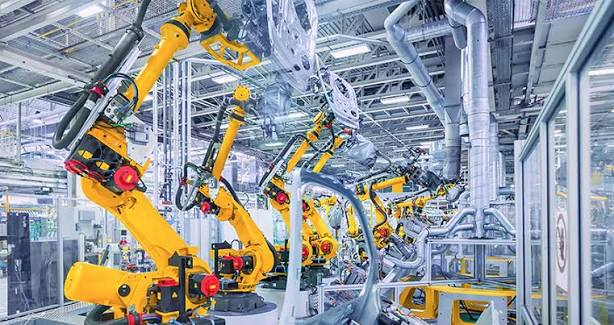
Many industrial processes require servo motors to operate continuously while maintaining accurate speed, torque, and positioning. Selecting the right DC servo motor for these applications helps ensure reliable production performance throughout extended operating cycles.
Packaging and labelling equipment often runs continuously to meet production targets. Servo systems control filling, sealing, cutting, and product transfer operations with consistent motion accuracy while maintaining synchronisation across multiple machine functions.
Conveyor systems, automated assembly lines, and material handling equipment also rely on continuous servo operation to move products efficiently through manufacturing processes. Stable motor performance supports smooth production flow and reduces interruptions caused by positioning errors.
Printing machinery, textile equipment, semiconductor manufacturing systems, and laboratory automation also benefit from continuous servo operation. These applications require precise repetitive movement to maintain product quality and operational efficiency over long production periods.
Choosing a servo motor that matches the machine’s load profile, duty cycle, and operating environment helps manufacturers achieve dependable industrial automation while extending equipment service life.
How to Improve the Lifespan of a Continuously Running DC Servo Motor
Improving the lifespan of a continuously running DC servo motor begins with selecting a motor that matches the application’s load, speed, and duty cycle. Proper sizing helps prevent premature component wear caused by overloading or excessive thermal stress.
Maintaining effective cooling is equally important for continuous-duty applications. Adequate ventilation, proper airflow, and suitable ambient operating conditions help maintain stable operating temperatures and reduce the risk of overheating.
Routine maintenance should include inspecting bearings, electrical connections, feedback devices, and servo drives for signs of wear or damage. Preventive maintenance supports reliable system operation and helps identify potential issues before they cause unexpected downtime.
Engineers should also monitor motor performance during operation by tracking temperature, vibration, current draw, and load conditions. Regular performance monitoring helps maintain long-term equipment reliability while extending the motor’s service life.
Common Mistakes to Avoid During Continuous Operation
One common mistake is operating a servo motor above its continuous torque rating for extended periods. Continuous overloading creates excessive thermal stress that can reduce motor efficiency and shorten component life.
Another mistake is selecting a motor based only on peak torque instead of evaluating the complete duty cycle. Proper motor sizing requires engineers to consider continuous operating requirements as well as temporary load demands.
Poor ventilation, inadequate cooling, and harsh environmental conditions can also affect motor reliability. Ignoring these factors may result in reduced cooling efficiency and increase the likelihood of overheating during continuous operation.
Finally, neglecting routine inspection and preventive maintenance can allow minor issues to develop into major equipment failures. Regular maintenance and correct operating practices help ensure dependable servo performance throughout the motor’s operating life.
Choosing the Right DC Servo Motor for Continuous Applications
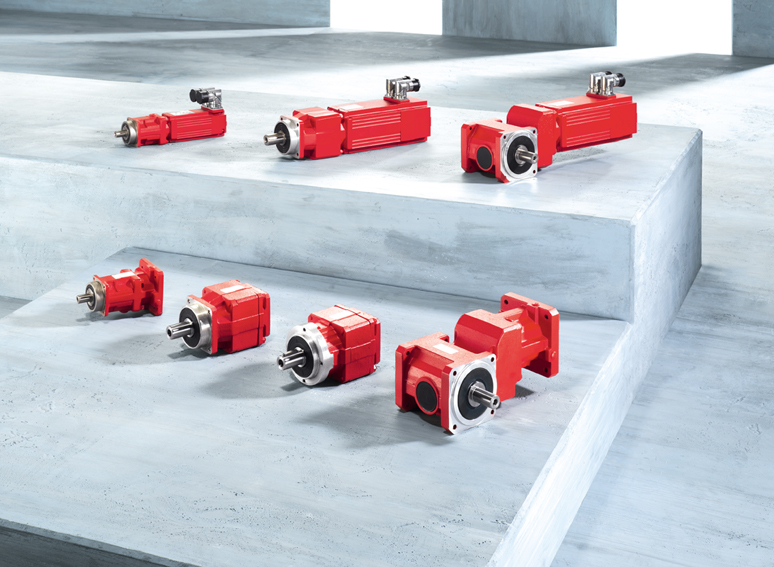
Running a servo motor continuously is possible when the system is properly designed, correctly sized, and operated within its rated specifications. Selecting the right DC servo motor requires evaluating load conditions, duty cycle, cooling requirements, and environmental factors to achieve reliable long-term operation.
Continuous-duty applications benefit from servo motors that provide stable speed, accurate positioning, and dependable torque while maintaining safe operating temperatures. Matching the motor to the application’s actual requirements supports efficient industrial performance without unnecessary wear or downtime.
Industrial buyers should consider the complete motion system, including the motor, drive, controller, and feedback device, rather than evaluating individual components separately. A well-integrated system delivers consistent motion control throughout extended production cycles.
DMKE provides high-quality DC servo motor solutions with engineering support, customisation capabilities, and rigorous testing for demanding industrial environments. Visit our website or contact us today to explore application-specific servo solutions designed for reliable continuous operation.

 English
  English (Australia)
  English (Canada)
  Deutsch
  English (UK)
  Français