 跳到内容
跳到内容 
The rapid evolution in modern technology and automation in industries has redefined how motors carry out their operation to run the dependent machines. Now, we have better expectations of how a machine will move, respond, and interact with its environment.
Whether you talk about intelligent manufacturing lines, collaborative robots, electric mobility vehicles, or precision medical systems, the quality of their work is not just defined by the speed of their motion. Rather, it is defined by how smart these devices are, how well they work, and how well they meet the growing demands placed on them.
At the core of all of these transformations and advancements lie just two critical components: a motor and its driver. These components, although they play a very important role, are often underestimated when tracing a system’s trajectory of advancement.
Traditional motor and drive systems, once sufficient for basic-level industrial tasks, are unfortunately no longer capable of meeting the intense demands of today’s high-speed systems. These traditional setups are not capable of delivering the kind of accuracy, efficiency, compactness, and real control that is required for modern systems.
Next-gen applications now demand motion solutions that are not just able to deliver high torque in smaller footprints, but are also capable of responding instantly to changes in external loads and intensity of external situations. Now we need advanced motors and drives that can integrate and blend with digital control architectures without requiring a lot of intervention. This shift in requirements has changed motors and drivers from simple powering and rotation devices into intelligent, performance-based driving systems that are capable of monitoring themselves on their own.
Advanced motors, when paired with equally advanced drivers, form the foundation of modern motion control. These powerful systems together enable precise positioning while ensuring smooth regulation of speed. Their intricate and fast systems also make them capable of offering improved energy efficiency along with enhanced system reliability, all while ensuring a compact footprint. With industries moving towards automation, electrification, and data-driven operations, the role of these advanced systems becomes even more intense and demanding.
In this article, we explore how next-gen motors and drives will shape the future of motion control, why such solutions are needed, and how they are engineered with performance and adaptability to become essential for enhancing applications.
Evolution of Motor & Driver Technology
As we have already been saying, motors, machines, and other motorized setups have undergone a lot of advancement in the past few decades. So much so that it is not hard to say that there has been a complete transformation in motor technology in the past 20 years.
This advancement has been driven by the increasing need of industries for higher efficiency, better control, and increased system intelligence. Earlier, conventional industrial applications relied solely on basic AC and DC setups that operated at fixed speeds and offered limited control through mechanical and analog electronic methods.
Although those systems were robust, they lacked the precision and flexibility that is required for modern industries. As industries began demanding variable speed operations, smoother motion, and improved usage of energy under consistently changing loads, we got better electric motors and drivers that emerged as a key advancement.
Variable drives and basic servo drives ensured better speed regulation and torque control. However, they still operated with limited feedback and exhibited relatively slow response times. System tuning in such systems was often manual, and their performance varied significantly during long operations in extreme environments, due to which their usage became less frequent over time.
The next major shift came with the introduction of digitally controlled electric servo motors as well as their intelligent controllers. These components integrated high-resolution feedback devices with faster processing and control. All of this enabled precise positioning, speed, and torque control for these next-gen systems. Motors were no longer isolated components, but rather became part of a coordinated motion system that was capable of real-time adaptation regardless of external environments.
Looking at most of the major automation systems today, advanced motors and drivers continue to evolve towards compact design and smaller footprints, allowing for smarter control. Modern solutions have the capability to combine power electronics, control intelligence, and several communication interfaces into unified platforms. This sets the foundation for next-gen applications that not only demand work but are also reliable.
What Defines “Advanced” Motors and Drivers Today?
Now that all modern systems are capable of exhibiting smarter features and advanced working, one might question if all of them are being run with advanced motors and drives. The truth is, not all modern motorized setups truly qualify as advanced. This is because not all motors are next-gen, and similarly, not all systems can be referred to as next-generation systems.
What basically sets advanced motors and drives apart from conventional motors and drives is their ability to deliver high performance consistently while adapting to intricate operating conditions. There are several other defining characteristics of these setups as well that distinguish them from conventional solutions, some of which we are going to discuss further below.
High torque density in compact bodies is one of the most distinguishing characteristics of advanced motors and drives. Such a feature allows machines to achieve better output without adding more to their weight or body dimensions. This is especially important in robotics, automated equipment, and mobile platforms, where space is limited, and performance is measured in a dynamic sense.
Moreover, precision control and fast dynamic response enable smoother motion, accurate positioning, and stable operation even during rapid acceleration, deceleration, and load changes. Advanced drivers use high-speed digital processing to maintain control accuracy in real-world operating conditions.
Intelligent feedback and sensing capabilities are another feature of next-generation systems. These two together play a critical role in optimizing system performance. Higher-resolution encoders and sensor-based feedback help with closed-loop control and can ensure accuracy and minimize the risk of error across operating cycles.
Energy efficiency and thermal optimization are also very important when defining the advancement level of any motor or driver. Improved electromagnetic design, along with efficient power electronics and intelligent current management, reduces overall losses and limits heat generation. All these features extend the lifespan of advanced systems.
Lastly, seamless communication between the motor and driver completes the picture of advancement in its true sense. Advanced motors and drives can operate as a unified unit, simplifying integration, improving diagnostics, and enabling compatibility with modern automation and network controls.
Together, all these characteristics define the new standard for motors and drivers and help us figure out if these systems are built to support the demands of advanced industrial automation and other next-gen industrial processes and applications.
Role of Advanced Drivers in Next-Gen Motion Control
When we talk about modern motion systems, the motor cannot define the performance alone. Rather, the driver, which is often also referred to as the motor’s control and power management unit, plays an equally critical role.
As applications become increasingly dynamic and precision-driven, advanced drivers have emerged as the key enablers of stable, accurate, and intelligent motion. Traditional motor drivers were primarily responsible only for supplying power and controlling basic speed. However, next-generation appliances go far beyond this.
They now process real-time feedback from sensors and encoders and execute complex control algorithms. These drivers also continuously adjust current, timing, and voltage to maintain optimal motor behavior under changing external conditions.
Another major advancement is digital multi-loop control. In such control systems, current, speed, and position loops operate simultaneously. This layered control architecture enables quick response, smooth motion, and precise positioning, even under load changes and at high speeds. Advanced drivers can also compensate for things like ripple in torque, vibration, and mechanical backlash.
Diagnostic and protection capabilities of modern drivers are also very important. Features such as overcurrent protection, thermal monitoring, fault detection, and predictive maintenance support are quite common in advanced drivers. These features help improve system reliability and reduce downtime, making them ideal for industrial usage. These capabilities are especially important in automated and unattended operations.
From an integration perspective, advanced drivers help simplify system design. Compact form factors, standardized communication protocols, and seamless motor–driver matching reduce commissioning time and improve the overall efficiency of a system.
At DMKE, we provide motors with advanced custom-matched drivers that are engineered with a system-level approach in mind. This helps ensure that your motors operate at their best while also maintaining long-term stability and accuracy of control.
Key Next-Gen Applications Driving Demand
The rapid adoption of advanced motors and drivers is being fueled by a wide range of next-generation applications. These applications share their need for precise, efficient, and reliable motion under increasingly complex operating conditions. Below are some of the next-gen applications where all these requirements are the most apparent.
- Industrial Automation and Robotics
Modern systems rely on fast, repeatable, and accurate motion. Robotic arms, pick-and-place systems, and robots require motors with high torque density and drivers capable of precise position and speed control. Advanced servo systems enable smooth trajectories, reduced cycle times, and consistent performance across continuous operation.
- Electric Mobility and Autonomous Guided Vehicles (AGVs)
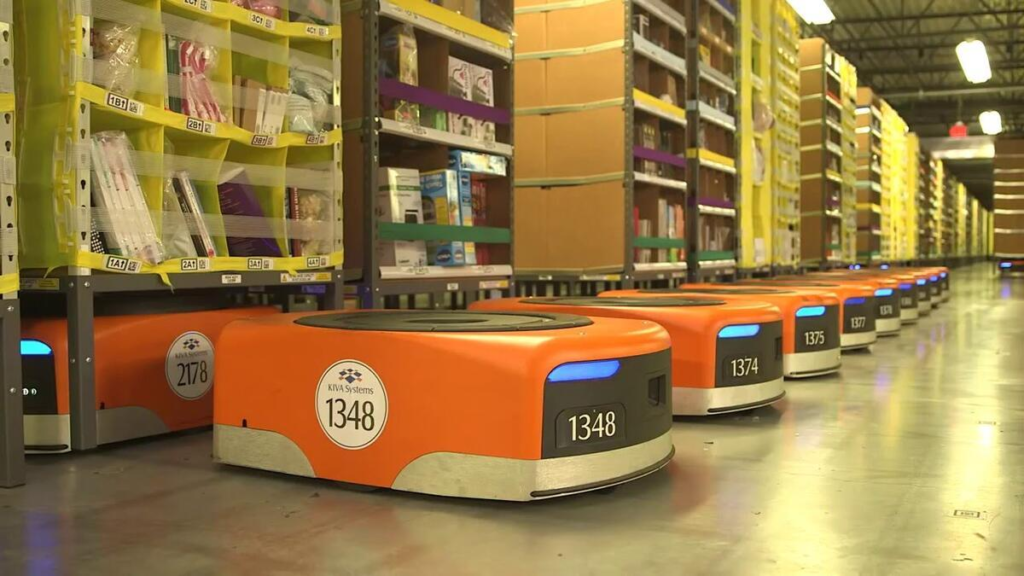
Electric mobility platforms, including AGVs and mobile robots, demand compact and energy-efficient motion systems. Advanced motors paired with intelligent drivers deliver performance while optimizing power consumption, extending operational time, and ensuring stable motion in dynamic environments.
- CNC Machines and Smart Manufacturing Equipment
Precision machining and smart manufacturing systems depend on accurate speed regulation and minimal vibration. Advanced motor and driver combinations provide the control stability required for high-quality surface finishes, tight tolerances, and synchronized multi-axis motion.
- Medical and Laboratory Equipment
In medical devices and laboratory automation, motion control must be quiet, precise, and highly reliable. Advanced motors enable micro-level positioning, while intelligent drivers ensure smooth operation and consistent accuracy, supporting sensitive diagnostic and analytical processes.
Comparison: Traditional vs Advanced Motor & Driver Systems
| Parameter | Traditional Motor & Driver Systems | Advanced Motor & Driver Systems |
| Control Method | Basic open-loop or limited feedback | Full closed-loop digital control |
| Motion Precision | Moderate, load-dependent | High precision with consistent accuracy |
| Dynamic Response | Slow response to speed or load changes | Fast response with real-time adjustment |
| Torque Density | Lower torque output for a larger size | High torque density in compact designs |
| Energy Efficiency | Higher losses and heat generation | Optimized efficiency and reduced losses |
| Feedback & Sensing | Minimal or optional feedback | High-resolution encoders and sensors |
| Thermal Management | Passive or limited cooling | Intelligent thermal and current management |
| Diagnostics & Protection | Basic protection | Advanced diagnostics and predictive monitoring |
| System Integration | Separate motor and drive components | Seamless motor–driver matching and integration |
| Suitability for Next-Gen Applications | Limited | Designed for robotics, automation, and smart systems |
Integration Trends: Motors, Drivers, and Intelligent Control
A major shift in modern motion control technology is the move from basic setups towards tighter integration-based and advanced motors and drives, as well as end-control intelligence. Rather than simply treating them as different entities, modern systems are made with a focus on creating unified motion platforms that operate as a single optimized unit.
Integrated motor and driver systems reduce the overall complexity of wiring, minimize signal losses, and simplify installation. By embedding control electronics closer to the motor, response time improves, and reliability increases. Such an approach also reduces space requirements, which is an important factor in compact and mobile applications.
Another major trend is the adoption of standardized communication protocols. These allow motors and drivers to interact seamlessly with high-level controllers and automation systems. This connectivity supports real-time parameter adjustment, monitoring, and diagnostics, which aligns motion systems with Industry 4.0 and smart factory environments.
As intelligence becomes more embedded, motors are no longer just passive components. Rather, they actively control and contribute data related to performance and operating conditions, thus enabling smarter decision-making at industrial levels.
Performance Challenges and How Advanced Systems Address Them
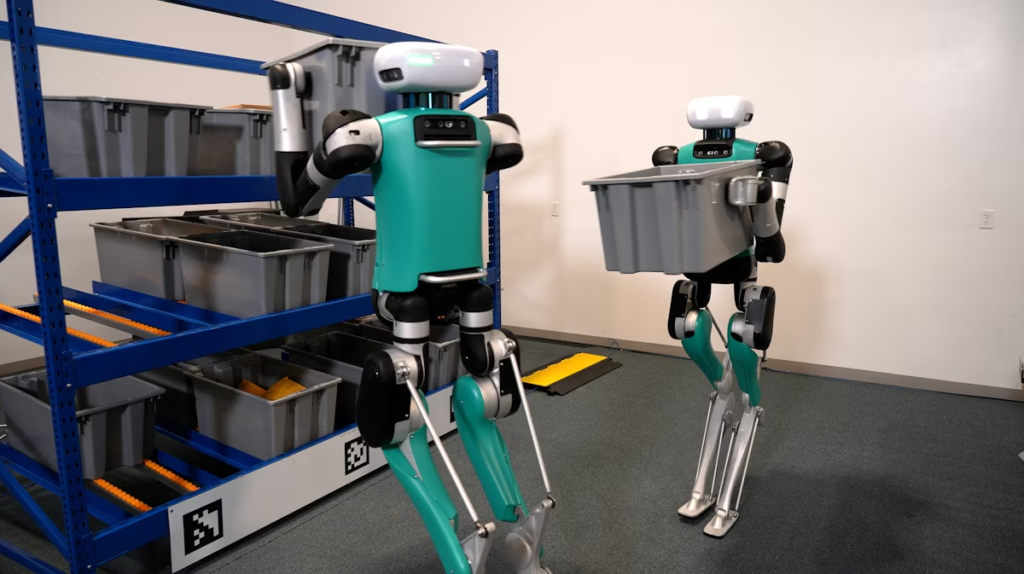
Despite rapid technological progress, motion control systems keep facing performance challenges. This is becoming even more obvious as machines become faster, smaller, and more complex. Advanced motors and drivers are designed specifically to overcome these limitations.
Torque ripple and instability can reduce positioning accuracy, leading to wear. Advanced control algorithms and high-resolution feedback enable drivers to compensate for these effects, ensuring smooth, stable motion.
Thermal management is another critical challenge, especially in compact designs. High-performance motors generate heat under dynamic loads, but intelligent current control and optimized electromagnetic design help regulate temperature and maintain efficiency without sacrificing output.
Accuracy under variable load conditions is also important in automation and robotics. Advanced drivers continuously adapt to changing loads, maintaining consistent speed and position control even in demanding operating environments.
Electromagnetic interference (EMI) and system reliability are addressed through improved power electronics, shielding, and control design, ensuring stable operation in electrically noisy industrial settings.
By addressing these challenges at both the motor and driver levels, advanced systems deliver reliable performance where traditional solutions fall short.
Why DMKE Motors and Drivers Align with Next-Gen Requirements?
Next-generation applications require more than incremental improvements. These applications now demand motion solutions engineered for precision, efficiency, and adaptability. DMKE’s approach to motor and driver design reflects this shift toward system-level performance.
DMKE offers a comprehensive range of advanced motors and matching drivers designed to work together seamlessly. With a focus on high torque density, precise control, and efficient thermal management, these solutions support demanding applications across automation, robotics, and intelligent machinery.
Equally important is scalability. DMKE motor systems are designed to integrate smoothly into a wide variety of architectures, allowing engineers to build flexible, future-ready machines without compromising performance or reliability.
Rather than treating motors and drivers as standalone components, DMKE emphasizes coordinated system design. This ensures that motion performance remains consistent, predictable, and optimized across real-world operating conditions.
Future Outlook: What’s Next in Motor and Driver Technology?
The future of motion control will be defined by greater intelligence, higher integration, and improved energy optimization. Advanced motors and drives will continue to evolve from purely mechanical and electrical components into data-rich, adaptive systems.
Artificial intelligence and advanced software algorithms are further expected to enhance control accuracy, fault prediction, and self-optimization. At the same time, increasing integration will lead to smaller, lighter, and more powerful motion systems that are suitable for compact and mobile applications.
It goes without saying that energy efficiency will remain a central focus, driven by sustainability goals and operational cost considerations. Future motors and drivers will be designed not only to perform efficiently but also to actively contribute to energy management strategies across entire systems.
As these trends converge, advanced motion solutions will play a foundational role in shaping the next generation of intelligent machines.
Smartly Powering the Machines of Tomorrow – Connect With DMKE Today!
Motors and drivers are no longer simple mechanical enablers. Rather, these have evolved as strategic components that define how modern machines move, perform, and evolve. As industries transition toward automation and intelligent operation, the demand for advanced motion systems continues to grow.
Next-generation applications require precision, efficiency, reliability, and adaptability. All such qualities can only be achieved via carefully engineered motor and driver solutions. By combining intelligent control, high-performance design, and seamless integration, advanced systems provide the foundation for future-ready machines.
At DMKE, we are committed to innovation. Our experts are crafting motor and driver technology to meet all your advanced needs. You can also opt for custom motion solutions made with high-quality components, rigorously tested before being handed over to our clients.
Visit our website and connect with us to explore DMKE’s range of high-performance motors and intelligent drivers designed to meet the demands of modern automation, robotics, and precision systems.

 English
  English (Australia)
  English (Canada)
  Deutsch
  English (UK)
  Français