
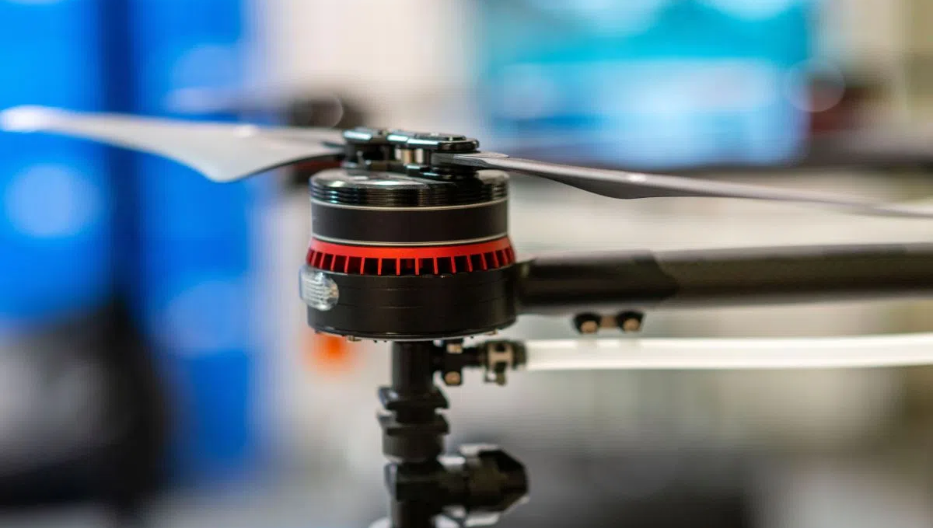
Modern drones are no longer limited to hobby flying. They now support industrial inspection, aerial mapping, agriculture monitoring, logistics, and surveillance operations where performance reliability matters as much as flight capability. Yet many buyers still underestimate how strongly motor selection influences flight stability, payload capacity, and operational efficiency. Choosing the wrong configuration often leads to overheating, reduced flight time, unstable hovering, or premature component failure.
A drone’s propulsion system determines how efficiently energy is converted into lift and maneuverability. Factors such as torque output, RPM behavior, cooling efficiency, and weight balance directly affect how smoothly the aircraft performs under real working conditions. For commercial operators and industrial buyers, selecting a motor is not simply a technical decision but a long-term investment impacting maintenance costs, productivity, and mission reliability.
With multiple motor designs available, including brushed and brushless configurations along with different speed ratings and structural formats, buyers frequently struggle to identify which option truly fits their application. Marketing specifications alone rarely explain real-world performance differences or compatibility considerations, making practical evaluation guidance essential before finalizing any purchase decision.
This guide explains what type of motor is best for drones by breaking down motor technologies, RPM requirements, efficiency comparisons, and practical selection factors. Rather than focusing on theoretical explanations, the article emphasizes buyer decision guidance so industrial users can evaluate drone motor options based on real application needs and operational expectations. So, read on:
What Type of Motors Do Drones Use?
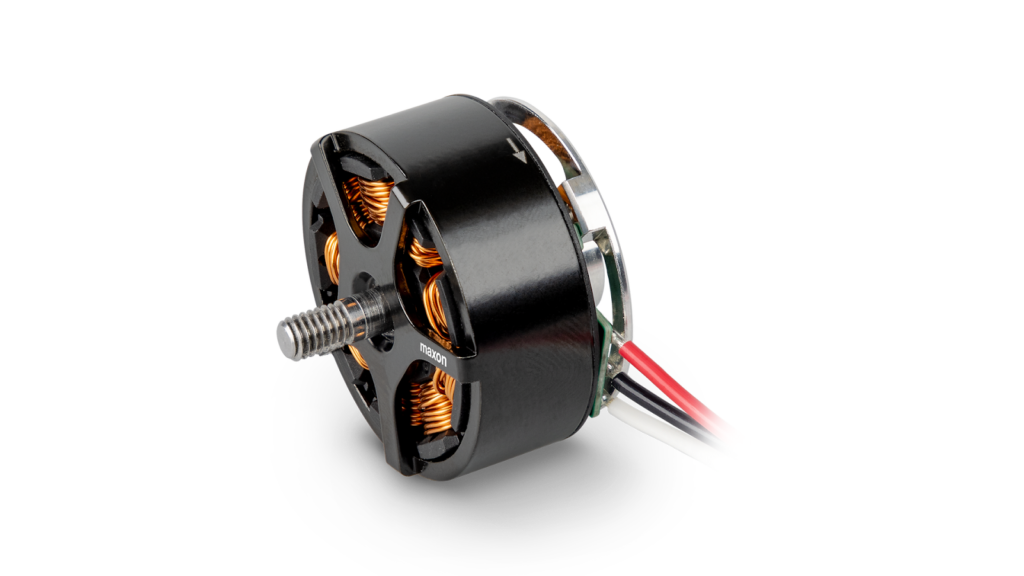
Drone propulsion technology has evolved rapidly as aerial platforms moved from hobby devices to professional industrial tools. Modern drones require motors capable of delivering controlled thrust, efficient energy usage, and stable maneuverability because flight performance depends heavily on balanced power delivery. Understanding motor categories allows buyers to evaluate which systems align with operational expectations.
- Core Drone Motor Categories
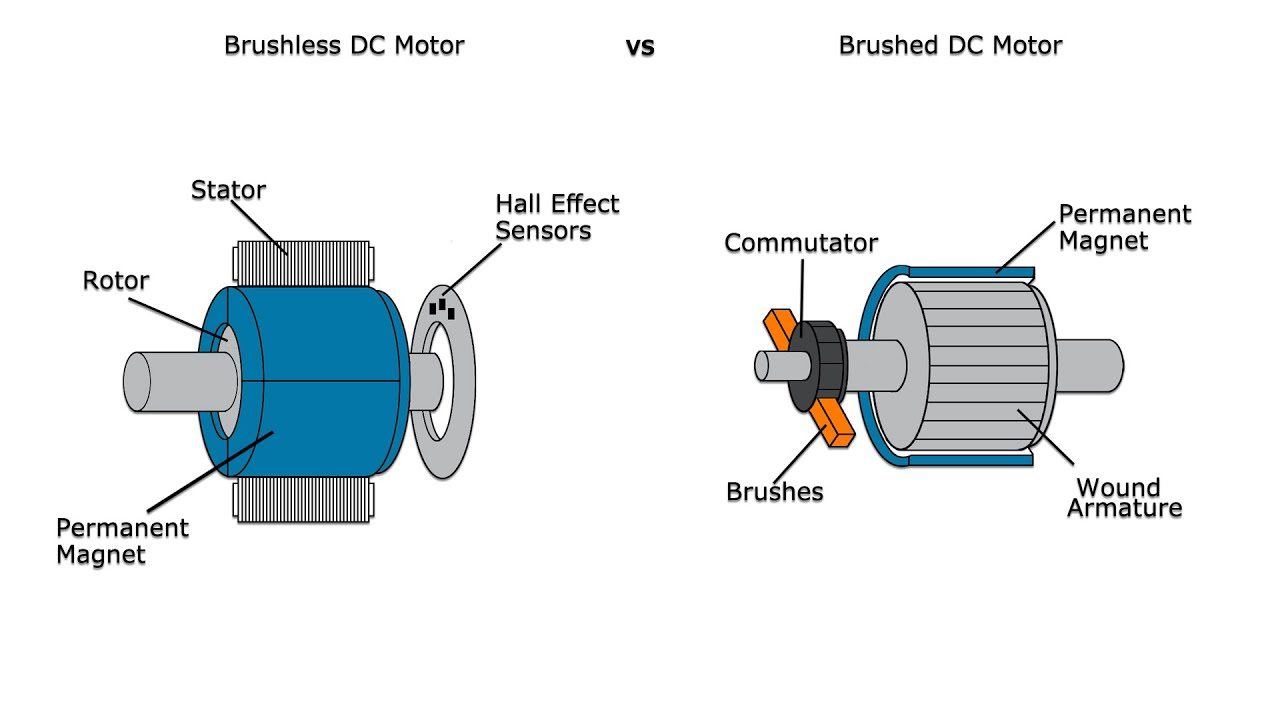
Brushed motors were among the earliest propulsion solutions used in lightweight drones. These motors operate through physical electrical contacts that transfer current to rotating components, making them simple and cost-effective. However, friction generated inside the motor leads to heat buildup and faster wear, which limits their suitability for applications requiring continuous operational reliability.
Brushless motors represent the modern standard used across commercial and industrial drones. Instead of mechanical brushes, electronic controllers in BLDCs regulate current flow, enabling smoother rotation and improved efficiency. This design reduces maintenance requirements while improving flight precision, making brushless systems ideal where long-term performance stability is essential.
Motor construction also differs between inrunner and outrunner configurations. Inrunner motors spin internally and typically achieve higher rotational speeds but generate less torque. Outrunner motors rotate externally, producing stronger torque output suited for larger propellers and lifting tasks where efficient thrust generation directly affects flight capability.
Why Modern Drones Prefer Specific Designs?
Efficiency remains one of the most important considerations in drone engineering because airborne systems rely entirely on limited battery capacity. Motors that convert electrical energy more effectively allow longer flight durations and improved mission productivity. For industrial users, this translates into extended operational endurance without increasing battery size or weight.
The weight-to-power ratio also plays a critical role in propulsion selection. A heavier motor may generate strong output but negatively impact flight balance and energy consumption. Modern drone designs, therefore, prioritize lightweight motors capable of producing high torque, ensuring optimized lift efficiency while maintaining aerodynamic stability.
Stable flight control requires motors capable of precise speed adjustments under changing conditions, such as wind resistance or payload variation. Advanced motor designs respond quickly to electronic control signals, enabling smooth hovering and accurate positioning. These characteristics support applications where precision flight control directly determines operational success.
Drone Motor Types Explained for Industrial Applications
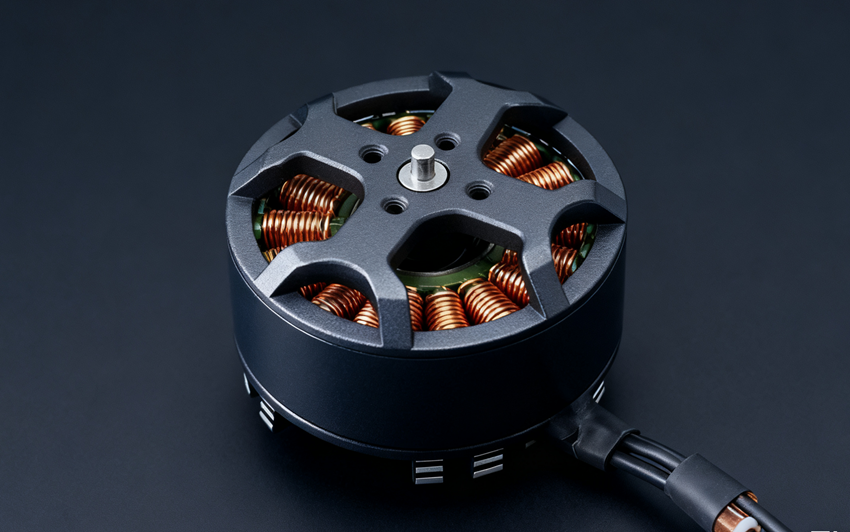
Industrial drone operations demand deeper evaluation beyond basic motor categories because performance expectations increase significantly under professional workloads. Motors must handle sustained operation, environmental stress, and varying payload conditions while maintaining consistent output. Understanding detailed motor behavior helps buyers make engineering-informed decisions rather than relying solely on specification comparisons.
Brushless DC Motors (BLDC)
Brushless DC motors operate using electronically controlled magnetic fields that rotate the motor shaft without physical contact between moving electrical components. This eliminates friction losses commonly found in older designs and allows smoother energy transfer during operation. The result is high-efficiency performance suitable for demanding aerial missions.
Torque characteristics of BLDC motors make them particularly effective for drone propulsion. They generate strong torque even at lower speeds, enabling propellers to produce stable lift during takeoff and hovering phases. This predictable torque response ensures consistent thrust output across varying flight conditions.
Cooling efficiency also improves significantly in brushless designs because reduced friction lowers internal heat generation. Many drone motors incorporate airflow-optimized housings that dissipate heat during rotation, preventing thermal stress during long flights. Effective temperature control supports extended duty operation required in industrial environments.
Industrial drones used for inspection, mapping, or agricultural monitoring rely heavily on BLDC motors because reliability directly affects mission outcomes. These motors provide stable performance across repeated flight cycles, reducing maintenance downtime and improving operational predictability through durable motor architecture.
Outrunner vs Inrunner Motors
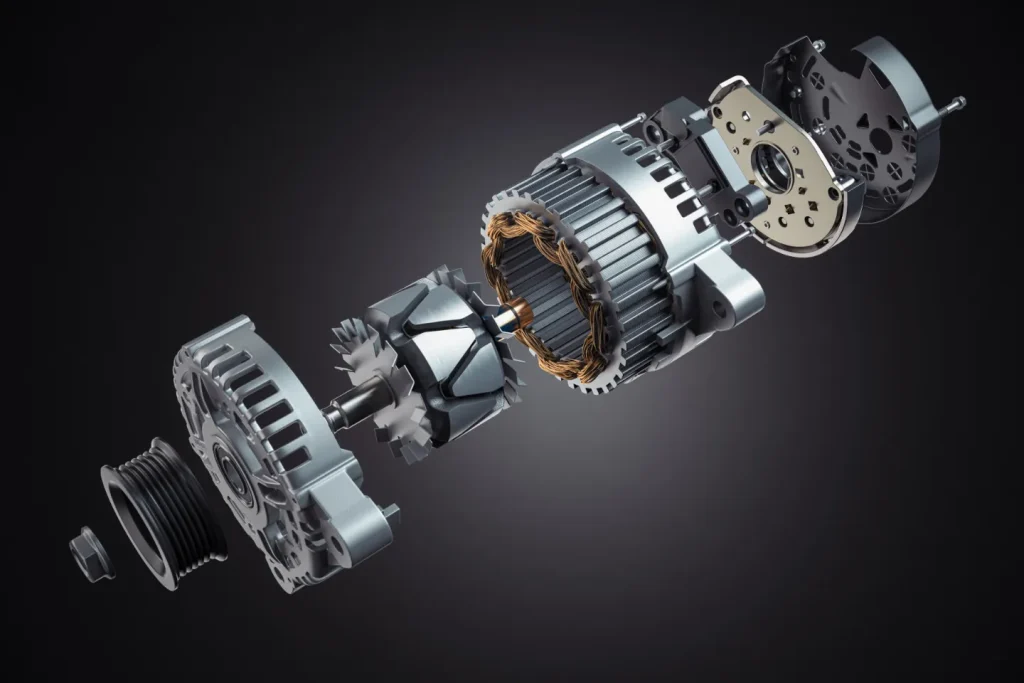
Structural differences between outrunner and inrunner motors significantly influence drone behavior. Inrunner motors contain rotating components inside a stationary outer shell, enabling higher speeds but limiting torque production. This configuration works best when applications prioritize compact size and high rotational velocity.
Outrunner motors reverse this structure by rotating the outer housing itself, increasing torque output while operating at lower RPM ranges. Higher torque allows larger propellers to move more air efficiently, which improves lift capability and reduces energy waste during hovering. For most drones, this creates superior lift efficiency compared to inrunner alternatives.
Payload suitability becomes a key deciding factor when choosing between these designs. Heavy lift drones benefit from outrunner motors due to stronger torque characteristics, while specialized high speed platforms may use inrunners for responsiveness. Buyers should evaluate propulsion requirements based on payload-driven selection rather than theoretical speed advantages.
Specialized Motors Used in Professional Drones
Professional drone systems often integrate specialized motors tailored for specific operational roles. High-efficiency propulsion motors focus on maximizing thrust while minimizing energy consumption, enabling longer missions without increasing battery load. These designs support applications requiring maximum flight endurance across large operational areas.
Precision gimbal motors represent another category designed for stabilization rather than propulsion. These motors control camera orientation with extremely fine adjustments, ensuring vibration-free imaging during movement. Accurate stabilization enables industries such as surveying and cinematography to achieve high-precision imaging results.
Heavy lift drone configurations require motors engineered to manage substantial payload weight while maintaining stability. These systems emphasize torque strength, thermal durability, and reinforced construction to handle demanding workloads safely. Selecting appropriate motors ensures reliable payload transport without compromising flight control or efficiency.
Motor Comparison for Drone Applications
| Motor Type | Torque Output | Efficiency Level | Typical Drone Application |
| Brushed Motor | Low | Moderate | Toy and entry-level drones |
| Brushless DC Motor | High | Very High | Commercial and industrial drones |
| Inrunner Motor | Medium | High | High-speed specialty drones |
| Outrunner Motor | Very High | High | Camera, delivery, heavy lift drones |
| Gimbal Motor | Low torque precision | High accuracy | Camera stabilization systems |
Are Brushless Motors Better for Drones?
Brushless motors have become the industry standard in modern drone engineering because they solve many performance limitations associated with older motor technologies. By removing mechanical brushes, these motors reduce internal friction and energy loss, enabling drones to achieve greater power efficiency while maintaining stable flight characteristics across varying speeds.
One major advantage of brushless motors is durability. Since fewer components physically wear during operation, maintenance requirements decrease significantly compared to brushed alternatives. This reliability becomes especially valuable for commercial drones operating in demanding environments where continuous flight operation is required without frequent servicing interruptions.
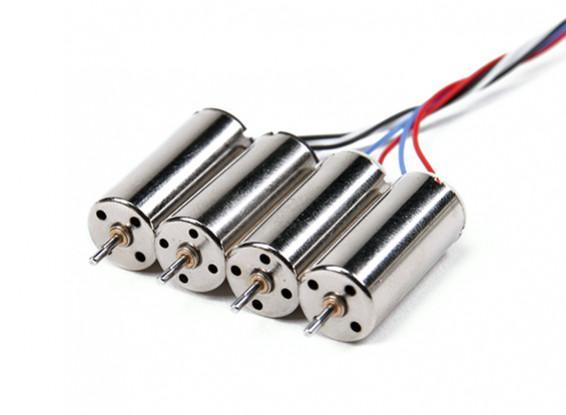
Efficiency improvements also translate directly into longer flight times. Brushless motors convert electrical energy into mechanical motion more effectively, allowing batteries to last longer under comparable loads. For industrial drone users, extended endurance means improved productivity and reduced operational downtime, creating measurable cost benefits over long-term deployment.
Another critical benefit involves precision control. Electronic speed controllers regulate brushless motors with high accuracy, enabling smoother acceleration, stable hovering, and improved maneuverability. These characteristics are essential for aerial photography, inspection work, and surveying missions where flight stability accuracy directly affects data quality and operational safety.
Although brushed motors may still appear in entry-level or toy drones due to lower cost, professional and industrial applications overwhelmingly favor brushless technology. Their combination of efficiency, lifespan, and performance consistency makes them the preferred solution when buyers prioritize reliable aerial performance instead of short-term savings.
How Much RPM Motor Is Required for Drones?
Motor RPM plays a critical role in determining how efficiently a drone generates lift and maintains stable flight. RPM refers to how many rotations a motor completes per minute, directly influencing thrust production, responsiveness, and energy consumption during operation. Selecting the correct RPM range ensures balanced flight performance without overloading the propulsion system or reducing battery efficiency.
In drone propulsion systems, RPM is closely linked to the motor KV rating, which indicates how many revolutions per minute a motor produces per volt supplied under no load conditions. Higher KV motors spin faster and suit lightweight drones focused on agility, while lower KV motors generate the stronger torque required for lifting heavier payloads. Understanding this relationship helps buyers achieve proper motor matching between propeller size, battery voltage, and flight objectives.
Higher RPM values do not automatically translate into better drone performance. Excessive rotational speed can introduce vibration, reduce aerodynamic efficiency, and increase power consumption, especially in payload-carrying drones. Efficient drone design focuses on controlled thrust rather than maximum speed, making efficient RPM selection more important than simply choosing the fastest motor available.
Different drone categories operate within distinct RPM ranges depending on mission requirements. Racing drones rely on high RPM motors for rapid acceleration and maneuverability, while camera and inspection drones prioritize smoother operation at moderate speeds. Industrial platforms carrying sensors or spraying equipment typically require lower RPM motors capable of producing a stable lifting force over extended flight durations.
Battery voltage and propeller dimensions further influence effective RPM during real flight conditions. Larger propellers paired with lower RPM motors move greater air volume with less energy loss, improving flight endurance and reducing mechanical stress. Buyers evaluating propulsion systems should therefore consider the entire power system to achieve optimized propulsion efficiency rather than focusing on motor specifications alone.
Recommended RPM Range by Drone Category
| Drone Type | Typical KV Rating | Approximate RPM Range | Primary Performance Goal |
| Racing Drone | 2200 to 3000 KV | 20,000 to 35,000 RPM | Speed and agility |
| FPV Freestyle Drone | 1800 to 2400 KV | 18,000 to 28,000 RPM | Maneuverability |
| Camera Drone | 700 to 1200 KV | 8,000 to 15,000 RPM | Stable flight and imaging |
| Agricultural Drone | 300 to 700 KV | 5,000 to 10,000 RPM | Payload endurance |
| Heavy Lift Drone | 100 to 400 KV | 3,000 to 8,000 RPM | Maximum lifting power |
How to Choose a Drone Motor?
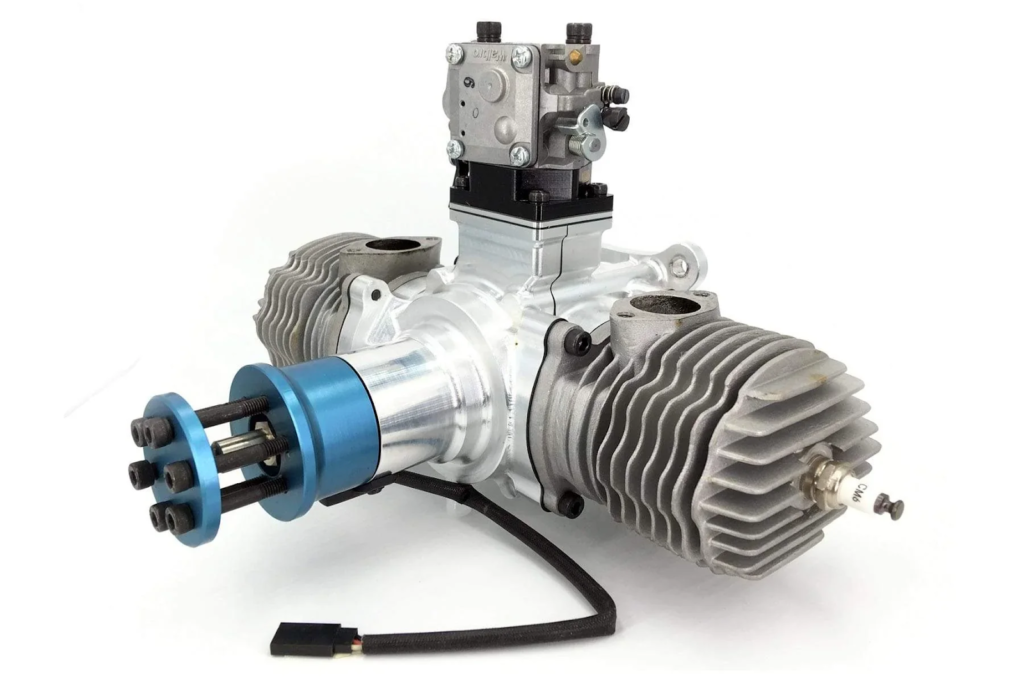
Selecting the right motor is critical because it affects flight performance and reliability. Buyers should evaluate motors based on payload, battery, flight time, and environmental conditions, not just KV ratings or advertised thrust.
Payload is the first factor. Heavier drones need more torque to lift efficiently. Choosing an underpowered motor can cause reduced stability or overheating in industrial applications.
Battery compatibility is equally important. High KV motors with low-voltage batteries may underperform, while low KV motors with high voltage can strain the system. Proper matching ensures smooth flight operation.
Flight duration matters. Efficient brushless motors consume less power at optimal RPM, extending airborne time. Longer endurance improves productivity and reduces operational costs, making energy efficiency essential.
Environmental conditions must also be considered. Motors exposed to heat, dust, or moisture need robust construction and effective cooling. Durable designs ensure consistent mission performance.
Propeller matching is key. Motor torque and RPM must align with propeller size to generate controlled lift and stable flight.
What Are the Best Motors for Drones?
Determining the best motors for drones depends on several performance characteristics rather than brand or price alone. Buyers should focus on efficiency, thrust balance, and reliability to ensure optimal flight stability and extended operational life.
Efficiency and thrust must be balanced. A motor that produces strong thrust but consumes excessive power can reduce flight time and increase battery load. Conversely, an overly efficient motor with insufficient torque may fail under heavier payloads. Selecting motors with optimal performance balance ensures drones maintain stability across varying conditions.
Reliability is critical, especially for industrial applications. Motors designed to withstand heat, dust, and vibration provide longer service life and reduce maintenance interruptions. Professional operators often prioritize durable motor architecture over lower-cost hobby alternatives.
Industrial drones often require high-performance, customizable motors that adapt to payload, flight duration, and environmental demands. Hobby-grade motors may suffice for recreational flying, but industrial expectations demand precise engineering and tested performance to meet operational goals.
Customization becomes necessary when standard motor specifications do not align with mission requirements. DMKE’s engineered solutions allow for tailored torque, RPM, and efficiency parameters, ensuring drones perform reliably under specialized conditions without compromising flight control.
Matching Motor Performance With Real Drone Applications
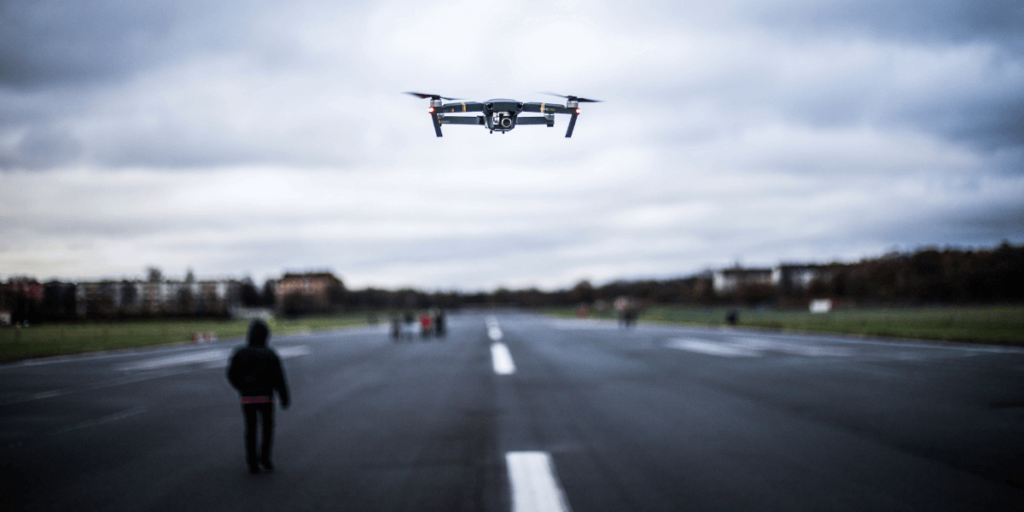
Different drone applications have distinct propulsion needs, and selecting the correct motor type is critical to mission success. Buyers can evaluate options based on intended use to achieve maximum operational efficiency.
Surveillance Drones rely on motors capable of quiet, stable flight to maintain position for extended periods. Low RPM with precise torque ensures smooth hovering and minimal vibration for cameras.
Agricultural Drones carry sensors or spraying equipment, requiring high torque motors to lift payloads efficiently. Motors must provide consistent thrust for prolonged flight without overheating.
Delivery Drones prioritize heavier lift capacity. Strong torque combined with efficient energy consumption allows motors to carry packages over longer distances, ensuring reliable load transport.
Mapping and Inspection Drones need motors that balance moderate speed with precise control. Efficiency and smooth acceleration are critical to capture accurate geospatial data, giving buyers stable imaging performance.
Cinematic Drones demand precision for camera stabilization. Motors with refined control and low vibration provide crisp, professional-quality footage, supporting high-end production applications.
By matching motor characteristics to the specific application, buyers can ensure drones perform optimally while minimizing operational risks. For specialized or industrial missions, consulting engineered solutions from DMKE provides added assurance of reliability, performance, and mission success.
Choose the Right Motor With Expert Opinions – Connect With DMKE
At DMKE, our engineering expertise helps buyers assess whether a brushless DC motor or a conventional solution fits their application. Every motor undergoes rigorous testing and quality checks to ensure durability, performance consistency, and energy efficiency. This process empowers buyers to make confident decisions without relying solely on theoretical specifications.
Customization is available for missions requiring unique torque, RPM, or efficiency parameters. DMKE’s tailored solutions provide engineered motor performance for specialized aerial applications, from heavy-lift drones to precision imaging platforms. Buyers benefit from motors that meet exact operational demands while maintaining optimal flight control.
Visit our website or contact us today to receive expert guidance, engineering support, and motor solutions designed for your drone applications. Make the switch to reliable, high-performance motors that optimize efficiency, stability, and mission success in your industry.

 English
  English (Australia)
  English (Canada)
  Deutsch
  English (UK)
  Français