
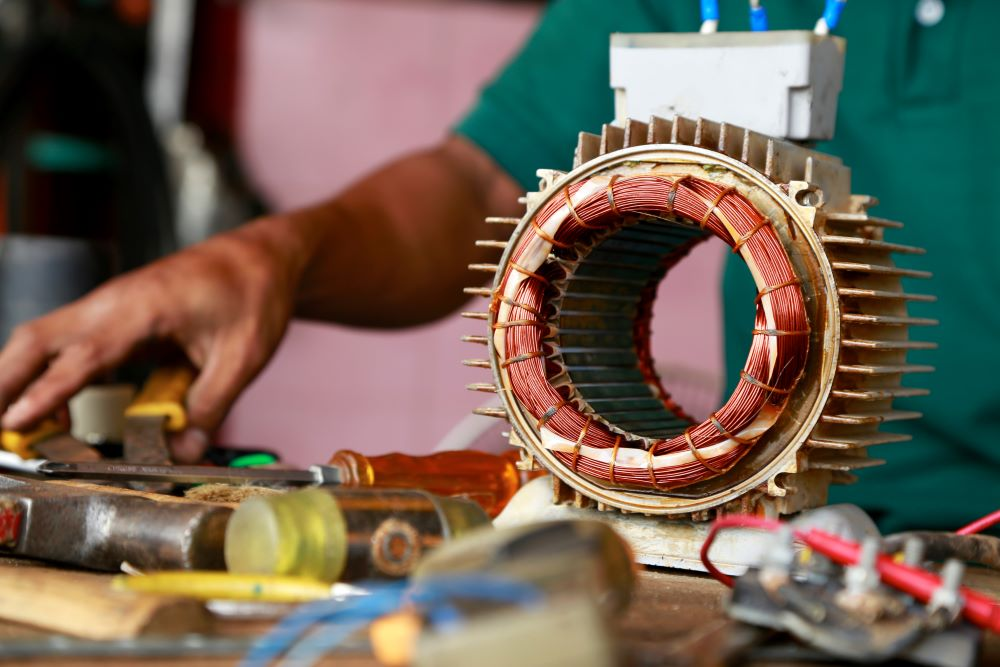
Electric motors play a critical role in modern industrial operations, powering essential equipment across manufacturing plants, processing facilities, water treatment systems, HVAC systems, and many other heavy-duty applications. Because these machines often run continuously for long hours, their reliability directly influences productivity, operational stability, and energy efficiency. When a unit fails unexpectedly, it can lead to costly production downtime, emergency maintenance expenses, and significant disruptions across the entire operation.
Although electric motors are designed for durability, they are still exposed to constant mechanical and electrical stress. Over time, factors such as overheating, bearing wear, contamination, voltage imbalance, and insulation degradation can gradually affect performance. If these issues are not addressed properly during repairs, they can shorten the motor’s operational life. In many industrial cases, improper repair practices are responsible for repeated failures, even when the original problem was relatively minor.
Modern maintenance strategies in 2026 focus on preventing failures rather than simply reacting to them. Industries are increasingly using advanced diagnostics, condition monitoring tools, and structured repair procedures to protect critical equipment. Techniques such as vibration analysis, thermal inspection, and insulation testing allow maintenance teams to identify hidden faults before they speedup. This shift toward predictive maintenance allows industries to reduce unexpected breakdowns and maintain consistent operational performance.
Another important factor is the quality of the repair process itself. Electric motor repairs require precision, proper materials, and careful inspection of all critical components. Errors such as incorrect rewinding, poor shaft alignment, or inadequate cooling restoration can significantly reduce efficiency. By applying the right repair techniques and focusing on long-term reliability, businesses can extend equipment lifespan and avoid unnecessary replacement costs.
Understanding the correct repair practices is therefore essential for engineers, technicians, and maintenance managers. Below, we’ll explore seven essential repair tips that can help extend electric motor lifespan, improve reliability, and ensure consistent performance in demanding industrial environments. So, read on:
Why Does the Electric Motor Lifespan Depend on Repair Quality?
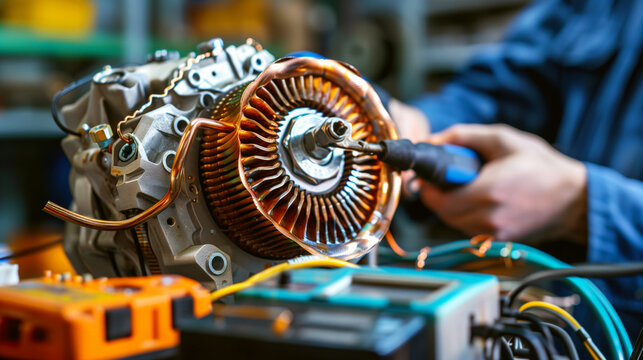
The lifespan of an electric motor is closely connected to the quality of repair practices applied during maintenance or fault correction. Industrial units are engineered to operate for many years, but their durability depends heavily on how accurately problems are diagnosed and repaired. When technicians focus on identifying the root cause of a failure rather than simply fixing visible symptoms, the unit can continue operating efficiently for a much longer period. On the other hand, rushed or poorly executed repairs often create hidden issues that gradually damage inner components and reduce overall reliability.
One of the most common consequences of poor repair work is progressive internal damage within the setup. If faults such as improper rewinding, incorrect lubrication, or misalignment are not handled properly, they can cause overheating, insulation breakdown, and premature bearing failure. Overheating is particularly dangerous because excessive heat accelerates the degradation of insulation materials, which are responsible for protecting the windings. Once insulation begins to deteriorate, the risk of short circuits and winding burnout increases significantly, ultimately shortening service life.
Repair quality also has a direct impact on efficiency and energy consumption. Even small errors during repair, such as incorrect winding patterns or improper assembly of mechanical parts, can reduce efficiency levels. When efficiency drops, the device must draw more electrical current to produce the same level of output. Over time, this leads to higher electricity costs and unnecessary energy waste, especially in facilities where setups run continuously.
Another critical factor affected by repair quality is operational downtime and maintenance costs. Poor repairs often result in repeated breakdowns, forcing maintenance teams to perform frequent interventions that disrupt production. In industrial environments, even a single failure can halt an entire process line, leading to significant financial losses. Studies across industrial maintenance sectors show that unexpected failures can account for a large share of equipment-related downtime, making proper repair practices essential for long-term operational stability.
For this reason, modern maintenance teams emphasise precision repair techniques rather than temporary fixes. Accurate diagnostics, high-quality replacement components, and proper testing procedures ensure that repairs restore the motor to its optimal operating condition. By prioritising repair quality, organisations can extend lifespan, maintain energy efficiency, and reduce long-term operational risks.
7 Essential Electric Motor Repair Tips to Extend Lifespan
Proper electric motor repair refers to more than occasional servicing. Effective repairs must address the real causes of failure while protecting critical components from further damage. When maintenance teams follow structured repair, motors operate efficiently for many years while reducing unexpected breakdowns and costly downtime.
The following repair strategies highlight key practices that help technicians restore performance, improve reliability, and significantly extend equipment lifespan in demanding industrial environments.
1. Diagnose the Root Cause Before Starting Repairs
Effective repair always begins with accurate diagnosis. Many maintenance teams make the mistake of repairing visible damage without identifying the underlying cause of the failure. While this may restore temporary operation, the same issue often reappears because the root problem was never resolved. A systematic diagnostic process allows technicians to understand exactly what caused the failure and ensures that the repair process addresses the real source of the problem.
Modern maintenance practices rely on several diagnostic styles to evaluate motor health before any repair work begins. Vibration analysis helps detect problems in mechanical aspects like imbalance, misalignment, or bearing wear by identifying abnormal vibration patterns during operation. Insulation resistance testing is another essential procedure used to evaluate the condition of windings and insulation materials. Low insulation resistance can indicate moisture intrusion, insulation degradation, or potential electrical leakage that may lead to future faults.
Thermal imaging has also become a valuable diagnostic tool in industrial maintenance. By using infrared cameras, technicians can identify abnormal heat patterns inside motors, electrical connections, or surrounding elements. These variations often reveal hidden issues that may not be visible during a standard inspection. By focusing on comprehensive diagnostic evaluation before beginning repairs, maintenance department can prevent consistent failures and ensure that the unit is restored to reliable operating condition.
2. Repair or Replace Bearings Before Secondary Damage Occurs
Bearings play a crucial role in the smooth operation of electric motors, supporting the rotating shaft and allowing it to move with minimal friction. However, they are also one of the most common sources of failure. Industry studies show that nearly 40–50% of failures are directly linked to bearing-related issues. Because of their constant exposure to mechanical loads, heat, and contamination, bearings naturally wear over time and require careful monitoring.
When bearing damage is ignored or repaired too late, it can lead to serious mechanical complications within the motor. A worn bearing may cause the shaft to move out of its proper position, creating friction and increasing vibration levels. If the issue continues to worsen, the rotor may become imbalanced, placing additional stress on inner components and speeding up deterioration. In severe cases, shaft damage can occur, significantly increasing repair costs and downtime.
Maintenance teams should therefore focus on early detection and timely repair. Common warning signs of bearing problems include unusual noise, excessive heat around the housing, and abnormal vibration during operation. Addressing these symptoms early allows technicians to replace or repair bearings before the problem spreads to other components. Prioritising proactive bearing maintenance helps prevent secondary damage and extends the operational lifespan.
3. Maintain Proper Motor Alignment After Repairs
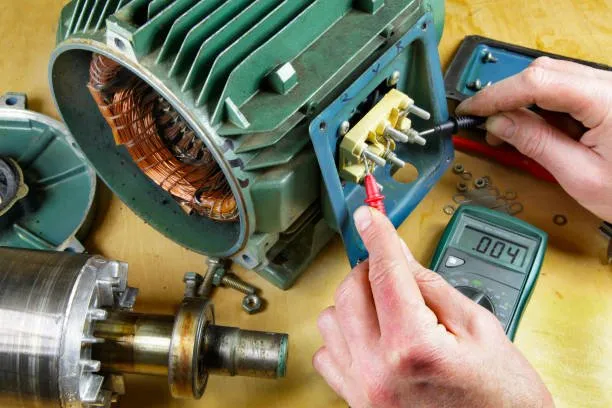
Proper alignment is essential for maintaining smooth and efficient motor operation. After repairs are completed, the motor must be accurately aligned with the connected equipment, such as pumps, compressors, or gearboxes. If alignment is not restored correctly, the motor will experience unnecessary mechanical stress that can quickly reduce its lifespan. Even small alignment errors can create reliability problems.
One of the most common consequences of poor alignment is excessive mechanical vibration. When the motor shaft and the driven equipment are not properly aligned, rotational forces become uneven. This imbalance produces vibration that gradually damages internal components, including bearings and couplings. Over time, the continuous stress can accelerate wear and increase the chance of unforeseen mechanical failure.
Misalignment also places additional pressure on coupling systems that connect the motor to other machinery. These components are designed to transmit rotational power smoothly, but misalignment forces them to operate under irregular loads. This can result in premature coupling wear and increased maintenance requirements. To avoid these issues, modern maintenance teams use precision laser alignment tools that provide highly accurate measurements and ensure that shafts are perfectly aligned during installation and repair.
By carefully restoring alignment after every repair procedure, technicians can minimise vibration, protect mechanical components, and maintain stable motor performance over the long term.
4. Ensure Correct Motor Rewinding Techniques
Rewinding is one of the most sensitive repair procedures because it directly affects the electrical performance of the motor. When motor windings are damaged due to overheating, insulation failure, or electrical faults, rewinding becomes necessary to restore functionality. However, if the rewinding process is not performed correctly, it can reduce the motor’s efficiency and compromise its long-term reliability.
A key aspect of proper rewinding is maintaining the correct winding configuration. The winding pattern, number of turns, and coil arrangement must match the original design specifications of the motor. Any deviation from these specifications can alter the magnetic field generated inside the motor, leading to reduced torque, higher energy consumption, and unstable performance during operation.
Material quality also plays an important role in the rewinding process. High-grade insulation materials must be used to protect the windings from electrical leakage and heat damage. Similarly, the copper wire used for rewinding should meet proper conductivity standards to ensure efficient electrical flow. Using inferior materials may temporarily restore operation, but it often leads to early failures and reduced lifespan.
5. Improve Cooling and Ventilation Systems
Heat is widely recognised as one of the biggest threats to electric motor health. Excessive temperature levels accelerate insulation degradation, increase electrical resistance, and reduce the overall efficiency of the motor. When motors operate continuously in demanding environments, effective cooling becomes essential for maintaining stable performance and preventing thermal damage.
During repair or maintenance work, technicians should carefully inspect the motor’s cooling system to ensure efficient heat dissipation. This includes checking whether the cooling fan is functioning properly and confirming that ventilation pathways are clear of dust, debris, or other obstructions. Blocked airflow can trap heat inside the motor housing, causing internal components to operate at dangerously high temperatures.
In addition to airflow inspection, technicians should also examine external factors that tend to affect cooling performance. Motors installed in confined spaces or high-temperature environments may require additional ventilation support to maintain safe operating temperatures. Regular inspection and maintenance of cooling systems helps prevent thermal overload and protect sensitive electrical components.
6. Replace Damaged Insulation Immediately
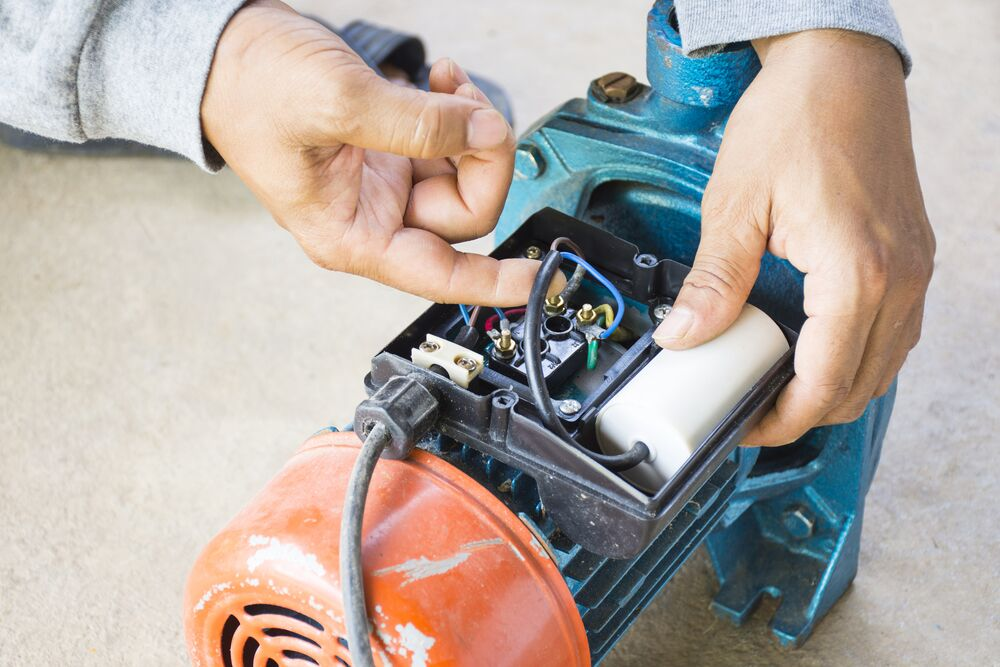
Motor insulation plays a critical role in protecting electrical components from short circuits and leakage currents. The insulation system surrounds the motor windings and prevents electrical energy from escaping to unintended paths. When insulation begins to degrade due to heat, contamination, or aging, the risk of electrical faults increases rapidly.
One of the most serious consequences of insulation failure is the risk of an electrical short circuit. Damaged insulation can allow current to flow between windings or to the motor frame, which may cause sudden system shutdowns or permanent motor damage. In severe cases, insulation breakdown can lead to winding burnout, requiring complete rewinding or even full motor replacement.
Technicians should therefore inspect the insulation condition during every repair process. If signs of cracking, brittleness, or electrical leakage are detected, the insulation materials must be replaced immediately. High-quality insulation systems designed to withstand heat and electrical stress should always be used to ensure long-term reliability.
7. Test Motor Performance Before Returning to Service
Completing repairs does not automatically guarantee that a motor is ready for operation. Before returning the equipment to service, technicians must conduct a series of performance tests to confirm that all systems are functioning correctly. These tests help identify any remaining issues and ensure that the motor will operate reliably under real working conditions.
One important procedure is comprehensive performance testing under simulated or actual load conditions. Load testing verifies whether the motor can deliver the required power output without overheating or experiencing abnormal vibration. If performance irregularities appear during testing, additional adjustments can be made before the unit is reinstalled in the production system.
Technicians also perform vibration monitoring and thermal inspection to evaluate mechanical stability and temperature behaviour. These checks confirm that components such as bearings, shafts, and cooling systems are operating within acceptable limits. Detecting irregularities at this stage prevents unexpected failures once the motor is back in operation.
By conducting detailed post-repair testing, maintenance teams can ensure that the motor meets operational standards and is fully prepared for long-term service. This final verification step significantly improves motor reliability and safety, reducing the risk of future breakdowns.
When to Repair vs Replace an Electric Motor?
One of the most important decisions maintenance teams face is determining whether a motor should be repaired or replaced. While repairs can restore functionality and extend service life, there are situations where replacement becomes the more practical and cost-effective option. Making the right decision requires evaluating several technical and operational factors rather than focusing only on immediate repair costs. A careful assessment helps organisations maintain long-term equipment reliability while avoiding unnecessary expenses.
A key factor to consider is the overall repair cost compared with the price of a new motor. Minor issues such as bearing wear, lubrication problems, or alignment faults are usually quick and economical to repair. However, if a motor requires extensive rewinding, major mechanical reconstruction, or repeated repairs within a short period, the cumulative cost may approach or exceed the price of a replacement unit. In such cases, investing in a new motor may offer better long-term value and improved efficiency.
Another important consideration is the age and efficiency level of the motor. Older motors often operate with lower efficiency compared to modern high-efficiency designs. Even after repair, these motors may continue consuming more energy during operation. Upgrading to a newer, energy-efficient model can significantly reduce electricity consumption and improve operational performance, especially in facilities where motors run continuously.
Operational reliability is also a major factor when evaluating repair versus replacement. If a motor experiences frequent breakdowns or operates in a critical production system where downtime is extremely costly, replacement may provide a more stable long-term solution. Persistent failures can disrupt production schedules and increase maintenance workload, making reliability a top priority.
Maintenance teams should also assess spare parts availability and the extent of internal damage. If critical components such as windings, rotors, or shafts are severely damaged and replacement parts are difficult to obtain, replacing the motor may be the most efficient solution.
| Motor Condition | Recommended Action |
| Minor bearing or lubrication issue | Repair |
| Moderate winding damage | Evaluate repair cost |
| Severe mechanical or electrical damage | Replace |
By carefully evaluating repair costs, motor age, efficiency, and reliability requirements, organisations can make informed decisions that protect both operational performance and long-term maintenance budgets.
Get Reliable Electric Motors Built for Long-Term Performance With DMKE
DMKE products are engineered with high-efficiency designs, premium materials, and advanced thermal protection to deliver reliable performance in demanding industrial environments.
Whether you need guidance on selecting the right ready-made item size, or want custom solutions for improving energy efficiency, our experts are ready to help you choose the ideal solution for your operation. Everything you get from us undergoes a rigorous test for quality assurance before being sold to you.
Avail our expert services by visiting our website and contact us today to get expert guidance, support, and setups that last long.

 English
  English (Australia)
  English (Canada)
  Deutsch
  English (UK)
  Français