
In industrial settings, motor performance is often a hidden factor that can make or break operational efficiency. Traditional DC motors, while widely used, come with their share of challenges, frequent maintenance, brush wear, noise, and limited lifespan. For production lines, HVAC systems, robotics, and other industrial applications, these issues translate into unplanned downtime, higher operational costs, and even potential safety risks. Industrial buyers and engineers are increasingly seeking solutions that reduce these problems while providing reliable, long-term performance.
This is where the brushless DC electric motor comes into play. Unlike conventional DC motors, brushless designs eliminate mechanical brushes and use electronic commutation to control rotor movement. This results in higher efficiency, smoother operation, and minimal maintenance, making them an ideal choice for modern industrial environments. From precision robotics to automated conveyor systems, brushless DC motors offer consistent performance under demanding conditions, helping businesses improve productivity and reduce lifecycle costs.
In this article, we will provide a complete overview of brushless DC motors tailored for industrial buyers. You will learn what a brushless DC motor is, how it differs from traditional DC motors, alternative names, types of DC motors, as well as advantages, disadvantages, and lifespan. We will also answer common questions, such as whether a DC motor can be brushless and if these motors are truly better for industrial applications. Finally, practical guidance and selection tips from DMKE experts will help you make informed decisions and choose the right motor solution for your operations.
By the end, you’ll understand why brushless DC electric motors are increasingly becoming the standard in industries seeking efficiency, reliability, and long-term savings. So, read on:
What Is a Brushless DC Motor?
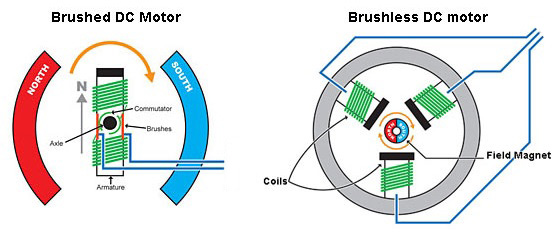
A brushless DC electric motor is a modern alternative to conventional DC motors that eliminates the need for brushes, using electronic commutation to control rotor movement. This design reduces friction and wear, which translates into longer lifespan and lower maintenance costs, especially in industrial settings. Because there are no brushes to replace, companies save both time and money while minimizing downtime on critical machinery.
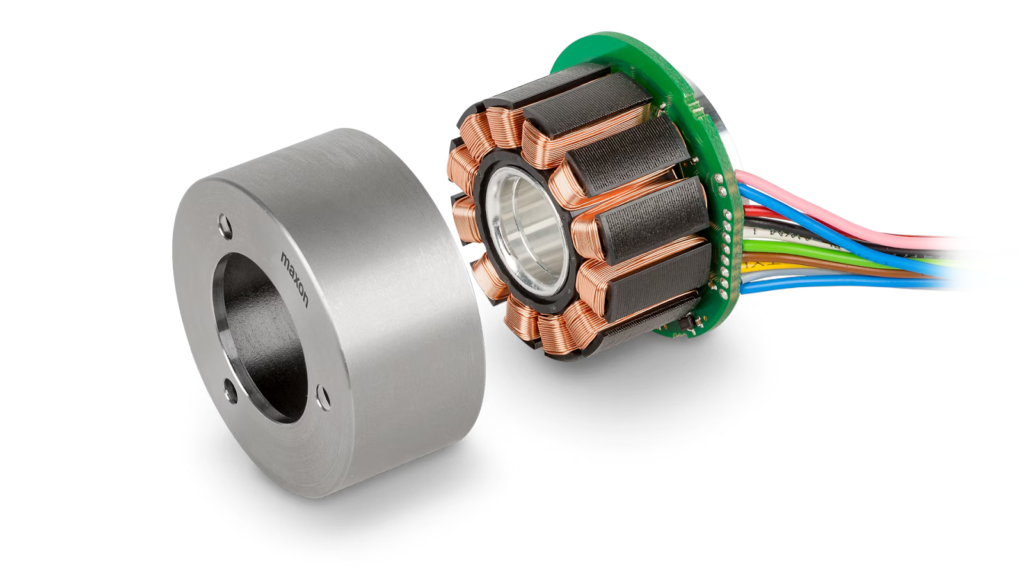
The rotor of a brushless motor typically contains permanent magnets, while the stator has the windings. An electronic controller manages the switching of current through the stator, which allows for precise speed and torque control. This is particularly valuable in industries such as robotics, CNC machinery, and automated conveyor systems, where consistent performance and high efficiency are critical. For example, in a robotic arm used for assembly lines, a brushless DC motor ensures smooth, precise movements that improve production accuracy and reduce wear on mechanical parts.
In addition to precision, brushless DC motors are quieter and generate less heat compared to traditional brushed motors. This makes them suitable for HVAC applications, medical devices, and cleanroom environments, where noise and thermal output are major concerns. Industrial buyers should consider operating voltage, torque requirements, and environmental factors such as temperature and humidity when selecting a brushless motor.
By choosing a brushless DC electric motor, companies not only enhance operational efficiency but also future-proof their systems with a solution designed for long-term reliability. The initial investment may be higher, but the reduction in maintenance, energy costs, and downtime often justifies the choice, making it an increasingly popular option across industries.
What Is Another Name for a Brushless DC Motor?
The BLDC electric motor is also widely known as a BLDC motor. In some industrial and commercial literature, it is referred to as an electronically commutated motor (ECM or EC motor). Understanding these alternative names is crucial for buyers because product catalogs, datasheets, and supplier references can vary in terminology. Using the wrong term can lead to confusion, miscommunication with suppliers, or even ordering the wrong motor type.
BLDC and EC motors are essentially the same in core technology, but are sometimes marketed differently based on application. For instance, in HVAC systems, the term ECM is more common and emphasizes the energy efficiency and electronic control advantages, whereas BLDC is a more general term for motors used in robotics, automotive, and industrial automation. Knowing these names allows engineers and procurement teams to match specifications accurately and ensure compatibility with controllers and system requirements.
Industrial buyers should also note that while the names differ, the operational benefits remain consistent: high efficiency, low maintenance, and precise control. For example, an EC motor in a ventilation system provides continuous airflow control without the brush wear issues found in older DC motors, whereas a BLDC motor in a warehouse conveyor ensures smooth operation under heavy loads. Recognizing these naming conventions reduces errors and supports better decision-making when specifying motors for complex industrial systems.
Difference Between DC Motor and Brushless DC Motor
Traditional DC motors rely on mechanical brushes to transfer current to the rotor, which enables rotation. This simple construction has been used for decades and is effective in many applications. However, the presence of brushes introduces wear and tear, requires regular maintenance, and produces sparks and electrical noise. Over time, brush degradation can reduce motor efficiency and increase downtime, making them less suitable for continuous or high-precision operations.
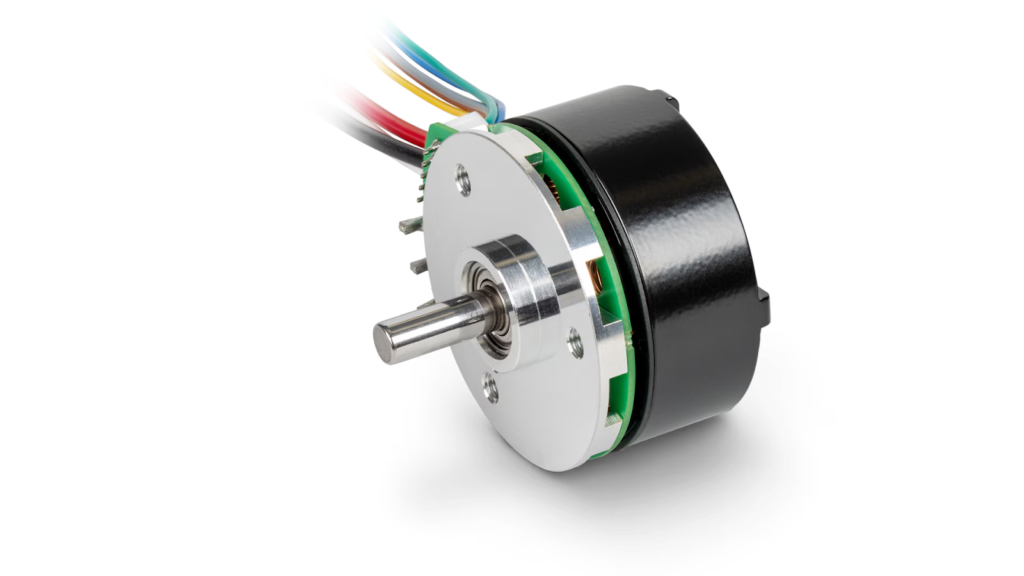
In contrast, a brushless DC electric motor eliminates brushes entirely, using electronic commutation to control rotor movement. This design significantly reduces mechanical friction and heat generation, which improves efficiency and prolongs motor life. Without brushes, the motor operates more quietly and can maintain consistent performance even under high-speed or continuous-load conditions. For industrial buyers, this means lower maintenance costs, reduced downtime, and higher reliability in demanding environments.
Efficiency is another key differentiator. Brushless motors typically achieve 85–95% efficiency, compared to 70–85% in brushed DC motors. The precise electronic control also allows for better torque regulation, speed consistency, and quick response to load changes. In applications such as warehouse conveyors, where heavy loads are constantly moved, or in CNC machines, where precise motion is critical, a brushless unit ensures smoother operation and longer service intervals.
Maintenance requirements also highlight the difference. Brushed motors need regular inspection, brush replacement, and commutator cleaning, while brushless motors only require occasional bearing lubrication and controller checks. Noise is another practical advantage: brushless motors are noticeably quieter, which benefits indoor industrial facilities, laboratories, and cleanroom operations.
In summary, while both types deliver rotational power, a brushless DC electric unit offers superior efficiency, precision, and durability. For buyers, understanding these differences helps in selecting the right unit for applications where performance, longevity, and low operational costs are essential.
The Four Types of DC Motors
DC options are classified into four main types, each suited to specific applications. The Shunt DCs has its field windings connected in parallel with the armature. This setup provides stable speed, making it ideal for applications such as machine tools and conveyors where constant speed is essential, even under varying loads.
The Series DCs connect its field windings in series with the armature. This configuration produces high starting torque, which is perfect for heavy-duty equipment like cranes, elevators, and traction systems. However, the speed can vary significantly with load, so careful application is required.
Compound DCs combine both shunt and series characteristics, offering a hybrid solution. They provide a balance between torque and speed stability, making them suitable for presses, rolling mills, and other industrial machines where both starting torque and speed consistency are important.
Finally, Permanent Magnet DCs use permanent magnets in the stator rather than windings, resulting in a compact and efficient solution. These motors are widely used in portable equipment, robotics, and automation systems where space, weight, and energy efficiency are critical.
Modern engineering has enabled DCs to be brushless by integrating electronic controllers. These controllers perform the commutation electronically, effectively converting a traditional DC unit into a brushless DC electric unit. This evolution allows buyers to enjoy the benefits of DC units, such as torque control and easy speed regulation, while eliminating the drawbacks of mechanical brushes.
Comparison of DC Unit Types
| DC Motor Type | Key Feature | Typical Applications | Brushless Option Available |
| Shunt DC | Stable speed | Machine tools, conveyors | Yes |
| Series DC | High starting torque | Cranes, elevators, and traction systems | Limited |
| Compound DC | Torque + speed balance | Presses, rolling mills | Limited |
| Permanent Magnet DC | Compact & efficient | Robotics, portable equipment, automation | Yes |
How a Brushless DC Electric Motor Works
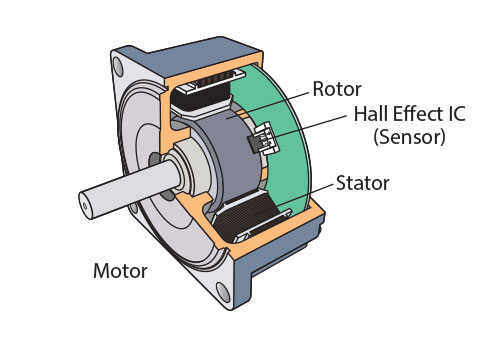
A brushless DC electric setup operates using electronic commutation instead of mechanical brushes. At its core, the unit has a rotor with permanent magnets and a stator with windings. The electronic controller precisely switches current through the stator coils, creating a rotating magnetic field that interacts with the rotor magnets. This produces smooth rotation without the friction and wear caused by brushes in traditional DCs.
This working principle allows for high-speed operation and precise control. For example, in robotic arms used in assembly lines, brushless units provide accurate positioning and smooth motion, ensuring consistent product quality. Similarly, in CNC machines, the electronic commutation allows the unit to respond rapidly to changes in load, maintaining torque and speed without mechanical adjustment.
Another benefit of this design is energy efficiency. Since there is no brush contact, electrical losses are minimized, and less heat is generated. In HVAC systems, brushless DCs can adjust fan speed automatically based on temperature and airflow requirements, reducing energy consumption while maintaining optimal performance.
The combination of rotor magnets, stator windings, and electronic controllers makes brushless DCs ideal for industrial applications where reliability and precision are crucial. Engineers can also fine-tune controller settings to match voltage, speed, and torque requirements for specific machinery, giving industrial buyers a flexible solution for various operational needs.
Advantages and Disadvantages of Brushless DC Motors
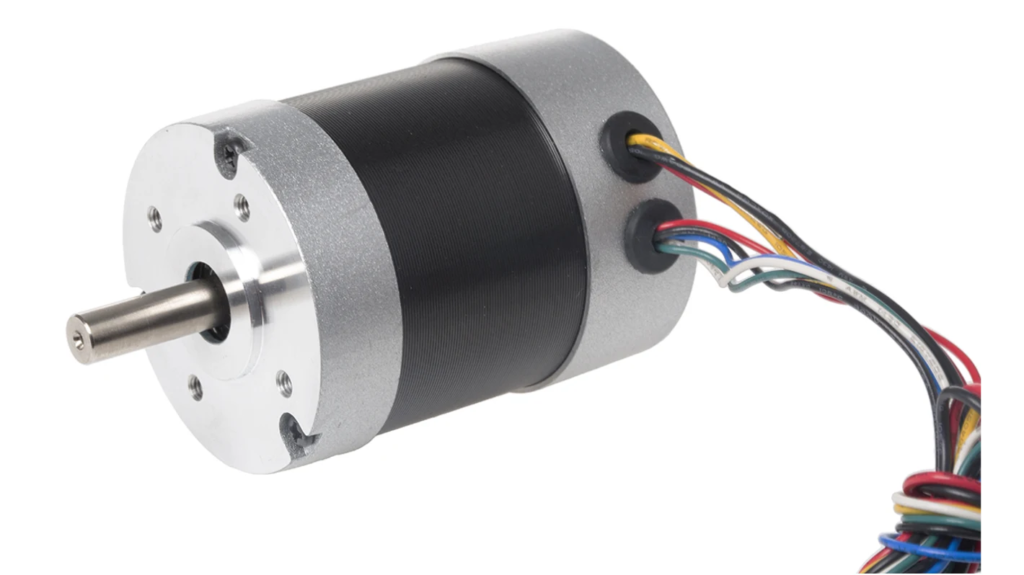
A brushless DC electric options offers several compelling advantages that make it an attractive choice for industrial applications. First and foremost, the elimination of brushes reduces friction, which results in higher efficiency and lower energy consumption. Industrial systems such as automated conveyor belts, robotic arms, and CNC machines benefit from this improved efficiency, reducing electricity costs while maintaining consistent performance.
Another significant advantage is minimal maintenance. Traditional DC motors require periodic inspection, brush replacement, and commutator cleaning, which can interrupt operations and increase costs. In contrast, brushless options only require occasional bearing lubrication and controller checks. This is especially valuable in critical environments like cleanrooms, hospitals, or high-speed production lines, where downtime can be costly.
Noise reduction is another practical benefit. Brushless units operate much more quietly than their brushed counterparts, making them suitable for indoor industrial environments, laboratories, and precision equipment where low noise is essential. Additionally, electronic commutation allows for precise control of speed and torque, enabling more consistent performance under varying loads.
Despite these advantages, brushless DC units have some disadvantages. The initial purchase cost is typically higher due to the complex electronics required for operation. They also rely on electronic controllers, which may require skilled personnel for installation and maintenance. In certain environments with high electrical interference, improper installation of controllers can affect performance.
To summarize, the following table highlights the main advantages and disadvantages:
Advantages vs Disadvantages of Brushless DC Motors
| Advantages | Disadvantages |
| High efficiency | Higher initial cost |
| Low maintenance | Requires electronic controllers |
| Quiet operation | Controller installation complexity |
| Precise speed and torque control | Sensitive to extreme electrical conditions |
| Longer lifespan | Needs occasional technical monitoring |
Industrial buyers should weigh these factors carefully. For example, in automated warehouse systems, the higher upfront cost is offset by reduced downtime, energy savings, and consistent operational efficiency.
Factors to Consider When Selecting a Brushless DC Motor
Selecting the right brushless DC electric setups requires careful evaluation of operational requirements. The first factor is voltage and current ratings, which must match the power supply and load demands. A mismatch can reduce efficiency or even damage the unit.
Torque and speed requirements are equally important. For heavy-duty applications like automated conveyors or lifting systems, a unit with high torque is essential, while high-speed precision tasks, such as in robotics or CNC machines, require consistent speed control. Industrial buyers should also consider the load type, whether continuous or intermittent, to ensure long-term reliability.
Environmental factors can also affect performance. Temperature, humidity, dust, and vibration all play a role in longevity. Units used in harsh environments, such as chemical plants or outdoor conveyors, may require additional sealing, cooling systems, or protective housings.
Finally, buyers should assess compatibility with electronic controllers and other system components. Modern brushless setups rely on precise control electronics, so selecting a unit that works seamlessly with existing or planned controllers is critical for reliable operation. Taking these factors into account helps industrial buyers maximize efficiency, reduce maintenance costs, and ensure safe, continuous operation.
Lifespan of a Brushless DC Motor
The lifespan of a brushless DC electric setup is one of its most attractive features for industrial applications. Unlike brushed options, which wear down their brushes over time, a brushless design avoids mechanical friction points, significantly extending operational life. On average, these units can last between 20,000 and 50,000 hours, depending on load conditions, voltage, and operating environment.
Factors affecting lifespan include continuous heavy loads, high ambient temperatures, and poor maintenance practices. For example, a unit running in a robotic assembly line at high speed will experience more thermal stress than one in a low-duty ventilation system. Regular monitoring, proper ventilation, and using the correct controller settings can maximize the setup’s life.
Another key factor is the quality of components. Industrial-grade brushless DC setups from suppliers like DMKE undergo strict testing to ensure reliability. High-quality bearings, robust controllers, and precision winding all contribute to a longer lifespan. By considering these factors, buyers can select options that deliver years of uninterrupted performance, reducing maintenance costs and system downtime.
Are Brushless DC Motors Better?
For most industrial applications, a brushless DC electric units outperforms traditional DC ones. The combination of high efficiency, low maintenance, long lifespan, and precise control makes them ideal for automation, robotics, HVAC, and precision manufacturing. While the initial cost is higher, the long-term operational savings often justify the investment.
When deciding whether to switch, buyers should consider application requirements. For instance, in a CNC machining center, the smooth torque and speed control of a brushless unit improve accuracy and reduce wear on mechanical components. In warehouse automation, the quiet operation and energy efficiency allow for continuous 24/7 operation without interruptions.
Modern DC units can be designed brushless, combining the benefits of traditional DC torque control with the efficiency and reliability of electronic commutation. This evolution provides a compelling solution for engineers looking to upgrade legacy systems or design new installations.
In conclusion, while no unit is perfect for every application, brushless DC setups provide a superior balance of performance, reliability, and operational cost. For industrial buyers, choosing a high-quality, tested unit from a trusted supplier like DMKE ensures optimized efficiency, minimal downtime, and long-term productivity gains.
Get High-Performance Brushless DC Motors for Your Industrial Needs – Connect With DMKE
Choosing the right brushless DC electric unit involves more than checking a datasheet. At DMKE, our engineers guide industrial buyers through efficiency analysis, performance evaluation, and controller compatibility to ensure each setup is perfectly suited to your application.
Whether you require ready-made solutions or fully customized setups, every unit undergoes our rigorous 8-step testing process, guaranteeing safety, reliability, and peak performance.
Visit our website and reach out to our team today for expert consultation, tailored solutions, and direct support, and ensure your industrial systems operate with maximum efficiency and long-term reliability.

 English
  English (Australia)
  English (Canada)
  Deutsch
  English (UK)
  Français