
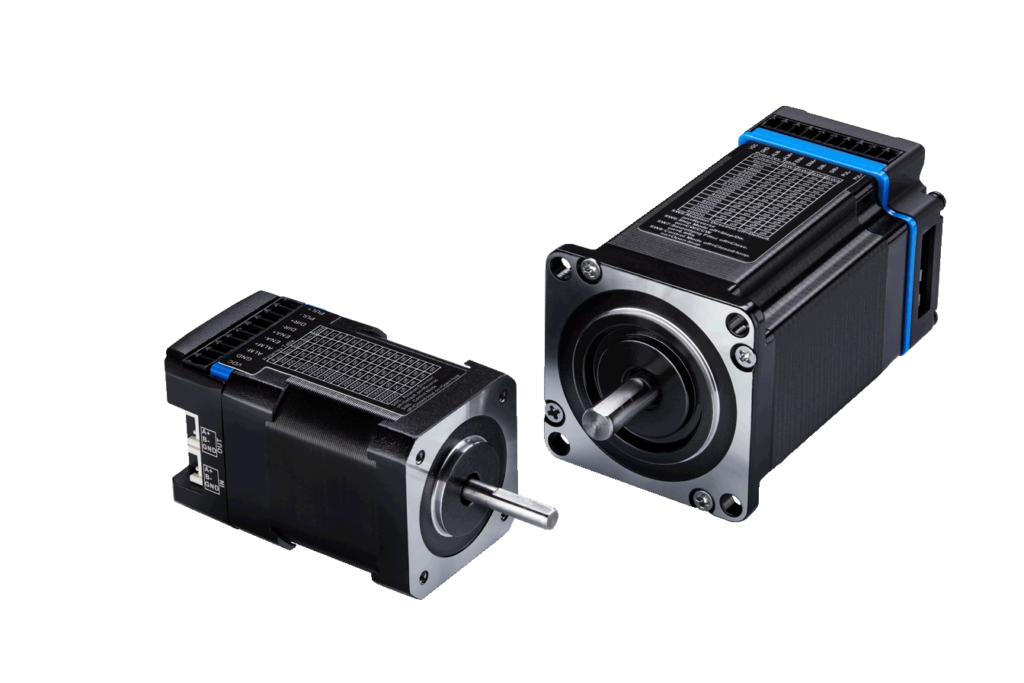
Modern automation systems require accurate positioning, stable motion, and reliable performance across different operating conditions. From CNC machines and robotics to packaging equipment and industrial production lines, choosing the right motion control technology directly affects machine accuracy and efficiency.
Traditional open-loop stepper motors have been widely used because of their simplicity and affordability, but they can experience limitations such as missed steps, reduced performance under changing loads, and limited feedback capability. To overcome these challenges, many industries now consider closed-loop stepper motors and advanced servo solutions for better control and reliability.
A closed-loop stepper combines the basic advantages of stepper technology with feedback systems that monitor actual motor position. This allows the controller to make adjustments during operation, creating performance characteristics closer to a closed-loop servo system while maintaining some benefits of stepper designs.
However, closed-loop technology is not always the perfect choice for every application. Factors such as cost, complexity, speed requirements, and precision needs all influence whether a closed-loop stepper, open-loop stepper, or servo system is the better investment.
This guide explores whether closed-loop steppers are truly worth it by explaining their advantages, limitations, comparison with servo systems, expected lifespan, and key selection factors. Understanding these differences helps engineers and industrial buyers choose reliable motion solutions for their specific applications.
What Is a Closed-Loop Stepper Motor?
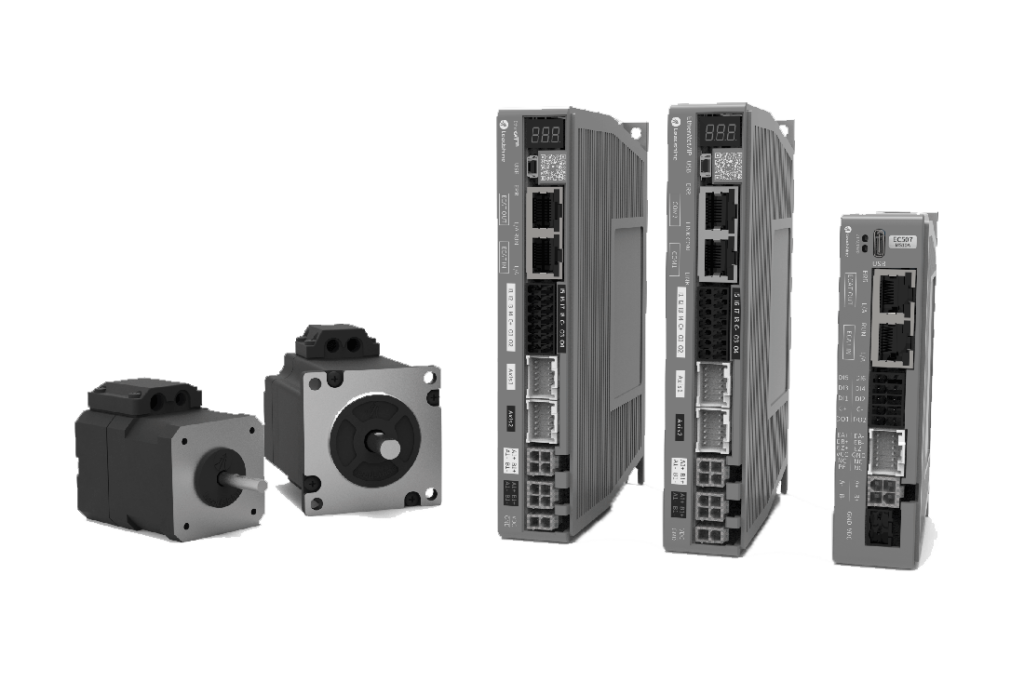
A closed-loop stepper motor is an advanced version of a traditional stepper motor that uses a feedback device to monitor actual motor movement. Unlike standard stepper systems that only follow commands, closed-loop designs continuously check motor position and adjust performance when needed to maintain accurate motion control.
The main difference comes from the addition of an encoder or feedback sensor. This component sends real-time position information back to the controller, allowing the system to detect errors and correct movement automatically. This reduces common stepper issues such as missed steps and positioning inaccuracies.
In traditional open-loop operation, the controller assumes the motor has reached the commanded position without confirmation. A closed-loop stepper removes this uncertainty by creating a communication cycle between the motor, controller, and feedback system for reliable position tracking.
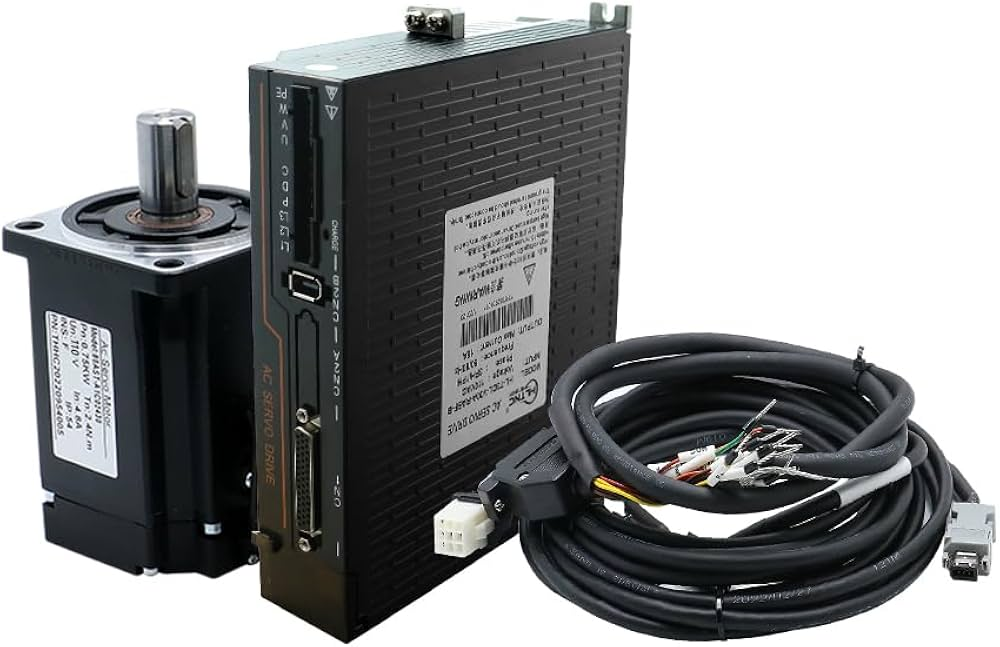
Although closed-loop steppers are not identical to servo motors, they share similar control principles. Both use feedback to improve accuracy and stability, which is why closed-loop steppers are often compared with a closed-loop servo system in industrial applications.
For applications requiring improved reliability without moving directly to a full servo setup, closed-loop stepper motors can provide a practical balance between performance and cost efficiency. They are commonly used in automation equipment, CNC systems, and positioning applications where consistent movement is required.
What Are the Advantages of a Closed-Loop Stepper Motor?
Closed-loop stepper motors offer several improvements over traditional open-loop designs by combining stepper motor simplicity with feedback-based control. This allows the system to deliver better accuracy, efficiency, and consistent motion performance in applications where reliability is important.
One of the biggest advantages is the ability to prevent missed steps. In an open-loop system, the controller cannot confirm whether the motor has reached the correct position. A closed-loop stepper uses encoder feedback to detect position errors and automatically correct movement for improved accuracy.
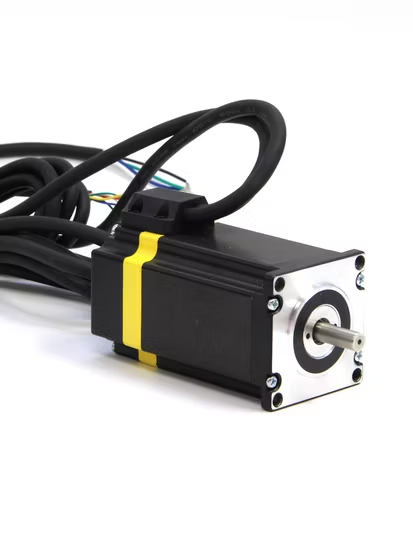
Closed-loop steppers also provide better torque utilisation. Instead of applying maximum current continuously, the system adjusts current based on actual load requirements. This improves energy usage efficiency and reduces unnecessary heat generation during operation.
Another benefit is smoother performance under changing load conditions. When external forces affect movement, the feedback system allows the controller to compensate quickly and maintain stable operation without losing position.
Reduced heating is also an important advantage. Since the motor only uses the required amount of current, it operates cooler compared to many traditional stepper systems. Lower operating temperatures help support longer component lifespan and improve overall reliability.
For many industrial applications, closed-loop steppers provide a practical middle ground between basic stepper motors and servo systems. They offer improved control and stability while remaining simpler than a complete closed-loop servo system.
What Are the Advantages of Closed-Loop Systems?
Closed-loop systems are widely used in industrial motion control because they provide continuous monitoring and adjustment during operation. Instead of only sending movement commands, these systems use feedback signals to compare actual performance with the desired output and maintain precise system control.
One of the main advantages of closed-loop technology is real-time correction. Sensors continuously track position, speed, or other operating conditions, allowing the controller to immediately adjust performance if any difference is detected between the command and actual movement.
This feedback process improves accuracy and repeatability, especially in applications where small errors can affect production quality. A closed-loop system helps maintain consistent output accuracy even when loads, speeds, or external conditions change.
Another advantage is better adaptability. Industrial machines rarely operate under perfectly constant conditions, and variations in load or resistance can affect movement. Closed-loop systems automatically compensate for these changes, improving reliability during demanding operations.
Performance monitoring is also a major benefit. Since the system continuously receives operating data, users can identify issues earlier and optimise settings for better efficiency. This capability is one reason why a closed-loop servo system is commonly used in high-precision automation.
Overall, closed-loop systems provide improved stability, efficiency, and confidence in applications where controlled movement and dependable performance are essential. They are especially valuable when high accuracy requirements cannot be achieved through basic open-loop control.
Do Those Mini-Steppers Actually Work?
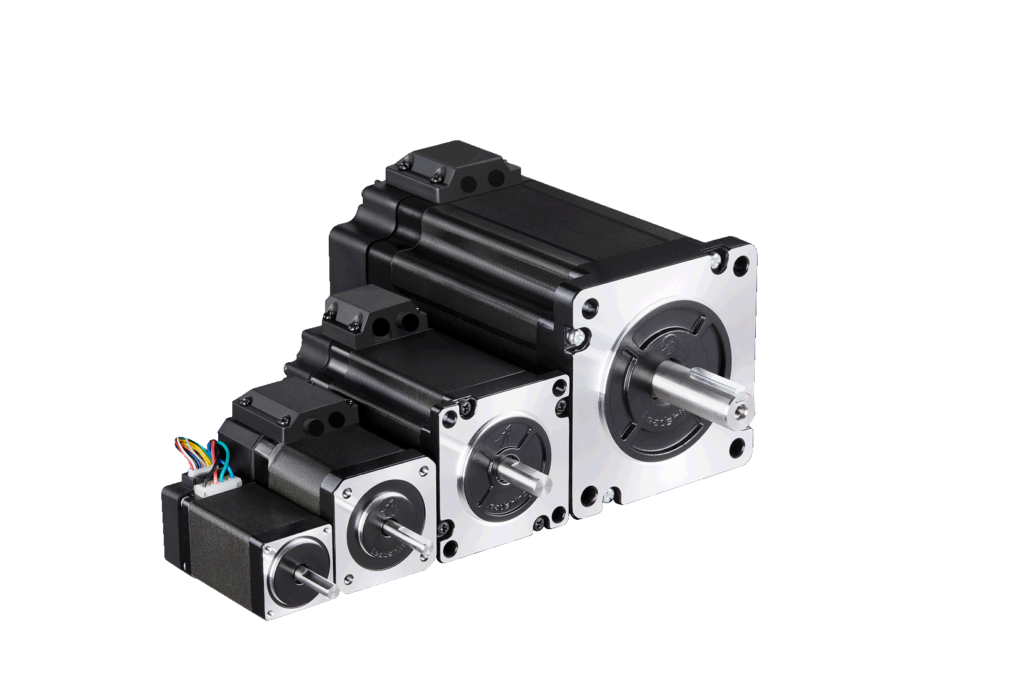
Mini stepper motors can work effectively when they are used within the right performance range and application requirements. Despite their small size, these motors can provide controlled movement capability for compact systems that require accurate positioning without large motor assemblies.
They are commonly used in applications such as small robotics, cameras, medical devices, 3D printers, and lightweight automation equipment. Their simple design and compact structure make them useful where space limitations and moderate performance requirements are important.
However, mini-steppers are not designed to replace every motion control solution. Their smaller size naturally limits torque output, speed capability, and load handling compared to larger stepper motors or servo systems. Using them beyond their designed capacity can cause performance issues.
For better reliability, proper motor sizing and controller matching are essential. A correctly selected mini-stepper can deliver stable positioning performance in low-load applications, while demanding industrial systems may require stronger closed-loop steppers or servo solutions.
The effectiveness of mini-steppers depends on understanding the application rather than the motor size alone. When precision, higher speed, or heavy load control is required, a more advanced solution, such as a closed-loop servo system, may provide better long-term performance.
Closed Loop Stepper vs Closed Loop Servo System
Closed-loop steppers and servo systems both use feedback to improve accuracy, but they are designed for different performance requirements. A closed-loop stepper focuses on improving traditional stepper reliability, while a closed-loop servo system is engineered for advanced motion performance in high-demand applications.
The right choice depends on factors such as speed, torque requirements, precision level, and operating environment. Understanding these differences helps engineers select the most suitable solution instead of choosing based only on cost.
| Factor | Closed Loop Stepper | Closed Loop Servo System |
| Accuracy | Provides improved accuracy with feedback correction | Delivers high precision control for demanding applications |
| Speed | Performs well at lower to medium speeds | Maintains performance at higher speeds |
| Torque | Strong torque at lower speeds | Better torque control across wider speed ranges |
| Cost | Usually more affordable | Higher initial investment |
| Efficiency | Adjusts current based on demand | Optimised efficiency through advanced control |
| Best Applications | CNC systems, 3D printers, and simple automation | Robotics, advanced CNC, industrial machinery |
Closed-loop steppers are often suitable when an application requires better reliability than an open-loop motor without the complexity of a full servo system. They provide cost-effective accuracy for many positioning tasks.
A closed-loop servo system is usually the better choice when applications require high-speed operation, dynamic response, continuous adjustments, and maximum precision under changing loads. For industrial environments, selecting between these technologies depends on balancing performance requirements with budget and system complexity.
What Are the Disadvantages of a Closed-Loop System?
Although closed-loop systems provide improved accuracy and control, they are not always the ideal choice for every application. The additional components and feedback requirements can introduce system design complexity compared to simpler open-loop solutions.
One of the main disadvantages is the higher initial cost. Closed-loop systems require extra components such as encoders, sensors, and more advanced controllers, which increases the overall investment compared to basic stepper motor setups.
Installation and configuration can also be more complicated. Since the controller must process feedback signals and adjust performance continuously, proper tuning is required to achieve stable control performance without vibration or response issues.
Another consideration is maintenance and troubleshooting. More electronic components mean there are additional areas that need monitoring, including feedback devices, wiring, and communication systems. Incorrect sensor readings or connection problems can affect system operation.
In some simple applications, a closed-loop system may provide more capability than actually needed. If the machine operates under predictable loads and does not require high accuracy, an open-loop system may offer simpler operation, benefits with lower cost and easier setup.
For advanced automation and precision equipment, these disadvantages are usually balanced by the performance improvements. However, buyers should evaluate whether a closed-loop stepper or a closed-loop servo system matches their actual application requirements before investing.
Why Is an Open Loop Better Than a Closed Loop in Some Applications?
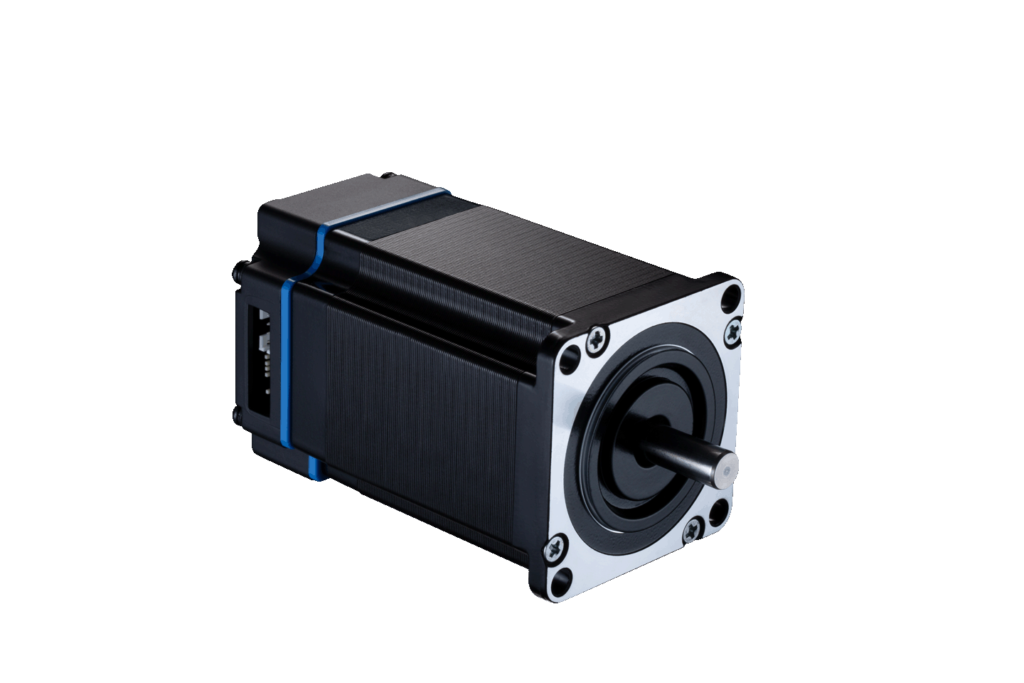
Although closed-loop technology provides advanced control features, an open-loop system can still be the better option for certain applications. The best choice depends on the required accuracy, operating conditions, and overall system performance needs rather than assuming one technology is always superior.
One of the biggest advantages of an open-loop system is simplicity. Since it does not require feedback sensors or complex control adjustments, installation and operation are usually easier. This makes open-loop motors suitable for applications with predictable movement patterns and consistent loads.
Cost efficiency is another reason manufacturers continue to use open-loop solutions. Without additional encoders, wiring, and advanced controllers, these systems can provide affordable motion control for machines that do not require continuous position correction.
Open-loop systems also require less tuning and setup time. In applications where movements are repetitive and load changes are minimal, a properly sized open-loop stepper motor can deliver reliable performance without unnecessary complexity.
However, open-loop systems have limitations when accuracy requirements increase or operating conditions become unpredictable. In these situations, a closed-loop servo system or closed-loop stepper can provide better motion reliability through real-time feedback and automatic correction.
The decision ultimately depends on matching the technology to the application. Simple machines may benefit from open-loop designs, while precision automation usually requires the additional control provided by closed-loop systems.
What Is the Life Expectancy of a Stepper Motor?
The life expectancy of a stepper motor depends on several factors, including operating conditions, load requirements, temperature, and overall system design. Since stepper motors do not use brushes like traditional brushed motors, they generally offer long service life with minimal maintenance when operated correctly.
In many applications, the mechanical bearings are usually the main components that determine lifespan. The motor windings and magnetic components can operate for extended periods, but excessive load, vibration, or poor environmental conditions can shorten bearing life.
Heat management plays an important role in motor durability. Running a stepper motor continuously at high temperatures can affect insulation materials and internal components over time. Maintaining proper operating conditions helps improve motor reliability levels and reduces premature failure risks.
Load selection is another important factor. Motors that constantly operate beyond their rated capacity experience higher mechanical stress and reduced efficiency. Choosing the correct motor size ensures smoother performance and longer operating life.
Closed-loop stepper systems can also support improved lifespan by controlling current more efficiently. Instead of applying maximum power continuously, they adjust output based on demand, reducing unnecessary heat and supporting efficient motor operation.
For industrial applications, proper installation, controller matching, and regular system checks are essential. Whether using a stepper motor or a closed-loop servo system, long-term performance depends on selecting the right solution for actual operating conditions.
Are Closed-Loop Steppers Really Worth It?
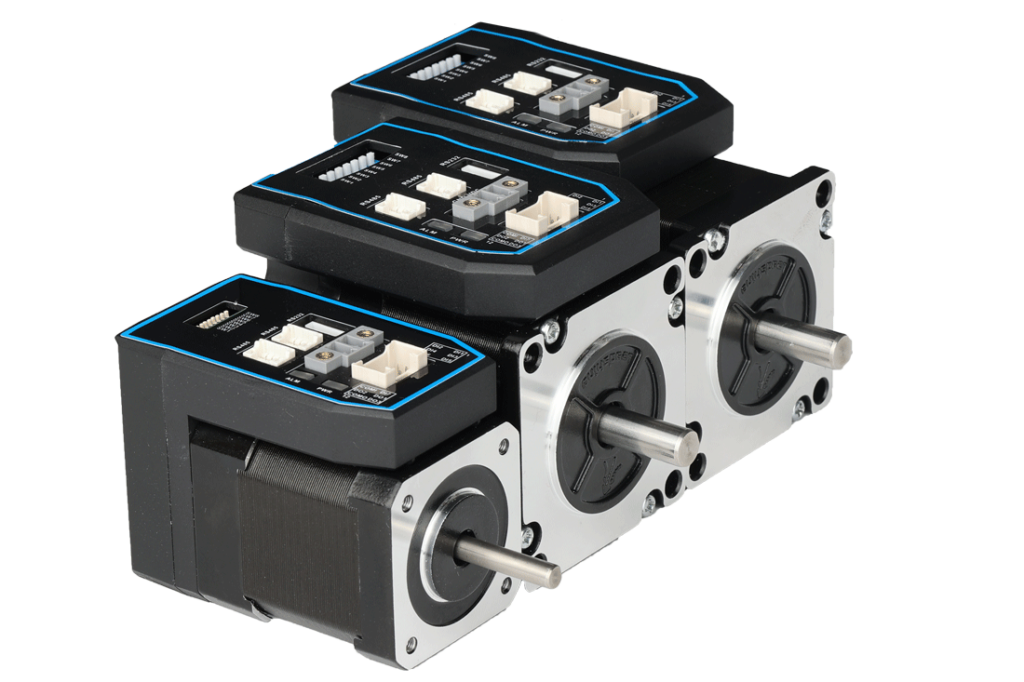
Closed-loop steppers are worth considering when a system requires improved performance beyond traditional stepper motors but does not need the full capabilities of a servo system. They provide a practical balance between cost and performance for many industrial and automation applications.
Their biggest advantage is eliminating common open-loop issues such as missed steps and uncertainty in positioning. With encoder feedback, the motor can detect errors and make corrections, improving reliability during operation.
For applications with moderate speed requirements and changing loads, closed-loop steppers can offer excellent results. They improve efficiency, reduce heat generation, and provide stable positioning control without requiring a complete system redesign.
However, they are not a replacement for every servo application. High-speed machinery, advanced robotics, and systems requiring extremely fast dynamic response may still benefit more from a dedicated closed-loop servo system.
Ultimately, closed-loop steppers are worth the investment when their capabilities match the application requirements. The goal is not choosing the most advanced technology but selecting the motor system that delivers the right level of accuracy, efficiency, and reliability.
Get the Right Stepper Motors With Expert Support – Connect With DMKE
Closed-loop steppers provide a practical balance between traditional stepper motors and advanced servo solutions by offering improved accuracy and reliability through feedback control. They are especially useful in applications where missed steps, efficiency, and stable positioning are important.
Choosing between an open-loop stepper, closed-loop stepper, or closed-loop servo system depends on speed, precision, load requirements, and operating conditions. The right choice ensures efficient motion performance without unnecessary cost or complexity.
DMKE provides reliable motor solutions with engineering support, customisation capability, and quality testing to help industries select the most suitable motion control technology for their specific applications.
Visit our website or contact us today to ensure a solution aligned with your operational needs.

 English
  English (Australia)
  English (Canada)
  Deutsch
  English (UK)
  Français