
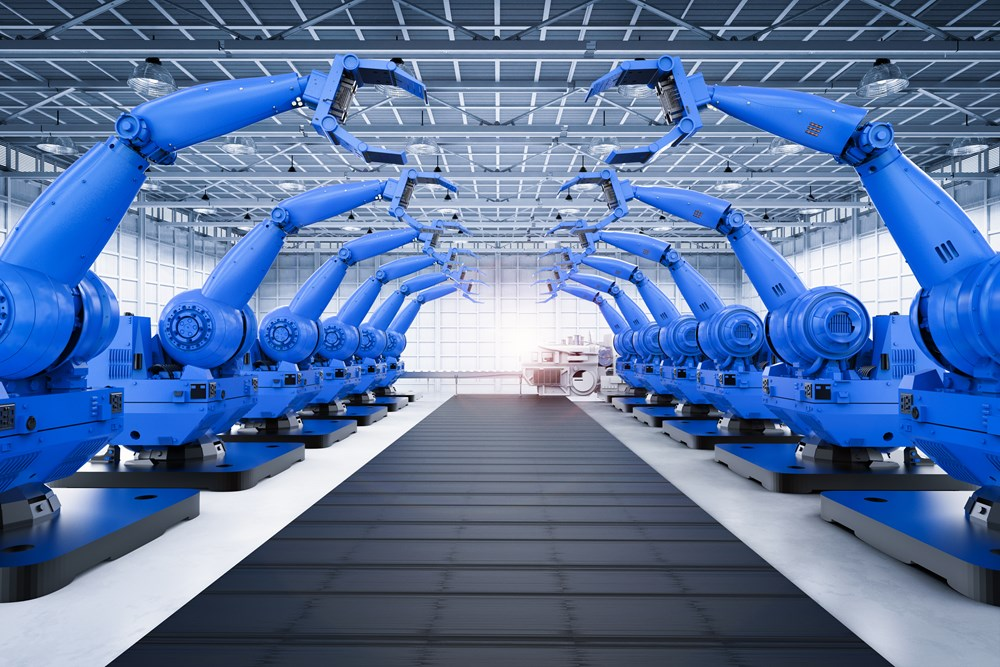
Dans le monde moderne, l'automatisation ne se limite pas à de simples mouvements. Au contraire, elle exige désormais une forme ultime de précision, répétabilité, réactivité et contrôle absolu, malgré des conditions externes en constante évolution. Les systèmes de production modernes doivent être plus rapides, plus intelligents et plus interconnectés que jamais, ce qui a limité l'utilisation des technologies de moteur conventionnelles dans ces systèmes.
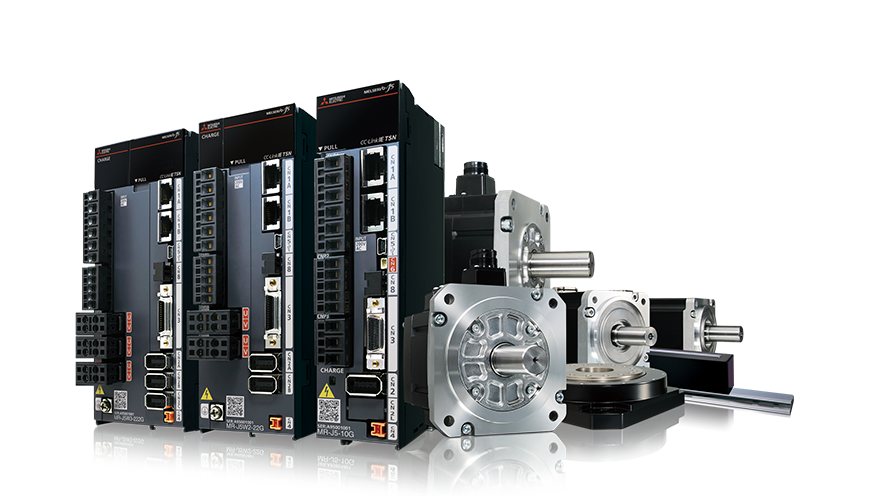
Heureusement, Les servomoteurs à courant alternatif ont pris le relais au bon moment. Ils continuent aujourd'hui à dominer les systèmes d'automatisation dans le monde entier. Les servomoteurs à courant alternatif se sont imposés comme le choix le plus privilégié pour les environnements liés à l'automatisation en raison de leur capacité à produire des résultats. Ces moteurs sont capables de rester constants malgré les charges externes et les environnements extrêmement changeants.
Contrairement aux moteurs classiques qui fonctionnent principalement dans un système en boucle ouverte, les solutions de servomoteurs à courant alternatif sont les suivantes conçu pour fonctionner en boucle fermée Les systèmes de gestion de l'information sont des systèmes de gestion de l'information. Cela signifie que ces systèmes restent conscients de leurs propres performances et sont capables d'apporter des corrections en temps réel à leur fonctionnement. Ce système en boucle fermée permet également aux solutions d'asservissement de contrôler avec précision la position, la vitesse et le couple, quelles que soient les variations de la charge externe et les exigences dynamiques élevées de l'ensemble de la configuration.
Pour les ingénieurs et les chefs d'entreprise qui souhaitent construire des systèmes automatisés modernes basés sur précision, fiabilité, synchronisation correcte, et la cohérence, l'utilisation de servomoteurs permet d'améliorer la productivité et la qualité globales, tout en offrant le niveau de contrôle indispensable au bon fonctionnement du système.
Nombreux sont ceux qui se demandent pourquoi les servomoteurs à courant alternatif dominent actuellement les systèmes d'automatisation modernes à un point tel qu'ils ne peuvent plus être utilisés. aucun autre moteur ne reste pertinent pour l'automatisation. La réponse ne réside pas dans un seul avantage offert par les solutions servo. Au contraire, ces moteurs offrent une combinaison de performances, de répétabilité, de fiabilité et de longévité qui les rend à la fois efficaces et constituent la solution la plus privilégiée dans presque tous les secteurs d'activité.
Qu'il s'agisse lignes de production à grande vitesse, AGV, bras robotisés, Qu'il s'agisse de simples machines à commande numérique ou de systèmes d'emballage, les solutions servo aident les fabricants à atteindre des tolérances parfaites tout en garantissant des cycles de travail rapides et en offrant une grande flexibilité opérationnelle. D'autre part, les progrès de l'électronique de puissance, les améliorations des dispositifs de rétroaction et le développement de contrôleurs numériques ont encore amélioré l'efficacité des servomoteurs. En d'autres termes, si les servomoteurs continuent de servir l'industrie de l'automatisation, ils sont également améliorés en permanence pour offrir encore plus de capacités et repousser les limites technologiques.
Ci-dessous, nous examinerons en détail ce qui rend l'AC des servomoteurs si important et si dominant dans les systèmes d'automatisation modernes. Nous comparerons ensuite en détail les solutions servo avec d'autres moteurs, en soulignant les défauts de ces moteurs lorsqu'ils sont utilisés dans le domaine de l'automatisation. Poursuivez donc votre lecture pour découvrir ce qui fait des servomoteurs à courant alternatif une technologie fondamentale dans les systèmes industriels automatisés d'aujourd'hui.
Principales raisons de la domination des servomoteurs à courant alternatif
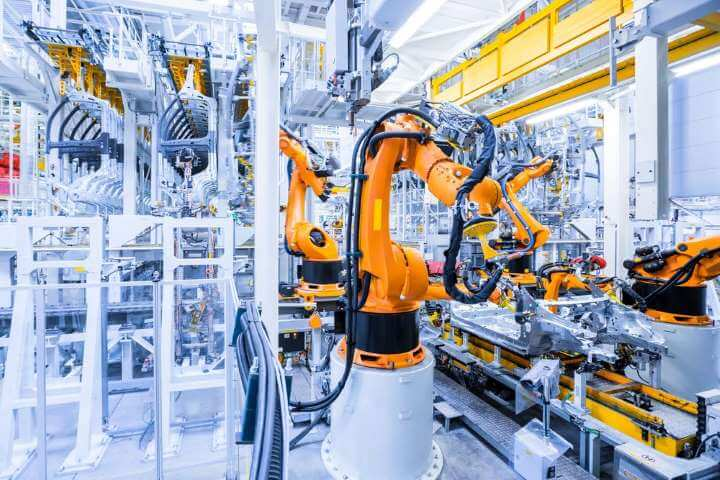
Nous allons examiner en détail, une à une, les raisons qui font des solutions de servomoteurs à courant alternatif un pilier important des systèmes modernes de gestion de l'énergie. automatisation industrielle systèmes. Lisez donc la suite.
1. Positionnement de haute précision et capacité à offrir des mouvements répétables
L'automatisation moderne repose sur la précision des mouvements, mesurée en microns et en millisecondes. Heureusement, AC solutions pour les servomoteurs sont capable de fournir un positionnement précis grâce à leurs dispositifs de rétroaction à haute résolution, tels que les codeurs et les résolveurs. Ceux-ci permettent un contrôle précis des mouvements sur des cycles répétés.
Ce niveau élevé de précision de travail et de répétabilité garantit que la qualité du produit résultant d'une installation automatisée est absolument 10 sur 10. Cette répétabilité permet également réduit les variations dans le processus et permet des tolérances plus étroites dans la fabrication à grande vitesse et les tâches liées au mouvement. Ce niveau de précision et de répétabilité fait des servomoteurs à courant alternatif la solution idéale pour les environnements où même des écarts mineurs peuvent entraîner des temps d'arrêt dus à des retouches et à des rejets.
2. Système de rétroaction en boucle fermée
L'avantage le plus important de la Solutions d'asservissement en courant alternatif est leur la capacité à contrôler le retour d'information par l'intermédiaire d'un système en boucle fermée. Cette architecture de rétroaction en boucle fermée permet à ces moteurs de surveiller en permanence et de manière cohérente leur vitesse de fonctionnement, leur couple et leur position, tout en compensant automatiquement les changements de l'environnement externe. Elle permet également au moteur de maintenir des performances correctes en temps réel en appliquant les corrections nécessaires.
Le système de rétroaction en boucle fermée d'un système d'alimentation en courant alternatif de haute qualité servomoteur assure une performance stable malgré les fluctuations dans les conditions de fonctionnement, ce qui rend ces moteurs idéaux pour les applications où l'accélération à charge variable et la résistance intermittente sont courantes.
3. Contrôle supérieur du couple à différentes vitesses
Les servomoteurs à courant alternatif sont capables de fournir une sortie de couple contrôlée et sans à-coups sur une large plage de vitesses, y compris dans des conditions de maintien à vitesse nulle. Contrairement aux systèmes de moteurs conventionnels qui perdent en précision et en contrôle à faible vitesse, les servomoteurs maintiennent une précision de couple totale avec des démarrages et des arrêts en douceur et contrôlés, même pendant les opérations à faible vitesse.
Cette capacité permet à AC servomoteurs critiques pour les tâches d'automatisation telles que l'indexation, les opérations d'assemblage et les mouvements robotiques.
4. Réponse rapide et stabilité du mouvement
Les processus d'automatisation nécessitent souvent des accélérations et des décélérations rapides, ainsi que des changements de direction fréquents. Les composants impliqués dans ces processus doivent faire face à des changements soudains de direction et de vitesse. Dans la plupart des systèmes d'automatisation modernes, la principale exigence est que, malgré tous ces changements de conditions, de directions et de vitesses, il ne doit pas y avoir de vibrations ou d'instabilité dans le système global.
Heureusement, les solutions de servomoteurs à courant alternatif sont capables de répondre à ces exigences. Ces systèmes sont conçu pour une réactivité dynamique rapide, Ce qui leur permet de réagir instantanément aux changements des commandes de contrôle. Cette grande réactivité, sans glitches ni jitter, améliore la durée globale du cycle tout en maintenant la stabilité et la fluidité du mouvement dans le processus d'automatisation, quelle que soit l'agressivité des transitions de vitesse.
5. Densité de puissance élevée dans un boîtier compact
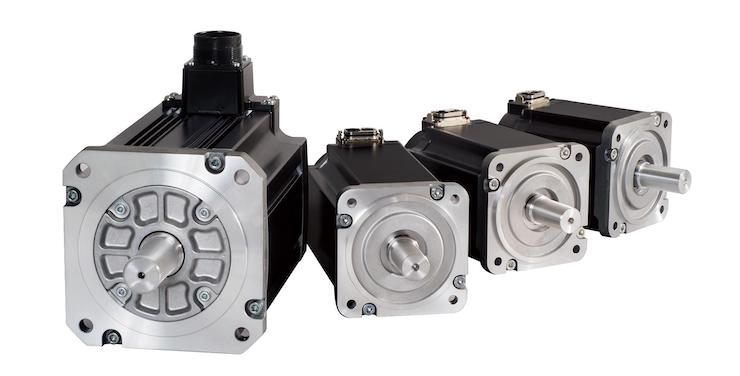
Les servomoteurs à courant alternatif offrent une couple et de puissance, ce qui peut sembler presque incroyable compte tenu de leur petite taille. Cette densité de puissance élevée permet aux ingénieurs d'intégrer ces moteurs dans des systèmes de production d'électricité. système compact et portable sans compromettre la vitesse ou les performances.
Les servomoteurs à courant alternatif sont plus petits et plus compacts. réduit l'inertie globale du système, ce qui améliore encore la réponse dynamique et l'efficacité globale du système, sans que l'installation soit encombrante ou prenne beaucoup de place.
6. Efficacité énergétique
Les taux d'efficacité énergétique sont souvent indiqués dans des conditions de fonctionnement idéales. Cependant, les servomoteurs à courant alternatif sont remarquable pour le maintien d'une efficacité élevée à des charges et des vitesses variables, même dans des environnements en perpétuel changement. Leur système de contrôle en boucle fermée minimise le gaspillage d'énergie en ne fournissant que le couple nécessaire à chaque instant.
Au fil du temps, cette distribution intelligente du couple et cette efficacité énergétique se traduisent par une réduction de la consommation globale d'énergie, Ils sont donc idéaux pour les systèmes d'automatisation multiaxes et multidimensionnels.
7. Intégration transparente avec les automates et les réseaux industriels
Les solutions modernes d'asservissement à courant alternatif sont conçues pour une intégration transparente avec PLC, HMI et autres réseaux de communication industrielle. Dans la plupart des cas, aucune intégration matérielle supplémentaire ou codage complexe n'est nécessaire pour permettre la connectivité.
Ce haut niveau d'adaptabilité permet aux ingénieurs de construire des systèmes avec un contrôle centralisé, La technologie de l'information et de la communication (TIC) permet une surveillance en temps réel et une synchronisation précise, même en cas d'utilisation sur plusieurs axes. Cette intégration est essentielle pour les usines intelligentes, où la coordination et l'optimisation basée sur les données sont des facteurs clés de performance et de compatibilité.
8. Maintenance réduite et fiabilité élevée du système
Les servos AC nécessitent entretien mécanique minimal en raison de l'absence de brosses, ce qui élimine l'usure liée à la friction. Par conséquent, la dégradation mécanique globale est considérablement réduite.
En outre, les servomoteurs à courant alternatif sont équipé d'un système avancé de diagnostic et de surveillance de l'état de l'appareil qui améliorent la fiabilité. Ces systèmes permettent l'autocorrection et la maintenance prédictive en identifiant les problèmes de performance potentiels avant qu'ils ne se transforment en pannes. Cette approche proactive minimise les temps d'arrêt des systèmes, prolonge leur durée de vie et fait des servomoteurs à courant alternatif un composant essentiel des systèmes d'alimentation en énergie. des systèmes d'automatisation modernes.
9. Évolutivité pour diverses applications
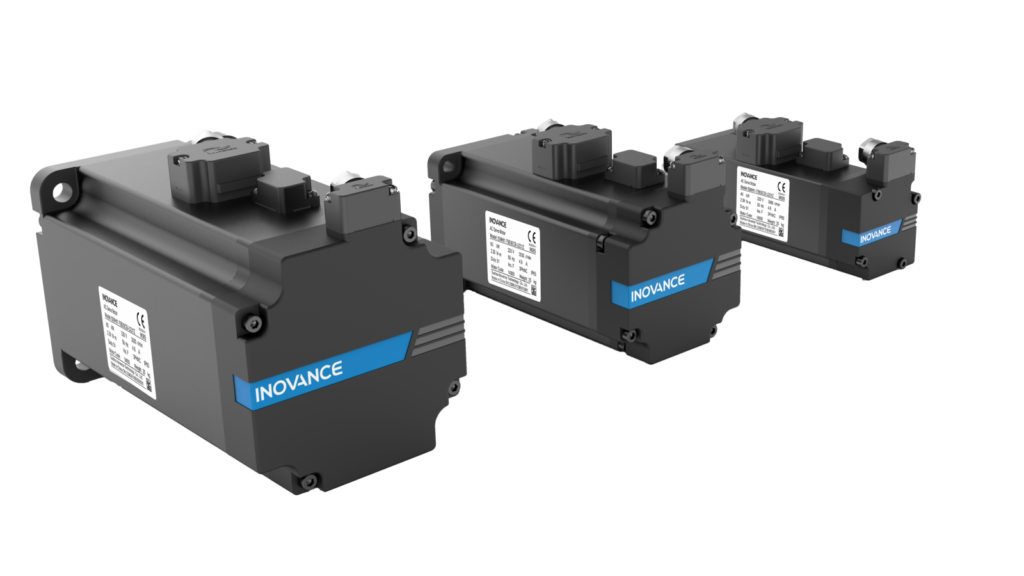
Les solutions d'asservissement AC sont capable de fonctionner dans une large gamme Ces moteurs peuvent être utilisés dans de nombreuses applications, qu'il s'agisse de simples systèmes de prise et de dépose ou de plates-formes complexes d'automatisation robotique à plusieurs axes. Ces moteurs s'adaptent efficacement à différentes configurations d'automatisation et offrent des performances sans faille à l'endroit et au moment voulus.
Leur nature adaptable permet aux fabricants et aux ingénieurs de standardiser les solutions de contrôle des mouvements tout en répondant aux exigences de performance variables des différents systèmes d'automatisation.
10. Intelligence de conduite avancée et capacité de réglage automatique
Le système en boucle fermée utilisé dans les servos modernes à courant alternatif permet de réglage automatique des performances sur la base d'un retour d'information en temps réel reçues des encodeurs. En outre, les servomoteurs modernes sont équipés d'algorithmes intelligents qui simplifient la configuration et l'optimisation du système.
La capacité d'autoréglage permet à ces moteurs d'ajuster automatiquement les paramètres de contrôle en fonction du comportement et des caractéristiques du système. Par conséquent, le temps de mise en service est considérablement réduit sans compromettre les performances. Les ingénieurs peuvent également pas besoin d'effectuer un étalonnage manuel approfondi pour que les moteurs répondent à des exigences opérationnelles spécifiques.
Globalement, ces solutions intelligentes pour servomoteurs AC permettent un déploiement plus rapide et une mise en service plus aisée des systèmes, tout en offrant des résultats cohérents et fiables sur plusieurs cycles de fonctionnement.
Où les servomoteurs AC ont-ils le plus d'impact ?
Vous devez maintenant avoir compris que les solutions d'asservissement à courant alternatif sont capables de fournir la valeur la plus élevée en termes d'économies d'énergie. tous les environnements liés à l'automatisation. Il s'agit d'un équipement idéal, en particulier dans les endroits où la précision des mouvements, le contrôle dynamique, la coordination et la synchronisation globale du système sont extrêmement importants et déterminent directement la productivité et le rendement de l'ensemble de l'installation.
L'impact des servos à courant alternatif devient plus évident dans les installations où la précision, Les exigences en matière de sécurité, de répétabilité et de réactivité sont très élevées. malgré des conditions d'exploitation externes en constante évolution.
Dans robotique et autres systèmes de mouvement exigeant un contrôle articulé, les servomoteurs AC permettent une bonne coordination multi-axes tout en assurant un contrôle fluide de la trajectoire et en fournissant une réponse rapide aux entrées de commande. Les bras robotiques, les tapis de prélèvement et de placement, les systèmes de prélèvement et de placement et les robots collaboratifs s'appuient fortement sur les servomoteurs pour obtenir un positionnement précis tout en garantissant des vitesses de cycle élevées et un fonctionnement sûr et fiable.
Machines CNC et autres systèmes d'usinage de précision sont un autre domaine courant dans lequel les servomoteurs à courant alternatif sont indispensables. Dans ces systèmes, un positionnement exact et une interpolation fluide sont nécessaires entre les différents axes pour maintenir la précision dimensionnelle et la finition globale de la surface. Ces systèmes motorisés assurent une accélération, une décélération et une synchronisation contrôlées, ce qui permet une coupe plus précise à des vitesses de broche plus élevées.
Systèmes de manutention et lignes d'assemblage automatisées sont également des domaines courants où le rôle des servomoteurs à courant alternatif n'est pas négociable. Ces systèmes bénéficient de la capacité des servomoteurs à gérer des charges variables et des profils de mouvement dynamiques. Parmi les exemples les plus courants, on peut citer les tables d'indexation, les systèmes de fixation automatisés et les lignes d'assemblage électronique, où il est essentiel d'avoir un mouvement contrôlé avec un minimum de vibrations et d'irrégularités.
Dans les lignes d'emballage et d'étiquetage, Les servomoteurs à courant alternatif permettent de répondre aux exigences critiques en matière de synchronisation. Ils permettent un contrôle précis des convoyeurs, des alimentateurs, des coupeurs, des scelleuses et des équipements connexes. La réponse rapide et la répétabilité de ces systèmes permettent de maintenir un débit constant tout en s'adaptant aux changements opérationnels fréquents.
Dans les machines d'impression, de transformation et les machines liées au textile, Les servocommandes de l'unité de production, les servocommandes de l'unité de production et les servocommandes de l'unité de production permettent un contrôle adéquat de la tension, ainsi qu'un enregistrement précis et un mouvement synchronisé. Ils garantissent une qualité de produit uniforme tout en permettant un fonctionnement à grande vitesse sans glissement ni instabilité.
En outre, les servomoteurs à courant alternatif jouent un rôle très important dans les domaines suivants l'automatisation des processus et les systèmes multi-axes synchronisés, Les systèmes de contrôle de la qualité peuvent être utilisés dans le cadre d'applications industrielles, où de multiples systèmes doivent fonctionner ensemble de manière parfaitement coordonnée. Leur intégration aux automates et aux réseaux industriels garantit un contrôle centralisé, un retour d'information en temps réel et une optimisation adaptative pour les grands systèmes et les chaînes de production étendues.
Dans l'ensemble, pour toutes ces applications, le facteur déterminant n'est pas seulement le mouvement, mais aussi le contrôle et l'efficacité de ce mouvement. Cela met en évidence la capacité des servomoteurs à courant alternatif à traduire de manière précise, réactive et fiable les entrées électriques en sorties productives, à réduire les déchets et à fournir des performances évolutives.
Servomoteurs à courant alternatif et autres technologies de mouvement
Bien que de nombreuses technologies de mouvement soient utilisées dans le domaine de l'automatisation, leur adéquation varie considérablement. Cette adéquation dépend de la précision, de la réactivité et de la complexité du système. Les servomoteurs AC se distinguent en offrant une combinaison équilibrée de précision de contrôle, de performance dynamique et de flexibilité d'intégration. Malheureusement, beaucoup d'autres solutions ne peuvent pas encore atteindre ce mélange de caractéristiques.
Tout d'abord, nous avons Solutions pas à pas qui sont couramment utilisés dans les systèmes de positionnement peu coûteux ou peu complexes. Ils sont utilisés dans des systèmes où ils peuvent fonctionner sans rétroaction dans la plupart des configurations. Par conséquent, ces unités présentent une capacité limitée en termes de compensation des variations de charge. À des vitesses plus élevées ou en cas de changements de charge imprévus, les solutions pas à pas peuvent perdre des pas sans que cela soit détecté. Elles sont donc moins adaptées aux applications nécessitant une fiabilité, une précision et un contrôle de mouvement dynamique élevés, ce que seuls les servomoteurs sont en mesure d'offrir.
Une autre installation motorisée moderne courante se présente sous la forme de Unités d'induction entraînées par VFD. Ces unités excellent dans plusieurs applications, en particulier celles qui sont axées sur le contrôle de la vitesse et le fonctionnement continu. En revanche, ils échouent lorsque la précision du positionnement est une condition sine qua non. Si les variateurs de fréquence permettent de régler la vitesse, ils n'offrent pas de retour d'information sur la position en temps réel.
Les installations d'induction entraînées par VFD ne peuvent pas non plus assurer un contrôle fin du couple, ce qui est par ailleurs très courant et facile à réaliser avec les systèmes servo. C'est pourquoi, moteurs à induction sont mieux adaptés aux pompes, aux ventilateurs et aux convoyeurs pour lesquels un contrôle précis du mouvement n'est pas essentiel.
Ensuite, nous avons le moderne Systèmes hydrauliques et pneumatiques. Ces systèmes sont capables de fournir une force de sortie élevée. Ils font également preuve d'une grande habileté et sont très efficaces dans les environnements difficiles. Cependant, ils présentent des limites en termes de précision, d'efficacité énergétique et de contrôlabilité. Les fuites de fluide, les fluctuations de pression et les exigences de maintenance plus élevées les rendent moins idéaux pour les systèmes d'automatisation modernes qui privilégient la précision, la propreté et l'intégration numérique.
En revanche, Les servos AC combinent un contrôle en boucle fermée, une réponse dynamique élevée et une intégration numérique transparente., Ils permettent un contrôle précis des mouvements dans une large gamme de tâches d'automatisation. Leur capacité à s'adapter à des charges changeantes, à synchroniser plusieurs axes et à s'intégrer à des systèmes de contrôle intelligents en fait le choix privilégié pour les environnements d'automatisation modernes, axés sur les données.
Voici une brève comparaison de quelques types de moteurs courants avec les solutions Servomotor AC qui peut vous aider à comprendre ce qui rend ces dernières meilleures :
| Critères | Servos AC | Marchepieds | Unités d'induction entraînées par VFD | Systèmes hydrauliques / pneumatiques |
| Méthode de contrôle | Boucle fermée avec retour d'information en temps réel | Principalement en boucle ouverte | Contrôle de la vitesse en boucle ouverte | Contrôle basé sur la pression / le débit |
| Précision de la position | Positionnement très élevé et précis | Modéré, par étapes | Faible, non axé sur la position | Faible à modéré |
| Compensation de la charge | Ajustement automatique en temps réel | Limité, risque de perte de pas | Médiocre sous des charges variables | Incohérence due aux variations de pression |
| Contrôle de la gamme de vitesse | Excellente dans une large gamme de vitesses | Limité à grande vitesse | Bon pour les vitesses continues | Contrôle fin limité |
| Réponse dynamique | Accélération et décélération rapides | Modéré | Lent à modéré | Lent et moins prévisible |
| Contrôle du couple | Couple précis à toutes les vitesses | Chute à des vitesses plus élevées | Précision limitée du couple | Une force élevée mais une précision médiocre |
| Efficacité énergétique | Élevée dans des conditions réelles d'utilisation | Modéré | Efficace pour les charges constantes | Efficacité généralement faible |
| Intégration des systèmes | Sans faille avec les automates et les réseaux | Intégration limitée | Intégration de base | Complexe et indirecte |
| Exigences en matière de maintenance | Faible | Faible à modéré | Faible | Élevée (fuites, usure, problèmes de fluides) |
| Évolutivité et flexibilité | Hautement évolutif, prêt à fonctionner sur plusieurs axes | Extensibilité limitée | Limité au contrôle de la vitesse | Faible évolutivité |
| Cas d'utilisation typiques | Robotique, CNC, emballage, automatisation | Positionnement à faible coût | Pompes, ventilateurs, convoyeurs | Applications de force lourde |
Obtenez dès aujourd'hui des servomoteurs CA fiables pour vos besoins auprès de DMKE !
À DMKE, Nous proposons des produits prêts à l'emploi et des solutions motorisées sur mesure pour répondre à tous vos besoins en matière d'automatisation industrielle. Toutes nos solutions subissent des tests rigoureux en 8 étapes avant d'être mis en vente. Nos produits sont donc indéniablement fiables et offrent des performances inégalées dans toutes les conditions.
Visitez notre site Web et contactez-nous dès aujourd'hui pour mettre la main sur les servos les plus précis, les plus fiables et les plus percutants qui dépassent vos attentes. Vous ne savez pas quel servo convient le mieux à votre système ? Laissez nos experts vous aider avec des consultations détaillées et des conseils d'experts disponibles à chaque étape de votre expérience d'achat.

 English
  English (Australia)
  English (Canada)
  Deutsch
  English (UK)
  Français