
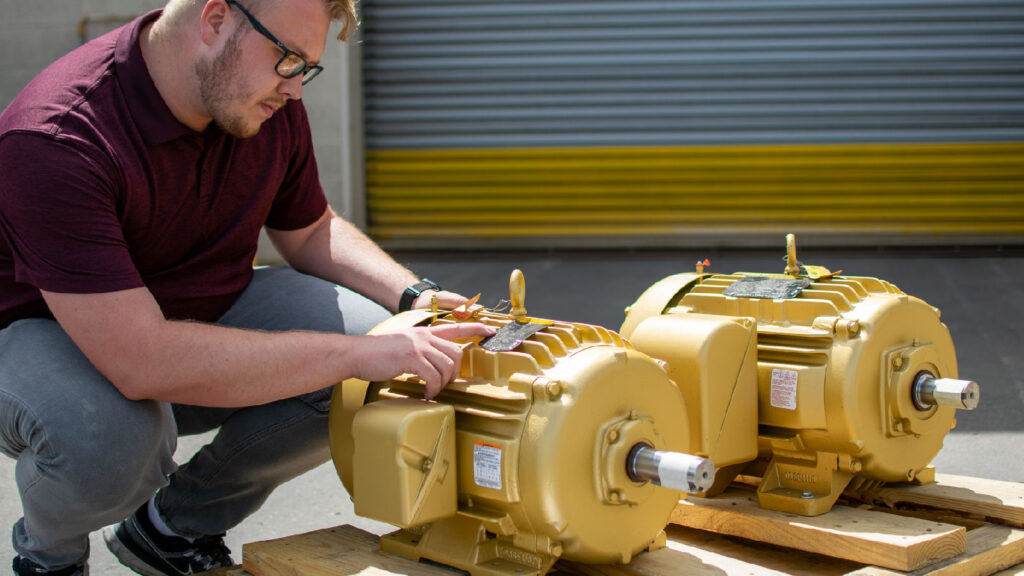
Les moteurs destinés à l'automatisation industrielle tombent rarement en panne sans avertissement. Cependant, lorsqu'ils tombent en panne, les conséquences sont immédiates et extrêmement coûteuses. Les chaînes de production s'arrêtent, les temps d'arrêt sont souvent très longs, les factures d'énergie explosent et les équipes de maintenance se démènent. Dans la plupart des cas, ce que vous considérez comme un achat permettant de réaliser des économies se transforme soudain en une perte de temps et d'argent. passif opérationnel à long terme qui entraîne des coûts supplémentaires.
Dans la plupart des cas, le problème de fond n'est pas le moteur lui-même, mais la décision d'achat au hasard derrière cela. Le plus souvent, les services d'achat sont principalement motivés par le prix, la disponibilité et la familiarité avec la marque pour prendre une décision d'achat à la hâte. De nombreuses personnes du service des achats ne sont souvent pas équipées techniquement pour comprendre les questions essentielles concernant le dimensionnement, l'efficacité, l'isolation et l'indice de protection environnementale du moteur. Nombre d'entre eux ne savent même pas comment évaluer les performances à long terme et préfèrent prendre des décisions précipitées et négligées.
En conséquence, ils finissent par l'achat et l'installation d'un système qui surchauffe fréquemment, consomme trop d'énergie et présente des défaillances prématurées, et entraîne des temps d'arrêt imprévus qui perturbent l'ensemble des opérations industrielles et portent atteinte aux marges bénéficiaires.
Les moteurs industriels ne sont pas de simples composants. l'épine dorsale de toute l'industrie et ses systèmes de fabrication. Ces dispositifs puissants font fonctionner les systèmes de fabrication, les lignes d'automatisation, les unités HVAC, les systèmes de pompage et les processus de manutention. Pour obtenir des dispositifs aussi importants, le choix d'un mauvais fournisseur entraîne des risques opérationnels accrus, tandis que le choix du bon fournisseur garantit une installation motorisée qui améliore la fiabilité, l'efficacité, les performances globales et offre un rapport qualité-prix inégalé.
Les acheteurs et les ingénieurs avisés comprennent que le coût réel d'un moteur n'est pas seulement son prix d'achat. Il s'agit du le coût total de possession, qui implique l'énergie qu'il consomme, l'entretien qu'il nécessite et les temps d'arrêt qu'il peut causer au fil des ans, qui importe le plus.
Avant de vous engager dans votre prochain achat, il est donc important de prendre des mesures calculées, surtout lorsqu'il s'agit d'investir ou de choisir un moteur pour des installations industrielles. Vous trouverez ci-dessous 10 questions essentielles que vous devez poser à vos fournisseurs avant d'effectuer un tel achat.
En résumé, nous pensons que vous ne devriez que choisir un fournisseur qui peut répondre en toute confiance à chacune de ces questions d'entre eux.
Les 10 questions clés
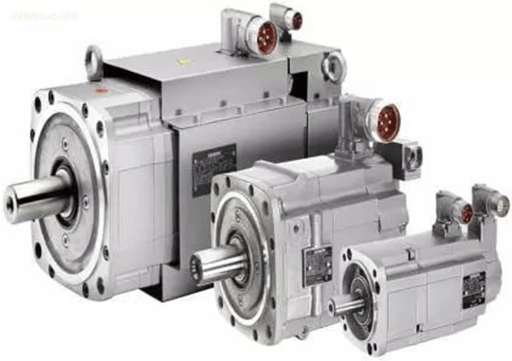
Un fournisseur de moteurs ne doit pas se contenter de proposer un prix et de fournir une fiche technique. Le fournisseur de moteurs doit être capable de faire plus que de proposer un prix et de fournir une fiche technique. le bon type de fournisseur est celui qui possède la bonne expertise et qui agit en tant que partenaire technique et guide. Un tel fournisseur peut vous aider à évaluer vos exigences en matière de charge, vos conditions de fonctionnement, votre efficacité à long terme et le coût du cycle de vie avant que vous ne finalisiez votre achat.
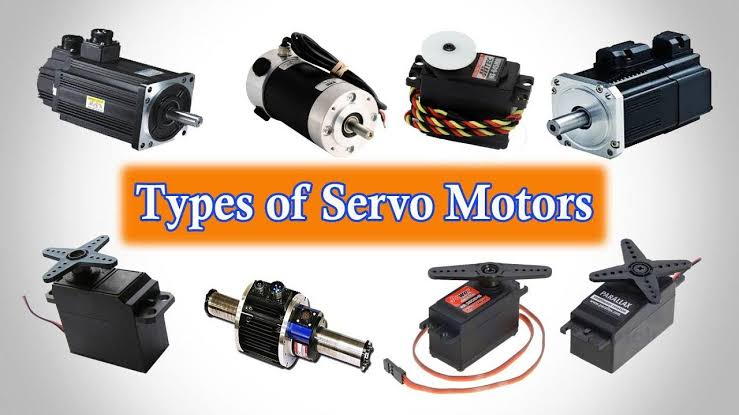
Vous trouverez ci-dessous 10 questions destinées à déterminer si un fournisseur est réellement capable de comprendre votre demande, ou se contente de vous vendre une servomoteur, BLDC, ou toute autre unité pour se remplir les poches. Chaque question peut sembler simple, mais les réponses, et les couches qui les composent, révèlent des informations essentielles sur les performances, la fiabilité, la consommation d'énergie, la durabilité et les risques opérationnels à long terme.
Question 1 : Le moteur est-il correctement dimensionné pour ma charge ?
Pour comprendre le dimensionnement correct d'un moteur, il faut d'abord comprendre le profil de charge du système. Avant d'acheter un appareil, vous devez déterminer s'il est destiné à fonctionner sous une charge constante, une charge variable ou une charge cyclique. Il faut savoir s'il fonctionnera à pleine capacité tout au long de la journée ou s'il connaîtra des pauses intermittentes. Assurez-vous de savoir s'il y aura des changements fréquents de vitesse ou des fluctuations de couple.
Un fournisseur compétent doit demander questions détaillées sur votre demande. En effet, les pompes, les convoyeurs, les compresseurs, les mélangeurs et les systèmes à forte inertie ont tous des exigences opérationnelles différentes de celles de l'installation qui les fait fonctionner. Sans analyse de la demande de charge réelle, la sélection d'une installation devient une supposition plutôt qu'une décision d'ingénierie judicieuse.
Détermination du cycle de travail est également très important pour déterminer la bonne taille. Le fonctionnement continu (service S1) impose des exigences thermiques très différentes à un dispositif par rapport à un fonctionnement intermittent ou à cycle court. Les démarrages et arrêts fréquents augmentent l'accumulation de chaleur et les contraintes mécaniques, tandis que les exigences de couple de démarrage élevé peuvent nécessiter une capacité de puissance supplémentaire. Si ces conditions ne sont pas prises en compte, le moteur peut fonctionner en dehors de sa plage opérationnelle optimale.
Les deux les risques de sous-dimensionnement et de surdimensionnement doit être soigneusement évaluée. Une installation sous-dimensionnée surchauffera, consommera un courant excessif et tombera en panne prématurément. Une installation surdimensionnée, en revanche, peut sembler être l'option la plus sûre, mais elle fonctionne souvent de manière inefficace à charge partielle. Cela entraîne une consommation d'énergie inutile et des coûts d'exploitation plus élevés à long terme.
Le bon fournisseur doit calculer soigneusement les marges de charge, plutôt que de simplement recommander le modèle plus grand suivant pour plus de sécurité. S'il se contente de suggérer un modèle plus grand par sécurité, il n'est pas le fournisseur que vous recherchez. Un dimensionnement correct garantit des performances stables, une efficacité accrue et une durée de vie prolongée. Vous avez ainsi l'assurance de recevoir une installation qui fonctionne exactement comme prévu.
Question 2 : Quel est le rendement du moteur ?
Le rendement d'un moteur est directement détermine la quantité d'énergie électrique convertie en puissance mécanique utilisable. Il indique également la quantité d'énergie perdue sous forme de chaleur. Même une petite différence dans le pourcentage d'efficacité peut avoir un impact significatif sur les factures annuelles d'électricité, en particulier dans les installations qui fonctionnent de 8 à plus de 20 heures par jour. Au fil du temps, un rendement inférieur signifie que l'on consomme plus d'énergie pour fournir la même puissance, ce qui augmente tranquillement les dépenses d'exploitation mois après mois.
Pour comprendre l'impact de la consommation d'énergie, il faut regarder au-delà de la puissance indiquée sur la plaque signalétique. Vous devez demander à votre fournisseur si le moteur est conforme à des classes d'efficacité reconnues telles que IE2, IE3 ou plus. Il est également conseillé de demander des données sur les performances dans des conditions de charge réelles et de ne pas se contenter des chiffres à pleine charge. De nombreuses installations fonctionnent en dessous de la capacité nominale et le rendement peut varier en fonction du pourcentage de charge.
L'avantage pratique d'une plus grande efficacité apparaît clairement lorsqu'on évalue les économies à long terme. Bien qu'une installation de qualité supérieure puisse coûter un peu plus cher au départ, la réduction de la consommation d'électricité sur trois à cinq ans compense souvent facilement cette différence. Dans les environnements à forte utilisation, l'amélioration de l'efficacité peut se traduire par des milliers de dollars économisés chaque année, ainsi que la réduction des contraintes thermiques et l'allongement de la durée de vie des composants.
Question 3 : Quelle est la classe d'isolation utilisée ?
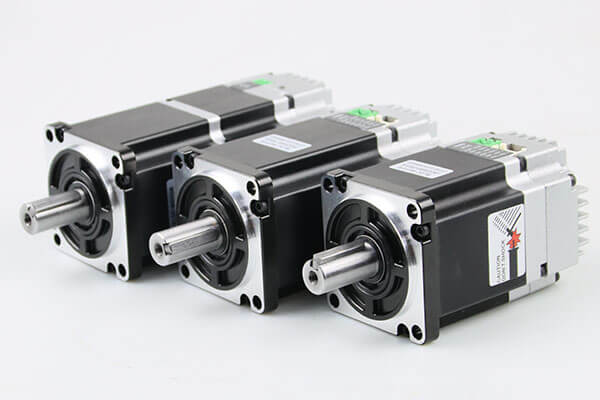
Classe d'isolation fait référence à température maximale que peut supporter l'isolation des enroulements d'une installation avant que la dégradation ne commence. Il ne s'agit pas d'un détail technique mineur qui peut être ignoré. Au contraire, la défaillance de l'isolation est l'une des principales causes des pannes majeures de l'installation du moteur. Si les limites thermiques sont dépassées de manière répétée, l'isolation vieillit rapidement. Cela entraîne des courts-circuits, des dommages aux bobines et des temps d'arrêt coûteux.
Les différentes classes d'isolation, telles que A, B, F ou H, sont conçu pour tolérer des températures variables seuils. Plus la classe est élevée, plus le moteur est capable de supporter les contraintes thermiques. Toutefois, une conception correcte exige également le maintien d'une marge thermique adéquate en dessous de la température maximale admissible afin d'allonger la durée de vie globale de l'installation.
Quand l'évaluation de la durée de vie en cas de stress thermique, La température ambiante, les conditions de ventilation et l'intensité de la charge doivent être prises en compte. Les installations fonctionnant dans des environnements industriels chauds ou des espaces clos nécessitent une plus grande tolérance thermique.
Un fournisseur qui n'est pas en mesure d'expliquer clairement l'adéquation de l'isolation et qui ne sait pas exactement comment elle s'aligne sur vos conditions d'exploitation ne tient pas compte de ce qui suit l'un des facteurs les plus critiques dans la fiabilité à long terme du moteur et ne doit pas être considéré comme fiable.
Question 4 : Quel indice IP correspond à mon environnement ?
La protection de l'environnement est un facteur critique qui a un impact direct sur la durée de vie et la fiabilité d'un moteur. L'indice de protection IP, ou Indice de protection contre les agressions, définit le degré de protection de l'installation contre l'humidité, la poussière et les conditions de fonctionnement difficiles. Dans les environnements industriels où les particules en suspension dans l'air, l'humidité, les lavages et l'exposition à l'extérieur sont courants, une protection inadéquate peut entraîner la corrosion, la détérioration de l'isolation et une défaillance prématurée.
Le choix de l'indice IP correct est important car il reflète une compréhension claire de votre environnement d'exploitation. Par exemple, les installations où il y a beaucoup de poussière ou de particules fines ont besoin d'une protection contre la poussière. des joints d'étanchéité solides pour éviter toute contamination interne. En revanche, les opérations exposées à l'humidité, aux éclaboussures d'eau, à la pluie ou aux processus de nettoyage chimique exigent souvent des niveaux plus élevés de protection contre l'humidité. Si l'indice de protection IP de votre installation ne correspond pas à ses conditions environnementales, le risque de temps d'arrêt augmente considérablement.
Le choix entre des modèles fermés et ouverts joue également un rôle important. Les installations ouvertes à l'abri des gouttes peuvent convenir à des environnements intérieurs propres et contrôlés. Cependant, ils ne sont pas idéaux pour les conditions industrielles agressives. Totalement fermé et refroidi par ventilateur (TEFC) offrent une protection et une durabilité accrues dans les applications exigeantes. Vous devez faire confiance à un fournisseur qui comprend les indices IP et les adapte soigneusement aux conditions de travail de votre site.
Question 5 : Quels sont les matériaux utilisés en interne ?
La qualité et la capacité réelles d'une installation motorisée sont les suivantes déterminé par ce qu'il contient. Les composants internes ont une incidence directe sur les performances, la stabilité, la gestion de la chaleur et la durée de vie globale d'une installation.
L'un des facteurs les plus importants est la qualité du cuivre utilisé dans les enroulements. Les enroulements en cuivre de haute pureté améliorent la conductivité électrique, réduisent les pertes résistives et améliorent l'efficacité globale. Les matériaux de moindre qualité peuvent réduire les coûts initiaux, mais ils génèrent souvent un excès de chaleur et un gaspillage d'énergie au fil du temps, ce qui se traduit par des factures d'électricité plus élevées.
Paliers sont un autre élément critique influençant la durabilité. Leur qualité, leur capacité de charge et leur lubrification déterminent la capacité du moteur à supporter les contraintes radiales et axiales. Les roulements de qualité inférieure doivent être évités, car ils peuvent être à l'origine de bruits, de vibrations, de défaillances mécaniques précoces et d'effondrements en cas de charge élevée ou d'utilisation continue.
Pour les moteurs à balais, le la qualité des brosses est également importante. La composition des balais de carbone affecte le taux d'usure, les performances de commutation et les intervalles de maintenance. Des balais de mauvaise qualité augmentent la production d'étincelles et nécessitent un remplacement plus fréquent. Un fournisseur réputé doit être transparent sur les spécifications internes des matériaux et ne pas se contenter d'allégations de performances superficielles.
Question 6 : Comment le moteur gère-t-il le démarrage et les charges de pointe ?
Lors du démarrage, le moteur est soumis aux contraintes électriques et mécaniques les plus fortes. Lors des démarrages, les moteurs peuvent consommer un courant plusieurs fois plus élevé que le courant de fonctionnement nominal. Lorsqu'il n'est pas géré correctement, ce courant peut endommager les systèmes électriques, déclencher les dispositifs de protection et augmenter l'usure des enroulements. Les fournisseurs doivent mentionner les caractéristiques du courant de démarrage et indiquer si des démarreurs progressifs ou d'autres méthodes de contrôle sont nécessaires.
Les exigences en matière de couple pour vos applications sont également importants. Les charges à forte inertie telles que les convoyeurs, les concasseurs ou les compresseurs nécessitent un couple de démarrage élevé. Les moteurs qui ne parviennent pas à fournir un couple Les appareils qui ne sont pas utilisés pendant le démarrage peuvent caler, surchauffer ou subir des cycles de stress répétés, ce qui raccourcit leur durée de vie. Connaître les conditions de charge maximale garantit des performances fiables.
Systèmes utilisant le contrôle de la vitesse nécessite une compatibilité avec le VFD. Tous les moteurs ne sont pas conçus pour fonctionner avec des pilotes à fréquence variable. Une adaptation imprécise peut entraîner des contraintes d'isolation, une distorsion harmonique et une surchauffe. Un fournisseur compétent doit indiquer si le moteur est adapté à l'onduleur et s'il est parfait pour les applications à vitesse variable ou non.
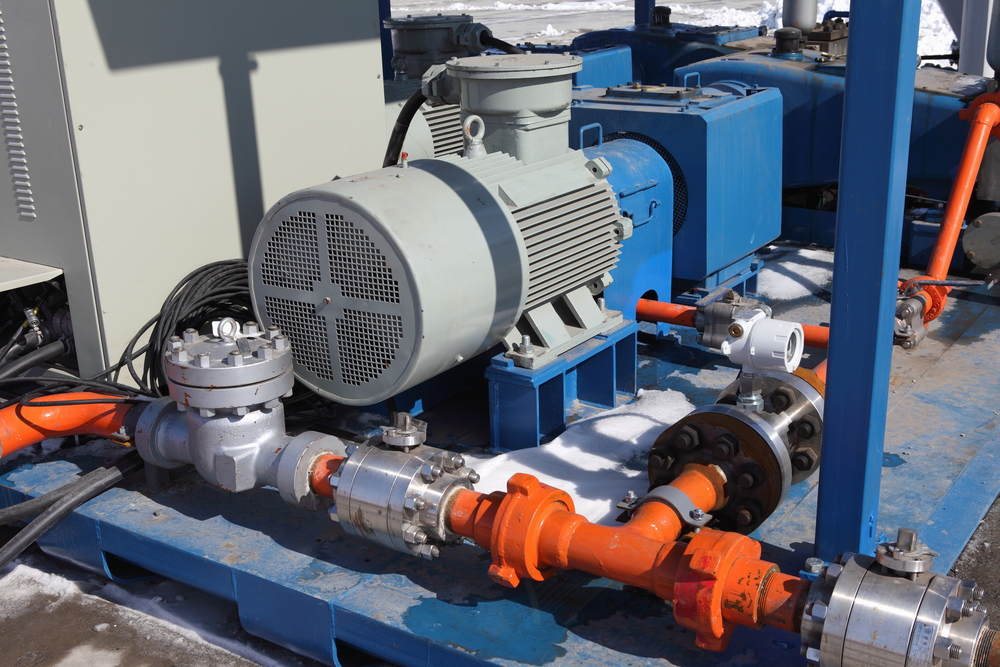
Question 7 : Quels sont les travaux d'entretien à prévoir ?
La conception du moteur et les conditions de fonctionnement déterminent la fréquence d'entretien. Connaître les intervalles d'inspection aider l'équipe de maintenance à éviter les pannes inattendues. Le fournisseur doit mentionner le calendrier d'entretien en fonction du fonctionnement du moteur.
Les principaux composants, comme les balais et les roulements, doivent également être inspectés. Dans les moteurs à balais, le taux d'usure des balais régule la fréquence de remplacement et la planification des temps d'arrêt. Les roulements, quant à eux, sont soumis à des contraintes mécaniques et à des défaillances de lubrification.
Question 8 : Quelle est la garantie et l'assistance technique incluses ?
La garantie et l'assistance technique offertes par le fournisseur aident à comprendre la qualité du produit et les normes de fabrication. Au lieu de la durée de la garantie, il convient de se concentrer sur ce que la garantie couvre. Les acheteurs doivent obtenir une documentation claire sur les conditions, la procédure de réponse et les délais de réclamation.
En plus d'une couverture documentée, les acheteurs devraient également évaluer l'assistance technique. Les acheteurs doivent savoir si le fournisseur peut fournir des conseils avant l'installation ou s'il aidera à résoudre les problèmes de performance. L'assistance technique permet d'éviter que des problèmes mineurs ne se transforment en défaillances majeures. Les fournisseurs qui offrent une assistance technique font preuve d'un partenariat à long terme.
La disponibilité des pièces détachées est également important. Le temps nécessaire à l'approvisionnement en roulements, brosses ou composants de remplacement peut perturber les opérations. Veillez à demander si les pièces sont stockées localement, quels sont les délais d'approvisionnement et à quelle vitesse les interventions de service peuvent être organisées. Des services après-vente fiables limitent l'incertitude opérationnelle et assurent la continuité de la production.
Question 9 : Des rapports sur les tests de performance sont-ils disponibles ?
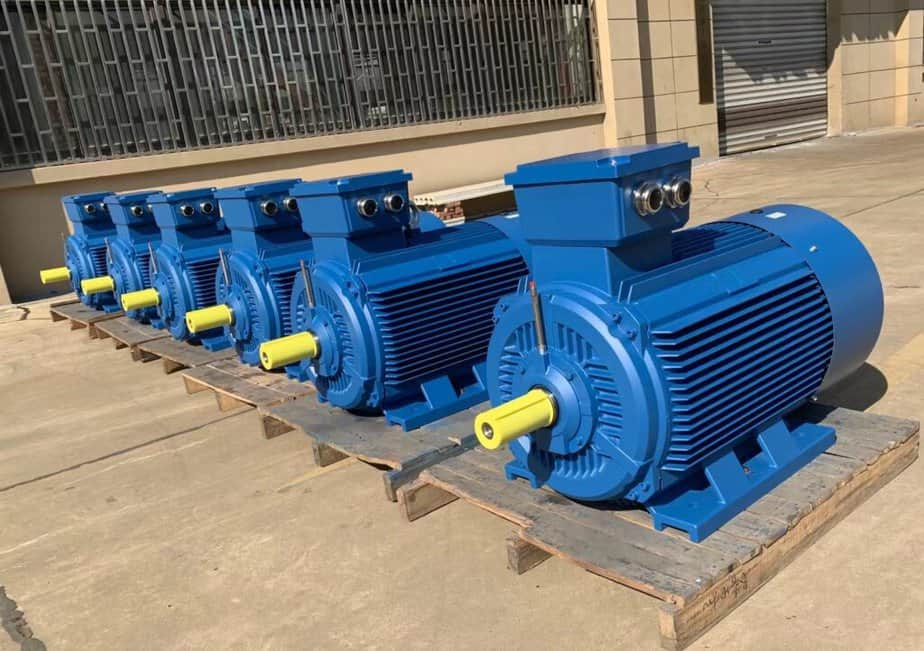
Principaux fournisseurs effectuer des essais en usine pour s'assurer que le moteur répond aux normes nominales de puissance, de performance thermique et d'efficacité. Les rapports d'essais de performance constituent une preuve, et les acheteurs doivent demander cette preuve documentée.
Courbes d'efficacité indiquent comment le moteur se comporte en fonction de différents pourcentages de charge, et sont donc importants. Comme de nombreux moteurs ne fonctionnent pas à pleine charge, le fait de connaître le comportement réel du rendement aide à l'estimation de la consommation d'énergie. En l'absence de ces données, il est difficile d'estimer le coût avec précision.
Données thermiques montre l'augmentation de la température lors d'opérations spécifiques, ce qui permet de déterminer si le système d'isolation reste dans les limites de sécurité. Une chaleur excessive peut réduire la durée de vie du moteur, c'est pourquoi il est important de disposer de marges thermiques précises.
Les acheteurs doivent questions sur la certification et la conformité à une certaine norme. La validation par un tiers garantit également que le moteur répond aux normes de sécurité et de performance. Une documentation claire garantissant la discipline de fabrication et le contrôle de la qualité est importante dans les applications industrielles.
Question 10 : Quel est le coût total de possession ?
Le prix d'achat du moteur n'est pas son coût réel. Le coût total de possession comprend la consommation d'énergie, les besoins de maintenance, le risque d'immobilisation, et la durée de vie prévue au fil des ans. Dans certains contextes industriels, les dépenses énergétiques peuvent parfois dépasser le coût initial du moteur au cours des premières années de fonctionnement.
Pour déterminer les coûts énergétiques, il faut évaluer les heures d'ouverture, Les acheteurs devraient demander une comparaison du coût du cycle de vie au lieu de se concentrer uniquement sur le coût initial. Les acheteurs devraient demander une comparaison du coût du cycle de vie au lieu de se concentrer uniquement sur le coût initial.
Les coûts d'entretien augmentent également avec le temps. L'entretien courant, le remplacement des roulements, l'usure des balais et les cycles de lubrification doivent être pris en compte dans l'établissement du budget. Les moteurs dont les composants sont de qualité médiocre peuvent sembler moins chers au départ, mais ils nécessitent une maintenance coûteuse au fil du temps.
Le risque de temps d'arrêt doit également être pris en compte. Les moteurs qui tombent en panne pendant la production ont un impact sur les délais de livraison, l'engagement de la production et augmentent le coût de la main-d'œuvre. Un moteur présentant de meilleurs paramètres de fiabilité se traduit par un meilleur retour sur investissement, même si son coût est plus élevé au départ. Les acheteurs avisés tiennent toujours compte du coût du cycle de vie, et pas seulement le coût initial, pour choisir un moteur économique à long terme.
| Facteur / Question | Ce qu'il faut vérifier | Pourquoi c'est important |
| Profil de charge et cycle d'utilisation | Dimensionnement correct, charge de pointe ou charge continue | Prévient la surchauffe, le gaspillage d'énergie et les défaillances prématurées |
| Taux d'efficacité | Classe IE, courbes d'efficacité | Réduction des coûts énergétiques, amélioration du retour sur investissement |
| Classe d'isolation | Limite thermique, classe B/F/H | Détermine la durée de vie en cas de stress thermique |
| Indice de protection IP | Résistance à la poussière et à l'humidité, type de boîtier | Protège contre les dommages environnementaux |
| Matériel interne | Qualité du cuivre, roulements, brosses | Garantit la durabilité et la fiabilité |
| Démarrage et charge de pointe | Courant d'appel, couple, compatibilité VFD | Prévient le calage, réduit les contraintes électriques |
| Besoins d'entretien | Intervalles d'inspection, pièces de rechange, prévisibilité des services | Minimise les temps d'arrêt et les coûts non planifiés |
| Garantie et assistance | Période de couverture, assistance technique, disponibilité des pièces de rechange | Réduction des risques et de l'incertitude opérationnelle |
| Rapports de performance | Efficacité, données thermiques, certifications | Confirme que les spécifications annoncées sont réelles |
| Coût total de possession | Énergie, maintenance, temps d'arrêt, retour sur investissement | Garantir la valeur à long terme et la prévisibilité des coûts |
Obtenez des moteurs de qualité qui durent longtemps - Prenez contact avec DMKE dès aujourd'hui !
À DMKE, Nos experts connaissent la science qui se cache derrière chacun de leurs appareils. Nous ne nous contentons pas d'utiliser des composants de qualité pour fabriquer nos produits.e fabriquer des moteurs de qualité ; nous veillons également à ce que cette qualité se reflète dans l'utilisation de nos articles.
Qu'il s'agisse d'un servo prêt à l'emploi ou d'un BLDC ou consulter nos experts pour personnalisez-le en fonction de vos besoins, Nous nous assurons de vous fournir les l'unité la plus appropriée, testé en 8 étapes rigoureuses.
Visitez notre site Web et nous contacter aujourd'hui pour mettre la main sur les meilleurs moteurs qui garantissent la transparence et l'expertise de leur fournisseur.

 English
  English (Australia)
  English (Canada)
  Deutsch
  English (UK)
  Français