
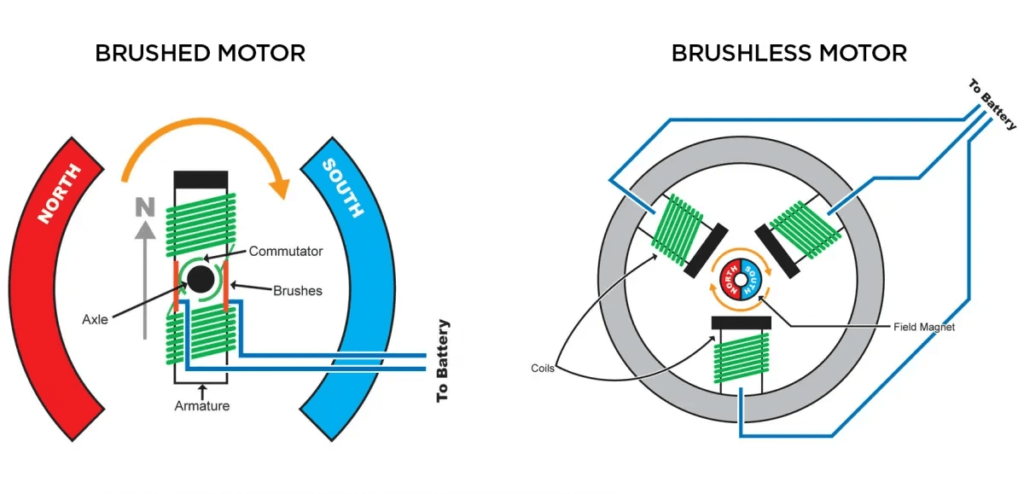
Aujourd'hui, les acheteurs industriels choisissent de plus en plus les moteurs à courant continu sans balais en raison de leur réputation en matière d'efficacité, de contrôle de la précision et de réduction de la maintenance. Cependant, de nombreuses décisions d'achat sont prises sur la seule base des performances annoncées, sans que l'on comprenne parfaitement les avantages et les inconvénients des moteurs à courant continu sans balais. compromis pratiques dans des environnements d'exploitation réels. Bien que la technologie BLDC présente des avantages évidents, elle n'est pas automatiquement la bonne solution pour toutes les applications.
Dans les usines, les systèmes d'automatisation, les équipements de chauffage, de ventilation et de climatisation et les solutions de mobilité, le choix du moteur a une incidence directe sur les coûts d'exploitation, les risques d'immobilisation et la fiabilité à long terme. Le choix d'un mauvais type de moteur peut entraîner des difficultés d'intégration, des dépenses imprévues ou des limitations de performances qui n'apparaissent qu'après l'installation. A une compréhension technique équilibrée aide les acheteurs à évaluer si les avantages justifient réellement l'investissement.
Ce guide fournit une explication pratique et axée sur l'industrie des moteurs à courant continu sans balais, couvrant leurs avantages, leurs principaux inconvénients, leur durée de vie prévue et les idées fausses les plus courantes, comme la raison pour laquelle les véhicules électriques utilisent souvent d'autres conceptions de moteurs. À la fin du guide, les décideurs industriels auront la clarté nécessaire pour déterminer quand un moteur BLDC est le meilleur choix. le bon choix en matière d'ingénierie et quand d'autres options peuvent s'avérer plus avantageuses. Lisez donc la suite :
Comprendre les CC sans balais
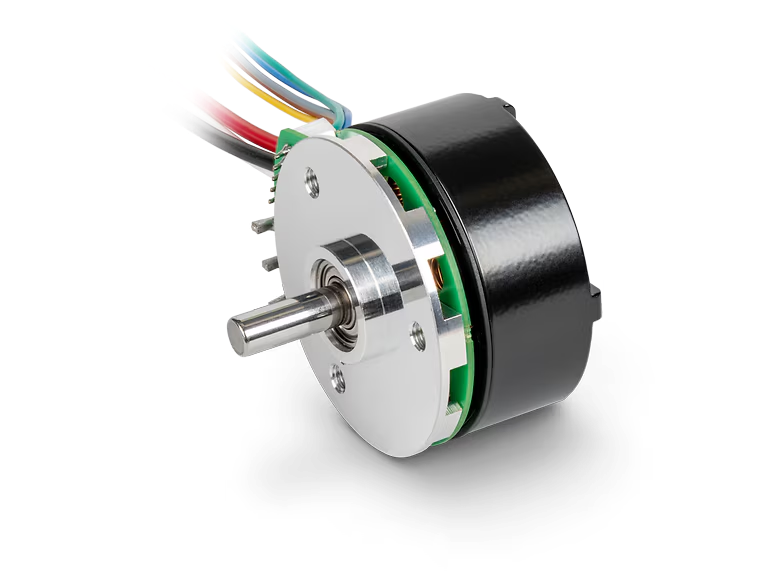
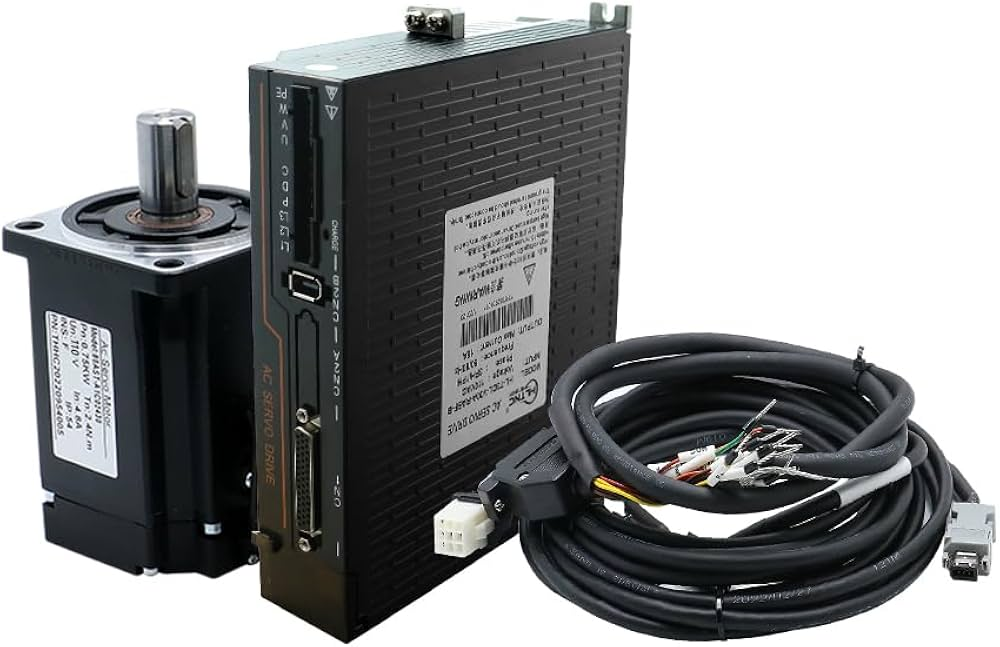
Les c.c. sans balais, communément appelés Moteurs BLDC, Les moteurs à balais de la série A sont conçus pour offrir un mouvement contrôlé avec une efficacité supérieure à celle des moteurs à balais traditionnels. Au lieu de s'appuyer sur des brosses physiques pour transférer le courant électrique, ces unités utilisent une commutation électronique pour gérer la rotation. Ce changement élimine les pertes liées à la friction et permet aux des performances plus stables dans des conditions d'exploitation variables.
Au cœur de la BLDC se trouve un contrôleur électronique qui détermine le moment où le courant circule dans les différents enroulements du moteur. Des capteurs ou des algorithmes sans capteur surveillent en permanence la position du rotor et ajustent la puissance fournie en temps réel. Cette commutation électronique permet une sortie de couple plus régulière et une meilleure réactivité, ce qui est particulièrement important dans l'automatisation et les équipements de précision où la régularité des mouvements est primordiale.
D'un point de vue industriel, cette conception déplace la complexité des composants mécaniques vers l'électronique. Bien que le nombre réduit de pièces de contact mobiles réduise l'usure, le succès du fonctionnement dépend fortement de la compatibilité du contrôleur et de l'intégration du système. Les acheteurs qui évaluent les solutions BLDC doivent donc considérer à la fois le moteur et son écosystème de contrôle comme un tout. système d'exploitation unique, et non des éléments distincts.
Comment fonctionnent les BLDC ?
Dans une unité brossée, les balais mécaniques commutent physiquement le courant en tant que rotor tourne. Un moteur à courant continu sans balais remplace ce processus par des signaux électroniques générés par un contrôleur. Le contrôleur alimente les enroulements du stator de manière séquentielle, créant un champ magnétique rotatif qui déplace le rotor sans contact physique.
Comme la commutation se fait électroniquement, sLa vitesse et le couple peuvent être ajustés avec une grande précision. Les machines industrielles bénéficient d'une accélération plus douce, de vibrations réduites et d'un rendement prévisible sous des charges variables. C'est pourquoi les BLDCs sont fréquemment choisis pour la robotique, les systèmes de positionnement CNC et les convoyeurs automatisés, où la régularité des mouvements influe directement sur la qualité du produit.
Toutefois, cette précision introduit également une dépendance à l'égard des composants électroniques. Une programmation, un câblage et des systèmes de protection adéquats sont essentiels pour atteindre les objectifs suivants un fonctionnement fiable à long terme.
Moteurs à courant continu sans balais sont largement utilisés dans des environnements où l'efficacité et le contrôle l'emportent sur la simplicité. Dans les lignes d'automatisation des usines, les moteurs BLDC entraînent des bras robotisés qui doivent répéter des milliers de fois des mouvements avec un minimum d'écart. Les systèmes CVC les utilisent dans les ventilateurs à vitesse variable pour réduire la consommation d'énergie en cas de charge partielle.
Équipement médical Les fabricants de moteurs électriques s'appuient également sur la technologie BLDC, car les faibles vibrations améliorent la précision et réduisent le bruit mécanique. De même, les drones et les plateformes de mobilité électrique bénéficient d'une construction légère combinée à une efficacité de couple élevée.
Ces exemples mettre en évidence une information importante en matière d'achat. Les moteurs BLDC sont plus performants lorsque les applications exigent de la précision, des cycles de fonctionnement continus ou une optimisation de l'énergie plutôt qu'un simple mouvement de marche et d'arrêt. Comprendre cette adéquation avec l'application permet aux acheteurs d'éviter de sélectionner une technologie avancée lorsqu'une solution plus simple pourrait permettre d'obtenir le même résultat à un coût inférieur.
Quels sont les inconvénients d'un moteur à courant continu sans balais ?
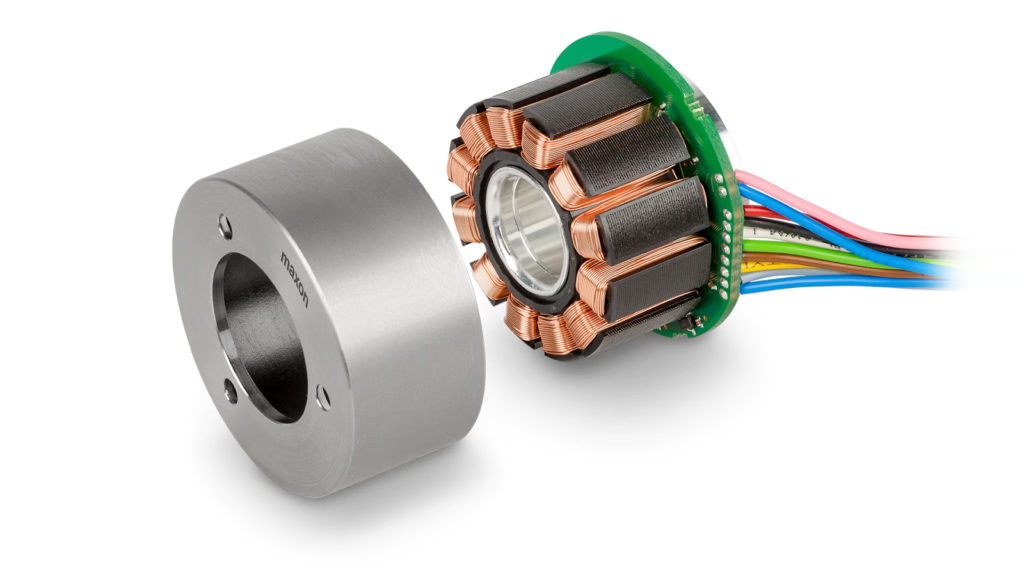
Les moteurs à courant continu sans balais sont souvent présentés comme une solution supérieure pour les systèmes industriels modernes, mais aucune technologie de moteur n'est sans limites. Comprendre les inconvénients ne réduit pas leur valeur. Au contraire, elle aide les acheteurs à prendre des décisions éclairées basées sur les besoins opérationnels plutôt que sur des affirmations marketing.
Dans de nombreux cas, les problèmes de performance surviennent non pas parce que le moteur est défectueux, mais parce qu'il est utilisé dans le mauvais environnement ou sélectionné sans tenir compte de la complexité du système. La reconnaissance de ces problèmes permet aux ingénieurs d'atteindre les objectifs suivants une meilleure adéquation des applications et éviter des ajustements coûteux par la suite.
- Coût initial plus élevé
L'un des inconvénients les plus notables de la moteurs à courant continu sans balais est l'investissement initial plus élevé. Contrairement aux moteurs à balais, les systèmes BLDC nécessitent des contrôleurs électroniques, des capteurs et des pilotes compatibles pour fonctionner correctement. Ces composants supplémentaires augmentent le coût total du système au-delà du moteur lui-même.
Par exemple, une usine de fabrication qui modernise plusieurs systèmes de convoyage peut constater que le remplacement de douzaines de moteurs conventionnels par des unités BLDC permet de réduire considérablement les coûts d'exploitation. augmente les dépenses initiales en capital. Si les économies d'énergie peuvent compenser les coûts au fil du temps, toutes les opérations n'ont pas des cycles de fonctionnement suffisamment longs pour que l'investissement soit rapidement amorti.
Les acheteurs doivent évaluer la valeur totale du cycle de vie plutôt que le seul prix d'achat. Les applications fonctionnant en continu ou nécessitant une optimisation de l'efficacité justifient souvent la dépense, tandis que les machines intermittentes simples peuvent ne pas bénéficier de l'achat d'un système de contrôle de la qualité. des investissements en équipements plus importants.
- Exigences de contrôle complexes
Les moteurs à courant continu sans balais dépendent entièrement sur les systèmes de contrôle électronique pour fonctionner. Cela introduit un niveau de complexité que les moteurs traditionnels ne requièrent pas. Une configuration correcte implique contrôleur la programmation, la précision du câblage et la compatibilité entre les paramètres du moteur et l'électronique du variateur.
Dans les projets d'automatisation industrielle, les problèmes d'intégration apparaissent généralement lors de l'installation plutôt que lors de l'achat. Un mauvais réglage du contrôleur peut entraîner un comportement instable de la vitesse, une surchauffe ou des performances inefficaces, même si le moteur lui-même fonctionne correctement. Les installations qui ne disposent pas d'une assistance technique expérimentée peuvent être confrontées à des temps d'installation plus longs et à des retards de mise en service. C'est pourquoi les acheteurs doivent donner la priorité aux fournisseurs qui proposent des conseils techniques et une adaptation du système pour garantir intégration harmonieuse du système depuis le début.
- Dépendance à l'égard des composants électroniques
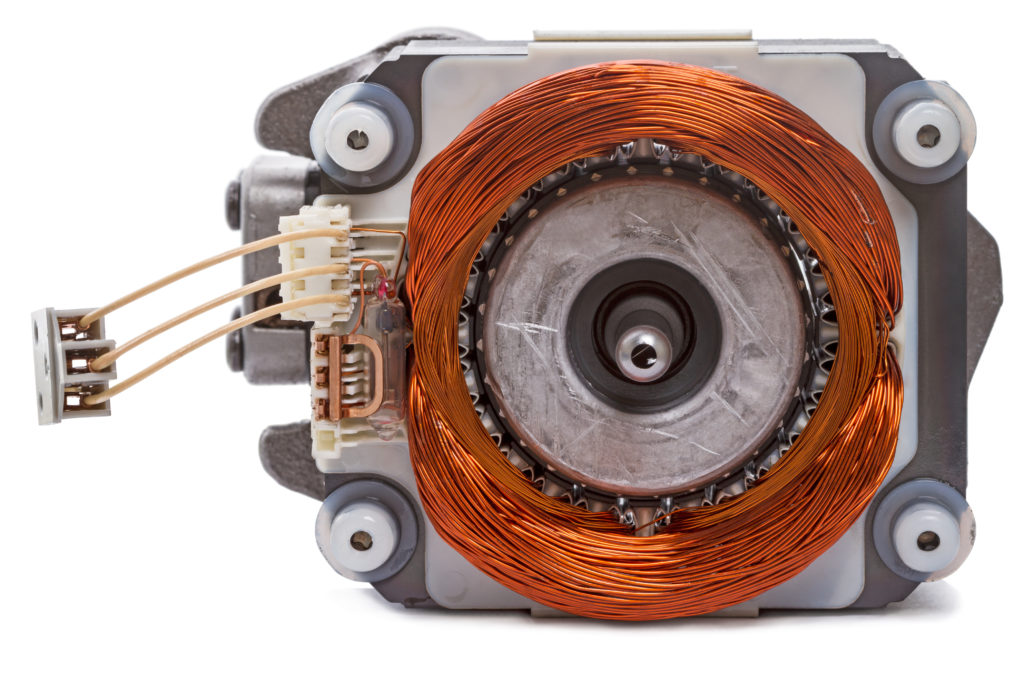
Si l'élimination des brosses permet de réduire l'usure mécanique, elle n'en est pas moins importante. déplace la dépendance de la fiabilité vers les systèmes électroniques. Les contrôleurs, les capteurs et l'électronique de puissance deviennent des éléments opérationnels critiques. Si ces composants tombent en panne, le moteur s'arrête complètement de fonctionner. Les environnements industriels difficiles présentent des risques supplémentaires. Les températures élevées, le bruit électrique, l'exposition à la poussière ou les conditions d'alimentation électrique instables peuvent affecter la fiabilité de l'électronique plus que celle des pièces mécaniques. Dans le cas d'une fabrication lourde ou d'installations extérieures, les indices de protection et la conception du refroidissement deviennent des considérations essentielles.
Cela ne signifie pas que les moteurs BLDC ne sont pas fiables. Cela signifie simplement que la fiabilité dépend désormais de la protection électronique et de la conception du système plutôt que de la seule durabilité mécanique. Le choix d'un boîtier approprié et la protection de la tension permettent de maintenir la fiabilité des moteurs BLDC. une performance opérationnelle stable au fil du temps.
- Réparations et diagnostics plus difficiles
Les moteurs à balais traditionnels sont relativement simples à réparer. Les équipes de maintenance peuvent souvent remplacer les balais ou inspecter les pièces mécaniques à l'aide d'outils de base. Les moteurs à courant continu sans balais, en revanche, sont relativement simples à réparer, nécessitent un diagnostic spécialisé Il est important d'en savoir plus, car les défaillances peuvent provenir des contrôleurs, des paramètres du micrologiciel ou des systèmes de retour d'information des capteurs. Lorsqu'un système BLDC cesse de fonctionner, l'identification de la cause première peut nécessiter de tester des signaux électroniques plutôt que des composants visibles. Cela peut augmenter les temps d'arrêt si des techniciens formés ou des contrôleurs de remplacement ne sont pas facilement disponibles.
Les acheteurs industriels doivent donc tenir compte de la disponibilité des pièces détachées et de l'assistance technique lorsqu'ils choisissent leurs fournisseurs. L'accès à la documentation et à l'assistance technique joue un rôle important dans le maintien de la qualité des produits. l'aptitude au service à long terme.
- Sensibilité aux conditions de fonctionnement
Bien qu'efficaces, les moteurs à courant continu sans balais peuvent être sensibles aux environnements de fonctionnement s'ils ne sont pas correctement spécifiés. Une chaleur excessive, des fluctuations de tension ou un dimensionnement incorrect de la charge peuvent affecter les performances du contrôleur et réduire les avantages en termes de rendement. Par exemple, un moteur sélectionné sans marge de couple suffisante peut fonctionner en permanence près de ses limites, provoquant des contraintes électroniques et une accumulation thermique. Au fil du temps, cela réduit la fiabilité malgré la conception avancée du moteur.
Un dimensionnement correct et une évaluation de l'environnement sont essentiels lors de la passation des marchés. L'adaptation des caractéristiques nominales des moteurs aux conditions de travail réelles permet au système d'atteindre les objectifs suivants performance attendue durée de vie plutôt que de connaître des problèmes prématurés.
- Pas toujours idéal pour les applications simples
Un autre inconvénient négligé est la surqualification technologique. Toutes les machines ne nécessitent pas un contrôle précis de la vitesse ou une optimisation avancée du rendement. Dans les applications de base telles que les pompes simples, les ventilateurs à vitesse constante ou les équipements intermittents, un moteur à balais ou à induction peut fournir des performances adéquates à moindre coût.
L'utilisation d'un moteur BLDC dans ces scénarios peut augmenter les dépenses sans apporter d'avantages proportionnels. Les acheteurs supposent parfois qu'une technologie plus récente est automatiquement synonyme de meilleurs résultats, mais une ingénierie efficace se concentre sur l'adéquation plutôt que sur la complexité. Une évaluation honnête des exigences de l'application permet aux entreprises d'éviter les mises à niveau inutiles et de sélectionner des moteurs qui offrent les avantages suivants valeur opérationnelle pratique au lieu de capacités inutilisées.
Les inconvénients des moteurs à courant continu sans balais sont essentiellement les suivants liés à la complexité du système et à l'adéquation de l'application plutôt qu'une faiblesse inhérente à la conception. Lorsqu'ils sont soutenus par une électronique appropriée, un dimensionnement correct et une intégration experte, les moteurs BLDC offrent une efficacité et un contrôle exceptionnels. Cependant, ignorer ces considérations peut conduire à des coûts plus élevés ou à des problèmes opérationnels.
Pour les acheteurs industriels, la conclusion est claire. Une adoption réussie dépend de la compréhension des points forts et des limites. avant la mise en œuvre. Une conception de système bien évaluée transforme les inconvénients potentiels en facteurs techniques gérables, garantissant que le moteur fonctionne exactement comme prévu dans des conditions de travail réelles.
Quels sont les avantages des moteurs à courant continu sans balais ?
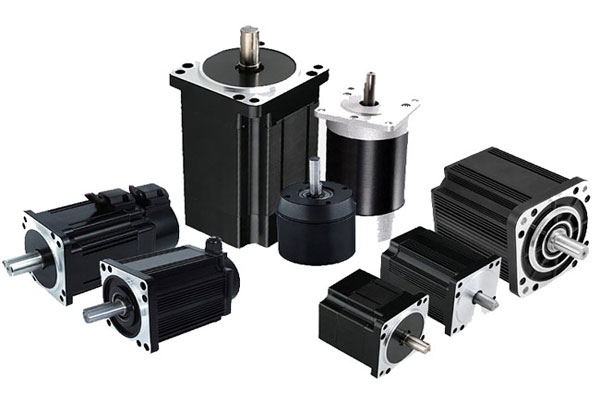
Avant d'analyser les limitations, il est important de comprendre pourquoi les moteurs à courant continu sans balais ont été fortement adoptés dans tous les secteurs industriels. Leur popularité croissante est due à des avantages opérationnels mesurables plutôt qu'à des tendances marketing. Lorsqu'ils sont correctement sélectionnés, les moteurs BLDC peuvent améliorer de manière significative l'efficacité et la fiabilité des systèmes.
L'un des avantages les plus reconnus est une meilleure efficacité énergétique. Comme il n'y a pas de brosses créant des frottements ou des pertes électriques, une plus grande partie de la puissance d'entrée est convertie directement en puissance mécanique utilisable. Dans les grandes installations où les moteurs fonctionnent en continu, même de petites améliorations de l'efficacité se traduisent par des réductions notables de la consommation d'électricité au fil du temps. Un autre avantage majeur est la réduction des besoins de maintenance. Les moteurs à balais traditionnels s'usent au fur et à mesure que les balais se dégradent au contact du collecteur. Les moteurs sans balais éliminent entièrement ce composant, ce qui réduit la nécessité d'un entretien fréquent. Pour les industries opérant dans des environnements de production éloignés ou continus, la réduction des interruptions de maintenance contribue à améliorer le temps de fonctionnement et à rendre les programmes d'exploitation plus prévisibles.
La précision du contrôle est tout aussi importante. La commutation électronique permet une régulation précise de la vitesse et un ajustement du couple, ce qui permet aux machines de répondre de manière dynamique à des charges de travail changeantes. Les équipements d'emballage, les outils de fabrication de semi-conducteurs et les systèmes d'inspection automatisés dépendent de cette technologie. précision constante des mouvements pour maintenir les normes de qualité des produits. Les performances thermiques s'améliorent également dans de nombreuses configurations BLDC. La conversion efficace de l'énergie produit moins de chaleur excédentaire, ce qui permet aux moteurs de fonctionner plus longtemps sous des charges exigeantes sans surchauffe. Ils conviennent donc aux systèmes fermés où les possibilités de refroidissement sont limitées.
Du point de vue de l'acheteur, ces avantages sont les suivants expliquent pourquoi les moteurs BLDC sont souvent choisis pour l'automatisation avancée et les opérations économes en énergie. Toutefois, les avantages ne suffisent pas à déterminer la pertinence d'un projet. Comprendre les atouts et les limites permet de s'assurer que les décisions d'investissement correspondent à des besoins opérationnels réels plutôt qu'à des attentes créées par les tendances technologiques.
Les avantages et les inconvénients des BLDC en un coup d'œil
Les acheteurs industriels évaluent souvent les technologies des moteurs en mettant en balance les avantages en termes de performances et les défis opérationnels. La comparaison suivante résume les principaux points forts et les limites des moteurs à courant continu sans balais, afin de prendre en charge décisions d'achat pratiques.
| Facteur | Avantages | Inconvénients |
| Efficacité énergétique | Le rendement élevé réduit la consommation d'énergie en fonctionnement continu | Les avantages en termes d'efficacité peuvent ne pas justifier le coût dans les applications à faible utilisation |
| Maintenance | L'absence de brosses permet de réduire l'usure mécanique et les intervalles d'entretien. | Les appareils électroniques nécessitent un dépannage spécialisé en cas de défaillance. |
| Contrôle de la vitesse | Contrôle précis de la vitesse et du couple pour les systèmes d'automatisation | Nécessite des contrôleurs avancés et une programmation correcte |
| Bruit opérationnel | Fonctionnement en douceur avec des niveaux de vibration et de bruit réduits | Les appareils électroniques sensibles peuvent nécessiter une protection supplémentaire |
| Durée de vie | Durée de vie plus longue grâce à des composants à friction réduite | La durée de vie dépend fortement de la qualité du contrôleur |
| Installation | Idéal pour les environnements automatisés modernes | La complexité de l'intégration augmente le temps d'installation |
| Coût initial | Potentiel d'économies d'énergie à long terme | Investissement initial plus élevé que pour les moteurs simples |
| Flexibilité de l'application | Excellent pour les tâches de précision et à vitesse variable | Ne convient pas toujours aux machines de base à vitesse constante |
Cette comparaison met en évidence une réalité importante. Les moteurs à courant continu sans balais offrent de solides avantages techniques, mais leur succès dépend de la sélection d'applications où ces avantages améliorent directement les performances ou l'efficacité. Les acheteurs qui évaluent objectivement les deux aspects ont plus de chances d'atteindre les objectifs suivants une performance optimale du système sans investissements inutiles.
Quelle est la durée de vie d'un moteur à courant continu sans balais ?
Les moteurs à courant continu sans balais sont largement connus pour leur longue durée de vie parce qu'ils éliminent les balais, qui sont généralement les composants qui s'usent le plus rapidement dans les moteurs traditionnels. Avec moins de pièces à base de friction, les moteurs BLDC subissent une usure mécanique réduite et conservent un fonctionnement plus régulier au fil du temps.
Dans des conditions appropriées, de nombreux systèmes industriels atteignent entre 15 000 et 30 000 heures de fonctionnement ou plus. Cependant, la durée de vie dépend ne dépend pas uniquement de la construction du moteur. Le contrôleur électronique, les conditions de refroidissement et l'adaptation de la charge jouent un rôle tout aussi important. Une mauvaise stabilité de la tension, un mauvais réglage des paramètres ou un fonctionnement continu proche de la capacité maximale peuvent réduire la durabilité, même pour les moteurs de haute qualité.
Un dimensionnement et une gestion thermique appropriés permettent de garantir fonctionnement stable à long terme. Dans des applications telles que les lignes d'automatisation et les systèmes de convoyage, les moteurs BLDC correctement spécifiés fonctionnent souvent pendant des années avec un minimum d'entretien. Les acheteurs doivent donc évaluer la durée de vie en tant que résultat d'un système complet plutôt que d'une spécification unique, en s'assurant que le moteur et le contrôleur sont conçus pour fonctionner ensemble efficacement.
Pourquoi les voitures électriques n'utilisent-elles pas de moteurs à courant continu sans balais ?
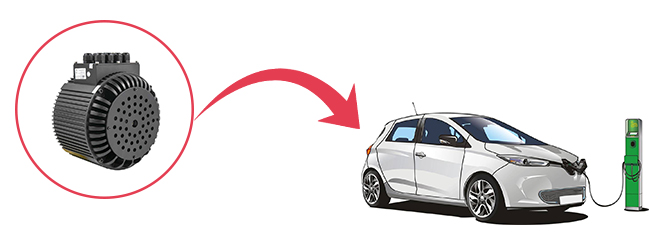
Une idée fausse très répandue est que véhicules électriques éviter complètement les moteurs à courant continu sans balais. En réalité, de nombreux VE utilisent des technologies de moteur très proches des moteurs à courant continu sans balais. optimisé différemment pour une performance automobile à grande échelle exigences.
Les voitures électriques s'appuient généralement sur moteurs synchrones à aimant permanent ou les moteurs à induction à courant alternatif parce qu'ils sont plus efficaces à des vitesses très élevées et dans des plages de couple étendues. Propulsion des véhicules exige des accélérations rapides, des vitesses soutenues sur autoroute et un contrôle thermique avancé, conditions dans lesquelles les moteurs automobiles offrent une meilleure évolutivité et une meilleure gestion de l'énergie.
Un autre facteur est l'efficacité du contrôle à des niveaux de puissance plus élevés. Les systèmes automobiles donnent la priorité à la fourniture d'une puissance régulière et à l'intégration du freinage par récupération, ce qui est plus facile à réaliser avec d'autres configurations. Cela ne signifie pas que les moteurs BLDC sont inférieurs. Au contraire, cela montre que le choix du moteur dépend des exigences de l'application et de l'efficacité du freinage. priorités spécifiques en matière de performance plutôt que la seule popularité de la technologie.
Cela vaut-il vraiment la peine d'acheter un moteur à courant continu sans balais ?
L'achat d'un moteur à courant continu sans balais est intéressant lorsque ses avantages répondent directement aux besoins opérationnels. Les applications qui nécessitent un contrôle précis de la vitesse, un fonctionnement continu ou une meilleure efficacité énergétique sont souvent celles qui bénéficient le plus de la technologie BLDC. En systèmes d'automatisation et des équipements industriels modernes, une maintenance réduite et des performances stables permettent d'obtenir des résultats satisfaisants. efficacité des coûts à long terme.
Toutefois, des machines plus simples fonctionnant à vitesse constante peut ne pas nécessiter de contrôle électronique avancé. Dans de tels cas, investir dans des moteurs BLDC peut augmenter le coût et la complexité du système sans gains de performance significatifs. Les acheteurs doivent évaluer la charge de travail, l'environnement d'exploitation et le cycle d'utilisation avant de choisir la technologie du moteur afin de s'assurer que la solution correspond aux besoins réels de l'application.
Choisissez la bonne BLDC - Profitez de l'expertise de DMKE dès aujourd'hui !
Les moteurs à courant continu sans balais offrent des avantages évidents en termes d'efficacité, de précision et de réduction de la maintenance, mais ils ne constituent pas une solution universelle pour toutes les applications industrielles. Comprendre les avantages et les limites permet aux acheteurs de sélectionner les moteurs en fonction des exigences techniques plutôt que de suppositions. Un dimensionnement approprié, la compatibilité du contrôleur et les considérations environnementales jouent un rôle essentiel dans l'obtention de performances fiables et l'optimisation de la durée de vie.
À DMKE, Les solutions de moteurs de la Commission européenne sont développées en mettant l'accent sur la stabilité des performances, l'efficacité énergétique et l'optimisation des applications spécifiques. Chaque produit est soumis à des contrôles stricts, Test en 8 étapes afin de garantir un fonctionnement fiable dans des environnements industriels exigeants. Qu'il s'agisse de choisir une solution prête à l'emploi ou de développer un configuration personnalisée, Les acheteurs reçoivent des conseils visant à atteindre les objectifs suivants une performance optimale du système.
Pour les organisations à la recherche de solutions de mouvement efficaces et fiables, La consultation d'ingénieurs expérimentés permet de simplifier la sélection et de réduire les risques opérationnels à long terme. Visitez le site web de DMKE ou se connecter avec l'équipe technique pour identifier la solution moteur la mieux adaptée aux exigences de votre application.

 English
  English (Australia)
  English (Canada)
  Deutsch
  English (UK)
  Français