
Avez-vous déjà été confronté à des pannes d'alimentation, à une durée de vie réduite ou à des coûts imprévus parce que le moteur n'était pas adapté ? Il s'agit d'un problème courant dans les systèmes industriels, qui trouve généralement son origine dans un mauvais choix de moteur.
Il est indéniable qu'un moteur à courant continu permet de faire bouger les choses, mais il favorise également la productivité, l'efficacité et la fiabilité à long terme. Par conséquent, lorsque le moteur n'est pas adapté à la tâche à accomplir, cela entraîne un gaspillage d'énergie et une accumulation de chaleur. Ces deux problèmes sont ensuite suivis de problèmes mécaniques. Il en résulte des temps d'arrêt et des coûts de maintenance plus élevés.
C'est pourquoi il est important de comprendre comment choisir le modèle adapté à votre configuration.
DMKE se concentre sur sans balais et servomoteur Une technologie moteur conçue pour les environnements industriels où la fiabilité et la précision sont essentielles.
Dans ce guide, nous examinerons les principaux types de moteurs à courant continu et vous présenterons des étapes pratiques pour vous aider à choisir le modèle adapté à votre application. Si vous suivez ces étapes, votre équipement aura plus de chances de fonctionner plus longtemps, plus facilement et plus efficacement.
Pourquoi le moteur à courant continu est-il le choix privilégié pour les équipements d'automatisation ?
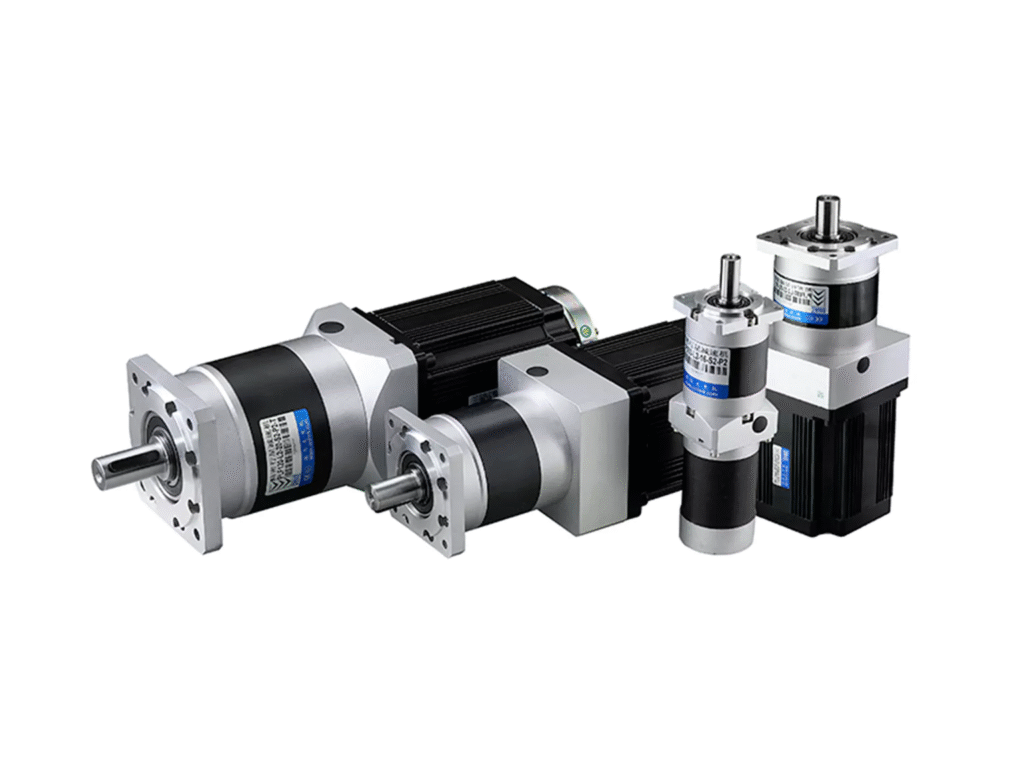
En matière d'automatisation, la précision et le contrôle sont essentiels. Les machines doivent réagir rapidement, s'arrêter au bon moment et gérer sans difficulté les variations de charge. C'est là que les moteurs à courant continu excellent.
Examinons quelques raisons pour lesquelles les moteurs à courant continu restent le choix privilégié pour les systèmes d'automatisation dans tous les secteurs industriels.
Contrôle rapide et précis des mouvements
L'automatisation dépend en grande partie de la rapidité et de la précision avec lesquelles un système réagit aux commandes.
Un moteur à courant continu réagit presque instantanément aux commandes. Cette caractéristique le rend idéal pour les équipements qui doivent démarrer, s'arrêter ou changer de direction avec précision. C'est pourquoi les moteurs à courant continu sont largement utilisés dans les bras robotiques, les machines de prélèvement et de placement et les systèmes de convoyage.
Régulation fluide du couple et de la vitesse
L'un des principaux avantages des moteurs à courant continu réside dans leur contrôle fluide de la vitesse. Comme ils fonctionnent à courant continu, ils permettent d'ajuster facilement et précisément le couple et la vitesse sans circuit complexe.
Cela permet aux ingénieurs d'adapter plus facilement les performances des moteurs aux besoins spécifiques de la production. L'équilibre entre contrôle et simplicité est ce qui maintient les moteurs à courant continu au cœur de l'automatisation industrielle.
Efficacité énergétique
Dans les usines et les entreprises qui accordent une grande importance aux principes ESG et/ou souhaitent réduire leurs coûts énergétiques, l'efficacité énergétique revêt une importance capitale.
Un moteur à courant continu convertit une plus grande partie de l'énergie fournie en énergie mécanique et gaspille moins d'énergie sous forme de chaleur. Cela permet non seulement de réduire les coûts d'électricité, mais aussi de maintenir des températures de fonctionnement plus basses, ce qui est bénéfique pour prolonger la durée de vie du moteur et des composants environnants.
Types de moteurs à courant continu
Tous les moteurs à courant continu ne sont pas identiques. Les différences en matière de conception, de construction et de méthode de commande font qu'un moteur est mieux adapté à une tâche donnée qu'un autre.
Comprenons donc ensemble les différents types. Lorsque vous lisez des informations sur ces types de moteurs à courant continu, il est conseillé d'analyser et de noter ce qui semble convenir à votre situation.
Moteurs à courant continu à balais : simples, abordables et faciles à contrôler
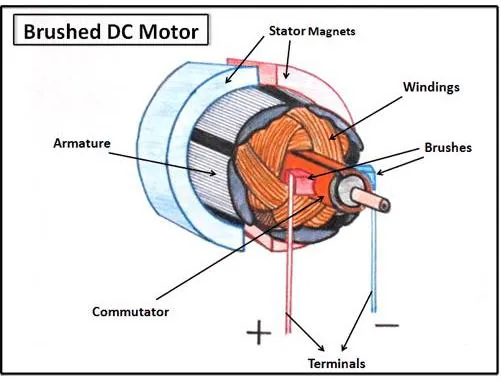
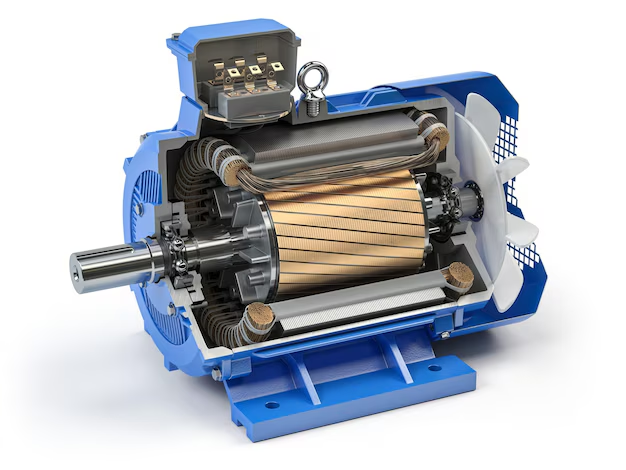
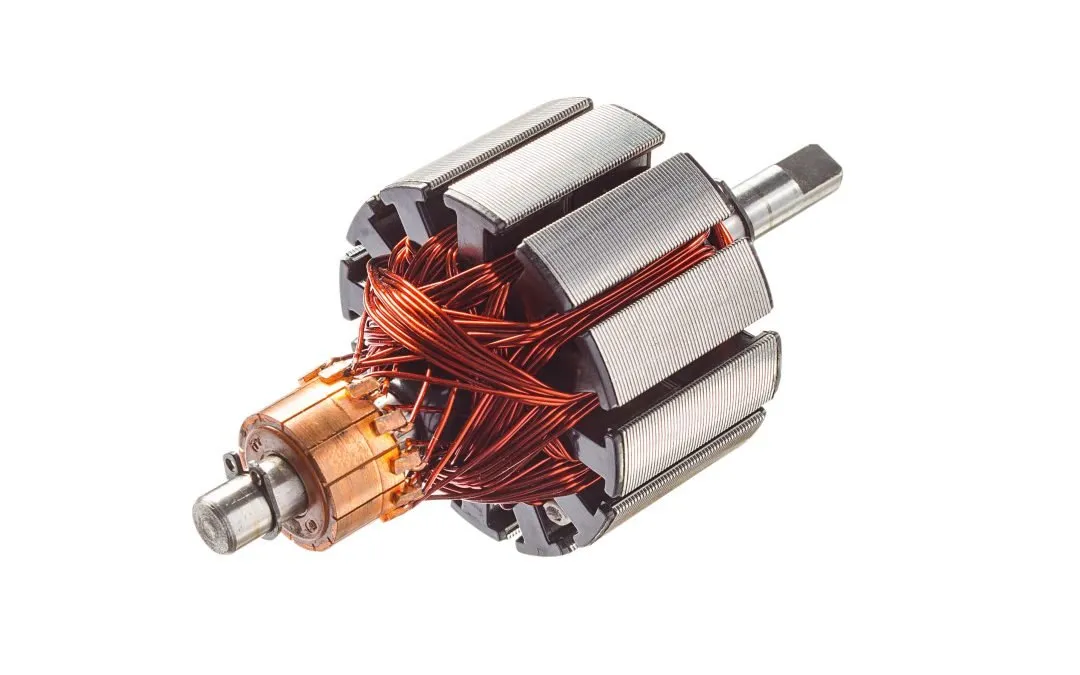
Les moteurs à balais sont les moteurs électriques à courant continu les plus anciens et les plus simples. Ils utilisent des balais et un commutateur pour gérer la commutation électrique qui permet au rotor de tourner.
Avantages :
- Commande simple
- Faible coût initial
- Couple de démarrage élevé, ce qui le rend idéal pour la manutention de charges de base.
Inconvénients :
- Les brosses s'usent avec le temps, ce qui nécessite un entretien régulier.
- La friction génère de la chaleur, du bruit électrique et une légère baisse d'efficacité.
- Durée de vie plus courte par rapport aux modèles sans balais
En général, les moteurs à balais sont utilisés dans les équipements légers et peu coûteux. Cela comprend les pompes, les convoyeurs, les petits outils ou les systèmes d'automatisation simples.
Conseil pour l'approvisionnement : Si votre système fonctionne de manière intermittente et que votre budget est serré, un moteur à courant continu à balais peut être un choix pratique. Mais pour un fonctionnement 24 heures sur 24, 7 jours sur 7, ou un contrôle précis, envisagez de passer à la technologie sans balais.
Moteurs à courant continu sans balais
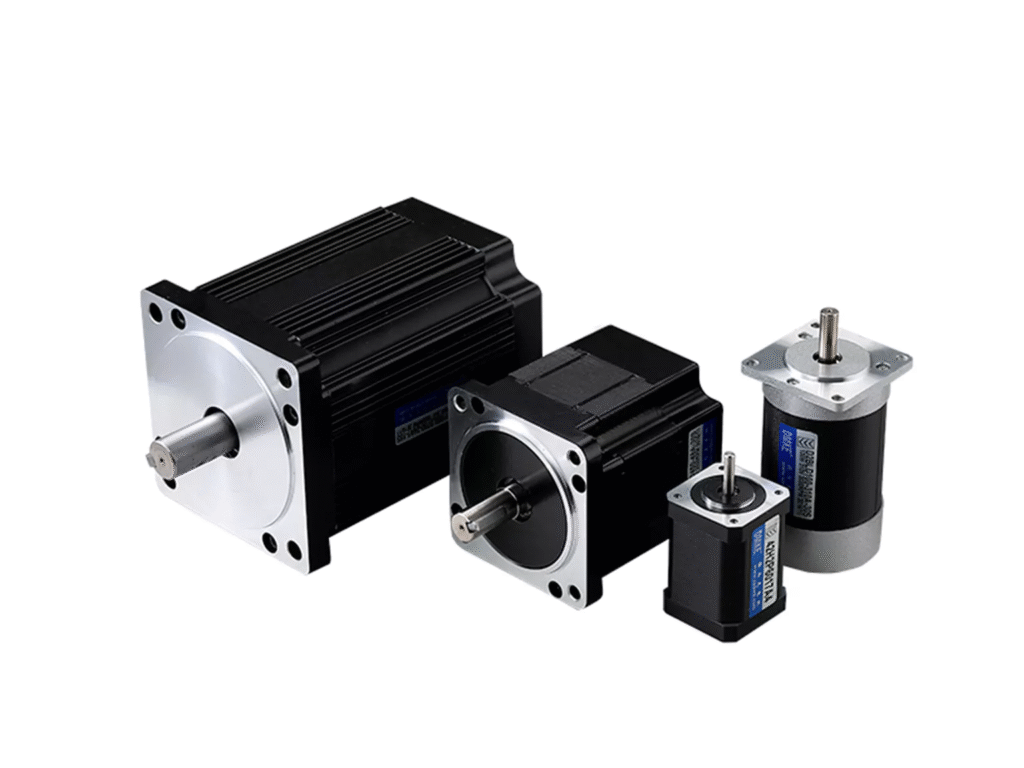
Moteurs sans balais reprenez la même idée, mais supprimez les points de contact physiques.
Ici, des circuits électroniques sont utilisés pour gérer la commutation à la place des balais et du commutateur. Cela élimine les principales pièces d'usure et prolonge la durée de vie du moteur.
La fiabilité et la précision sont très importantes dans la robotique, les appareils médicaux, les drones et les systèmes d'automatisation industrielle, c'est pourquoi les moteurs à courant continu sans balais ou BLDC sont souvent utilisés dans ces domaines.
Avantages :
- Haute efficacité et contrôle fluide de la vitesse
- Longue durée de vie avec peu d'entretien
- Fonctionnement silencieux et bruit électrique minimal
Inconvénients :
- Coût initial plus élevé
- Nécessite un contrôleur pour fonctionner
Conseil pour l'approvisionnement : Lors de la conception d'équipements fonctionnant en continu ou nécessitant un contrôle fluide de la vitesse variable, un moteur DLC sans balais vaut l'investissement supplémentaire.
Servomoteurs
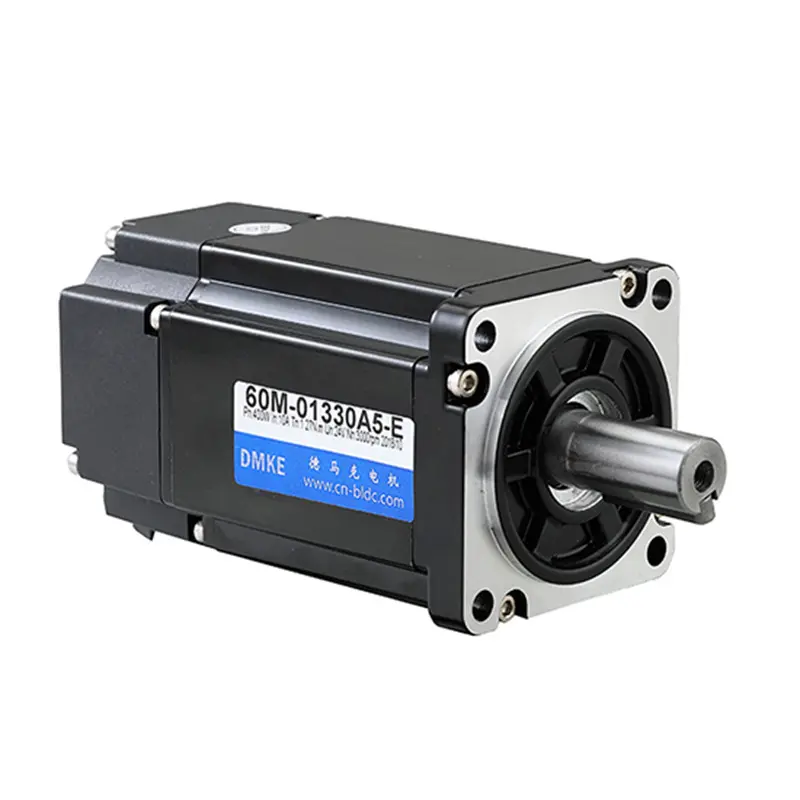
Servomoteurs sont conçus pour le contrôle.
Ils sont conçus pour se déplacer vers une position précise. Maintenir cette position. Et répéter le même mouvement avec précision.
À l'intérieur d'un système asservi, vous trouverez un moteur ainsi que des capteurs et une boucle de rétroaction qui vérifie en permanence la position, la vitesse et le couple.
Les servomoteurs existent en deux versions : DC et à courant alternatif. Toutefois, les servomoteurs à courant continu sont souvent préférés pour les systèmes de petite ou moyenne taille. Ils conviennent aux systèmes qui nécessitent une réponse souple et rapide, comme les bras robotisés et les lignes d'emballage automatisées.
Avantages :
- Positionnement extrêmement précis
- Réponse rapide aux signaux de commande
- Performances stables, même en cas de changement de charge
Inconvénients :
- Coût plus élevé et configuration plus complexe
- Nécessite un système de contrôle pour fonctionner correctement
Conseil en matière de documents : Lorsque vous choisissez un servomoteur, tenez compte du couple requis, de la plage de vitesse et du retour d'information.
Conceptions sans noyau et sans fente
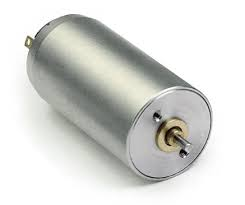
Dans certaines applications de haute performance, la construction traditionnelle des moteurs n'est pas suffisante. C'est là qu'interviennent les conceptions sans noyau et sans fente.
Au lieu d'un lourd noyau de fer, ces moteurs utilisent une structure plus légère. Cela réduit l'inertie et permet une accélération rapide.
Les moteurs sans noyau sont utilisés dans des équipements tels que les outils médicaux ou les mécanismes aérospatiaux.
Bien qu'ils aient tendance à coûter plus cher, leurs avantages en termes de performances peuvent être significatifs. C'est particulièrement utile si vous avez besoin de précision et de vitesse avec un poids minimal.
Avantages :
- Réponse et accélération rapides
- Rendement élevé avec peu de vibrations
- Léger et compact (en particulier pour les moteurs miniatures)
Inconvénients :
- Plus chers que les moteurs à courant continu traditionnels et de plus grande taille
- Capacité thermique plus faible
Conseil pour l'approvisionnement : Les moteurs sans noyau sont idéaux lorsque chaque gramme compte ou lorsque le mouvement doit être incroyablement fluide. Pour l'automatisation standard, cependant, un moteur sans balais ou un servomoteur offre généralement un meilleur rapport coût/performance.
Facteurs clés à prendre en compte lors du choix d'un moteur à courant continu

La vitesse et la tension ne sont que les points de départ à prendre en compte lors du choix d'un moteur à courant continu.
Le bon moteur répondra à ces besoins sans être trop proche de ses limites ni gaspiller de l'énergie. Vous trouverez ci-dessous les principaux éléments à prendre en compte avant de choisir le moteur le mieux adapté à votre travail.
1. Exigences en matière de tension et de puissance
Commencez par les bases. Un moteur à courant continu doit correspondre au système d'alimentation auquel il est connecté. La plupart des installations industrielles utilisent des tensions standard telles que 12V, 24V ou 48V, mais il est important de vérifier ce que votre système peut réellement fournir.
Si la tension nominale du moteur est trop basse, il risque de chauffer ou de s'user prématurément. S'il est trop élevé, il n'atteindra pas son plein rendement.
La puissance nominale est un autre chiffre clé. Elle indique la quantité de travail que le moteur peut effectuer sans surchauffe. Vérifiez toujours la puissance nominale et l'intensité du courant électrique. Si l'alimentation de votre système n'est pas stable ou présente des chutes de tension, cela peut affecter le fonctionnement du moteur.
2. Vitesse et couple
Chaque moteur possède une courbe couple-vitesse qui indique ses performances sous charge. Le couple est la force de rotation et la vitesse est la vitesse de rotation de l'arbre du moteur. Les deux s'équilibrent toujours. Lorsque le couple augmente, la vitesse diminue, et inversement.
Il est important de comprendre les besoins de vos machines industrielles. Par exemple, les convoyeurs et les ascenseurs ont besoin d'un couple élevé à des vitesses plus faibles. Les ventilateurs ou les soufflantes ont généralement besoin d'une vitesse plus élevée mais d'un couple plus faible.
Vérifiez également le couple continu (le couple qu'il peut supporter en permanence) et le couple de pointe (courtes rafales). Une bonne adéquation signifie que le moteur peut supporter la charge de travail normale sans surchauffe ni calage.
3. Efficacité et performance thermique
L'efficacité est importante car l'énergie gaspillée se transforme en chaleur. Dans un environnement industriel, cette chaleur s'accumule rapidement. Un moteur plus efficace fonctionne plus froidement, consomme moins d'électricité et dure plus longtemps.
La conception thermique est souvent négligée, mais elle est essentielle. Les moteurs qui peuvent dissiper correctement la chaleur sont plus performants. Certains sont équipés de ventilateurs intégrés ou d'options de refroidissement externes. Lorsque l'espace est restreint ou que le flux d'air est limité, cela devient encore plus important.
4. Caractéristiques de la charge
Réfléchissez au type de charge que le moteur va entraîner. Est-elle constante, comme une bande transporteuse fonctionnant à vitesse constante ? Ou change-t-elle souvent, comme un bras robotisé ou une presse qui démarre et s'arrête tout au long de la journée ?
Pour les charges stables, un moteur de base à balais ou sans balais fait généralement l'affaire. Pour les charges changeantes ou à forte inertie, vous aurez peut-être besoin d'un moteur capable de supporter des accélérations et des décélérations fréquentes. Adapter l'inertie du moteur à la charge entraînée permet d'éviter les vibrations, les dépassements et l'usure de l'énergie mécanique.
5. Exigences en matière de contrôle
La façon dont vous envisagez de contrôler le moteur influe sur le type de moteur que vous choisirez. Si le système ne nécessite qu'un simple fonctionnement marche-arrêt ou à vitesse fixe, un moteur à balais avec une commande de base peut suffire. En revanche, si vous avez besoin d'une vitesse variable, d'un contrôle du couple ou d'un positionnement précis, un moteur sans balais ou un servomoteur est plus judicieux.
L'automatisation moderne utilise souvent des systèmes de contrôle en boucle fermée avec des capteurs ou des encodeurs qui fournissent un retour d'information. Ceux-ci permettent au contrôleur d'ajuster les performances en temps réel, ce qui améliore la précision et la réactivité. Avant de faire votre choix, vérifiez si votre moteur peut s'intégrer à votre automate ou à votre pilote.
6. Conditions environnementales
Les moteurs ne fonctionnent pas dans des conditions de laboratoire parfaites. La poussière, l'humidité, la température et les vibrations affectent les performances. Vérifiez toujours l'indice de protection IP, qui indique dans quelle mesure le moteur est étanche aux particules et aux liquides.
Si le moteur doit être utilisé à l'extérieur, près de l'eau ou dans une usine où il y a du brouillard d'huile ou de la poussière de métal, optez pour une version étanche ou recouverte d'un revêtement. Tenez également compte de la plage de température. La chaleur ou le froid extrêmes peuvent modifier le comportement de l'isolation et des roulements.
Dans les environnements difficiles, le fait de payer un peu plus pour la protection dès le départ permet d'éviter les remplacements et les temps d'arrêt ultérieurs.
7. Entretien et durée de vie
Chaque type de moteur a son propre schéma d'entretien. Les moteurs à balais doivent être remplacés et nettoyés périodiquement, tandis que les moteurs sans balais fonctionnent pendant des années sans presque aucun entretien.
Lorsque vous comparez les modèles, pensez au coût total sur la durée, et pas seulement au prix d'achat. Un moteur moins cher qui nécessite un entretien fréquent peut finir par coûter plus cher qu'un moteur de qualité supérieure qui fonctionne plus longtemps sans entretien.
Si votre objectif est de maintenir la production avec un minimum de temps d'arrêt, un moteur à courant continu sans balais ou un servomoteur est généralement le meilleur investissement à long terme. De nombreux utilisateurs estiment que le coût initial plus élevé est amorti par la réduction de la maintenance et les économies d'énergie.
Applications des moteurs à courant continu dans tous les secteurs d'activité
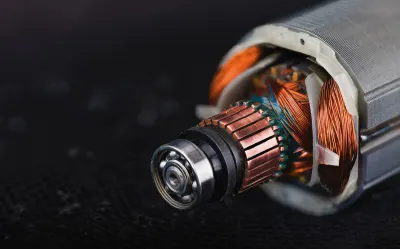
Les moteurs à courant continu sont utilisés dans presque tous les domaines où un mouvement ou un contrôle de précision est nécessaire. Leur équilibre entre le couple, le contrôle de la vitesse et le rendement élevé en fait un choix fiable dans un large éventail d'industries.
La gamme de moteurs et de servomoteurs C.C. sans balais de BeUDMKE est conçue pour répondre à ces besoins industriels : des lignes de production à la robotique, en passant par les appareils médicaux, etc.
Voyons comment ces moteurs sont appliqués dans différents secteurs.
Automatisation industrielle
Les usines font largement appel aux moteurs à courant continu parce qu'ils sont faciles à contrôler et qu'ils fournissent un couple constant. Ils alimentent les convoyeurs, les chargeurs de matériaux et les bras automatisés qui ont besoin d'un mouvement régulier et prévisible.
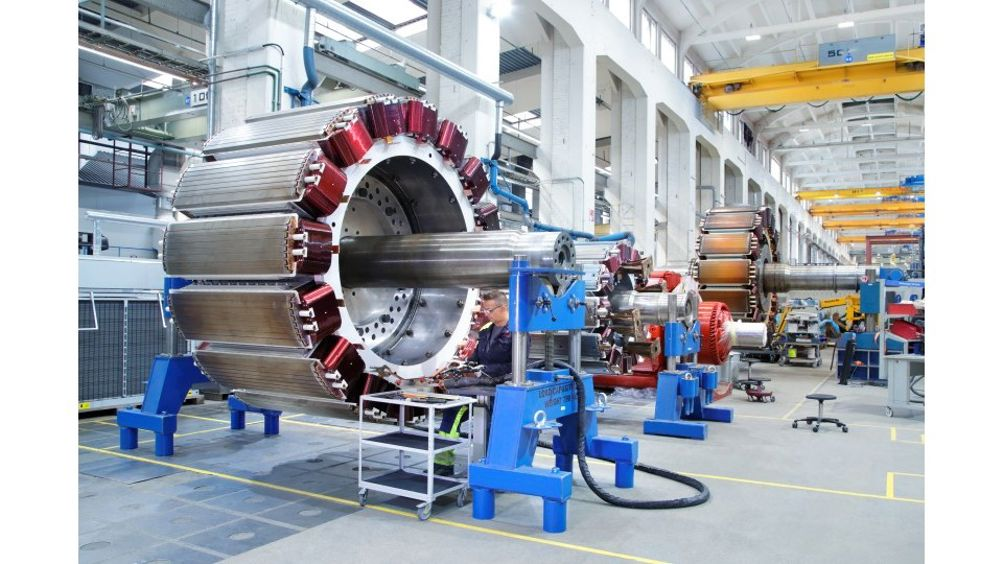
Moteurs CC sans balais DMKE sont conçus pour ce type de travail. Leur taille compacte (par rapport aux gros moteurs) et leur couple élevé les rendent idéaux pour les équipements qui fonctionnent en continu.
Pour les applications qui nécessitent un retour d'information étroit et une précision reproductible, les servomoteurs sans balais de BeUDMKE offrent une commande de mouvement avancée avec une réponse rapide et un positionnement stable.
Automobile et voitures électriques
L'industrie automobile a été l'un des plus grands utilisateurs de la technologie des moteurs à courant continu. Les moteurs à courant continu sont omniprésents, qu'il s'agisse de fonctions simples telles que les lève-vitres et les réglages de sièges ou de systèmes avancés tels que la direction électrique et les unités d'entraînement.
Dans les locomotives électriques, les moteurs à courant continu sans balais jouent un rôle majeur car ils fournissent un couple élevé tout en nécessitant peu d'entretien. Leur rendement élevé et leur réponse rapide les rendent idéaux pour les systèmes de traction et les systèmes auxiliaires. Même les véhicules hybrides utilisent des moteurs à courant continu pour les systèmes de contrôle, les pompes et les ventilateurs qui soutiennent l'entraînement principal.
Les véhicules étant de plus en plus légers et efficaces, la demande de moteurs sans balais compacts et performants ne cesse de croître.
Dispositifs médicaux et équipements de laboratoire
Dans les environnements médicaux et de laboratoire, la précision et le silence de fonctionnement sont plus importants que la puissance brute. Les moteurs à courant continu sont utilisés dans les pompes, les équipements d'imagerie, les machines d'essai et les petits instruments automatisés.
Moteurs sans balais DMKE, Les moteurs à piston, en particulier, sont préférés parce qu'ils ne produisent pas de bruit électrique et n'ont pas besoin d'être entretenus régulièrement. Leur mouvement régulier permet également de réduire les vibrations, ce qui est important pour les instruments sensibles tels que les centrifugeuses et les scanners de diagnostic.
La fiabilité est cruciale dans les systèmes de soins de santé, et les moteurs à courant continu modernes contribuent à garantir des performances constantes en fonctionnement continu.
Aérospatiale et défense
Dans l'aérospatiale et la défense, chaque gramme et chaque watt comptent. Les moteurs à courant continu, en particulier les types sans noyau et sans fente, sont utilisés lorsque la précision, la vitesse et le faible poids sont essentiels.
Ils commandent des actionneurs, des surfaces de contrôle et des systèmes embarqués qui doivent fonctionner dans des conditions extrêmes. Leur capacité à fonctionner de manière fiable à haute altitude ou sous vibrations en fait une option fiable pour les systèmes de défense en vol et au sol.
Dans ces environnements, la défaillance n'est pas une option, c'est pourquoi on choisit des moteurs dont l'endurance et la stabilité thermique sont prouvées.
Applications grand public et commerciales
Les moteurs à courant continu alimentent également de nombreux appareils que nous utilisons tous les jours, bien que la plupart des gens n'y pensent jamais. Ils fonctionnent dans les petits appareils, les outils, les systèmes de chauffage, de ventilation et de climatisation, et même dans les distributeurs automatiques.
Moteurs sans balais DMKE Les moteurs à courant continu sont désormais courants dans les drones, les outils électriques et les appareils domestiques intelligents en raison de leur légèreté, de leur efficacité et de leur silence. Dans les systèmes CVC, les moteurs à courant continu aident à réguler le flux d'air plus efficacement que les anciens moteurs à courant alternatif, réduisant ainsi la consommation d'énergie électrique et le bruit.
Pour les systèmes commerciaux où le temps de fonctionnement et le rendement élevé sont importants, le passage à la technologie moderne des moteurs à courant continu se traduit souvent par une réduction des coûts d'exploitation et un allongement des intervalles d'entretien.
Étapes pratiques pour choisir le bon moteur à courant continu
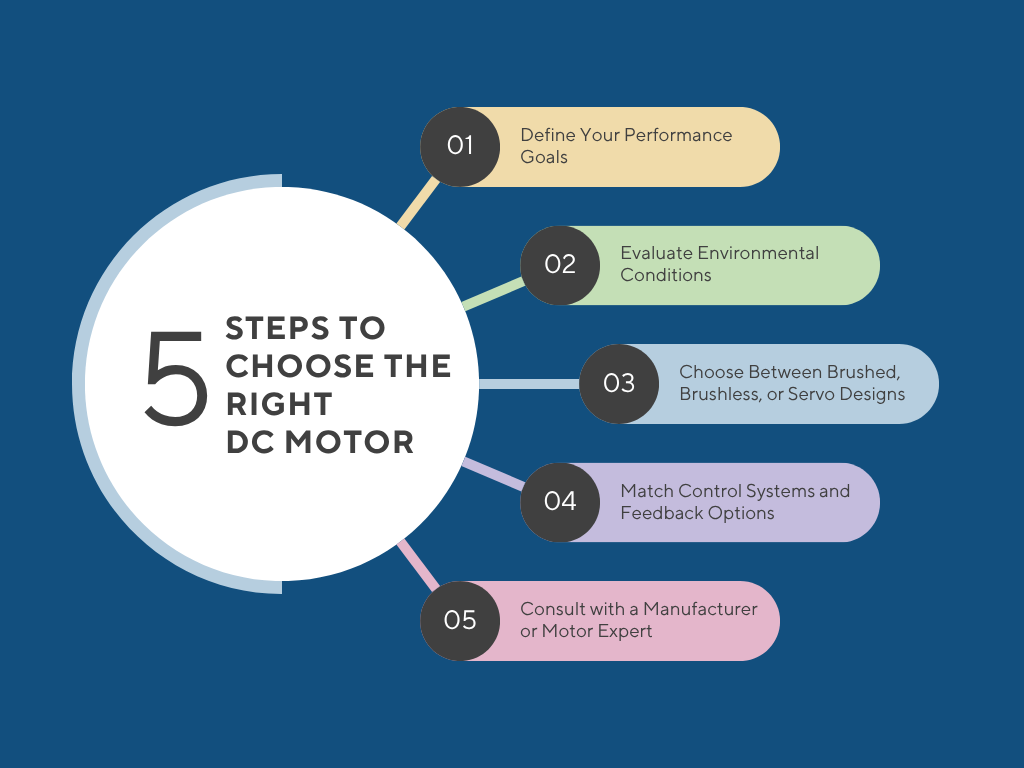
Choisir le bon moteur à courant continu peut sembler compliqué au début, mais cela devient plus facile en procédant étape par étape. L'essentiel est de réfléchir à l'utilisation réelle du moteur, et pas seulement à ce que dit la fiche technique.
Voici un processus simple qui fonctionne bien pour la plupart des applications industrielles et OEM.
1. Définissez vos objectifs de performance
Commencez par déterminer ce que vous attendez du moteur. Notez vos objectifs en matière de vitesse, de couple et de puissance. Réfléchissez au comportement de la charge. Doit-elle se déplacer en douceur, s'arrêter souvent ou fonctionner en continu ?
Si vous pouvez mesurer ou estimer le couple et la vitesse dans des conditions de fonctionnement réelles, vous serez beaucoup plus près de trouver une bonne adéquation. Prévoyez toujours une petite marge de sécurité afin que le moteur ne fonctionne pas en permanence à sa limite maximale.
2. Évaluer les conditions environnementales
Chaque environnement présente ses propres défis. Les moteurs installés dans des locaux propres et climatisés ont des besoins différents de ceux des usines poussiéreuses ou humides. Vérifiez la plage de température, le débit d'air et l'exposition potentielle à des liquides ou à des produits chimiques.
L'indice IP d'un moteur indique son degré de protection. Par exemple, IP65 signifie qu'il est étanche à la poussière et qu'il peut supporter de légères projections d'eau. Si votre installation implique de la chaleur, des vibrations ou des cycles d'utilisation élevés, mentionnez-le au fournisseur, afin qu'il puisse vous recommander le bon modèle.
3. Choisissez entre des modèles à balais, sans balais ou avec servomoteurs.
Chaque type de moteur a sa place.
- Les moteurs à balais sont simples et peu coûteux et conviennent aux tâches de base avec une durée de fonctionnement limitée.
- Les moteurs sans balais offrent un rendement élevé et moins d'entretien, ce qui les rend idéaux pour les longues heures de travail et les vitesses variables.
- Les servomoteurs offrent le contrôle le plus précis et conviennent le mieux aux systèmes d'automatisation ou de positionnement.
Le bon choix dépend du degré de contrôle et de fiabilité dont votre projet a besoin.
4. Systèmes de contrôle des correspondances et options de retour d'information
Si votre système utilise déjà un contrôleur spécifique, assurez-vous que le moteur est compatible avec celui-ci. Les moteurs sans balais et les servomoteurs nécessitent souvent des pilotes ou des variateurs de vitesse électroniques adaptés.
Déterminez si votre application a besoin d'un retour d'information. Les codeurs, les capteurs à effet Hall ou les tachymètres peuvent fournir des informations précises sur la position ou la vitesse. Dans les systèmes automatisés, ces informations aident le contrôleur du moteur à effectuer des ajustements en temps réel pour un fonctionnement plus souple.
5. Consulter un fabricant ou un expert en moteurs
Même si vous disposez de toutes les données, il est judicieux de parler à quelqu'un qui travaille quotidiennement avec des moteurs. Un fournisseur ou un fabricant compétent peut vous indiquer des détails qui pourraient vous échapper, tels que la conception de l'arbre du moteur, le type de roulement ou la méthode de refroidissement.
DMKE travaille en étroite collaboration avec les clients industriels et les équipementiers afin d'affiner les performances des moteurs en fonction de leurs installations. Ce type d'assistance technique permet de gagner du temps et d'éviter des reconceptions coûteuses par la suite.
Voici quelques-uns des services et de l'assistance que BeUDMKE fournit lors de la passation de marchés :
- Dessins de moteurs personnalisés en 2D ou 3D pour confirmation de la conception
- Devis détaillé et aide à la négociation
- Planification de la production et inspection des matières premières
- Tests de qualité, emballage et expédition
- Service après-vente complet
Vous pouvez en savoir plus sur notre soutien et nos services en visitant notre site “Service personnalisé”page.
Les erreurs courantes à éviter
Même les ingénieurs expérimentés peuvent rencontrer des difficultés lors de la sélection ou de l'installation d'un moteur à courant continu. En évitant ces erreurs courantes, vous contribuerez à la fiabilité et à l'efficacité de votre système.
1. Ne pas tenir compte de l'inertie de la charge
L'inertie de la charge a un impact important sur le comportement d'un moteur. Si le rotor du moteur et la charge entraînée ne sont pas correctement adaptés, vous risquez d'obtenir des vibrations, une mauvaise accélération ou un dépassement. Lorsque l'inertie est trop élevée, le moteur doit travailler plus dur pour démarrer et s'arrêter, ce qui peut réduire sa durée de vie.
Si possible, calculez ou estimez l'inertie de la charge dès le début du processus de conception. Les systèmes asservis sont particulièrement sensibles à ce facteur.
2. Ignorer le cycle de fonctionnement ou l'ondulation du couple
Les moteurs ne fonctionnent pas toujours à la même charge toute la journée. Si votre application implique des démarrages et des arrêts fréquents, des pics de couple élevés ou des charges variables, vous devez vérifier le coefficient d'utilisation. Faire tourner un moteur à plein couple pendant trop longtemps peut entraîner une surchauffe.
L'ondulation du couple (la petite variation du couple lorsque le moteur tourne pour créer un mouvement de rotation) peut également poser des problèmes dans les systèmes qui nécessitent un mouvement régulier. Le choix d'une conception qui minimise l'ondulation peut faire une grande différence en termes de performances et de bruit.
3. Choix basé sur le prix plutôt que sur le coût du cycle de vie
Un moteur moins cher peut sembler intéressant, mais c'est rarement la meilleure option à long terme. Les unités moins chères peuvent avoir un rendement plus faible, une durée de vie des roulements plus courte ou une mauvaise gestion de la chaleur. Au fil du temps, cela signifie plus de maintenance et des coûts d'énergie électrique plus élevés.
Lorsque l'on calcule le coût total de possession, un moteur de qualité est généralement rentabilisé. Moins de remplacements, moins de temps d'arrêt et de meilleures performances se traduisent souvent par de réelles économies.
FAQ sur les moteurs à courant continu
Quelle est la différence entre un moteur à courant continu sans balais et un moteur à courant continu avec balais ?
Les moteurs à balais utilisent des balais pour envoyer le courant à l'intérieur du moteur. Ils sont simples et peu coûteux, mais nécessitent un entretien régulier.
Les moteurs sans balais utilisent l'électronique de puissance. Ils fonctionnent donc plus froidement, durent plus longtemps et nécessitent moins d'entretien. Ils sont courants dans les systèmes d'automatisation et de service continu.
Comment trouver le bon couple pour ma configuration ?
Le couple dépend de la force dont votre machine a besoin et de la vitesse à laquelle elle tourne. Une bonne règle consiste à vérifier le couple continu et le couple de pointe sur la fiche technique. Si le moteur fonctionne trop souvent près de sa limite, il s'usera plus rapidement.
Les moteurs à courant continu peuvent-ils fonctionner toute la journée ?
Oui, beaucoup le peuvent. Sans balais et servomoteurs sont conçus pour de longues heures de travail. Les moteurs à balais le peuvent également, mais ils doivent être remplacés de temps en temps.
Quelle est la durée de vie des moteurs à courant continu ?
Cela dépend de l'utilisation. Les moteurs à balais peuvent durer quelques milliers d'heures avant de nécessiter un entretien. Les moteurs sans balais peuvent fonctionner pendant des années avec peu d'entretien, surtout s'ils sont maintenus propres et froids.
Quel type de moteur convient le mieux à une utilisation industrielle ?
Pour la plupart des systèmes modernes, les moteurs sans balais ou les servomoteurs constituent le meilleur choix. Ils sont efficaces, silencieux et conçus pour une commande précise. La gamme de moteurs industriels BeUDMKE est un bon exemple de ce type de conception.
Conclusion
Pour choisir le bon moteur à courant continu, il faut comprendre ce dont votre système a réellement besoin. Le bon choix permet à vos machines de fonctionner en douceur, d'économiser de l'énergie et de réduire les problèmes de maintenance.
Pour l'automatisation moderne, les moteurs DC sans balais et les servomoteurs sont devenus les options préférées. Ils offrent des mouvements silencieux, efficaces et précis qui répondent aux exigences actuelles en matière de performance et de fiabilité.
À DMKE, L'objectif est d'aider les ingénieurs et les acheteurs à faire des choix en toute confiance. De la consultation en matière de conception et des dessins en 3D à la production, l'inspection et le service après-vente, chaque étape vise à garantir que le moteur que vous obtenez fonctionne exactement comme vous le souhaitez.
Si vous ne savez pas quel est le meilleur moteur, il est utile de parler avec quelqu'un qui les construit et les teste tous les jours. Avec L'assistance technique de DMKE, vous pouvez trouver un moteur qui convient parfaitement à votre travail et qui permet à votre équipement de fonctionner sans problème.

 English
  English (Australia)
  English (Canada)
  Deutsch
  English (UK)
  Français