
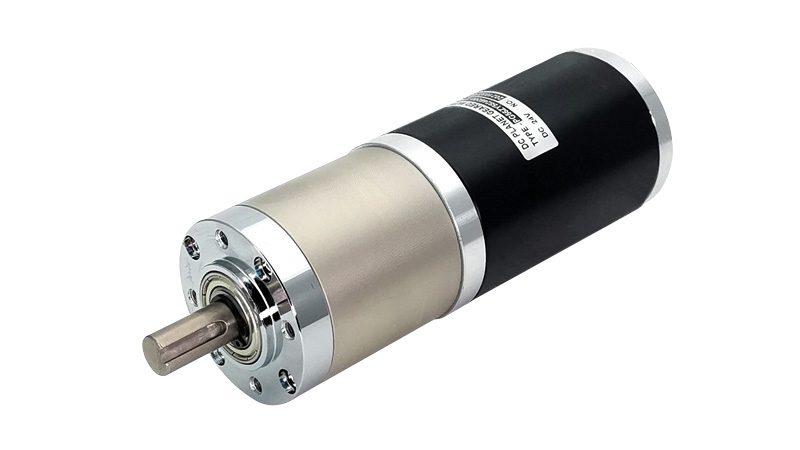
Avez-vous déjà essayé d'investir dans un moteur CC sans balais de 48 V ? Vous avez dû commencer par prendre en compte tous les conseils que vous avez reçus à propos de ce système. N'étiez-vous pas également enthousiasmé par toutes les bonnes choses que vous avez entendues sur le fait que cette option est la meilleure et la plus fiable ? Malgré cela, vous avez probablement s'est soldée par un échec total? Si cela vous est arrivé, vous n'êtes pas seul.
Choisir la mauvaise BLDC 48V est quelque chose d'extrêmement courant. Cependant, cette erreur commune est capable de la mise en péril du fonctionnement du système.
Cette mauvaise sélection entraîne losses en termes d'efficacité et du temps. Il en résulte un système surchauffé qui induit des coûts d'exploitation élevés, nécessite une maintenance répétitive et s'accompagne de temps d'arrêt illimités. Dans la plupart des cas, ces problèmes ne découlent pas d'un manque ou d'un problème d'ingénierie. Ils résultent plutôt d'une sélection hâtive.
Malheureusement, il y aIl n'y a aucun moyen de prévoir avant de choisir un moteur à courant continu sans balais de 48 V. Ce n'est qu'après le déploiement de l'appareil que vous verrez tous ces problèmes surgir. Ce n'est qu'après le déploiement de l'unité que tous ces problèmes apparaissent. Si vous avez privilégié les spécifications ou le prix par rapport aux performances réelles, vous finirez certainement par investir dans la mauvaise option.
Si vous souhaitez une fiabilité à long terme, un vérification complète de tous les aspects du monde réel avant de prendre une décision d'achat définitive est extrêmement importante.
Aujourd'hui, de plus en plus d'industries adoptent les BLDC 48V en raison de leur capacité à fournir un mélange optimal de densité de puissance, de sécurité et d'efficacité. L'utilisation généralisée et la préférence pour les unités de 48V permettent automatiquement de réduire les coûts. laisse moins de place à l'erreur dans leur sélection.
Cependant, il est fréquent de rencontrer des options qui semblent appropriées sur le papier et qui sont très intéressantes en termes de prix. Cependant, une fois déployées, elles se heurtent aux conditions de charge réelles, introduisent de nombreuses contraintes liées à la chaleur et ne sont pas adaptées à la demande. n'intègrent pas correctement dans le système. Il existe également des problèmes mécaniques et des problèmes de fluidité du mouvement du contrôleur dans ce type de configuration.
Il en résulte souvent des réparations coûteuses, des remaniements, des projets retardés, et des temps d'arrêt, ainsi que des performances compromises sur le terrain.
Nous avons conçu ce guide à l'intention des acheteurs, des ingénieurs, des professionnels de l'approvisionnement et des personnes qui comprennent déjà les principes fondamentaux du choix d'un système électrique. Pour commencer, vous devez comprendre que vous avez besoin d'un système électrique. une approche structurée et orientée vers la prise de décision pour mettre la main sur la meilleure BLDC 48V pour vos besoins.
Nous vous proposons de ne plus vous focaliser sur les explications théoriques, mais plutôt de mettre l'accent sur les facteurs pratiques qui déterminera la valeur de l'appareil en termes de performances réelles. Il faut notamment tenir compte des exigences en matière de couple, de l'efficacité en cas de changement de charge, du comportement thermique et de la compatibilité avec le système, ainsi qu'avec le contrôleur.
Ci-dessous, nous allons décrire en détail les les facteurs à prendre en compte lorsque vous investissez dans un moteur CC sans balais de 48V. Une fois que vous aurez parcouru ce guide, vous serez certainement en mesure d'obtenir le moteur 48V BLDC le plus adapté à vos besoins.
Pourquoi l'architecture 48 volts est-elle préférée à d'autres systèmes ?
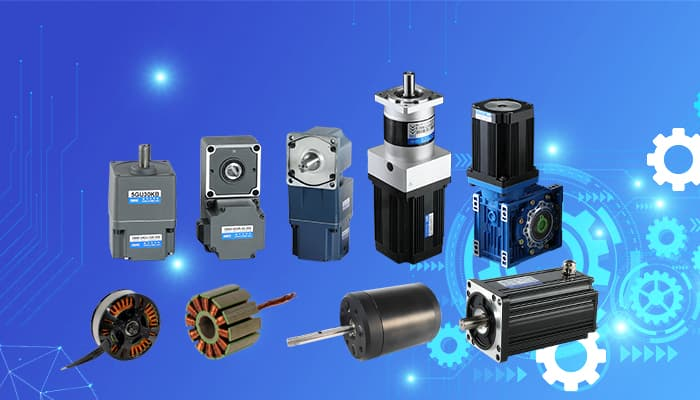
Comme indiqué plus haut, l'architecture BLDC 48V s'est imposée comme l'une des solutions les plus efficaces pour la gestion de l'énergie. l'un des plus préférés Les solutions d'unités électriques de 48V sont utilisées dans différents types d'industries. Plusieurs raisons expliquent cette immense préférence et cet engouement des milieux professionnels pour le 48V moteurs à courant continu sans balais.
Tout d'abord, ces unités sont capables de fournir un service optimal à la population. un mélange de praticité, de performance, d'efficacité et de sécurité, et la complexité. Cela leur permet d'occuper une position intermédiaire entre les unités à basse tension qui sont confrontées à des problèmes de puissance et de charge, et les systèmes à haute tension qui s'accompagnent d'une augmentation des coûts et d'un alourdissement de la réglementation.
L'un des avantages les plus courants et les plus importants d'une BLDC 48V est sa capacité à fournir une puissance élevée tout en utilisant des courants plus faibles par rapport aux architectures 12V ou 24V. L'utilisation d'un courant plus faible réduit les pertes résistives globales et le câblage, ce qui minimise la production de chaleur et permet d'utiliser des conducteurs plus petits.
Il permet également au système de fonctionnent bien avec des conducteurs de petite taille et les connecteurs sans aucun problème. Cela améliore directement le fonctionnement global du système tout en réduisant ses coûts en termes d'installation et de matériel.
48 V BLDCs se distinguent également par leur caractéristiques de sécurité et de conformité. Ils restent généralement en dessous du seuil qui nécessite protocoles de sécurité haute tension dans de nombreuses régions. Cela facilite leur installation et garantit également que l'utilisation de ces unités nécessite des niveaux de formation moins élevés.
Il y a aussi moins de certification nécessaire, Cela réduit les risques et les coûts liés à la maintenance. Cela réduit également les risques et les coûts de maintenance. Ces caractéristiques rendent les BLDC 48V très attrayantes pour les fabricants et les propriétaires d'industries qui doivent traiter des unités en vrac.
Gestion thermique est un autre facteur critique qui rend les BLDC 48V idéales pour l'utilisation. Par rapport aux systèmes à plus basse tension, les architectures 48V génèrent beaucoup moins de chaleur tout en assurant une puissance de sortie similaire, ce qui améliore leur durée de vie et permet des conceptions portables et plus simples dans ces solutions.
Cela permet également de s'assurer que les systèmes dans lesquels ces unités sont utilisées ne nécessitent pas de refroidissement complexe et d'isolation, ainsi que des mécanismes de protection spécialisés qui ne sont pas négociables dans les systèmes à haute tension.
Enfin, les BLDC 48V offrent un soutien solide de l'écosystème. Une large gamme d'équipements, les contrôleurs de moteur, électronique, et d'autres solutions, est conçu spécifiquement pour les BLDC 48V, compte tenu de l'utilisation très répandue de ces unités dans différentes industries.
Cela garantit que des solutions compatibles et évolutives sont toujours disponibles, quel que soit le lieu d'exploitation de ces systèmes. Une telle une chaîne d'approvisionnement mature et cohérente permet aux concepteurs d'optimiser les performances sans sacrifier la fiabilité ou la flexibilité, ni subir de temps d'arrêt.
Dans l'ensemble, ces facteurs font de l'architecture 48V très pratique et efficace pour les systèmes du monde réel et en font un choix idéal pour tous ceux qui recherchent un système moderne de gestion de l'information et de la communication. solution CC sans balais.
Comment choisir le bon moteur CC sans balais de 48 volts - Guide de sélection
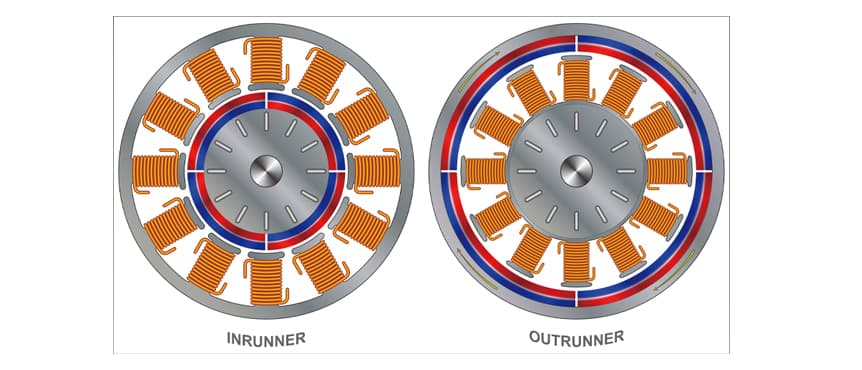
Le choix d'un moteur à courant continu sans balais de 48 V n'est pas très difficile. Cependant, le processus exige que vous réserver du temps et se concentrer sur certains des aspects mécaniques et électriques les plus importants de l'appareil. Une bonne sélection permet d'aligner les considérations électriques, mécaniques et commerciales de l'appareil sur ses performances réelles.
Voici quelques facteurs à prendre en compte évaluer collectivement plutôt qu'en tant que caractéristiques autonomes si vous souhaitez obtenir un appareil qui ne présente aucune lacune en termes de performances et qui vous offre un excellent retour sur investissement.
1. Charge de l'application et exigences en matière de couple
La première chose à faire lors du choix d'une BLDC 48V est de définir le profil de charge réel Le moteur doit être adapté au système et il faut tenir compte du couple de démarrage et du couple en régime permanent. Vous devez également tenir compte des conditions de surcharge transitoires que le moteur peut rencontrer pendant son fonctionnement, puis trouver un moteur capable de répondre à tous ces critères.
Une capacité de couple sous-dimensionnée dans un moteur entraînera contrainte thermique et une réduction de la durée de vie du système. D'autre part, les marges de couple excessives augmentent inutilement le coût et l'inertie du système sans être d'aucune utilité. Caractérisation précise de la charge Il est donc très important de trouver un moteur fiable qui réponde à vos besoins.
2. Plage de vitesse de fonctionnement
Vous avez besoin d'un appareil de 48V BLDC qui puisse fonctionner efficacement et sans perdre ses capacités à la vitesse maximale requise. Les applications avec des charges variables ou des changements de vitesse dynamiques ont souvent besoin de les moteurs qui peuvent rester stables et garantissent une bonne transmission du couple et la précision du contrôle tout au long du cycle de fonctionnement, quelles que soient les conditions extérieures.
3. Puissance nominale
La puissance nominale continue doit toujours être votre principal point de référence lors de la sélection d'une solution 48V. Les valeurs de puissance de crête sont souvent dictées par le marketing et ne sont viables que pour de courtes durées. Vous devez toujours choisir un moteur qui peut offrent une puissance continue dans des quantités adaptées à vos besoins. Cela permet d'éviter les surchauffes et les baisses de régime dans les conditions réelles d'utilisation.
4. Rendement aux conditions de charge nominale
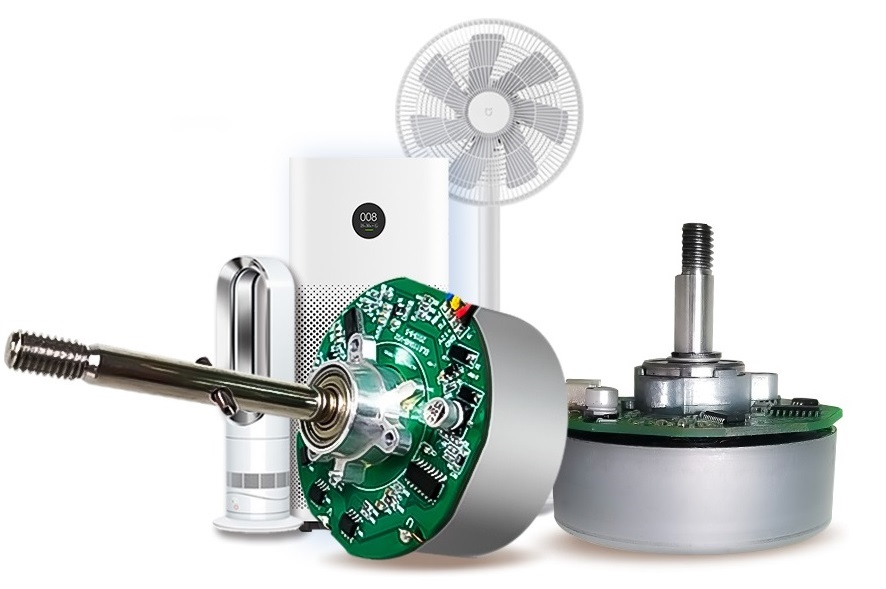
Lorsque vous choisissez un moteur, vous devez tenir compte des éléments suivants point de charge le plus fréquemment utilisé dans l'ensemble de votre application. Vous devez ensuite évaluer l'efficacité de l'unité à ce point de charge typique plutôt qu'à sa puissance maximale. Les BLDC optimisées pour une efficacité maximale à des points de fonctionnement irréalistes entraînent une consommation d'énergie élevée et donc des coûts d'exploitation globaux plus élevés.
5. Performance thermique et dissipation de la chaleur
Capacité de l'appareil à dissiper directement la chaleur définit la cohérence des performances et la fiabilité qu'il offre. Il est très important d'évaluer la capacité de l'appareil à dissiper la chaleur et de déterminer s'il y a des problèmes d'étanchéité. dissipateurs thermiques ou des conceptions de montage appropriées pour faciliter la dissipation de la chaleur. Il convient également d'examiner la conception du boîtier, les méthodes de refroidissement et la classe d'isolation des composants utilisés à l'intérieur.
Investir dans un appareil dont la gestion thermique est médiocre limite souvent ses performances, quelle que soit la qualité de ses caractéristiques électriques.
6. Compatibilité avec le cycle d'utilisation
En fonction de l'application pour laquelle vous l'achetez, votre BLDC doit être capable de fonctionner aux cycles de travail requis. Ceux-ci comprennent à la fois les opérations cycliques continues et intermittentes. Démarrages, arrêts et les fluctuations de charge produisent souvent des tensions sur les enroulements et les roulements, ce qui rend extrêmement important le choix d'une unité qui s'aligne sur le cycle de fonctionnement du système pour en assurer la longévité.
7. Exigences en matière d'environnement
L'analyse de l'environnement opérationnel consiste à examiner le niveau de poussière, l'humidité, les vibrations, et les températures extrêmes auxquelles le système doit faire face. Il est préférable d'acheter un moteur capable de s'adapter à son environnement afin d'éviter une défaillance prématurée.
8. Compatibilité des contrôleurs et des pilotes
Sélection du moteur ne peut se faire de manière isolée. Au contraire, vous devez également assurer le bon fonctionnement du contrôleur si vous voulez que l'installation fonctionne efficacement. La plage de tension, la capacité de courant, les algorithmes du contrôleur et les interfaces de communication sont quelques-uns des éléments à prendre en compte lors de la sélection d'un moteur CC sans balais 48V.
Toutes ces choses doivent être compatible avec le contrôleur et le moteur si vous souhaitez des performances stables et un fonctionnement efficace dans toutes les conditions.
9. Contraintes d'intégration mécanique
Il ne faut pas retarder l'examen de la compatibilité physique et s'en remettre au processus de conception et d'intégration. Il est au contraire important d'examiner les aspects suivants dimensions de l'arbre, schémas de montage, poids, ainsi que les tolérances d'alignement globales du système, et s'assurer qu'elles correspondent au système mécanique dans lequel le système doit fonctionner. Cela permet d'éviter les reconceptions, les problèmes de vibration et d'autres retards.
10. Exigences en matière de configuration des capteurs
Les moteurs à capteurs sont capables d'assurer un excellent contrôle à basse vitesse ainsi qu'un retour d'information précis sur le couple. Les moteurs sans capteur, quant à eux, réduisent la complexité et le coût du système. Votre choix doit être basé sur exigences en matière de précision des contrôles plutôt que des préférences personnelles.
11. Limites de bruit et de vibrations
Pour les applications où les vibrations acoustiques et mécaniques doivent être traitées avec sensibilité, votre choix doit garantir un travail de qualité et doit présenter les caractéristiques suivantes sélection correcte des roulements et une stratégie de contrôle. Vous ne voulez pas d'une unité bruyante pour des applications médicales, et il est donc important d'examiner ces facteurs avant d'investir dans un moteur.
12. Fiabilité et durée de vie
Il est préférable d'examiner la qualité des composants du moteur et d'interroger le fournisseur sur la durée de vie des roulements, la qualité de l'isolation et les normes générales de construction du système. Vous avez besoin d'un appareil qui offre un service étendu vie avec des besoins de maintenance réduits et des temps d'arrêt minimes, sans risque pour l'ensemble de l'opération.
13. Équilibre entre les coûts et les performances
L'obtention d'une option abordable ne signifie pas que vous devez faire des compromis sur la qualité. Le coût initial le plus bas des moteurs conduit souvent à investir dans des systèmes inefficaces. A évaluation équilibrée doit être faite pour s'assurer que vous obtenez une solution adaptée à votre budget, mais aussi durable, fiable et pérenne.
14. Évaluer les capacités de fabrication des fournisseurs
Les capacités des fournisseurs ont une incidence directe sur l'homogénéité des produits et les niveaux de qualité globaux. Vous devez interroger votre fournisseur sur ses les processus de fabrication, les normes de qualité, et d'autres protocoles afin de garantir la répétabilité des commandes et l'évolutivité du projet.
Le tableau ci-dessous résume tous les points importants à garder à l'esprit pour faire le bon choix de CC sans balais 48V :
| Facteur de sélection | Ce qu'il faut évaluer | Pourquoi c'est important |
| Application Charge et couple | Demande de démarrage, de fonctionnement et de couple maximal | Prévient la surchauffe, le calage et la défaillance prématurée du moteur |
| Plage de vitesse de fonctionnement | RPM minimum et maximum requis sous charge | Garantit des performances stables dans des conditions d'utilisation réelles |
| Puissance nominale | Puissance continue vs puissance de pointe à court terme | Évite de se fier à des évaluations de crête trompeuses |
| Efficacité à charge typique | Efficacité au point de fonctionnement normal | Réduction des pertes d'énergie et des coûts d'exploitation à long terme |
| Performance thermique | Capacité de dissipation de la chaleur et classe d'isolation | Impact direct sur la fiabilité et la puissance utilisable |
| Compatibilité avec le cycle d'utilisation | Fonctionnement continu, intermittent ou cyclique | Garantit la survie du moteur en cas d'utilisation réelle |
| Protection de l'environnement | Exposition à la poussière, à l'humidité, à la température et aux vibrations | Prévient les défaillances précoces dans des conditions difficiles |
| Compatibilité des contrôleurs | Plage de tension, courant nominal, méthode de contrôle | Évite les performances instables et les problèmes d'intégration |
| Configuration du capteur | Exigences basées sur des capteurs ou sans capteurs | Affecte le contrôle à basse vitesse et la précision du couple |
| Intégration mécanique | Montage, taille de l'arbre, dimensions, poids | Évite les remaniements et les problèmes d'installation |
| Bruit et vibrations | Limites acoustiques et équilibre mécanique | Important pour les applications sensibles à la qualité |
| Fiabilité et durée de vie | Qualité des roulements, isolation, normes de construction | Réduction des temps d'arrêt et de la fréquence des entretiens |
| Coût et performance | Coût initial par rapport à l'efficacité et à la durabilité | Favorise la valeur à long terme plutôt que les économies à court terme |
| Capacités des fournisseurs | Processus de contrôle qualité, essais, échelle de production | Garantir une qualité et une évolutivité constantes |
Drapeaux rouges à éviter lors de l'approvisionnement en moteurs BLDC 48V
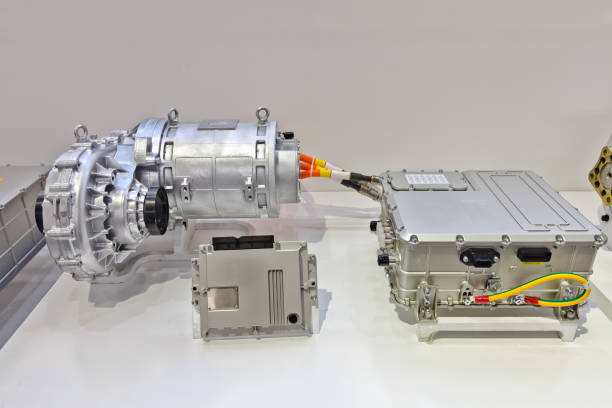
Investir dans n'importe quel BLDC, DC, Brushed DC, ou solution d'asservissement en se basant uniquement sur des fiches techniques et des offres de prix est une grave erreur. Elle peut vous exposer à des risques techniques et commerciaux que vous ne voudriez pas avoir à traiter.
Ci-dessous, nous mettons l'accent sur quelques signes avant-coureurs qu'il convient d'évaluer soigneusement avant de choisir une solution ou un fournisseur. Voici quelques-uns des signaux d'alarme qu'il convient d'éviter lorsque l'on s'approvisionne en solutions motorisées auprès d'un fournisseur, quel qu'il soit.
L'un des principaux signaux d'alarme est la l'importance excessive accordée aux puissances de crête sans documentation appropriée sur les limites de fonctionnement continu offertes par le système. Les fournisseurs qui ne parlent que des puissances maximales et évitent de discuter des contraintes thermiques, des cycles d'utilisation, des limites ainsi que des courbes nominales masquent souvent les insuffisances de performances réelles par de gros chiffres.
Une autre préoccupation commune est une documentation technique incohérente ou incomplète du produit. Des courbes d'efficacité manquantes, des classes d'isolation peu claires ou des dessins incomplets avec des données floues ou omises indiquent que le fournisseur est conscient des faiblesses de son produit et qu'il tente de les dissimuler.
Les acheteurs doivent également se méfier des fournisseurs qui ne peuvent pas expliquer correctement leurs processus de fabrication ou de test. S'il y a aucune mention des tests de fin de ligne ou toute certification relative aux procédures de contrôle de la qualité, il est préférable d'éviter d'investir avec de tels fournisseurs.
Des prix étonnamment bas par rapport à la moyenne du marché est également un signal d'alarme. L'optimisation des coûts est importante, mais des prix extrêmement bas et irréalistes peuvent vous amener à investir dans des produits de mauvaise qualité qui ne dureront pas longtemps.
Enfin, il est préférable d'éviter les fournisseurs qui hésitent à s'engager dans le soutien après-vente ou ne fournissent aucune garantie pour leurs produits. Ces fournisseurs vendent souvent des solutions de mauvaise qualité et n'ont pas la capacité de les dépanner ; ils doivent donc être évités à tout prix.
Obtenez des solutions BLDC 48V fiables - Contactez DMKE dès aujourd'hui !
À DMKE, Nous proposons des produits fiables, prêts à l'emploi, ainsi que des services d'assistance technique. solutions motorisées sur mesure pour répondre à tous vos besoins. Toutes nos BLDC 48V et autres solutions sont fabriquées avec des composants de la plus haute qualité et sont soumises à des contrôles de qualité. un test rigoureux en 8 étapes afin de garantir leur qualité et leur fiabilité.
Visitez notre site Web et nous contacter aujourd'hui pour mettre la main sur les meilleurs produits motorisés, avec une chaîne d'approvisionnement fiable et des coûts adaptés aux projets de grande envergure.

 English
  English (Australia)
  English (Canada)
  Deutsch
  English (UK)
  Français