
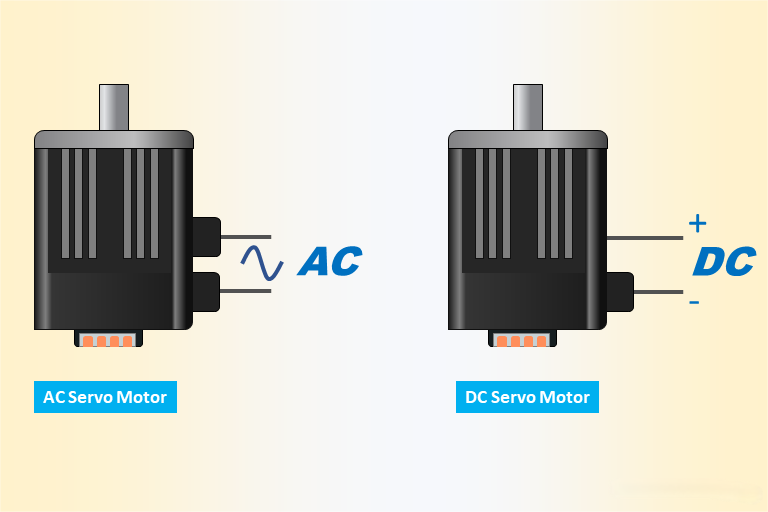
Le choix d'un servomoteur adapté est essentiel pour garantir la précision des mouvements, la fiabilité du fonctionnement et les performances à long terme de l'équipement. Bien que les servomoteurs à courant alternatif et à courant continu soient tous deux conçus pour un contrôle de précision, ils diffèrent en termes d'alimentation électrique, de caractéristiques de fonctionnement, d'exigences d'entretien et d'adéquation aux applications. La compréhension de ces différences aide les ingénieurs à prendre un choix plus large de moteurs en fonction des besoins réels de la machine.
Les systèmes d'automatisation modernes nécessitent des servomoteurs capables d'assurer une vitesse constante, un positionnement précis et un couple contrôlé dans des conditions de fonctionnement variables. Le choix entre des servomoteurs à courant alternatif et des servomoteurs à courant continu implique d'évaluer des facteurs tels que les caractéristiques de la charge, le temps de réponse, le cycle de service, l'environnement d'exploitation et la complexité du système afin d'obtenir des performances de mouvement fiables tout au long du cycle de vie de l'équipement.
Les servomoteurs à courant alternatif sont de plus en plus répandus dans l'automatisation industrielle, car ils offrent un rendement élevé, un entretien réduit et d'excellentes performances dans les applications en service continu. Les servomoteurs à courant continu restent toutefois très utiles pour certaines applications où la compacité, la réactivité de la commande ou des exigences spécifiques en matière de puissance imposent avantages techniques concrets plutôt que d'autres solutions.
Plutôt que de partir du principe qu’une technologie est meilleure qu’une autre, les acheteurs industriels devraient comparer les caractéristiques de performance, les exigences d’installation, la compatibilité des variateurs et les coûts d’exploitation à long terme. Adapter le servomoteur aux besoins réels de l’application permet d’atteindre performances équilibrées du système tout en évitant les investissements superflus ou le surdimensionnement.
Ce guide compare les servomoteurs à courant alternatif et les servomoteurs à courant continu, explique dans quels domaines chaque technologie offre les meilleures performances et répond aux questions courantes concernant les différents types de servomoteurs, leur fonctionnement en courant alternatif et en courant continu, leurs applications industrielles et les critères de sélection. Il a pour objectif de fournir conseils pratiques pour les acheteurs destiné aux ingénieurs, aux fabricants et aux responsables techniques chargés d'évaluer des solutions de servomoteurs.
Servomoteurs à courant alternatif ou à courant continu : quelle est la principale différence ?
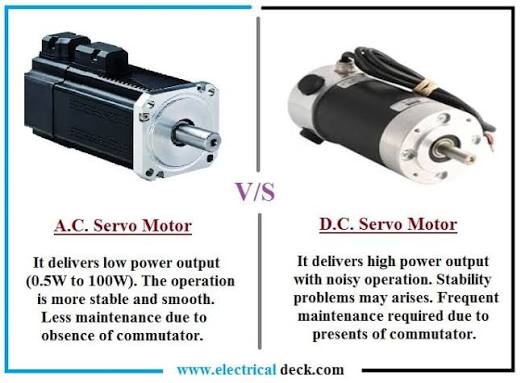
La principale différence entre les servomoteurs à courant alternatif et les servomoteurs à courant continu réside dans le type d'alimentation électrique qu'ils utilisent et dans leurs performances au sein de différentes applications industrielles. Ces deux technologies sont conçues pour le contrôle de mouvement de précision, mais chacune offre caractéristiques de fonctionnement distinctes qui influent sur les performances, le rendement et les besoins en maintenance du système.
Les servomoteurs à courant alternatif fonctionnent à l'aide de courant alternatif et sont largement utilisés dans l'automatisation industrielle, car ils offrent des performances fiables, un rendement élevé et un fonctionnement stable dans le cadre d'applications en service continu. Leur conception sans balais permet également des besoins de maintenance réduits par rapport à de nombreux modèles traditionnels moteur à courant continu motifs.
Les servomoteurs à courant continu fonctionnent à courant continu et sont généralement utilisés dans les équipements compacts, les systèmes alimentés par batterie et les applications nécessitant un contrôle réactif. Ils offrent réponse dynamique rapide et un positionnement précis, notamment dans les systèmes de commande de mouvement à faible puissance ou spécialisés.
Aucune de ces deux technologies n'est systématiquement la meilleure pour toutes les applications. Les ingénieurs doivent comparer les exigences en matière de couple, la plage de vitesse, le cycle de service, l'environnement d'exploitation, la compatibilité avec les variateurs et les coûts d'exploitation à long terme afin d'obtenir choix du servomoteur adapté pour leur équipement.
| Fonctionnalité | Servomoteur à courant alternatif | Servomoteur à courant continu |
| Alimentation électrique | Courant alternatif | Courant continu |
| Construction type | Généralement sans balais | À balais ou sans balais |
| Maintenance | Inférieur | Cela dépend de la conception du moteur |
| Applications courantes | Automatisation industrielle, commande numérique (CNC), robotique | Automatisation compacte, équipement de laboratoire |
| Idéal pour | Fonctionnement industriel en continu | Applications réactives et à faible consommation d'énergie |
Principales différences entre les servomoteurs à courant alternatif et les servomoteurs à courant continu
Bien que ces deux technologies permettent un contrôle précis des mouvements, plusieurs caractéristiques de performance distinguent les servomoteurs à courant alternatif des servomoteurs à courant continu. Comprendre ces différences aide les acheteurs à faire décisions éclairées en fonction des exigences de la machine plutôt que du seul type de moteur.
Une différence importante concerne l'entretien. La plupart des servomoteurs à courant alternatif modernes utilisent conception sans balais, réduisant l'usure mécanique et prolongeant la durée de vie. Certains servomoteurs à courant continu, en particulier les modèles à balais, nécessitent un remplacement périodique des balais, ce qui entraîne des besoins d'entretien différents au fil du temps.
La puissance disponible est un autre élément à prendre en compte. Servomoteurs à courant alternatif sont généralement privilégiés pour les équipements industriels à forte puissance et les environnements de production en continu, car ils offrent des performances stables à long terme dans des conditions d'exploitation difficiles.
Servomoteurs à courant continu sont souvent choisies lorsque la compacité, un fonctionnement à basse tension ou une réponse rapide sont des critères importants. Ces caractéristiques les rendent adaptées aux équipements nécessitant contrôle précis à faible consommation sans les besoins en énergie plus importants des grands systèmes industriels.
Les acheteurs industriels doivent également comparer la compatibilité des contrôleurs, les exigences d'installation, l'environnement d'exploitation et l'intégration au système avant de prendre une décision. L'évaluation conjointe de ces facteurs permet de performances fiables des applications tout en réduisant au minimum les coûts et la complexité superflus.
Les servomoteurs fonctionnent-ils en courant alternatif ou en courant continu ?
Les servomoteurs peuvent fonctionner soit en courant alternatif, soit en courant continu, selon leur conception et l'application prévue. Ces deux technologies permettent un contrôle précis des mouvements, mais le choix dépend de exigences spécifiques à l'application telles que la puissance requise, la vitesse, la précision et les conditions de fonctionnement.
Les systèmes modernes d'automatisation industrielle utilisent couramment des servomoteurs à courant alternatif, car ceux-ci offrent un rendement élevé, des performances fiables et un entretien réduit en fonctionnement continu. Leur conception sans balais les rend adaptés à environnements industriels exigeants lorsque la longévité et la stabilité de fonctionnement sont des critères importants.
Les servomoteurs à courant continu restent largement utilisés dans les équipements d'automatisation compacts, les appareils de laboratoire, les systèmes mobiles et les applications alimentées en courant continu. Ces moteurs offrent commande de mouvement adaptative pour les équipements nécessitant un positionnement précis et une accélération rapide.
Plutôt que de choisir un servomoteur en se basant uniquement sur sa source d'alimentation, les ingénieurs devraient comparer les exigences en matière de couple, la compatibilité avec le variateur, l'environnement d'exploitation et le cycle de service. L'évaluation de l'ensemble du système permet d'atteindre performance équilibrée des mouvements pour les applications industrielles.
Un servomoteur peut-il être à courant continu ?
Oui, un servomoteur peut fonctionner en courant continu. En effet, les servomoteurs à courant continu sont utilisés depuis de nombreuses années dans des applications de contrôle de mouvement qui nécessitent une régulation précise de la vitesse, un contrôle de la position et réponse précise du moteur pendant le fonctionnement.
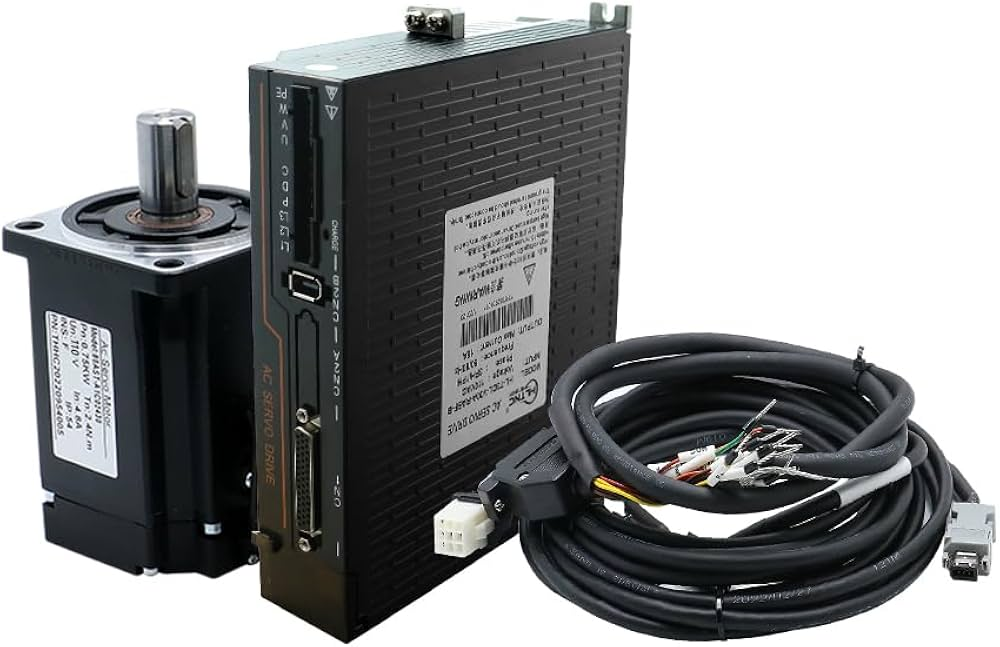
Un servomoteur à courant continu fonctionne au sein d'un système complet de régulation en boucle fermée comprenant un servovariateur, un contrôleur et un dispositif de rétroaction. Ces composants surveillent en permanence les performances du moteur et assurent ajustements de mouvement en temps réel pour maintenir la position ou la vitesse requise.
Les servomoteurs à courant continu modernes peuvent être de type à balais ou sans balais, selon l'application. Les modèles sans balais offrent généralement besoins d'entretien réduits et une efficacité accrue, tandis que les modèles à balais peuvent encore convenir à certaines applications spécifiques à faible consommation ou où le coût est un facteur déterminant.
Les acheteurs industriels doivent opter pour des servomoteurs à courant continu lorsque leur alimentation électrique, la conception de leurs machines et leurs exigences en matière de performances correspondent aux caractéristiques des systèmes à courant continu. Un choix judicieux des composants permet de garantir un fonctionnement fiable du système et les performances à long terme des équipements.
Quels sont les trois types de servomoteurs ?
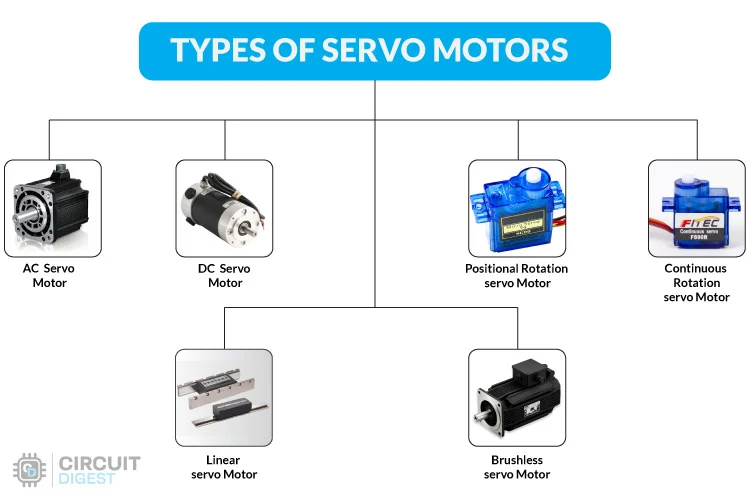
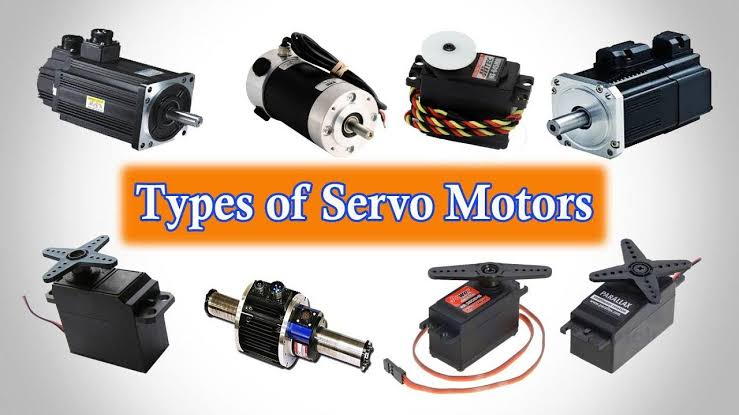
Les servomoteurs sont généralement classés en trois grandes catégories en fonction de leur source d'alimentation et de leur conception : les servomoteurs à courant alternatif, les servomoteurs à courant continu à balais et les servomoteurs à courant continu sans balais. Chaque type offre caractéristiques de performance différentes adaptés à des applications industrielles spécifiques.
Les servomoteurs à courant alternatif sont les plus couramment utilisés dans l'automatisation industrielle moderne, car ils offrent un rendement élevé, une excellente fiabilité et de très bonnes performances en fonctionnement continu. On les retrouve couramment dans la robotique, les machines à commande numérique, les systèmes d'emballage et équipements de fabrication de pointe là où la précision et la durabilité sont essentielles.
Brossé Servomoteurs à courant continu utilisent des balais de charbon pour transmettre le courant électrique au moteur. Ils offrent une commande réactive et un fonctionnement relativement simple, mais nécessitent un entretien périodique des balais, ce qui les rend adaptés à applications spécialisées à faible consommation lorsque les besoins en maintenance sont acceptables.
Les servomoteurs à courant continu sans balais ne comportent pas de balais mécaniques et fonctionnent grâce à une commutation électronique. Leur conception efficace, leur durée de vie prolongée et leurs besoins réduits en entretien en font des solutions idéales pour contrôle de mouvement haute performance dans les domaines de l'automatisation, des équipements médicaux, de la fabrication de semi-conducteurs et des machines de précision.
Le choix du type de servomoteur approprié dépend des exigences de l'application plutôt que de la seule catégorie du moteur. Les ingénieurs doivent comparer l'alimentation électrique, le couple, la vitesse, les besoins en maintenance, l'environnement d'exploitation et la compatibilité avec le variateur afin d'obtenir une performance optimale du système.
Quel est l'autre nom donné à un servomoteur à courant alternatif ?
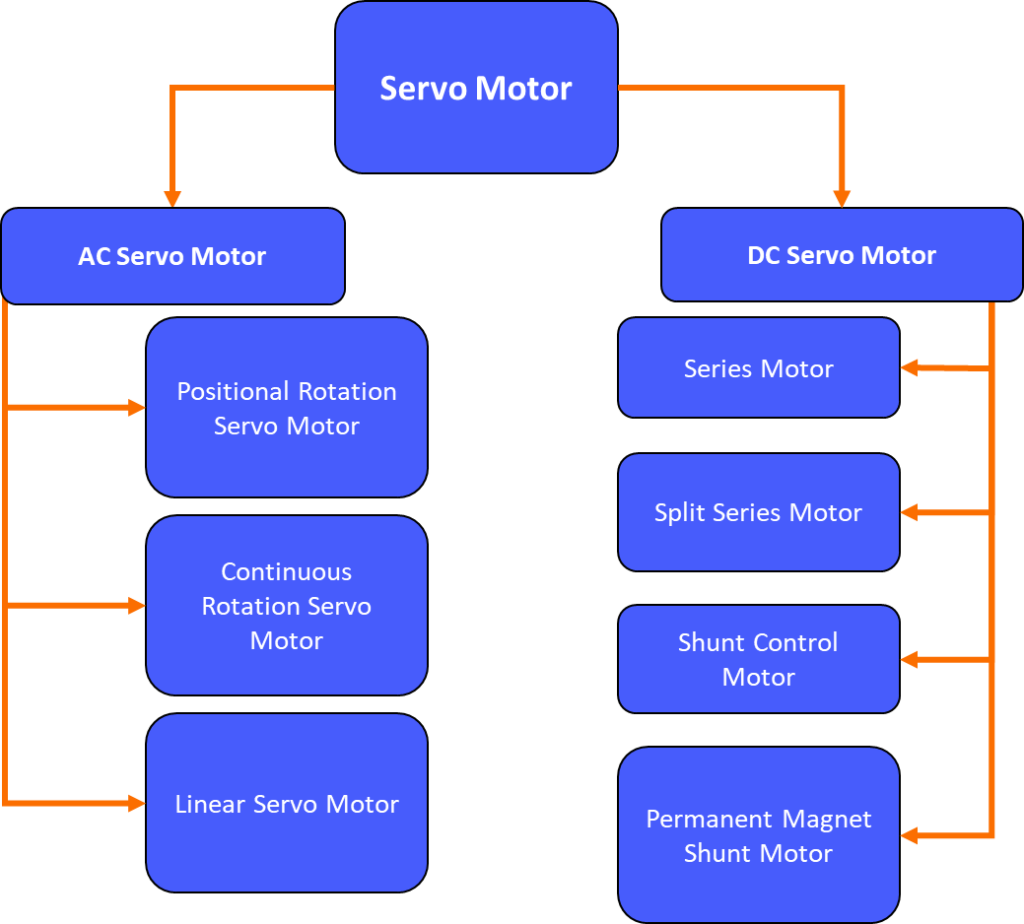
Un servomoteur à courant alternatif peut également être appelé « servomoteur à courant alternatif sans balais », « servomoteur à courant alternatif à aimants permanents » ou « servomoteur synchrone », selon sa conception et son application. Bien que la terminologie varie, ces appellations désignent généralement moteurs à courant alternatif à régulation de précision utilisés dans les systèmes de mouvement industriels.
De nombreux servomoteurs à courant alternatif modernes utilisent des aimants permanents et une commande électronique pour assurer un contrôle précis de la vitesse, du couple et de la position. En raison de cette conception, les fabricants peuvent employer différentes appellations pour désigner une technologie de servomoteurs similaire dont les principes de fonctionnement sont comparables.
La documentation technique peut également désigner ces moteurs sous le nom de « servomoteurs en boucle fermée », car ils fonctionnent avec des dispositifs de rétroaction tels que des codeurs ou des résolveurs. Cette rétroaction permet correction en continu pour maintenir la précision de positionnement lorsque les conditions d'exploitation varient.
Lorsqu'ils comparent des servomoteurs, les acheteurs doivent se concentrer sur les caractéristiques techniques et la compatibilité avec leur système plutôt que de se fier uniquement aux noms des produits. La maîtrise de la terminologie aide les ingénieurs à atteindre choix judicieux du matériel pour les applications d'automatisation industrielle.
Quel est le servomoteur le plus courant ?
Aujourd'hui, les servomoteurs à courant alternatif constituent le type de servomoteur le plus couramment utilisé dans l'automatisation industrielle. Alliant un rendement élevé, de faibles besoins d'entretien et des performances fiables, ils sont particulièrement adaptés à systèmes de production modernes dans un large éventail de secteurs d'activité.
La plupart des applications industrielles privilégient les servomoteurs à courant alternatif sans balais, car ceux-ci éliminent l'usure mécanique des balais tout en offrant un contrôle précis de la vitesse, du couple et de la position. Leur durabilité permet environnements de production en continu où les équipements fonctionnent pendant de longues périodes avec un entretien minimal.
Les servomoteurs à courant alternatif sont largement utilisés en robotique, CNC machines, équipements d'emballage, fabrication de semi-conducteurs, systèmes d'impression, ainsi que les chaînes de montage automatisées. Ces secteurs dépendent de haute précision de positionnement afin de garantir la qualité des produits et l'efficacité de la production.
Bien que les servomoteurs à courant continu restent importants pour certaines applications spécialisées, les servomoteurs à courant alternatif sont désormais la solution privilégiée pour la plupart des systèmes industriels de contrôle de mouvement, car ils offrent performance opérationnelle équilibrée dans des environnements de production exigeants.
Avantages et limites des servomoteurs à courant alternatif
Les servomoteurs à courant alternatif sont largement utilisés car ils offrent un rendement élevé, un positionnement précis et des performances fiables dans les systèmes d'automatisation industrielle. Leur conception sans balais permet des besoins de maintenance réduits tout en garantissant un fonctionnement stable dans le cadre d'utilisations en service continu.
L'un des principaux avantages de Servomoteurs à courant alternatif est leur capacité à maintenir un contrôle précis de la vitesse et du couple dans des conditions de charge variables. Cela les rend adaptés à la robotique, aux machines à commande numérique, aux équipements d'emballage et à d'autres applications nécessitant contrôle précis des mouvements tout au long du cycle de production.
Les servomoteurs à courant alternatif offrent également une longue durée de vie, une réponse rapide et une excellente compatibilité avec les systèmes d'automatisation modernes. Ces caractéristiques contribuent à performances constantes de la machine dans des environnements industriels exigeants.
Cependant, les systèmes servo à courant alternatif nécessitent généralement un investissement initial plus important, car ils fonctionnent avec des variateurs, des contrôleurs et des dispositifs de rétroaction spécifiques. Une installation et un réglage adéquats sont également indispensables pour obtenir rendement opérationnel optimal et des performances fiables à long terme.
Avantages et limites des servomoteurs à courant continu
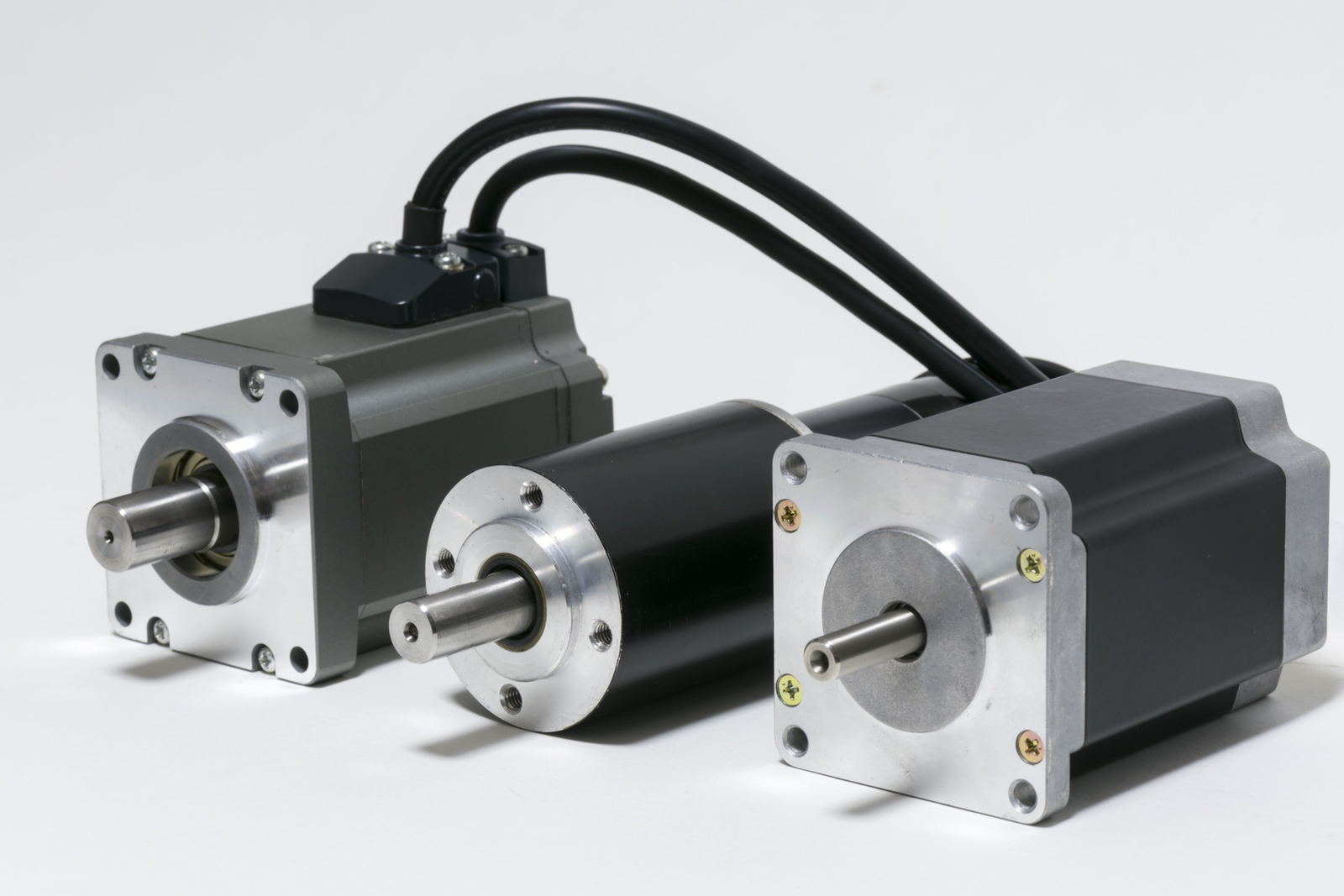
Les servomoteurs à courant continu offrent un fonctionnement réactif et un contrôle précis, ce qui les rend adaptés aux applications nécessitant un format compact et des mouvements précis. Leur capacité à fournir des réponses rapides et dynamiques est très utile dans de nombreux systèmes d'automatisation à faible consommation et spécialisés.
Un autre avantage réside dans leur aptitude à réseaux électriques à courant continu, y compris les équipements fonctionnant sur batterie et les appareils industriels portables. Cette flexibilité permet de fonctionnement efficace à basse tension dans les applications où l'alimentation en courant alternatif peut ne pas être envisageable.
Malgré ces avantages, certains Servomoteurs à courant continu, en particulier les modèles à brosses, nécessitent un remplacement périodique des brosses ainsi qu'un entretien supplémentaire. Ces exigences peuvent augmenter besoins d'entretien à long terme par rapport aux systèmes de servomoteurs à courant alternatif sans balais.
Les servomoteurs à courant continu peuvent également être moins adaptés à applications industrielles en continu à haute puissance les servomoteurs à courant alternatif offrant généralement un meilleur rendement et une plus grande durabilité. Les ingénieurs doivent comparer les exigences en matière de performances, les besoins en maintenance et les conditions d'exploitation afin d'obtenir choix du moteur adapté pour chaque application.
Comment choisir entre les servomoteurs à courant alternatif et les servomoteurs à courant continu
Pour choisir entre des servomoteurs à courant alternatif et des servomoteurs à courant continu, il faut tout d'abord bien cerner les exigences de l'application en matière de mouvement. Les ingénieurs doivent évaluer conditions réelles d'exploitation plutôt que de choisir un moteur en se basant uniquement sur sa source d'énergie ou son coût d'achat.
Les applications nécessitant un fonctionnement continu, une puissance élevée et un entretien minimal tirent généralement parti des servomoteurs à courant alternatif. Leur rendement élevé et leur conception sans balais les rendent particulièrement adaptés à environnements industriels exigeants là où la fiabilité est une priorité.
Les servomoteurs à courant continu constituent souvent un choix judicieux pour les équipements compacts, les systèmes alimentés par batterie et les applications nécessitant un contrôle de mouvement réactif. Leurs caractéristiques permettent fonctionnement précis à basse tension dans les machines présentant des contraintes électriques ou d'espace spécifiques.
Les acheteurs doivent également comparer les exigences en matière de couple, la plage de vitesse, le cycle de service, la compatibilité des variateurs, les conditions environnementales et les besoins en matière d'entretien. La prise en compte conjointe de ces facteurs permet d'atteindre performances équilibrées du système tout en évitant les coûts superflus ou le surdimensionnement.
Erreurs courantes à éviter lors de la sélection
Une erreur courante consiste à penser que les servomoteurs à courant alternatif sont toujours meilleurs que les servomoteurs à courant continu. En réalité, le choix le plus approprié dépend de exigences en matière de performances des applications plutôt que la catégorie « moteur » elle-même.
Une autre erreur consiste à choisir un servomoteur en se basant uniquement sur sa puissance nominale ou sa vitesse maximale. Les ingénieurs doivent également tenir compte du couple, de l'inertie, de la précision de positionnement, de l'environnement d'exploitation et du cycle de service afin d'obtenir dimensionnement adéquat du moteur pour la candidature.
Certains acheteurs négligent la compatibilité entre le moteur, l'entraînement, le variateur et le dispositif de rétroaction. Une intégration incorrecte du système peut entraîner des problèmes de communication, un fonctionnement instable et précision de contrôle réduite au cours de la production.
Enfin, ne pas tenir compte de la maintenance à long terme, des extensions futures et des coûts liés au cycle de vie peut entraîner des dépenses inutiles. Une évaluation complète des exigences techniques et opérationnelles permet de décisions d'achat éclairées pour les systèmes d'automatisation industrielle.
Choisir le servomoteur adapté à votre application
Le choix entre un servomoteur à courant alternatif et un servomoteur à courant continu dépend des besoins en puissance de l'application, du profil de mouvement, de l'environnement d'exploitation et des exigences de précision. Comprendre les atouts de chaque technologie aide les ingénieurs à prendre décisions axées sur les applications qui améliorent les performances des machines et leur fiabilité à long terme.
Avant de prendre une décision définitive, les acheteurs doivent évaluer le couple, la vitesse, le cycle de service, la compatibilité des variateurs, les besoins en matière de maintenance et les besoins futurs en matière d'extension. Prendre en compte l'ensemble du système de mouvement permet d'atteindre un fonctionnement fiable à long terme dans différents environnements industriels.
DMKE propose des solutions de servomoteurs de haute qualité, accompagnées d'un soutien technique, capacités de personnalisation, et rigoureux essais pour répondre aux diverses exigences du secteur industriel. Visitez notre site web ou contactez-nous dès aujourd'hui pour découvrir solutions d'asservissement spécifiques à chaque application conçu pour assurer un contrôle fiable et précis des mouvements.

 English
  English (Australia)
  English (Canada)
  Deutsch
  English (UK)
  Français