
Industrial automation is moving toward faster production speeds, smaller machine footprints, and higher energy efficiency. Manufacturers across robotics, CNC machining, semiconductor production, and packaging industries are under constant pressure to improve throughput without sacrificing precision or reliability. As these demands increase, motion control technology is evolving rapidly, and the high-speed brushless motor is becoming a serious alternative to traditional high-RPM servo systems.
For years, servo motors dominated applications requiring fast response, accurate positioning, and stable high-speed operation. However, recent advancements in brushless motor technology have significantly improved speed capability, thermal efficiency, and digital control performance. Modern high-speed brushless motor systems can now achieve extremely high rotational speeds while maintaining lower maintenance requirements and better energy efficiency than many conventional solutions, creating strong industrial interest in brushless motion platforms.
This shift is especially important in industries where continuous operation and reduced downtime directly affect productivity. Traditional servo systems often involve more complex mechanical structures, encoder dependencies, and maintenance demands. In comparison, high-speed brushless motor designs offer simpler architecture, smoother operation, and reduced wear because there are no physical brushes creating friction inside the motor. These advantages are driving interest in next-generation automation systems across advanced industrial environments.
Another factor increasing adoption is the push toward compact and energy-efficient machinery. Many manufacturers are redesigning production equipment to reduce system size while improving speed and operational flexibility. A high-speed brushless motor can support these goals through lighter construction, faster response, and improved efficiency under continuous operation. This makes brushless technology highly attractive for applications focused on space-saving machine design and optimised production performance.
Despite these benefits, replacing high-RPM servo systems is not always straightforward. Servo motors still provide advantages in ultra-precise positioning, synchronised multi-axis motion, and heavy dynamic load handling. Industrial buyers must therefore evaluate speed capability, torque behaviour, thermal performance, and control accuracy before deciding which solution best fits their application. Understanding these differences is critical for achieving optimised automation performance and long-term operational reliability.
This article explores how high-speed brushless motor technology compares with traditional high-RPM servos, where each system performs best, and whether brushless solutions can realistically replace servo systems in modern industrial automation with better engineering confidence. So, read on:
What Is A High-Speed Brushless Motor?
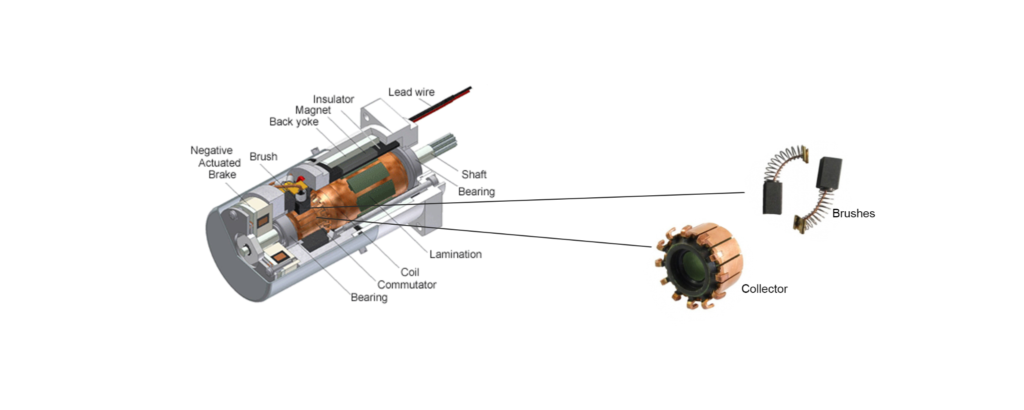
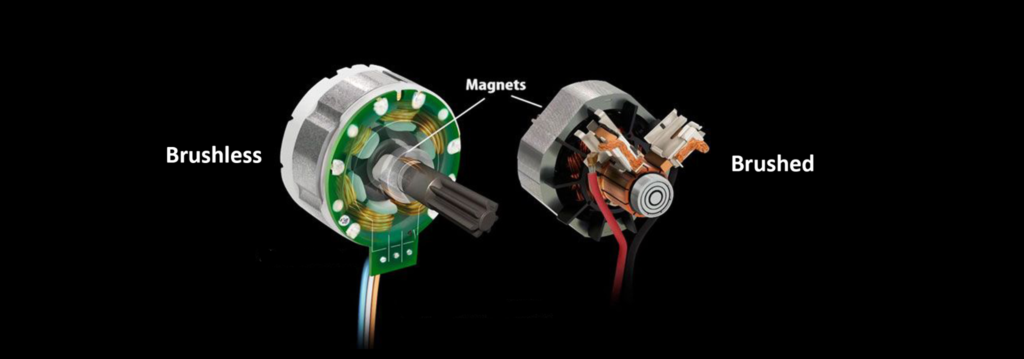
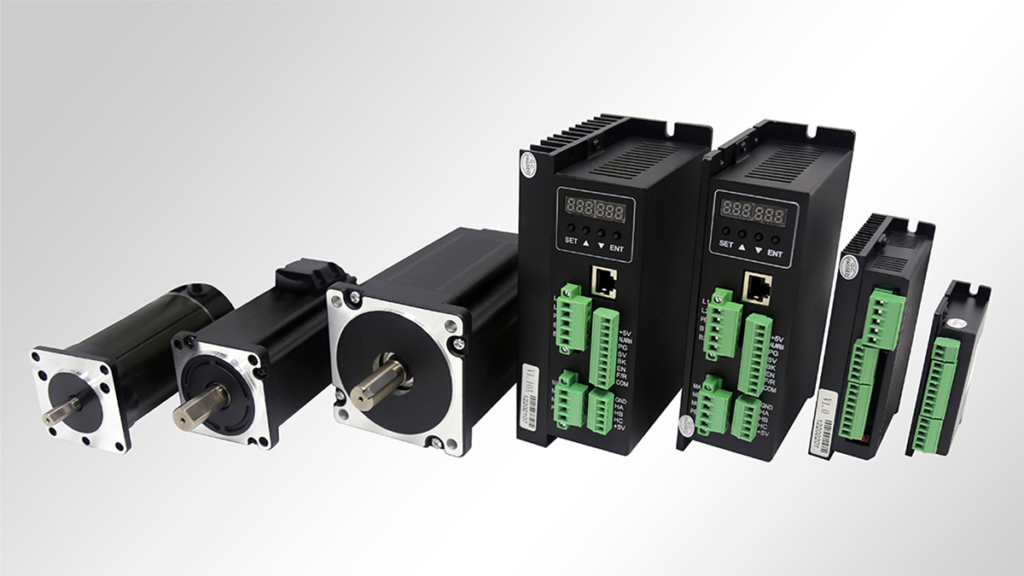
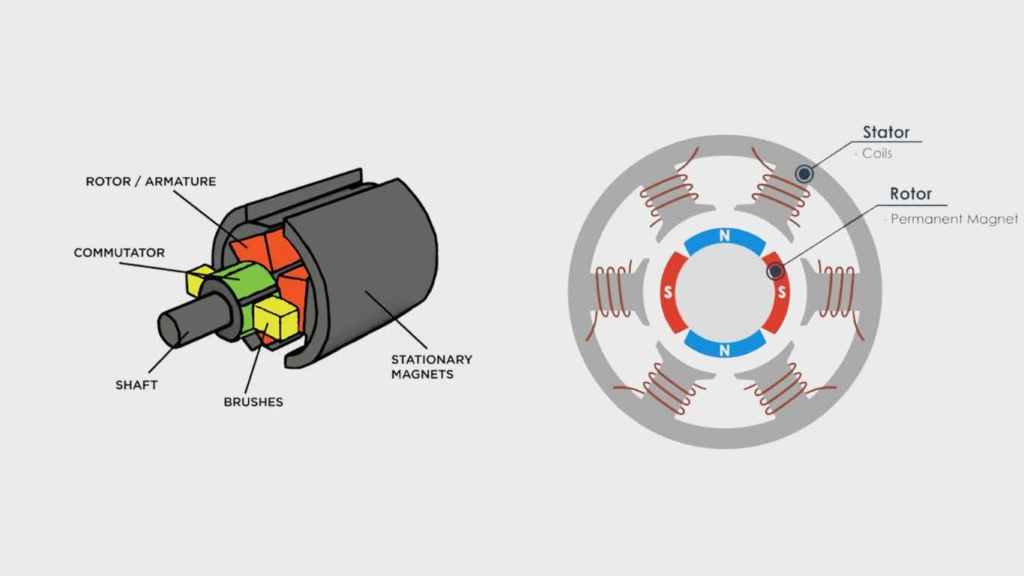
A high-speed brushless motor is an electric motor designed to operate at very high rotational speeds while maintaining stable efficiency, low maintenance, and precise electronic control. Unlike traditional brushed motors, it uses electronic commutation instead of physical brushes, which reduces friction, heat generation, and mechanical wear. This makes the high-speed brushless motor highly suitable for continuous industrial operation where reliability and speed are both critical.
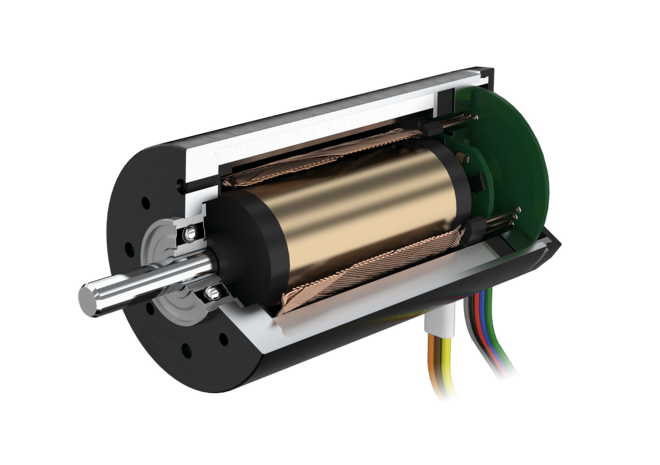
In simple terms, a brushless motor works through a combination of permanent magnets on the rotor and electronically controlled windings on the stator. Instead of relying on mechanical contact, the motor uses a controller to switch current flow at the right time, ensuring smooth rotation even at extremely high RPM levels. This electronic control system improves operational stability and allows consistent performance under demanding conditions.
One of the key advantages of a high-speed brushless motor is its ability to maintain performance without frequent maintenance. Since there are no brushes to wear out, the motor experiences less internal degradation over time. This reduces downtime and makes it ideal for applications where continuous production is required, supporting long-term industrial efficiency.
These motors are widely used in CNC spindles, robotics, medical equipment, and high-precision automation systems where speed and smooth motion are essential. Their compact structure and efficient design allow manufacturers to build smaller, faster, and more energy-efficient machines while maintaining high-speed operational control.
Because of these advantages, high-speed brushless motors are increasingly being compared with traditional servo systems. However, the choice between the two depends on factors such as torque requirements, positioning accuracy, and application complexity, which determine overall system suitability in industrial environments.
High Speed Brushless Motor Vs Traditional High RPM Servo Systems
When comparing a high-speed brushless motor with traditional high-RPM servo systems, the differences are not limited to speed alone. Both technologies are designed for motion control, but they follow different engineering approaches in structure, feedback, torque behaviour, and application focus. Understanding these differences is essential for selecting the right solution for industrial automation performance.
Structural and Design Differences
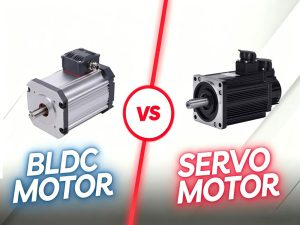
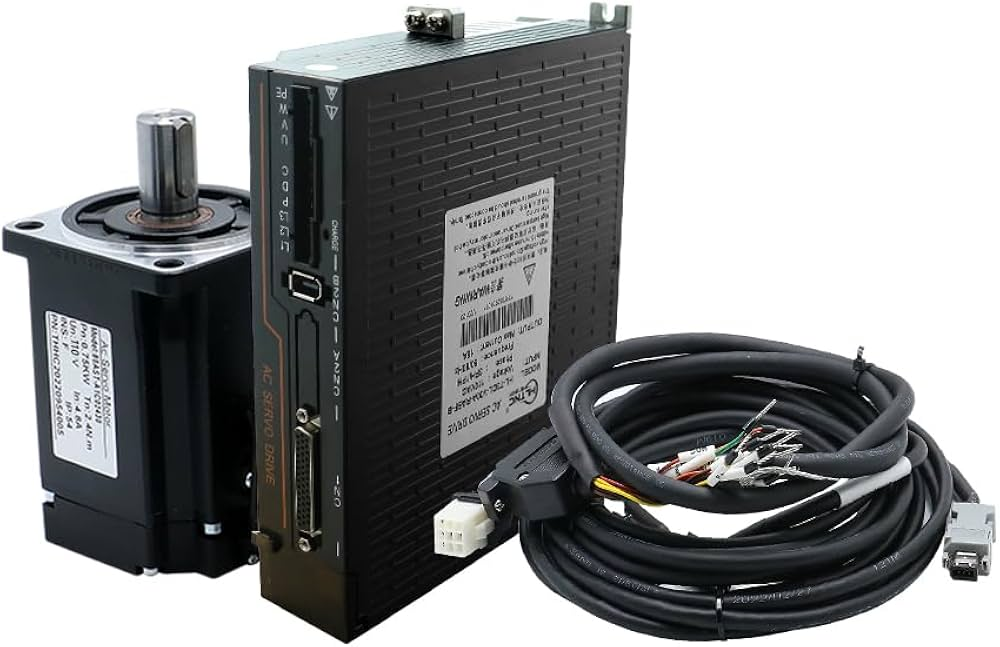
A traditional servo system is built around a motor, encoder, and servo drive working together in a closed-loop system. This structure allows precise control of position, speed, and torque. In contrast, a high-speed brushless motor uses a simpler architecture with electronic commutation and fewer mechanical components. This reduces complexity and improves durability, especially in continuous high-speed operation, making it a strong option for low-maintenance industrial design.
Speed Performance and Dynamic Response
Both systems can achieve high RPM levels, but their response behaviour is different. High-speed brushless motors are optimised for sustained high rotational speeds with smooth operation and reduced mechanical stress. Servo systems, however, are designed for rapid acceleration and deceleration with precise control over movement transitions. This gives servo systems an advantage in applications requiring high precision motion control, while brushless motors excel in continuous high-speed output.
Torque Characteristics Under Load
Torque delivery is one of the most important comparison points. Servo systems generally provide stronger torque control across varying loads, especially at low speeds and during sudden load changes. High-speed brushless motors perform efficiently at high RPM but may not match servo systems in heavy dynamic load handling. This makes torque behaviour a key factor in evaluating servo drive performance vs brushless efficiency.
Precision and Positioning Accuracy
Servo systems maintain superior positioning accuracy due to their advanced feedback systems and closed-loop control. They continuously adjust based on encoder input, ensuring exact movement. High-speed brushless motors can achieve good control but are typically less precise in complex positioning tasks. For applications like CNC machining or robotics, servo systems remain preferred for ultra-precise motion control.
Efficiency and Thermal Management
High-speed brushless motors generally offer better energy efficiency due to reduced friction and simpler mechanical design. They also generate less heat during continuous operation. Servo systems, while highly accurate, can produce more heat under heavy load conditions due to constant feedback adjustments and drive activity. This makes brushless motors more suitable for continuous high-speed efficiency applications.
High Speed Brushless Motor vs High RPM Servo Comparison
| Feature | High Speed Brushless Motor | High RPM Servo System |
| Speed Capability | Very high continuous RPM | High but control-dependent |
| Torque Control | Moderate under load | Strong and precise |
| Position Accuracy | Good | Very high |
| Maintenance | Low | Moderate to high |
| Efficiency | High | Moderate |
| Best Use Case | Continuous high-speed operations | Precision and complex motion control |
Advantages of Using High-Speed Brushless Motors
High-speed brushless motors are becoming increasingly popular in modern industrial systems because they offer a strong balance between speed, efficiency, and reliability. One of the biggest advantages is reduced maintenance. Since there are no physical brushes inside the motor, there is less mechanical wear, which directly improves lifespan and reduces downtime. This makes the high-speed brushless motor highly suitable for continuous production environments.
Another major advantage is energy efficiency. These motors operate with lower internal friction and optimised electronic control, which reduces energy losses during high RPM operation. This helps industries lower operating costs while maintaining consistent performance, especially in systems that require long hours of continuous motion under stable industrial load conditions.
High-speed brushless motors also offer compact design benefits. Their simpler structure allows manufacturers to build smaller and lighter machines without compromising output performance. This is particularly useful in robotics, CNC spindles, and automated systems, where space saving and weight reduction improve overall system efficiency and machine integration flexibility.
They also provide smoother operation at high speeds. Because electronic commutation replaces mechanical contact, vibration levels are reduced, resulting in quieter and more stable motion. This improves product quality in precision manufacturing environments where even minor vibration can affect output accuracy and surface finishing quality.
Where Traditional High RPM Servos Still Perform Better
Despite the advantages of brushless motors, traditional high RPM servo systems still dominate in applications that require extreme precision and complex motion control. One of their strongest advantages is positioning accuracy. Servo systems use advanced closed-loop feedback with encoders, allowing continuous correction of position, speed, and torque. This makes them ideal for applications requiring ultra-precise motion control.
Servo systems also perform better under heavy and dynamic loads. They can handle sudden torque changes, rapid acceleration, and multi-axis synchronisation more effectively than most brushless motor setups. This makes them highly suitable for robotics, CNC machining, and automated production lines where load conditions constantly change, and high stability is required.
Another area where servo systems excel is complex motion programming. In advanced automation systems, multiple axes must work together in perfect synchronisation. Servo systems are designed for this level of coordination, ensuring smooth operation across all movement stages. This capability is critical in industries that rely on high-precision industrial automation systems.
High-speed brushless motors are widely used in industries where continuous high rotational speed and energy efficiency are more important than ultra-precise positioning. One of the most common applications is CNC spindle systems. In these machines, the motor is required to maintain extremely high RPM for cutting, drilling, and milling operations. A high-speed brushless motor provides smooth rotation and stable performance, making it ideal for high-productivity machining environments.
In robotics and automation systems, these motors are used in auxiliary functions such as conveyor drives, light robotic arms, and fast-moving positioning units. Their compact size and low maintenance requirements help improve overall system efficiency while reducing downtime. This makes them suitable for continuous industrial automation processes where reliability and speed are key priorities.
Medical equipment is another important application area. Devices such as surgical tools, laboratory centrifuges, and diagnostic machines require quiet, vibration-free, and high-speed rotation. Brushless motors deliver stable operation with minimal noise and heat generation, ensuring safe and accurate performance in sensitive medical environments.
They are also used in semiconductor manufacturing and precision electronics production. These industries require fast, clean, and consistent motion without contamination from mechanical wear. The efficiency and cleanliness of brushless motor systems make them ideal for high-purity manufacturing conditions where precision and stability are critical.
Can a High Speed Brushless Motor Fully Replace Servo Systems?
The idea of replacing traditional servo systems with high-speed brushless motors depends entirely on the application requirements. In some cases, brushless motors can serve as a direct replacement, especially in systems where continuous high-speed rotation and energy efficiency are more important than precise positioning. In such scenarios, they offer a simpler and more cost-effective solution for industrial motion control.
However, there are still clear limitations. Servo systems remain superior in applications that require accurate positioning, multi-axis coordination, and complex motion control. Industries like CNC machining, robotics, and automated assembly lines depend on servo technology for precision that brushless motors cannot always match. This makes servo systems essential for high-accuracy industrial automation.
In many modern setups, the future is not full replacement but hybrid integration. Manufacturers often combine brushless motors for high-speed tasks and servo systems for precision control within the same machine. This balanced approach allows optimised performance, better efficiency, and improved system flexibility in advanced industrial engineering designs.
Common Mistakes When Comparing Brushless Motors and Servo Systems
One of the most frequent mistakes engineers and buyers make is comparing systems only based on RPM. While both a high-speed brushless motor and a servo system can achieve high rotational speeds, RPM alone does not define performance. Ignoring torque behaviour, control precision, and load response often leads to incorrect selection and poor system-level performance outcomes.
Another common error is underestimating torque requirements. Brushless motors may perform well at high speed, but if the application involves sudden load changes or heavy resistance, they may not deliver the required stability. Servo systems handle dynamic torque more effectively, and overlooking this difference can result in unstable motion and reduced operational reliability.
Many users also ignore positioning accuracy during comparison. Servo systems are built for precise closed-loop control, while brushless motors are more focused on speed efficiency. Choosing a motor without considering accuracy needs can cause major performance gaps in applications requiring tight motion control standards.
Thermal performance is another overlooked factor. High-speed operation generates heat, and improper cooling assumptions can lead to overheating issues in both systems. Without proper thermal planning, even a high-quality motor can experience reduced lifespan and efficiency loss under continuous load.
Lastly, cost-based comparison alone is a mistake. While brushless motors may appear more economical initially, long-term requirements such as precision, maintenance, and system integration must also be evaluated to ensure balanced industrial decision-making.
Choose the Right Motion Solution With Expert Engineering Support With DMKE
The comparison between a high-speed brushless motor and traditional high-RPM servo systems is not about identifying a universal replacement, but about selecting the right solution for the right application.
At DMKE, we support industrial buyers in selecting the right motion control solutions based on real application needs. Whether it involves high-speed brushless motor systems or advanced servo configurations, our focus is on delivering reliable, customizable, efficient, and tested solutions for long-term industrial success.
Visit our website or contact us today for powerful solutions, expert consultation, and tailored recommendations with trusted engineering support.

 English
  English (Australia)
  English (Canada)
  Deutsch
  English (UK)
  Français