 跳到内容
跳到内容 
Industrial machines, automotives and everyday devices often rely on motors for proper operation. When a motor underperforms or fails unexpectedly, it can halt production, damage equipment, or increase their maintainance costs. Unexpected motor failure is a major headache for engineers and operators, making it critical to choose the right motor type for each application.
Among the most widely used options, brushed DC motors continue to hold relevance despite the rise of brushless alternatives. Their simple design, predictable behavior, and high starting torque make them an ideal choice for applications that require reliable motion without complex control systems.
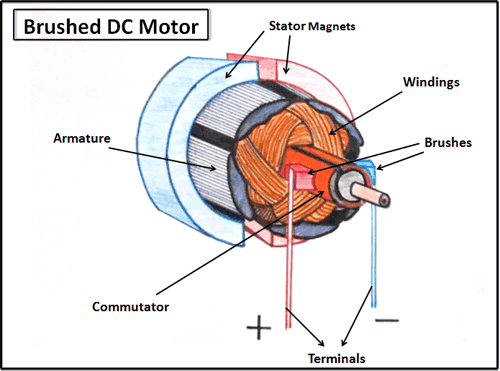
At a basic level, a brushed DC motor converts electrical energy into mechanical rotation using brushes and a commutator. Brushes and commutators tend to work together to channel current into the armature, creating a magnetic interaction that generates torque. This mechanical simplicity allows engineers to quickly troubleshoot, maintain, and replace components as needed, reducing downtime and operational risk.
Because of their balance of affordability, control, and performance, brushed DC motors are found in a variety of systems—from conveyors and power tools to automotive components and robotics prototypes. Simple yet effective design ensures they can meet both industrial and commercial requirements without overcomplicating the system design.
In this comprehensive guide, we will explore the fundamentals of brushed DC motors, including their principle of operation, key elements, types, advantages, limitations, and common applications, to help you make informed decisions for reliable, long-term performance.
What is a Brushed DC Motor?
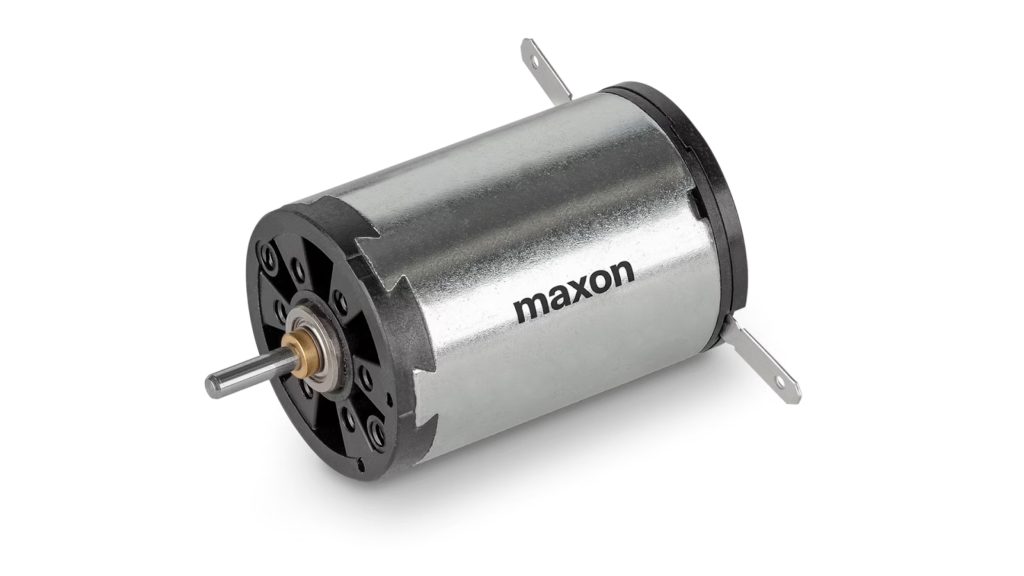
A brushed DC is a commonly used electric motor design. It operates using direct current power and converts electrical current into motional rotation through electromagnetic interaction. A brushed DC setup uses a mechanical commutation system that lets the current flow through the windings in a way that keeps the rotor turning continuously.
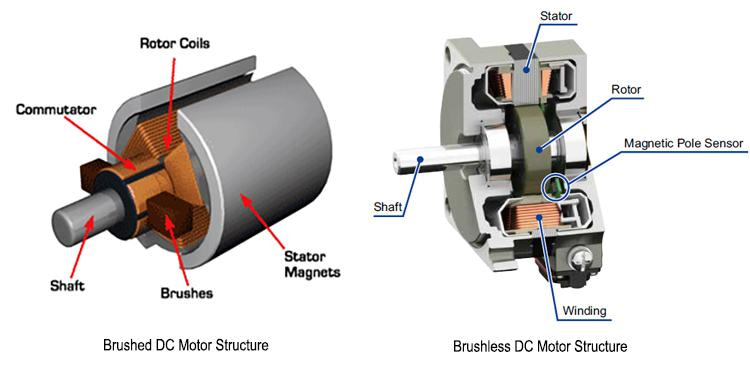
At a basic level, this setup consists of a stationary structure and a rotating armature that carries electrical windings. When the current crosses the windings, a magnetic field is generated. This interactive event between the rotor and the stator creates torque, which causes the rotor to spin and produce mechanical motion.
A defining featureof such a setup is that it uses brushes and a commutator. The brushes stay physically connected to the rotating commutator segments, allowing electrical current to flow from the power source into the armature windings. Brushes work along with the commutators to periodically reverse the nature of current flow through the windings. This switching process ensures that the magnetic forces will push the rotor in a similar direction of rotation.
Because of this relatively simple design, brushed DCs have been used in industrial equipment for many decades. They are valued for their straightforward construction, easy speed control, and strong starting torque. A simple design also makes them easier to maintain and repair compared to more complex systems.
Although modern applications increasingly adopt brushless technologies for higher efficiency and reduced maintenance, brushed DCs still remain relevant in many systems. Their combination of affordability, reliability, and predictable performance keeps them widely used across industrial machinery, automotive components, power tools, and many other electromechanical devices.
Main Components of a Brushed DC Motor
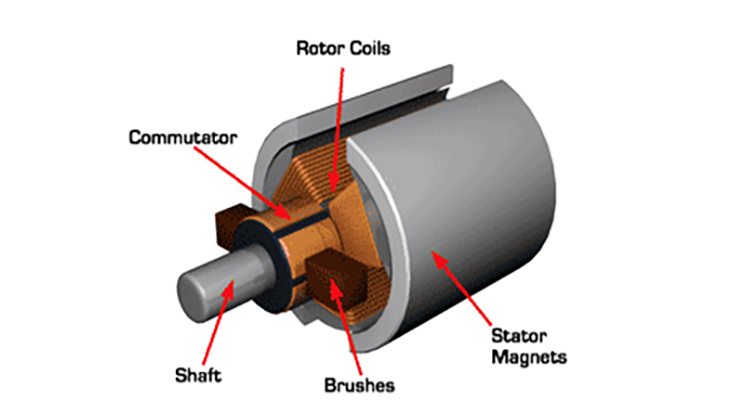
Understanding how a brushed DC motor operates becomes easier when its internal structure is examined. Although the overall design is relatively simple, each component plays its own distinct role to convert current into mechanical motion. Several key components work together to generate torque, maintain rotation, and ensure stable performance.
- Stator
The stator is the stationary part of the assembly that provides the magnetic field required for operation. In many brushed DCs, the stator comes with permanent magnets. These magnets are mounted inside the motor housing. In larger or more specialised designs, electromagnets may be used instead. The stator creates the magnetic environment that interacts with the rotor to produce motion.
This magnetic field will stay fixed as the rotor rotates within it. When current flows through the rotor windings, the magnetic interaction between the stator field and the armature field generates torque. The strength and stability of the stator’s magnetic field directly influence the motor’s overall performance.
- Rotor (Armature)
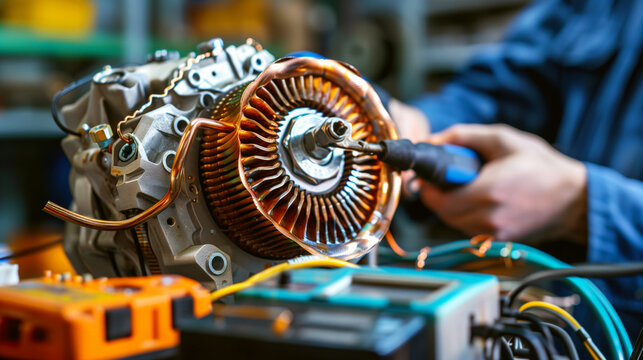
The rotor, also called the armature, is the rotating part of the setup. It is made of laminated steel cores that are wrapped with copper windings. When electrical current flows through these windings, the rotor produces its own magnetic field. The rotor generates the electromagnetic forces required for rotation. As the rotor interacts with the stator’s magnetic field, torque is produced, and the shaft begins to spin. The rotor is mounted on a shaft that is being supported by bearings. This allows it to rotate smoothly while delivering mechanical power to the connected system.
- Brushes
Brushes are conductive components that transfer electrical current from the power supply to the rotating armature. They are usually made from carbon or graphite materials, which provide good electrical conductivity while reducing friction and wear. The brushes deliver current to the commutator as it rotates with the motor shaft.
Since brushes maintain direct contact with moving parts, they gradually wear down over time. Regular inspection and replacement are hence important to ensure smooth operation and prevent performance issues.
- Commutator
The commutator is a cylindrical component attached to the rotor shaft. It is made up of multiple copper segments that are nicely insulated from one another. The primary function of a commutator is to reverse the direction of current in the armature windings during rotation. The commutator switches current flow at precise intervals as the rotor turns.
This current reversal is essential because it keeps the electromagnetic forces acting in the same rotational direction. Without the commutator, the magnetic interaction would quickly stop the rotor instead of maintaining continuous motion. Together with the brushes, the commutator enables to sustain stable and continuous rotation.
How Does a Brushed DC Motor Work?
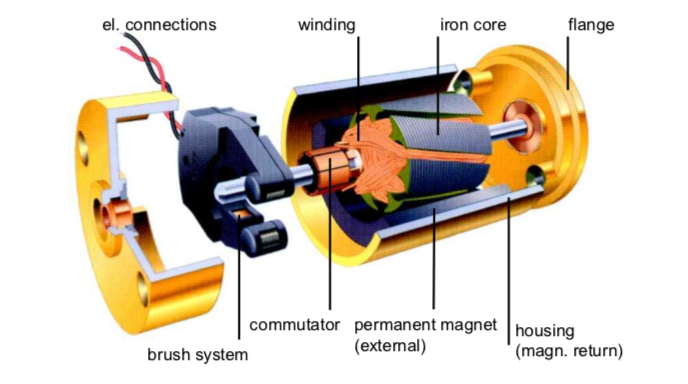
The operation of a brushed DC motor is based on the interaction between current and magnetic fields. When direct current is supplied to the motor, it flows via many internal components that work together to produce rotational motion. Electromagnetic interaction drives the entire working process of the motor. To better understand this mechanism, it is helpful to examine the operating sequence step by step:
Step-by-Step Working Process
| Step | Process | Explanation |
| 1 | Electrical power supplied | Direct current from the power source is delivered to the motor through external terminals and reaches the brushes. |
| 2 | Current enters the armature | The brushes transfer electrical current to the commutator, allowing it to flow into the armature windings. |
| 3 | Magnetic interaction occurs | As current flows through the armature windings, a magnetic field forms around them and interacts with the stator’s magnetic field. |
| 4 | Torque is generated | The interaction between these magnetic fields produces a force on the rotor conductors, creating rotational torque. |
| 5 | Current direction switches | The commutator changes the direction of current in the armature windings as the rotor turns. |
| 6 | Continuous rotation maintained | This switching keeps the magnetic forces acting in the same direction, allowing the rotor to rotate continuously. |
Understanding the Working Principle
Once electrical power reaches the brushes, current flows into the armature windings through the segments in commutator. As this current passes through the windings, you can expect that it will produce a magnetic field around the conductors. Armature current creates the electromagnetic force required for motion.
The rotor’s magnetic field then interacts with the magnetic field generated by the stator. This interaction produces a force that pushes the armature conductors in a specific direction. This is what ultimately causes the rotor to begin rotating. Magnetic force produces the torque that drives the motor shaft.
You must note here that, without current reversal, the rotor would quickly align with the stator’s magnetic field and will stop. The commutator solves this problem by switching the current direction in the windings as the rotor rotates. The commutator reverses current at the correct intervals, ensuring that the electromagnetic forces continue pushing the rotor forward.
Through this repeated process of magnetic interaction and current switching, the rotor keeps turning and delivers mechanical power to the connected equipment. Continuous torque generation allows brushed DCs to maintain steady rotation and reliable performance in a wide range of mechanical systems.
Types of Brushed DC Motors
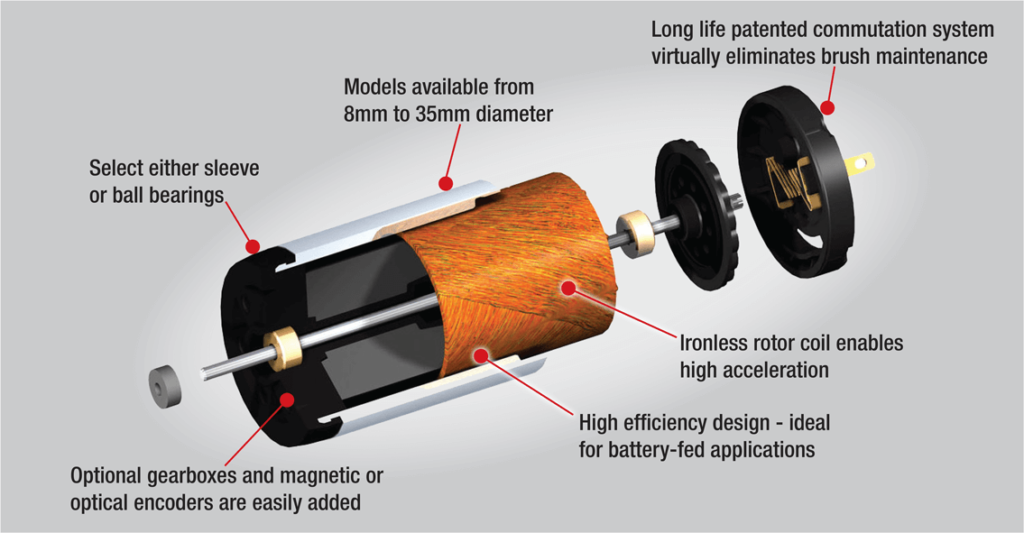
Brushed DCs can be designed with different field winding configurations depending on what kind of performance characteristics you require in an application. These configurations influence factors such as starting torque, speed stability, and load response. Different motor configurations allow brushed DCs to operate efficiently in a wide range of mechanical systems.
- Permanent Magnet DC
Permanent magnet DCs use permanent magnets in the stator instead of electromagnetic field windings. These magnets create a constant magnetic field that interacts with the current flowing through the armature windings to produce rotation. Permanent magnets create the required magnetic field without the need for additional field current.
Thanks to their simpler construction, you can expect these motors to be compact, efficient, and easier to manufacture. They are commonly used in applications where moderate power output and reliable speed control are required. Typical examples include small setups, portable devices, automotive accessories, and electronic equipment.
- Series Wound DC
In a series-wound DC setup, the field winding is connected in harmony with the armature winding. You can understand it as a setup where the same current flows through both components. As the load increases, the current rises, which enhances the magnetic field and increases torque. Series winding produces a very high starting torque.
Because of this characteristic, series-wound motors are commonly used in setups that demand powerful initial movement. Equipment such as cranes, hoists, elevators, and traction systems often rely on these motors to start heavy loads and maintain a strong pulling force.
- Shunt Wound DC
A shunt-wound DC motor has its field winding connected in parallel with the armature winding. As a result of such a configuration, the field current tends to remain relatively stable even when the load changes. Shunt winding provides a consistent magnetic field strength during operation.
As a result, you can expect these motors to offer stable speed characteristics and smooth performance. They are commonly used in industrial equipment where maintaining a constant speed is important, such as conveyors, machine tools, and processing machinery.
- Compound Wound DC
Compound wound DCs are the ones that combine the features of both series and shunt units. They contain two field windings, one connected in series and the other in parallel with the armature. Compound winding combines the benefits of both types.
This design allows such units to produce strong starting torque while also ensuring stable speed under varying loads. Because of this balance, many tend to use compound wound motors in setups that require both reliable startup performance and controlled operation.
Key Advantages of Brushed DCs
Brushed DC motors remain popular because of their compact and practical design. Their construction is straightforward, which makes installation, troubleshooting, and repairs faster and less complicated than many modern alternatives. A simple mechanical design allows even small workshops or field engineers to handle maintenance without specialized tools.
Cost efficiency is another strong point. Affordable upfront cost enables their integration into industrial machines, automotive systems, and consumer products without straining budgets.
Controlling the motor’s speed is effortless. By adjusting voltage or current, operators can achieve smooth and predictable performance. Adjustable speed control makes these motors suitable for applications where precise motion is in demand.
Brushed DC motors also deliver high starting torque, which is critical for devices or machinery that need immediate movement from a stationary position, such as conveyors or lifting systems.
Finally, maintenance is convenient and predictable. Brushes and commutator components are accessible, allowing quick inspection or replacement. Easy component access ensures less downtime and makes sure that the motor continues to operate reliably over time.
Limitations of Brushed DC Units
Despite their usefulness, brushed DC motors have some intrinsic drawbacks. The most notable issue is brush wear, as constant contact with the commutator generates friction over time. Regular inspection and replacement are essential to maintain consistent operation.
Electrical interference is another factor you should consider. Sparking at commutator segments can generate noise, potentially affecting sensitive electronics nearby.
Efficiency is typically lower compared to that in brushless designs due to mechanical losses and energy wasted in the switching process. Lower operational efficiency can be significant for energy-critical or high-duty applications.
Under heavy and consistent loads, the overall lifespan of these motors may be shorter than that of alternatives. Limited service life should be factored into design decisions, especially in industrial environments where prolonged operation is expected.
Common Applications of Brushed DCs
Brushed DCs are versatile and used in many systems because of their reliable performance and simple control:
- Automotive systems: Power windows, seat adjustments, windshield wipers.
- Industrial machinery: Conveyors, actuators, lifting equipment.
- Consumer electronics: Power tools, small appliances, handheld devices.
- Robotics and automation: Wheels, joints, and prototype mechanisms for affordable motion control.
Their combination of simplicity, controllable speed, and low cost makes them suitable across a wide range of industrial and commercial applications. Versatile use is why they remain relevant despite newer technologies.
Maintenance Tips to Extend Brushed DCs Life
Proper maintenance can significantly extend the life of a brushed DC unit. Regular inspection of the brushes is essential, as worn brushes can reduce efficiency and cause operational issues. Inspect brushes regularly to prevent unexpected downtime.
Keeping the commutator clean ensures consistent electrical contact and smooth operation. Clean commutator surfaces help maintain torque and reduce sparking.
Avoiding overload conditions is equally important. Operating the motor beyond its rated capacity can accelerate wear and shorten its lifespan. Prevent overload use to protect internal components.
Monitoring heat and vibration can help detect early signs of mechanical or electrical problems. Check temperature and vibration periodically to catch issues before they escalate. By following these simple steps, a brushed DC setup can deliver reliable performance and maintain its operational efficiency for a longer period.
When Should You Choose a Brushed DC Motor?
Brushed DCs are ideal for applications where low-cost solutions are a priority. Their simple construction and ease of speed control make them suitable for systems that do not require complex electronics.
They perform well in small or medium-duty operations, where the load is predictable, and high precision is not critical. Systems that require straightforward control, such as power tools, conveyors, and small automation projects, benefit from this motor type. Simple control systems can take advantage of their predictable torque and speed characteristics.
Brushed DC motors are also widely used in prototyping and research equipment because of their affordability and easy maintenance. Designers and engineers can experiment with motor-driven systems without investing in complex or expensive alternatives.
Make the Right Choice: Connect With DMKE Today
Brushed DCs remain a cornerstone of many industrial, automotive, and consumer applications due to their reliable performance and simple design. Despite the increasing adoption of brushless technologies, these units continue to provide practical solutions for low-cost, medium-duty, and prototyping applications.
At DMKE, our experts can help you best decide whether you need a brushed or a brushless unit. Not only that, but we can also ensure you get a unit with the right size and power for all your needs with our custom solution services.
Visit our website and contact us today to get your hands on the most amazing motor options, rigorously tested for quality and efficiency, and curated rightly for your needs.

 English
  English (Australia)
  English (Canada)
  Deutsch
  English (UK)
  Français