
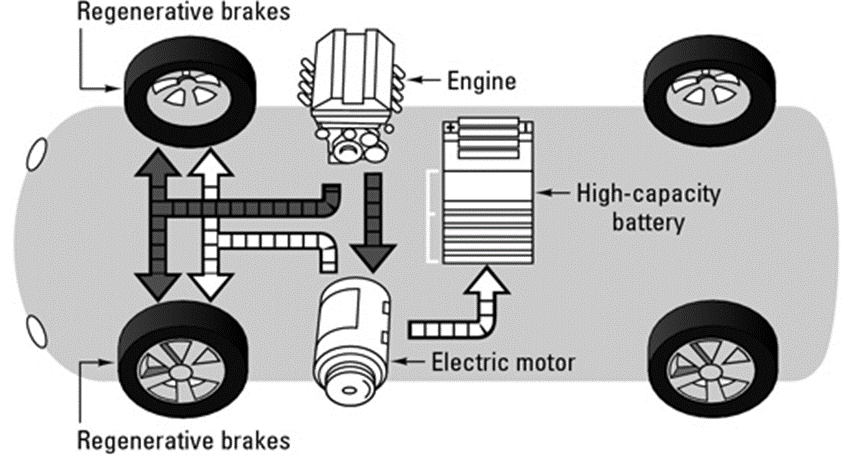
The global shift toward electric mobility is changing the future of transportation across passenger vehicles, logistics fleets, industrial automation systems, and commercial transport applications. As governments tighten emission regulations and businesses focus on reducing fuel dependency, demand for high-efficiency EV systems continues to rise. At the centre of this transformation is the electric vehicle motor, which plays a critical role in determining vehicle performance, energy efficiency, torque output, reliability, and long-term operational costs.
Unlike traditional internal combustion systems, electric vehicles rely heavily on advanced motor technologies to deliver instant torque, smoother acceleration, and reduced maintenance requirements. However, not all EV motors operate the same way. Different motor types offer unique advantages depending on vehicle size, operating environment, battery configuration, and performance expectations. For industrial buyers and manufacturers, choosing the correct motor solution can directly affect production efficiency, thermal stability, energy consumption, and lifecycle durability.
The rapid adoption of electric vehicles has also introduced new technical and operational concerns. Buyers often question which motor technology performs best, why companies like Tesla use specific motor systems, and whether traditional DC motors still have a place in modern EV platforms. In addition, challenges such as charging infrastructure limitations, battery costs, thermal management, and safety concerns continue to influence purchasing decisions across the EV market.
Understanding the strengths and limitations of each electric vehicle motor type is essential for businesses investing in electric mobility solutions. Factors such as efficiency ratings, maintenance requirements, speed control capability, and heat resistance all impact the long-term value of an EV system. Industrial operators also require motors that can maintain stable performance under demanding operating conditions while supporting energy optimisation goals.
This article explores the most common motors used in electric vehicles today, including permanent magnet synchronous motors, AC induction motors, brushless DC motors, and emerging reluctance motor technologies. It also explains why traditional DC motors are rarely used in modern EVs, examines the motor systems used in Tesla vehicles, discusses major challenges affecting electric cars, and addresses common safety concerns related to pacemakers and electromagnetic fields. Readers will also gain practical buyer guidance for selecting reliable motor solutions for commercial and industrial applications.
What Type of Motors Are Used in Electric Vehicles?
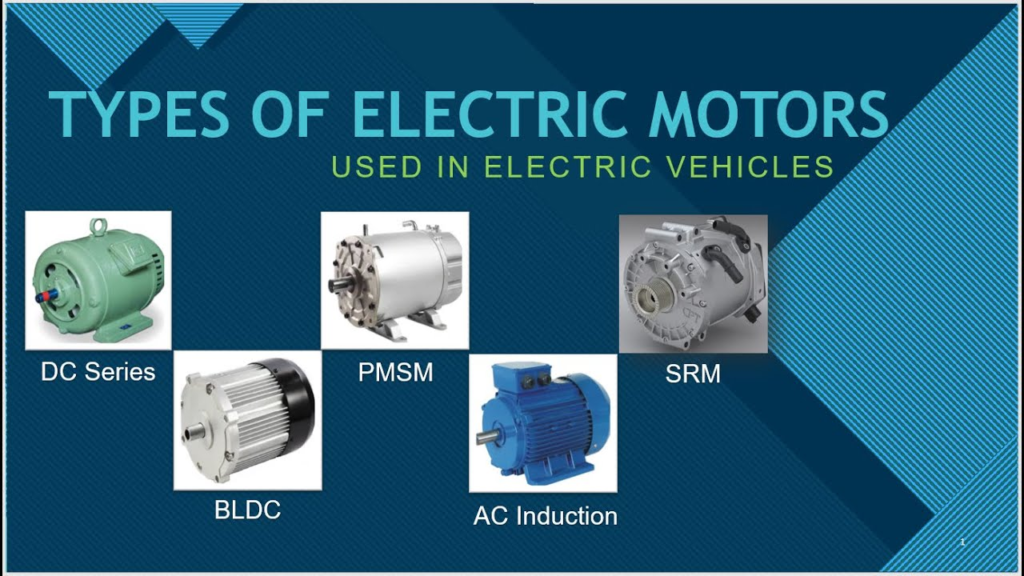
Electric vehicles rely on high-efficiency motor systems designed to deliver strong torque, smooth acceleration, and energy optimisation across varying driving conditions. Unlike traditional combustion engines, EVs depend entirely on the motor’s electrical conversion efficiency, making motor selection a critical engineering decision. Different industries and manufacturers choose different motor types based on cost, performance, and application needs.
Permanent Magnet Synchronous Motors (PMSM)
Permanent magnet synchronous motors are widely used in modern electric vehicles due to their high efficiency and compact design. These motors use permanent magnets in the rotor to generate strong magnetic fields, resulting in excellent torque density and smooth operation.
They are commonly found in passenger EVs where performance and range optimisation are priorities. Their ability to maintain efficiency across a wide speed range makes them suitable for both city driving and highway conditions.
From a buyer’s perspective, PMSM systems are preferred when energy efficiency and driving range are top priorities. However, they rely on rare earth materials, which can impact long-term cost and supply stability.
AC Induction Motors
AC induction motors are another widely used option in electric vehicle engineering. Instead of permanent magnets, they rely on electromagnetic induction, which makes their construction simpler and more robust.
These motors are known for durability and strong performance under high load conditions. They are less dependent on rare earth materials, which can reduce supply chain risks for manufacturers.
In industrial use cases, AC induction motors are often selected for performance-oriented EVs where reliability and thermal stability are more important than absolute energy efficiency.
Brushless DC Motors (BLDC)
Brushless DC motors are commonly used in smaller electric vehicles and light mobility applications. They offer a good balance between efficiency, size, and maintenance requirements.
Because BLDCs eliminate mechanical brushes, they require less maintenance and provide smoother operation over time. Their compact structure makes them suitable for lightweight EV platforms and auxiliary systems.
Which Motor Is Used in Tesla Vehicles?
Tesla has played a major role in shaping modern EV motor technology by combining different motor architectures across its vehicle lineup. Early models primarily used AC induction motors, valued for their durability and consistent performance under high load conditions.
In newer vehicles, Tesla has shifted toward permanent magnet synchronous motors in many configurations to improve energy efficiency and extend driving range. This hybrid approach allows Tesla to balance performance with efficiency depending on model type and drivetrain design.
Tesla also uses dual motor setups in many All Wheel Drive systems, combining different motor types to optimise traction, acceleration, and energy recovery. This flexibility in motor design is one of the reasons Tesla vehicles are known for strong performance and high efficiency.
For industrial buyers, Tesla’s approach highlights an important insight: there is no single “best” motor type. Instead, motor selection depends on application goals, whether that is range optimisation, power delivery, or cost efficiency.
Why Are DC Motors Not Used in Electric Vehicles?
Traditional DC motors were widely used in early electric systems, but they are rarely used in modern electric vehicles due to performance and maintenance limitations. One of the main issues is the presence of mechanical brushes, which create friction and wear over time.
This leads to higher maintenance requirements, reduced lifespan, and lower reliability in long-term industrial applications. In EV systems where continuous operation and efficiency are critical, this becomes a major disadvantage.
Another limitation is efficiency at higher speeds. DC motors tend to lose performance as speed increases, making them less suitable for highway driving or heavy load conditions. They also generate more heat, which creates additional thermal management challenges in compact EV designs.
Modern electric vehicles instead prefer brushless and AC-based systems, which eliminate physical contact components and improve energy efficiency.
What Is the Biggest Problem With Electric Cars?
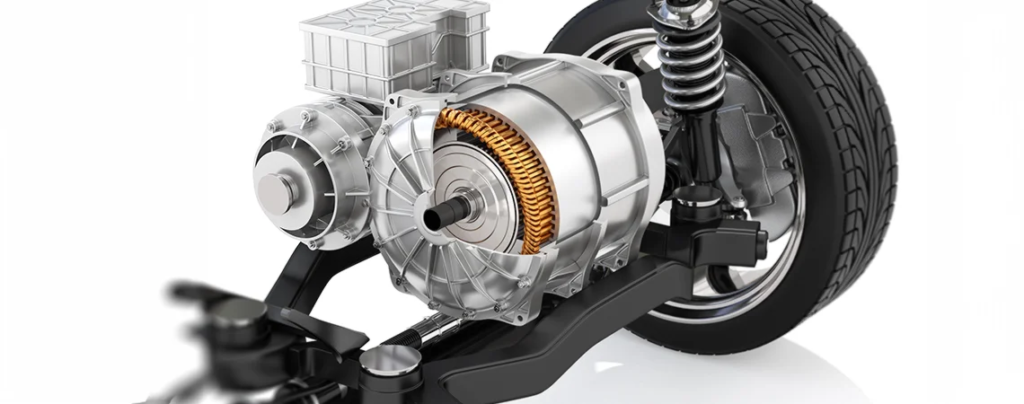
Electric vehicles offer strong advantages, but they still face several engineering and infrastructure challenges that affect large-scale adoption.
Charging Infrastructure Limitations
Many regions still lack sufficient fast charging networks. For commercial fleets, this creates operational delays and planning constraints.
Battery Cost and Lifespan
Battery packs remain one of the most expensive components in an EV. Replacement costs and degradation over time impact total ownership economics.
Range Limitations
Although improving, range anxiety remains a concern for long-distance transport and logistics operations where downtime must be minimised.
Thermal Management Challenges
Both batteries and motors require advanced cooling systems to maintain stable performance under load, especially in extreme climates.
Supply Chain Dependence
Materials like lithium and rare earth elements create supply constraints that can affect production scalability.
Are Electric Cars Safe for Pacemakers?
Electric vehicles generate electromagnetic fields during operation, which raises concerns for individuals with implanted medical devices such as pacemakers. However, modern EVs are designed with shielding and regulatory safety standards that significantly reduce electromagnetic interference.
Most clinical studies and safety guidelines indicate that normal exposure inside an electric vehicle does not pose a significant risk to pacemaker function. The strongest fields are typically localised near power electronics and are well within regulated safety limits.
Even so, individuals with medical implants are generally advised to consult their healthcare provider for personalised guidance, especially when using modified or high-performance EV systems. For industrial EV applications, manufacturers prioritise electromagnetic compatibility standards to ensure safe operation across all user groups.
How Electric Vehicle Motors Improve Industrial Efficiency
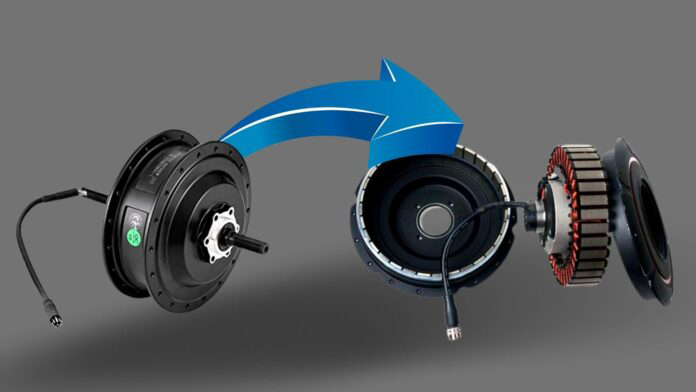
Electric vehicle motors are not only transforming passenger transport but also reshaping industrial mobility and commercial fleet operations. Their design focuses on high-efficiency energy conversion, reduced mechanical losses, and consistent torque delivery across a wide operating range. This makes them highly suitable for applications where reliability and cost control are critical.
One of the most important advantages is instant torque delivery, which allows EVs to perform smoothly under load without the lag associated with combustion engines. This is particularly useful in logistics vehicles, material handling systems, and automated industrial transport, where consistent acceleration improves operational flow.
Another key benefit is reduced maintenance requirements. Since most modern EV motors use brushless or induction-based designs, there are fewer mechanical wear components. This reduces downtime and lowers lifecycle maintenance costs, which is a major factor for fleet operators and industrial buyers.
Energy efficiency is another major driver. Electric motors convert a higher percentage of electrical energy into motion compared to traditional systems, helping industries reduce overall energy consumption. This directly improves operational sustainability and long-term cost savings.
In practical applications, EV motors are increasingly used in:
- Commercial delivery fleets
- Warehouse automation vehicles
- Electric buses and transport systems
- Light industrial mobility equipment
For buyers, the key decision factor is not only motor performance but also how well it integrates into operational requirements such as load capacity, duty cycle, and thermal stability.
Key Factors Buyers Should Consider When Selecting an Electric Vehicle Motor
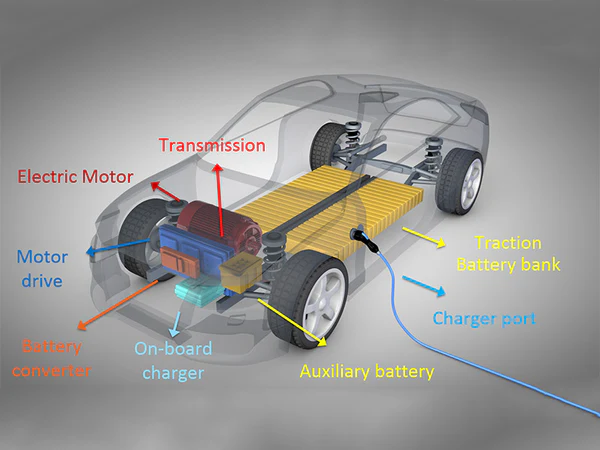
Choosing the right electric vehicle motor is not only a technical decision but also a long-term investment that directly affects performance, efficiency, and operational cost. Industrial buyers and manufacturers must carefully evaluate how the motor behaves under real-world conditions rather than relying only on theoretical specifications. A well-matched motor improves system reliability, reduces downtime, and ensures consistent output across different driving or load conditions.
Torque and Load Requirements
Every application has different torque demands depending on vehicle weight, duty cycle, and operating environment. Heavy-duty electric vehicles such as buses or delivery trucks require high starting torque to handle frequent stops and loaded conditions, while passenger EVs prioritise smoother acceleration and balanced performance. Selecting a motor without matching torque requirements can lead to poor efficiency and reduced system lifespan.
Efficiency and Energy Consumption
Motor efficiency plays a critical role in determining how far or how long an electric vehicle can operate on a single charge. Higher efficiency motors reduce energy losses during conversion, which directly improves driving range and lowers overall energy costs. For industrial fleets, even small efficiency improvements can result in significant long-term savings.
Thermal Performance and Heat Management
Electric vehicle motors operate under continuous electrical and mechanical stress, which generates heat. Effective thermal management ensures that performance remains stable even under heavy load or high ambient temperatures. Motors with poor heat dissipation can experience performance drop, insulation damage, or early failure, making thermal stability a key selection factor for industrial use.
Operating Environment and Durability
Industrial EV applications often involve harsh operating conditions such as dust, vibration, humidity, and temperature fluctuations. The motor must be designed to withstand these environments without compromising performance. Proper sealing, material quality, and structural design directly impact long-term durability and maintenance requirements.
Maintenance Requirements and Lifecycle Cost
One of the main advantages of modern EV motors is reduced maintenance compared to traditional systems. However, different motor types still vary in servicing needs. Brushless and induction motors generally require less maintenance due to fewer wear components, which helps reduce downtime and total ownership cost over the vehicle lifecycle.
Control Systems and Customisation Flexibility
Advanced motor control systems allow better optimisation of speed, torque, and energy consumption. Buyers should consider whether the motor supports integration with modern controllers, automation systems, and application-specific tuning. Customisation capability is especially important for industrial applications where standard configurations may not deliver optimal performance.
Long Term Reliability and Supplier Support
Beyond technical specifications, supplier reliability and engineering support play an important role in decision-making. A motor system backed by strong testing standards, quality assurance, and after-sales support ensures stable long-term performance and reduces operational risk for industrial buyers.
Future Trends in Electric Vehicle Motor Technology
Electric vehicle motor development is moving rapidly toward higher efficiency, lighter designs, and better integration with digital control systems. As the EV market expands into industrial transport and heavy mobility applications, manufacturers are focusing on improving performance while reducing dependency on rare earth materials.
One major trend is the development of rare-earth-free motors. These designs aim to reduce reliance on limited global resources while maintaining strong torque performance and efficiency. This shift is especially important for large-scale manufacturing and long-term supply stability.
Another key direction is advanced thermal management systems. New motor designs are being optimised to handle higher power densities without overheating, which directly improves durability and continuous operation capability in industrial environments.
Lightweight motor construction is also gaining attention. By reducing motor weight, manufacturers can improve vehicle range and energy efficiency, which is critical for both passenger EVs and commercial fleets.
Integration is another major innovation area. Modern systems are combining motor, inverter, and control electronics into a single compact unit. This improves efficiency, reduces wiring complexity, and enhances overall system reliability.
Digital technologies such as AI-based motor control are also emerging. These systems adjust performance in real time based on load conditions, driving patterns, and thermal feedback, resulting in optimised energy usage.
Choose the Right Motion Solution With Expert Engineering Support With DMKE
Electric vehicle motors have become the core technology driving the global shift toward cleaner and more efficient transportation systems. From permanent magnet synchronous motors to AC induction and brushless designs, each technology offers unique advantages depending on performance needs and application requirements.
Understanding these differences is essential for manufacturers and industrial buyers who need to balance efficiency, cost, and long-term reliability. As EV adoption grows, challenges such as charging infrastructure, battery cost, and thermal management will continue to shape design priorities across the industry.
For companies looking to implement reliable motor solutions, engineering expertise and application-specific customisation play a critical role in achieving optimal results. This is where industrial manufacturers like DMKE provide value through tested motor systems, technical support, and tailored solutions for demanding environments.
For expert consultation and custom motor solutions backed by testing, visit our website or contact us today for guidance on selecting the right electric vehicle motor for your application.

 English
  English (Australia)
  English (Canada)
  Deutsch
  English (UK)
  Français