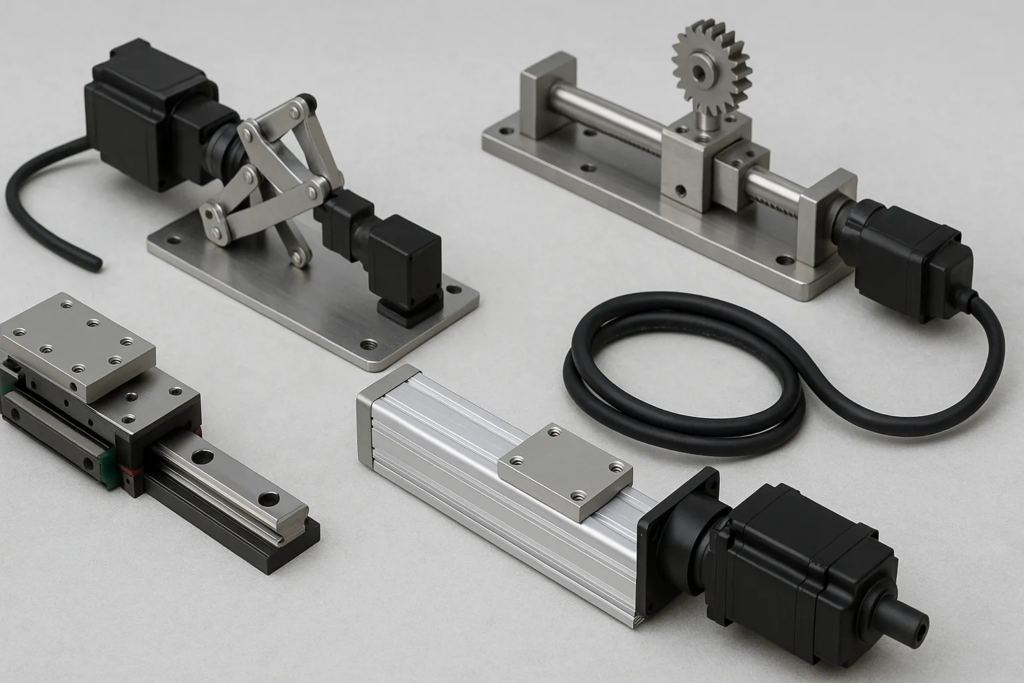
Die moderne Industrieautomation entwickelt sich rasch in Richtung höherer Präzision, schnellerer Zykluszeiten und effizienterer Bewegungssysteme. Herkömmliche Aktuatoren, die auf mechanische Übertragungskomponenten angewiesen sind, haben oft Schwierigkeiten, diese steigenden Leistungsanforderungen in Anwendungen wie CNC-Bearbeitung, Robotik, Verpackung und Halbleiterfertigung zu erfüllen. Da die Produktionsanforderungen immer höher werden, stellen Einschränkungen wie mechanisches Spiel, Verschleiß und geringere Positioniergenauigkeit die Ingenieure vor große Herausforderungen. hochpräzise Bewegungssteuerung.
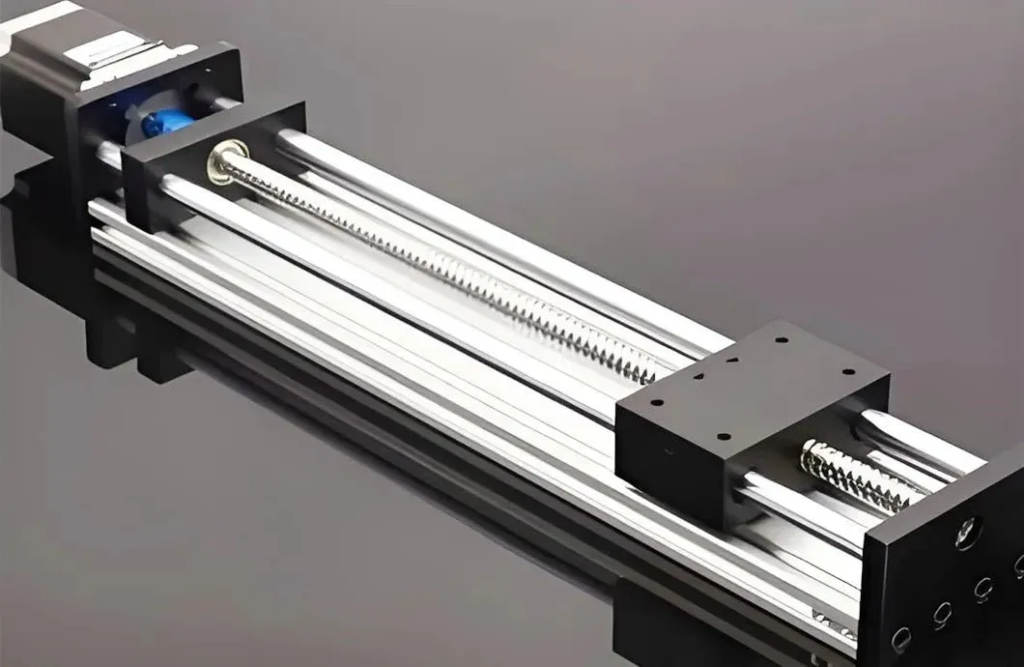
In herkömmlichen Systemen werden Drehmotoren in der Regel mit Riemen, Schrauben oder Getrieben in eine lineare Bewegung umgewandelt. Dieser Ansatz ist zwar seit Jahrzehnten weit verbreitet, führt aber zu Reibungsverlusten, mechanischen Verzögerungen und Wartungsanforderungen, die die langfristige Effizienz verringern können. Diese Einschränkungen erschweren die Erzielung einer konstanten Leistung in industriellen Umgebungen mit hohen Geschwindigkeiten oder hohen Zyklen, wo stabile lineare Genauigkeit ist entscheidend.
Die lineare Servomotortechnologie bietet einen grundlegend anderen Ansatz, indem sie eine direkte lineare Bewegung ohne zwischengeschaltete mechanische Umwandlungssysteme erzeugt. Diese direkte Antriebsarchitektur verbessert die Reaktionsfähigkeit, reduziert die mechanische Komplexität und erhöht die Positioniergenauigkeit bei anspruchsvollen Anwendungen. Für moderne Industrien, die sich auf Automatisierungseffizienz und kompaktes Systemdesign konzentrieren, fortschrittliche Lösungen für lineare Bewegungen werden immer wichtiger.
Dieser Artikel befasst sich ausführlich mit der Technologie der linearen Servomotoren und zeigt auf 10 wichtige Vorteile gegenüber herkömmlichen Aktuatoren. Der Schwerpunkt liegt auf den realen Vorteilen für die Industrie, damit Einkäufer und Ingenieure verstehen, wie diese Technologie die Leistung, Zuverlässigkeit und Gesamteffizienz von Systemen in modernen Automatisierungsumgebungen verbessert. Also, lesen Sie weiter:
Linear-Servomotor-Technologie erklärt
Die lineare Servomotortechnologie basiert auf dem Konzept des direkten elektromagnetischen Antriebs, bei dem die Bewegung ohne mechanische Übertragungsverluste erzeugt wird. Dadurch entfallen Komponenten wie Gewindespindeln, Riemen und Zahnräder, die in herkömmlichen Antriebssystemen üblich sind. Das Ergebnis ist ein effizienteres und reaktionsschnelleres System, das folgende Leistungen erbringen kann hochpräzise lineare Steuerung.
Direkt angetriebenes Linearantriebssystem
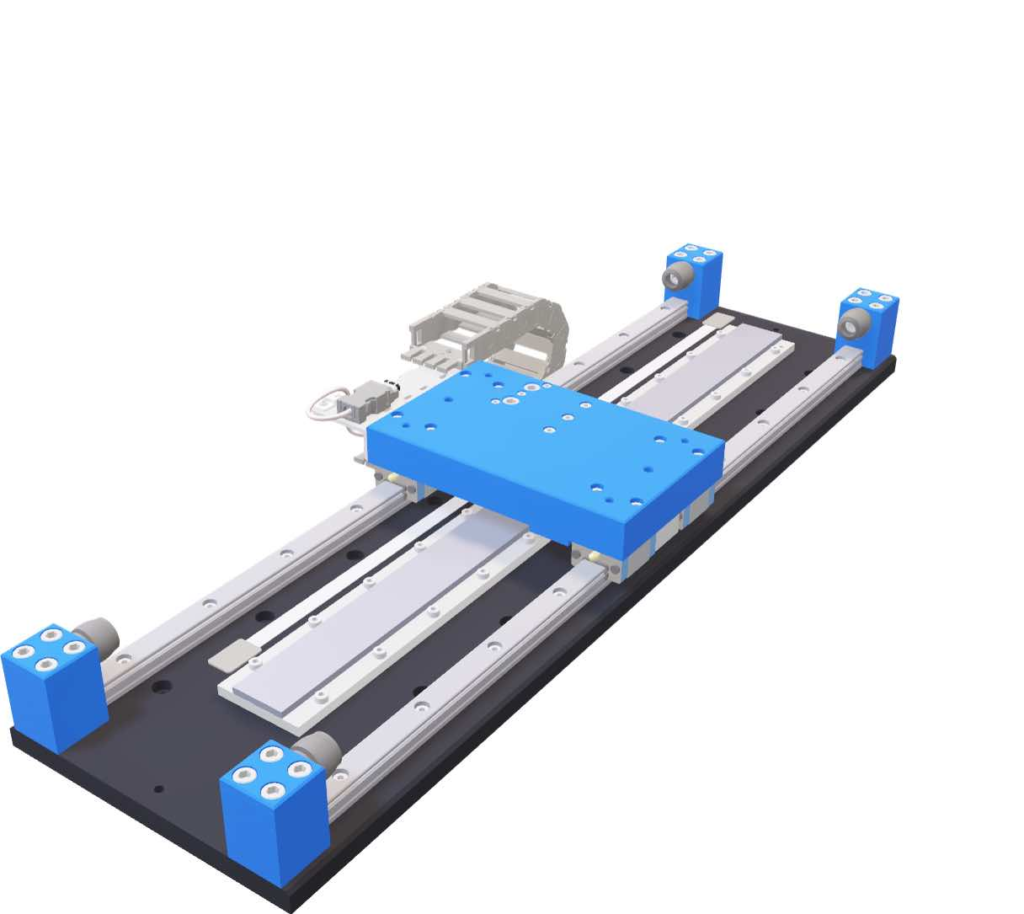
In einer Direktantriebskonfiguration erzeugt der Motor die Bewegung direkt entlang eines linearen Pfades, ohne eine zwischengeschaltete mechanische Umwandlung. Dadurch werden Reibungspunkte und mechanisches Spiel beseitigt, so dass das System sofort auf Steuereingaben reagieren kann. Das Fehlen von Übertragungskomponenten verbessert die Genauigkeit und gewährleistet konsistente Positionierungsleistung auch im Hochgeschwindigkeitsbetrieb.
Magnetfeldgestützter Antrieb
Linear-Servomotoren arbeiten durch elektromagnetische Wechselwirkung zwischen einem stationären Magnetfeld und einer beweglichen Spulenanordnung. Wenn elektrischer Strom angelegt wird, wird eine kontrollierte Magnetkraft erzeugt, die eine gleichmäßige und kontinuierliche lineare Bewegung bewirkt. Dieser Mechanismus ermöglicht eine hocheffiziente Energieübertragung und unterstützt stabile Krafterzeugung über die gesamte Hublänge.
Feedback und Präzisionskontrollsysteme
Moderne Linearservosysteme enthalten hochauflösende Rückmeldegeräte wie lineare Encoder zur Überwachung der Position in Echtzeit. Dadurch kann das Steuersystem sofortige Korrekturen vornehmen und eine präzise Bewegungssteuerung auch unter wechselnden Lastbedingungen gewährleisten. Die Integration der Rückführungstechnologie erhöht die Wiederholbarkeit und ermöglicht Ultrapräzise Bewegungsgenauigkeit in anspruchsvollen industriellen Umgebungen.
Vergleich zwischen Linear-Servomotor und herkömmlicher Aktuatorarchitektur
| Funktion | Traditionelles Stellgliedsystem | Linear-Servomotor-System |
| Prinzip der Bewegung | Drehmotor, der mit Hilfe von Schrauben, Riemen oder Getrieben in eine lineare Bewegung umgewandelt wird | Direkte elektromagnetische Linearbewegung ohne mechanische Umwandlung |
| Positionierungsgenauigkeit | Begrenzt durch Umkehrspiel und mechanische Toleranz | Sehr hoch mit direkter Rückkopplungskontrolle und ohne mechanisches Spiel |
| Backlash | In den meisten mechanischen Übertragungssystemen vorhanden | Spielfrei durch Direktantriebsarchitektur |
| Reaktionsgeschwindigkeit | Langsamer aufgrund von mechanischer Trägheit und Übertragungsverzögerung | Sehr schnelle Reaktion mit direkter Bewegungserzeugung |
| Anforderung an die Wartung | Höher durch Verschleiß von Schrauben, Riemen und Zahnrädern | Geringer durch minimale mechanische Kontaktkomponenten |
| Energieeffizienz | Reduziert durch Reibung und mechanische Verluste | Höher aufgrund der direkten Energieumwandlung in Bewegung |
| Mechanische Abnutzung | Erheblich im Laufe der Zeit aufgrund der kontaktbasierten Komponenten | Minimal durch berührungslosen elektromagnetischen Betrieb |
| Systemgröße | Größer durch zusätzliche mechanische Baugruppen | Kompakt durch integrierte lineare Bewegungsausführung |
| Geschwindigkeitskontrolle | Weniger präzise unter wechselnden Lastbedingungen | Hochpräzise mit Feedback-Korrektur in Echtzeit |
| Lebenszyklus-Leistung | Verschlechtert sich im Laufe der Zeit durch mechanische Abnutzung | Stabile Langzeitleistung mit geringerem Abbau |
10 Vorteile von Linear-Servomotoren gegenüber herkömmlichen Aktuatoren
Linear Servomotor Technologie bietet erhebliche Leistungsverbesserungen im Vergleich zu herkömmlichen Antriebssystemen. Diese Vorteile sind nicht nur theoretischer Natur, sondern wirken sich direkt auf die industrielle Produktivität, Präzision und langfristige Zuverlässigkeit der Maschinen aus. Das Verständnis der einzelnen Vorteile hilft Käufern bei der Bewertung tatsächlicher Wert der Systemleistung anstatt sich auf grundlegende Spezifikationen zu verlassen.
1. Höhere Positionierungsgenauigkeit
Lineare Servomotoren ermöglichen eine äußerst präzise Positionierung, da sie mit einer direkten elektromagnetischen Bewegung ohne mechanische Übertragungsfehler arbeiten. Herkömmliche Aktuatoren leiden oft unter Spiel und mechanischem Spiel, was die Genauigkeit mit der Zeit verringert. Mit Linearsystemen bleibt die Bewegungssteuerung konsistent und gewährleistet hochpräzise Positionierung in kritischen Anwendungen wie CNC-Bearbeitung und Halbleiterausrüstung.
Dieses Genauigkeitsniveau wird durch Echtzeit-Rückmeldesysteme erreicht, die die Position kontinuierlich anpassen, so dass die Maschinen auch bei Lastschwankungen enge Toleranzen einhalten können. Für industrielle Anwender bedeutet dies eine verbesserte Produktqualität und geringere Fehlerquoten während der Produktionszyklen.
2. Schnellere Beschleunigung und Reaktion
Da lineare Servomotoren ohne mechanische Zwischenglieder auskommen, reagieren sie fast sofort auf Steuersignale. Herkömmliche Aktuatorsysteme benötigen Zeit, um die Trägheit von Zahnrädern, Riemen oder Schrauben, was die Reaktionszeit verlangsamt. Lineare Systeme bieten schnelle dynamische Reaktion, Dadurch sind sie ideal für die Hochgeschwindigkeitsautomatisierung.
Diese schnelle Beschleunigung verbessert die Produktionszykluszeiten und erhöht den Durchsatz bei Anwendungen wie Pick-and-Place-Systemen und Verpackungslinien. Die Fähigkeit, sofortige Bewegungsänderungen zu erreichen, erhöht die Gesamteffizienz der Maschine.
3. Null mechanisches Spiel
Mechanisches Spiel ist ein häufiges Problem bei schrauben- und getriebebasierten Antriebssystemen, bei denen geringe Abstände zwischen den Komponenten zu Positionierungsfehlern führen. Linear-Servomotoren beseitigen dieses Problem vollständig, da keine mechanischen Übertragungsteile beteiligt sind. Dies gewährleistet spielfreie Bewegungssteuerung, Dadurch werden Wiederholbarkeit und Genauigkeit verbessert.
In Branchen, in denen enge Toleranzen erforderlich sind, wie z. B. in der Elektronikfertigung, verbessert dieser Vorteil die Produktkonsistenz erheblich und verringert den durch Positionierungsfehler verursachten Ausschuss.
4. Geringere Wartungsanforderungen
Herkömmliche Aktuatoren müssen regelmäßig gewartet werden, da die mechanischen Komponenten wie Lager, Schrauben und Riemen verschleißen. Linear Servomotoren reduzieren diese Abhängigkeit, indem sie die meisten beweglichen mechanischen Teile entfernen. Dies führt zu geringere Wartungslast und weniger Systemausfälle.
Im Laufe der Zeit verbessert dies die Betriebszeit und reduziert die Wartungskosten, was Linearsysteme für kontinuierliche Produktionsumgebungen, in denen sich Ausfallzeiten direkt auf die Rentabilität auswirken, äußerst attraktiv macht.
5. Höhere Energie-Effizienz
Lineare Servomotoren setzen Energie direkter in Bewegung um, ohne Verluste durch Reibung oder mechanische Umwandlung. Bei herkömmlichen Systemen geht Energie über mehrere mechanische Schnittstellen verloren, was die Gesamteffizienz verringert. Lineare Systeme bieten optimierte Energieumwandlung, Verbesserung der operativen Leistung.
Diese Effizienz ist besonders wichtig bei Anwendungen mit hoher Taktzahl, bei denen sich die Energieeinsparungen über lange Produktionszeiträume akkumulieren und die Gesamtbetriebskosten senken.
6. Höhere Präzision der Drehzahlregelung
Lineare Servosysteme bieten eine hochpräzise Geschwindigkeitsregelung durch fortschrittliche Rückkopplungsmechanismen. Im Gegensatz zu herkömmlichen Aktuatoren, bei denen es aufgrund des mechanischen Widerstands zu Geschwindigkeitsschwankungen kommen kann, behalten Linearsysteme ein konsistentes Bewegungsprofil bei. Dies gewährleistet stabile Drehzahlregelung unter verschiedenen Lastbedingungen.
Eine präzise Geschwindigkeitsregelung verbessert die Synchronisation in mehrachsigen Systemen und verbessert die gesamte Maschinenkoordination in automatisierten Produktionslinien.
7. Verbesserte Lebensdauer und Langlebigkeit
Da Linear-Servomotoren weniger mechanischer Verschleiß Komponenten ist ihre Lebensdauer deutlich länger als bei herkömmlichen Antriebssystemen. Verschleißbedingte Ausfälle wie Schraubenverschleiß oder Riemendehnung sind ausgeschlossen, was zu verlängerte Lebensdauer des Systems.
Diese lange Lebensdauer verringert die Austauschhäufigkeit und verbessert die Investitionsrentabilität für Anwender von Industrieanlagen, die in stark beanspruchten Umgebungen arbeiten.
8. Reduzierter mechanischer Verschleiß
Mechanische Reibung ist eine der Hauptursachen für den Verschleiß herkömmlicher Aktuatoren. Linear-Servomotoren machen kontaktbasierte Übertragungssysteme überflüssig, was den Verschleiß im Laufe der Zeit erheblich reduziert. Dies führt zu reibungsarmer Betrieb, was die langfristige Stabilität verbessert.
Der geringere Verschleiß trägt auch zu einer gleichbleibenden Leistung bei und stellt sicher, dass die Genauigkeit der Maschine auch nach langen Einsatzzyklen nicht nachlässt.
9. Kompakte Systemintegration
Linear-Servomotoren ermöglichen eine kompaktere Maschinenkonstruktion, da sie auf sperrige mechanische Komponenten wie Getriebe und Gewindetriebe verzichten. Dies führt zu flächeneffiziente Integration, was in modernen Automatisierungssystemen von großem Wert ist.
Hersteller können kleinere, flexiblere Maschinen entwerfen, ohne Kompromisse bei der Leistung eingehen zu müssen, wodurch sich diese Technologie ideal für die Robotik und für Produktionsanlagen mit hoher Dichte eignet.
10. Bessere Leistung bei High-Cycle-Anwendungen
In Anwendungen, in denen Maschinen im Dauerbetrieb mit häufigen Start-Stopp-Zyklen arbeiten, kommt es bei herkömmlichen Aktuatoren häufig zu Ermüdungserscheinungen und Leistungseinbußen. Linear-Servomotoren behalten auch bei intensiver Nutzung eine stabile Leistung und bieten hohe Zykluszuverlässigkeit.
Dadurch eignen sie sich für industrielle Umgebungen wie Verpackung, Elektronikmontage und automatisierte Prüfsysteme, bei denen gleichbleibende Wiederholungen entscheidend sind.
Industrielle Anwendungen von Linear-Servomotoren
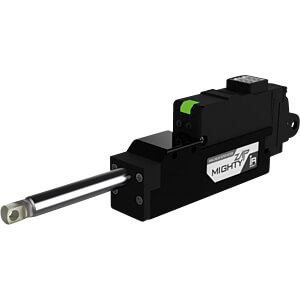
Lineare Servomotoren sind in modernen Industriesystemen weit verbreitet, wo Präzision, Geschwindigkeit und Wiederholbarkeit entscheidend sind. Im Gegensatz zu herkömmlichen Antriebssystemen, die mit Spiel und mechanischem Verschleiß zu kämpfen haben, bieten Linearservomotoren hochpräzise Bewegungssteuerung, Dadurch eignen sie sich für fortgeschrittene Automatisierungsumgebungen.
In CNC-Bearbeitungssystemen ermöglichen lineare Servomotoren äußerst präzise Schneid- und Positioniervorgänge. Der direkte Antriebsmechanismus eliminiert mechanische Übertragungsfehler, so dass die Maschinen auch bei hohen Geschwindigkeiten enge Toleranzen einhalten können. Das Ergebnis ist gleichbleibende Bearbeitungsqualität, insbesondere bei der Herstellung komplexer Teile.
Auch in der Halbleiterfertigung kommt die Linearservotechnik zum Einsatz, da eine hochpräzise Positionierung im Mikro- und Nanobereich erforderlich ist. Selbst die kleinste mechanische Abweichung kann sich auf die Ausgabequalität auswirken, so dass die spielfreie Konstruktion gewährleistet stabile Mikro-Positionierungsleistung während der gesamten Produktionszyklen.
Verpackungs- und Sortiersysteme profitieren von der hohen Geschwindigkeit und der schnellen Reaktion von linearen Servomotoren. Diese Systeme erfordern eine kontinuierliche Start-Stopp-Bewegung mit genauer Positionierung, die durch die Direktantriebstechnologie erreicht wird. Dies verbessert den Durchsatz und gewährleistet effizienter Ablauf der Produktionslinie im Massenbetrieb.
In der Robotik und bei Pick-and-Place-Systemen sorgen lineare Servomotoren für sanfte und kontrollierte Bewegungen bei der Handhabung empfindlicher Komponenten. Das Fehlen mechanischer Vibrationen erhöht die Stabilität, so dass Roboter sich wiederholende Aufgaben mit hoher Wiederholgenauigkeit ausführen können und zuverlässige Bewegungspräzision.
In der medizinischen Automatisierungstechnik werden lineare Servomotoren auch in Diagnose-, Dosier- und Laborsystemen eingesetzt, bei denen es auf kompakte Bauweise und Genauigkeit ankommt. Aufgrund ihres geringen Wartungsaufwands und sauberen Betriebs eignen sie sich für sensible Umgebungen, die Folgendes erfordern stabile und kontrollierte Bewegungssysteme.
Wie Sie das richtige Linearmotorsystem auswählen
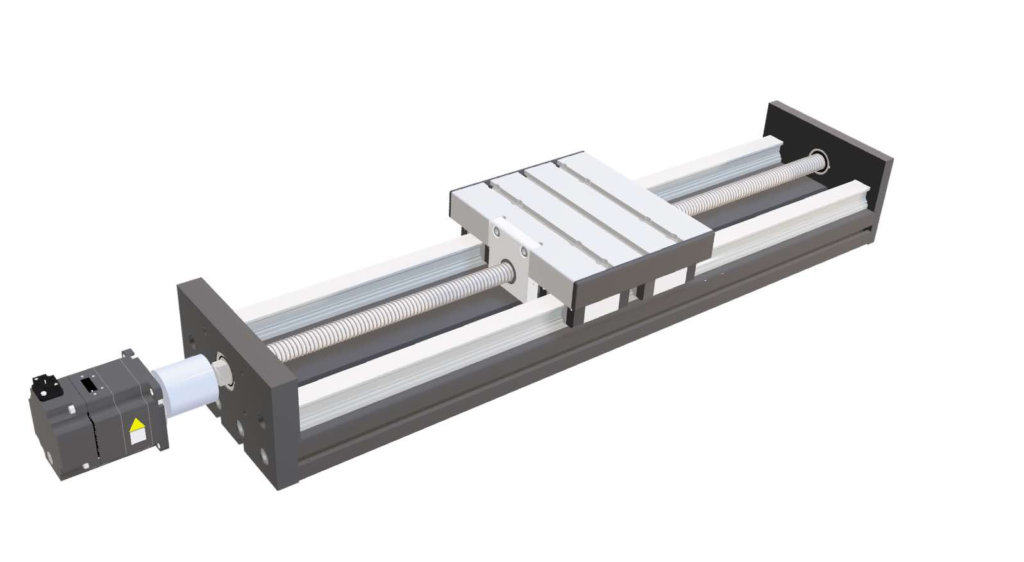
Auswahl der richtigen Linie Servomotor System erfordert eine strukturierte technische Bewertung, die über die grundlegenden Katalogspezifikationen hinausgeht. Die Käufer müssen die Anforderungen der Anwendung, die Bewegungsprofile und die Anforderungen an die Systemintegration bewerten, um sicherzustellen optimierte Leistungsauswahl für den langfristigen industriellen Einsatz. Ein gut gewähltes System verbessert nicht nur die Genauigkeit, sondern auch die Gesamteffizienz der Maschine und die Betriebsstabilität.
Die Anforderungen an Last und Kraft sind die Grundlage für die richtige Auswahl. Der Motor muss sowohl Spitzen- als auch Dauerkräfte ohne Leistungsverlust unter realen Betriebsbedingungen bewältigen. Anwendungen mit häufiger Beschleunigung oder schweren Nutzlasten erfordern eine sorgfältige Kraftprofilierung, um eine Überlastung des Systems zu vermeiden. Unterdimensionierte Systeme können zu Überhitzung, Instabilität oder verminderter Genauigkeit führen, während überdimensionierte Systeme die Kosten und den Energieverbrauch erhöhen. Richtige Lastanpassung gewährleistet ausgewogene Bewegungsleistung und zuverlässigen Langzeitbetrieb.
Hublänge und Verfahrgeschwindigkeit müssen entsprechend den tatsächlichen Maschinenanforderungen festgelegt werden. Jede Anwendung hat spezifische Anforderungen an den Bewegungsbereich, und die Wahl eines falschen Hubs kann die Effizienz der Maschine einschränken oder unnötige mechanische Einschränkungen verursachen. Hochgeschwindigkeitsanwendungen erfordern Motoren mit hoher Dynamik, um eine gleichmäßige Bewegung über den gesamten Verfahrweg zu gewährleisten. Die richtige Dimensionierung gewährleistet effiziente Fahrsteuerung ohne Energieverschwendung oder mechanische Belastung.
Präzisions- und Auflösungsanforderungen sind vor allem in Hochpräzisionsbranchen wie der Halbleiterfertigung, der CNC-Bearbeitung und der Elektronikmontage entscheidend. Rückmeldesysteme mit höherer Auflösung ermöglichen eine feinere Steuerung der Positionierung und eine bessere Wiederholbarkeit über Produktionszyklen hinweg. Selbst kleine Verbesserungen in der Auflösung können die Produktqualität erheblich beeinflussen und die Ausschussrate reduzieren. hochpräzise Bewegungsgenauigkeit in anspruchsvollen Umgebungen.
Schließlich muss die Systemkompatibilität vor der Installation sorgfältig geprüft werden. Kommunikationsprotokolle, Encoder-Feedback-Typen und die Integration von Steuerungen müssen mit dem breiteren Automatisierungssystem übereinstimmen, um Verzögerungen oder Konfigurationsprobleme zu vermeiden. Eine ordnungsgemäße Integration gewährleistet eine reibungslose Koordination zwischen den Komponenten und verhindert Leistungsengpässe. Dieser Schritt garantiert nahtlose Systemintegration und langfristig stabile Funktionalität über die gesamte Maschinenarchitektur hinweg.
Häufige Fehler beim Ersetzen herkömmlicher Stellantriebe
Ersetzen traditioneller Antriebssysteme durch lineare Servomotorentechnik kann die Leistung erheblich verbessern, aber nur, wenn der Übergang richtig gestaltet wird. Viele Ausfälle in der Industrie sind nicht auf die Technologie selbst zurückzuführen, sondern auf eine falsche Auswahl, eine falsche Dimensionierung oder ein mangelndes Systemverständnis. Die Vermeidung dieser Fehler ist entscheidend für das Erreichen zuverlässige Bewegungsleistung und langfristige Systemstabilität.
Einer der häufigsten Fehler ist eine falsche Lastberechnung. Käufer unterschätzen oft den Spitzenkraftbedarf oder ignorieren dynamische Lastschwankungen während der Beschleunigung und Abbremsung. Dies führt zu unterdimensionierten Systemen, die unter realen Betriebsbedingungen Schwierigkeiten haben, was zu Überhitzung, Instabilität oder verkürzter Lebensdauer führt. Eine korrekte Lastanalyse gewährleistet stabile Betriebsleistung über alle Bewegungszyklen hinweg.
Ein weiteres häufiges Problem ist die Missachtung des thermischen Verhaltens. Lineare Servomotoren erzeugen während des Dauerbetriebs Wärme, insbesondere in Umgebungen mit hohen Arbeitszyklen. Wenn die Wärmeableitung nicht angemessen berücksichtigt wird, kann es mit der Zeit zu Leistungseinbußen kommen. Ingenieure müssen die Kühlungsbedingungen sorgfältig bewerten, um die konstante Systemzuverlässigkeit bei anhaltender Arbeitsbelastung.
Viele Benutzer übersehen auch die Kompatibilität des Rückmeldesystems. Linear Servosysteme hängen in hohem Maße von der Genauigkeit von Encodern oder Positionssensoren ab. Wenn die Auflösung der Rückmeldung oder das Kommunikationsprotokoll nicht mit der Steuerung übereinstimmen, können Positionierungsfehler und Synchronisationsprobleme auftreten. Die Sicherstellung der richtigen Integration unterstützt präzise Bewegungssteuerung in anspruchsvollen Anwendungen.
Ein weiterer kritischer Fehler ist die unsachgemäße Ausrichtung und Installation. Im Gegensatz zu herkömmlichen Aktuatoren erfordern Linearsysteme eine präzise mechanische Ausrichtung, um eine reibungslose Bewegung zu gewährleisten. Selbst kleine Ausrichtungsfehler können zu Vibrationen, Verschleiß oder verminderter Genauigkeit führen. Korrekte Installationspraktiken gewährleisten reibungsloser linearer Betrieb und verhindern vorzeitigen Verschleiß.
Kostenorientierte Entscheidungen sind ebenfalls ein häufiges Problem. Manche Käufer entscheiden sich für Systeme nur aufgrund des Anschaffungspreises und nicht aufgrund der langfristigen Leistungsvorteile. Herkömmliche Aktuatoren mögen zwar im ersten Moment billiger erscheinen, erfordern aber oft einen höheren Wartungsaufwand und bieten eine geringere Effizienz. Die Bewertung des gesamten Lebenszykluswerts gewährleistet bessere Investitionsentscheidungen für industrielle Anwendungen.
Warum ersetzen Linearservomotoren die herkömmlichen Motoren?
In der Industrieautomation geht der Trend zu höherer Präzision und genauerer Bewegungssteuerung, so dass herkömmliche Antriebssysteme die modernen Leistungserwartungen nur schwer erfüllen können. Die Hersteller entscheiden sich zunehmend für die lineare Servomotortechnologie, weil sie Folgendes bietet höhere Positionierungsgenauigkeit und sanftere Bewegung ohne mechanische Einschränkungen.
Die Nachfrage nach wartungsfreien Systemen treibt diesen Wandel ebenfalls voran. Linear-Servomotoren machen viele Verschleißteile überflüssig, die in konventionellen Aktuatoren zu finden sind, was die Ausfallzeiten reduziert und die langfristige Zuverlässigkeit mit geringerer Wartungsaufwand.
Gleichzeitig verlangt die Industrie nach schnelleren Produktionszyklen, um die Effizienz der Produktion zu steigern. Linearsysteme bieten schnelle Reaktion und Hochgeschwindigkeits-Bewegungssteuerung und unterstützen Hochdurchsatz-Automatisierung in modernen Fabriken.
Intelligente Fabrikintegrationstrends beschleunigen die Akzeptanz weiter, da sich lineare Servomotoren mit vernetzte Automatisierungssysteme und Industrie 4.0-Anforderungen.
Wählen Sie die richtige Linearservolösung mit kompetenter technischer Unterstützung - sprechen Sie mit DMKE
Die Auswahl der richtigen Servolösung erfordert ein klares Verständnis der Lastanforderungen, der Bewegungsgenauigkeit und der Betriebsumgebung. Käufer sollten immer zuerst die Leistungsanforderungen bewerten, um sicherzustellen korrekte Systemanpassung und vermeiden Sie unzureichend funktionierende Anlagen.
Die technische Dimensionierung ist in diesem Prozess von entscheidender Bedeutung, da eine falsche Auswahl zu Überhitzung, Instabilität oder verkürzter Lebensdauer führen kann. Ein richtig dimensioniertes System gewährleistet zuverlässiger Langzeitbetrieb und gleichmäßige Bewegungsleistung bei anspruchsvollen Anwendungen.
Bei DMKE, unterstützen wir industrielle Käufer mit anwendungsbezogener technischer Beratung, Testen, und Anpassungsmöglichkeiten. Jede Lösung wird entwickelt, um sicherzustellen hohe Leistungszuverlässigkeit, Präzisionssteuerung und Haltbarkeit unter realen Betriebsbedingungen.
Bei Projekten, die fortschrittliche Steuerungslösungen erfordern, berät unser Team Sie bei der Auswahl der am besten geeigneten Systeme. Besuchen Sie unsere Website oder Kontaktieren Sie uns noch heute zu erhalten kompetente technische Unterstützung zugeschnitten auf Ihre Automatisierungsbedürfnisse.

 English
  English (Australia)
  English (Canada)
  Deutsch
  English (UK)
  Français