
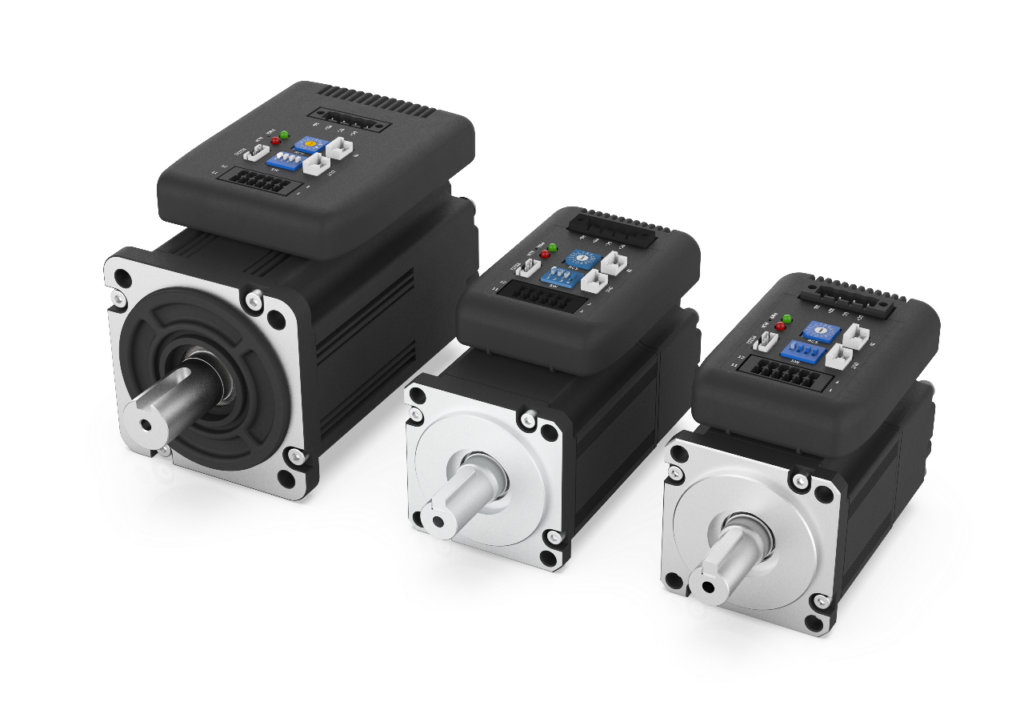
Da Automatisierungssysteme immer kompakter und leistungsfähiger werden, stehen Maschinenbauer zunehmend unter dem Druck, die Größe ihrer Anlagen zu reduzieren, ohne dabei Abstriche bei der Leistung oder Präzision zu machen. Branchen wie die Robotik, die Verpackungsindustrie, die medizinische Automatisierung und die Halbleiterfertigung verlangen jetzt engere Layouts, sauberere mechanische Konstruktionen und eine effizientere Nutzung des Bauraums. Herkömmliche Servosysteme schränken das Design oft ein, da mehrere externe Komponenten wertvollen Platz verbrauchen und die Verdrahtung komplexer wird. kompakte Systemintegration für Ingenieure schwieriger.
Herkömmliche Servoarchitekturen erfordern in der Regel separate Motoren, Antriebe, Steuerungen und externe Verkabelung, was zu einer Überfüllung der Schaltschränke führen und das Maschinenlayout verkomplizieren kann. Diese Mehrkomponenten-Konfigurationen erhöhen die Installationszeit, verringern die Designflexibilität und erschweren die Wartung in Umgebungen mit begrenztem Platzangebot. Für OEMs und Industriedesigner, Minimierung des Platzbedarfs ist zu einem entscheidenden Ziel in der modernen Geräteentwicklung geworden.
Ein integrierter Servomotor löst diese Herausforderungen, indem er mehrere Komponenten zur Bewegungssteuerung in einer einzigen kompakten Einheit vereint. Diese Architektur vereinfacht die Installation, verringert den Platzbedarf im Schaltschrank und ermöglicht ein effizienteres mechanisches Layout, ohne die Steuerungsgenauigkeit oder Leistung zu beeinträchtigen. Die Hersteller werden auch im Jahr 2026 der Miniaturisierung und dem modularen Maschinendesign Priorität einräumen, integrierte Bewegungslösungen werden in fortschrittlichen Automatisierungssystemen immer mehr zur bevorzugten Wahl.
Dieser Leitfaden zeigt auf, wie ein integrierter Servomotor eine platzsparende Maschinenkonstruktion unterstützt, wo diese Systeme den größten Nutzen bringen und wie Käufer die richtige Konfiguration für ihre Anwendungsanforderungen ermitteln können.
Was ist ein integrierter Servomotor?
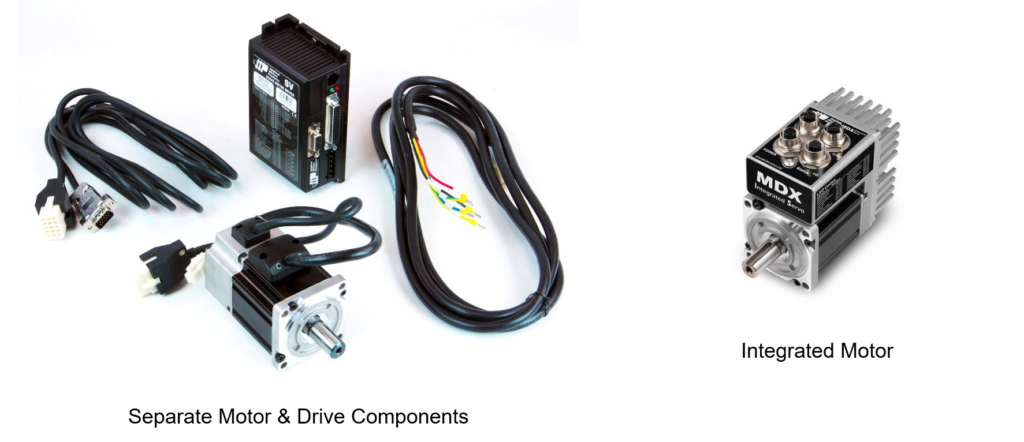
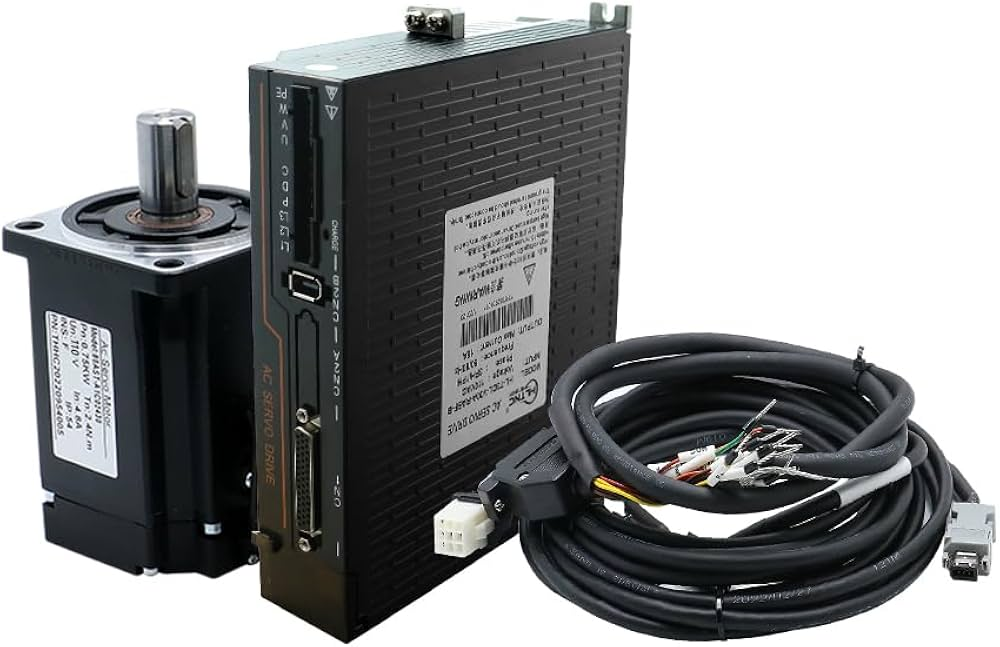
Eine integrierte Servomotor ist eine Bewegungssteuerungslösung, die mehrere Servosystemkomponenten in einer kompakten Einheit vereint. Anstelle eines eigenständigen Motors, der mit einem separaten Antrieb, Encoder und Controller verbunden ist, beherbergt ein integrierter Servomotor diese Elemente in einer einheitlichen Baugruppe. Diese Konstruktion schafft eine autonomes Bewegungssystem die sowohl die mechanische als auch die elektrische Integration vereinfacht.
Bei herkömmlichen Servoarchitekturen sind die Komponenten der Bewegungssteuerung auf verschiedene Stellen innerhalb einer Maschine verteilt. Der Motor wird am Ort der Bewegung montiert, während die Antriebs- und Steuerelektronik in der Regel in externen Schaltschränken oder Schalttafeln untergebracht ist. Obwohl dieser Aufbau seit Jahren weit verbreitet ist, verbraucht er wertvollen Platz im Schaltschrank und führt zu größere Komplexität der Installation durch zusätzliche Verkabelung und Komponentenmanagement.
Durch die Konsolidierung der Servoelektronik direkt im Motorgehäuse reduzieren integrierte Designs die Anzahl der externen Geräte, die für den Aufbau eines kompletten Antriebssystems erforderlich sind. Dies ermöglicht es Ingenieuren, die Gerätearchitektur zu vereinfachen und gleichzeitig die präzise Positionierung, Geschwindigkeitsregelung und Drehmomentsteuerung beizubehalten, die man von einer servogetriebenen Automatisierung erwartet. Für Maschinenbauer, die kompakte und modulare Lösungen suchen, bedeutet dies bedeutende Designvorteile gegenüber herkömmlichen Layouts.
Ein weiterer wichtiger Vorteil ist die Skalierbarkeit. Integrierte Servomotoren unterstützen das modulare Anlagendesign, indem sie es ermöglichen, dass jede Achse als eine unabhängigere Bewegungseinheit funktioniert. Dies erleichtert OEMs, die flexible Maschinenplattformen entwickeln, die Erweiterung, das Redesign und die Neukonfiguration des Systems. Automatisierungssysteme bewegen sich immer mehr in Richtung dezentraler Steuerungsstrategien, integrierte Servotechnik gewinnt im modernen Maschinenbau zunehmend an Bedeutung.
Wie integrierte Servomotoren ein platzsparendes Design ermöglichen
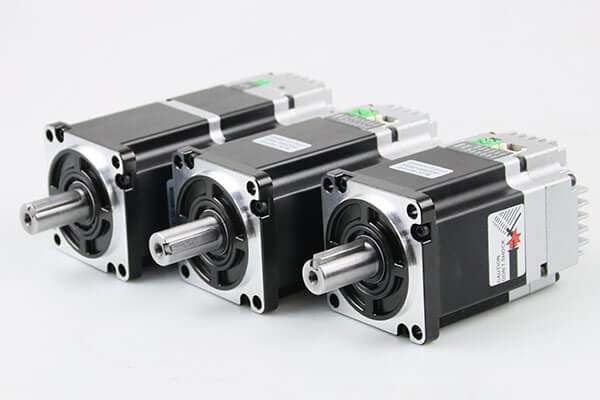
Einer der Hauptgründe, warum sich Hersteller für die integrierte Servotechnologie entscheiden, ist die Möglichkeit, den Platzbedarf von Bewegungssteuerungssystemen insgesamt zu verringern. Durch die Konsolidierung mehrerer Hardwarekomponenten in einer Baugruppe ermöglicht ein integrierter Servomotor den Ingenieuren die Entwicklung von Maschinen mit engeren Layouts, kleineren Steuergehäusen und einer effizienteren internen Architektur. Dies macht raumoptimierte Technik in kompakten Automatisierungssystemen leichter zu erreichen.
Konsolidierte Komponentenarchitektur
Herkömmliche Servosysteme erfordern eine separate Unterbringung des Servoantriebs, der Geberschnittstelle, der Steuerelektronik und der Motorbaugruppe. Jede Komponente nimmt Platz in Anspruch und erfordert eigene Überlegungen zu Montage, Kühlung und Schutz. Ein integriertes Servomotor macht einen Großteil dieser Hardware überflüssig, indem diese Funktionen direkt in die Motorstruktur eingebettet werden, wodurch die externe Hardware-Abhängigkeit im gesamten System.
Diese Konsolidierung ist besonders bei mehrachsigen Maschinen von Vorteil, bei denen jede zusätzliche Achse andernfalls separate Antriebe und erweiterte Schaltschrankkapazität erfordern würde. Mit integrierten Einheiten können Maschinenbauer die Größe des Schaltschranks erheblich reduzieren oder große Steuerschränke ganz eliminieren und so effizientere Layouts für Geräte mit zahlreichen Bewegungspunkten.
Vereinfachte Verkabelung und Installation
Die Komplexität der Verdrahtung stellt bei herkömmlichen Servosystemen oft eine große Herausforderung dar. Separate Motoren und Antriebe erfordern mehrere Strom-, Feedback-, Kommunikations- und Erdungskabel, die quer durch die Maschine verlegt werden müssen. Diese Verbindungen kosten Zeit bei der Installation, erhöhen den Arbeitsaufwand bei der Montage und erschweren die Fehlersuche während des gesamten Lebenszyklus der Anlage. Integrierte Designs lösen dieses Problem durch die Reduzierung Gesamtverdrahtungsaufwand zwischen den Komponenten.
Da weniger Kabel zu verlegen und abzuschließen sind, wird die Installation schneller und sauberer. Die Ingenieure können ein übersichtlicheres internes Layout erstellen und gleichzeitig die Gefahr von Verdrahtungsfehlern oder Signalstörungen minimieren. Eine reduzierte Verkabelung senkt auch den langfristigen Wartungsaufwand und macht vereinfachte elektrische Integration neben der Platzersparnis auch ein praktischer betrieblicher Nutzen.
Kompakter mechanischer Fußabdruck
Integrierte Servomotoren reduzieren auch den gesamten mechanischen Platzbedarf eines Antriebssystems, indem sie alle Steuerungsfunktionen in einem einzigen Gerät vereinen. Antrieb selbst. Dadurch können Maschinenbauer die Bewegungssteuerung in engeren Räumen unterbringen, in denen herkömmliche Architekturen unpraktisch sein können. Kompakte Verpackung unterstützt größere mechanische Flexibilität und hilft den Ingenieuren, den begrenzten Bauraum optimal zu nutzen.
In der Robotik, bei tragbaren Geräten und kompakten Fertigungszellen kann diese geringere Stellfläche die Ergonomie der Maschine insgesamt verbessern und gleichzeitig Platz für zusätzliche Werkzeuge, Sensoren oder Prozesskomponenten schaffen. Für OEMs, die sich auf Miniaturisierung konzentrieren, bieten integrierte Servosysteme einen praktischen Weg zu hochverdichtete Automatisierung ohne die Bewegungsleistung zu beeinträchtigen.
| Funktion | Traditionelles Servo-System | Integrierter Servomotor |
| Antrieb Standort | Separates Kabinett | Im Motor eingebaut |
| Komplexität der Verdrahtung | Hoch | Niedrig |
| Erforderlicher Platz im Schrank | Groß | Minimal |
| Installationszeit | Länger | Kürzer |
| Flexibles mechanisches Layout | Mäßig | Hoch |
Die wichtigsten Vorteile des Einsatzes integrierter Servomotoren
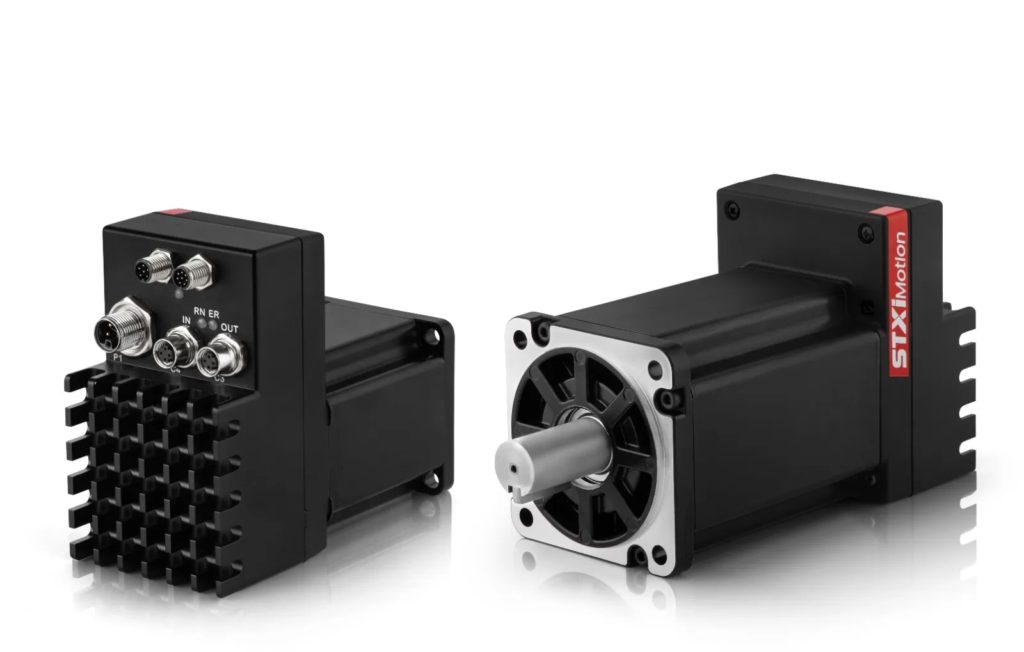
Neben der Verringerung des Platzbedarfs bietet ein integrierter Servomotor mehrere betriebliche Vorteile, die das Maschinendesign, die Installationseffizienz und die langfristige Wartungsfreundlichkeit verbessern. Für OEMs und industrielle Einkäufer gehen diese Vorteile über den Komfort hinaus und können sich direkt auf die Kosten, die Skalierbarkeit und die Systemzuverlässigkeit auswirken. Das Verständnis des allgemeinen Wertes der Integration hilft den Käufern bei der Bewertung Gesamtwirkungsgrad des Systems anstatt sich nur auf die Größe der Komponenten zu konzentrieren.
Ein großer Vorteil ist die kürzere Installationszeit. Da die Antriebs- und Steuerelektronik bereits in den Motor integriert ist, benötigen Ingenieure weniger Zeit für die Montage externer Hardware, das Verlegen von Kabeln und die Konfiguration separater Komponenten. Dies verkürzt die Montagezyklen und ermöglicht es den Herstellern, die Geräte schneller in Betrieb zu nehmen und damit kürzere Bereitstellungsfristen sowohl für Neubauten als auch für Nachrüstungen.
Integrierte Systeme senken auch die Verdrahtungs- und Arbeitskosten. Herkömmliche Servokonfigurationen erfordern oft ein umfangreiches Kabelmanagement, die Montage von Schaltschränken und das Testen von Verbindungen, was zu zusätzlichen Arbeitsstunden in der Produktion führt. Durch die Verringerung der Hardware- und Kabelanzahl helfen integrierte Lösungen den Herstellern, Folgendes zu erreichen geringere Installationskosten bei gleichzeitiger Vereinfachung der Beschaffungs- und Montageprozesse.
Auch Wartung und Diagnose können verbessert werden. Weniger separate Komponenten bedeuten weniger potenzielle Fehlerpunkte innerhalb der Bewegungssteuerungsarchitektur. Die Fehlersuche wird einfacher, da jede Achse als eigenständige Einheit arbeitet, was den Technikern hilft, Probleme schneller zu isolieren und die Anzahl der Fehler zu reduzieren. Risiken durch Ausfallzeiten bei der Wartung während des Betriebs.
Ein weiterer wichtiger Vorteil ist das modulare Maschinendesign. Integrierte Servosysteme erleichtern die Skalierung oder Replikation von Maschinenplattformen, da jede Bewegungsachse in einer wiederholbaren, kompakten Architektur eingesetzt werden kann. Dies unterstützt OEMs bei der Entwicklung standardisierter Ausrüstungslinien, bei denen Konsistenz im Design ist wichtig über mehrere Maschinenkonfigurationen hinweg.
Anwendungen, bei denen integrierte Servomotoren den größten Nutzen bringen
Integrierte Servotechnik bietet den größten Nutzen bei Anwendungen, bei denen Platzmangel, Modularität und Installationseffizienz entscheidende Designprioritäten sind. Während diese Motoren für viele Automatisierungssysteme von Vorteil sind, profitieren bestimmte Branchen besonders stark von ihrer kompakten Architektur und vereinfachten Integration. Die Bewertung der Eignung für die jeweilige Anwendung hilft den Käufern zu bestimmen, wo Integration liefert maximalen ROI.
Robotik und kollaborative Roboter verwenden häufig integrierte Servosysteme, da Robotergelenke kompakte, leichte Bewegungskomponenten erfordern, die direkt an den Gelenkpunkten angebracht sind. Durch die Reduzierung externer Antriebe und Kabelführung wird die Mobilität verbessert und gleichzeitig ein kompakteres Armdesign ermöglicht. Bei diesen Systemen verbessern integrierte Lösungen Flexibilität der Roboterkonstruktion und vereinfachen die Steuerung mehrachsiger Bewegungen.
Auch die Verpackungsausrüstung profitiert erheblich von integrierten Servomotoren. Moderne Verpackungslinien erfordern kompakte Layouts, schnelle Bewegungszyklen und effiziente Maschinengrundrisse, um die Auslastung der Produktionsfläche zu maximieren. Integrierte Motoren helfen den Konstrukteuren, die Gehäusegröße zu reduzieren und die Maschinenarchitektur zu optimieren. kompaktere Verpackungssysteme ohne Abstriche bei der Bewegungspräzision.
Medizinische Automatisierungssysteme erfordern oft kleine, präzise und hochzuverlässige Bewegungskomponenten bei begrenztem Bauraum. Integrierte Servotechnik unterstützt kompakte Diagnose, Dosier- und Handhabungsgeräte, bei denen Sauberkeit und Design-Effizienz entscheidend sind. Diese Anwendungen profitieren von hochdynamische Bewegung in engmaschig konstruierten Geräten.
Fahrerlose Transportfahrzeuge und mobile Roboter stellen einen weiteren idealen Anwendungsfall dar. Da diese Systeme über eine eigene Stromversorgung und Steuerung verfügen, verbessert eine Minimierung der Anzahl der Komponenten und des Platzbedarfs direkt die Mobilität und die Effizienz der Nutzlast. Integrierte Motoren tragen dazu bei, die Hardware-Anforderungen an Bord zu reduzieren und unterstützen kompakte mobile Plattformen.
Auch in der Halbleiter- und Elektronikfertigung werden aufgrund der strengen Anforderungen an Platz, Präzision und Sauberkeit zunehmend integrierte Servosysteme eingesetzt. Eine kompakte Bewegungssteuerung ermöglicht dichte Maschinenlayouts bei gleichzeitiger Beibehaltung der in der Hochpräzisionsfertigung erforderlichen genauen Positionierung. Für diese Umgebungen bieten integrierte Designs Präzision in der Kompaktheit die traditionelle Architekturen nur schwer erreichen können.
Wie Sie den richtigen integrierten Servomotor auswählen
Die Auswahl des richtigen integrierten Servomotors erfordert mehr als die Wahl des kompaktesten verfügbaren Modells. Die Käufer müssen die Leistungsanforderungen, die elektrische Kompatibilität, die Umweltanforderungen und die Installationsbeschränkungen bewerten, um sicherzustellen, dass die gewählte Einheit einen zuverlässigen Langzeitbetrieb bietet. Die korrekte Abstimmung der Spezifikationen ist entscheidend für das Erreichen folgender Ziele gleichmäßige Bewegungsleistung bei gleichzeitiger Beibehaltung der platzsparenden Vorteile der Integration.
Die Anforderungen an Drehmoment und Geschwindigkeit sollten der Ausgangspunkt für jeden Auswahlprozess sein. Jede Bewegungsanwendung stellt aufgrund des Gewichts der Nutzlast, der Beschleunigungsrate, des Arbeitszyklus und der Bewegungspräzision besondere Anforderungen an den Motor. Ein unterdimensionierter Motor kann Schwierigkeiten haben, die Geschwindigkeit unter Last aufrechtzuerhalten oder überhitzt im Dauerbetrieb, während eine überdimensionierte Einheit die Kosten erhöht und unnötigen Platz beansprucht. Ingenieure sollten die Betriebslasten sorgfältig berechnen, um Folgendes zu erreichen ausgewogene Motorauslegung die sich an den tatsächlichen Leistungsanforderungen orientieren.
Die elektrische Kompatibilität muss ebenfalls frühzeitig im Evaluierungsprozess überprüft werden. Käufer sollten sich vergewissern, dass der integrierte Servomotor die verfügbare Systemspannung, die Stromversorgungsarchitektur und die von der Maschinensteuerung verwendeten Kommunikationsprotokolle unterstützt. Werden diese Faktoren übersehen, kann dies zu Verzögerungen bei der Inbetriebnahme führen oder später im Projekt teure Umgestaltungen erforderlich machen. Die Sicherstellung der richtigen Kompatibilität von Anfang an hilft reibungslose Systemintegration während der gesamten Installation und des Betriebs.
Das Wärmemanagement ist ein weiterer wichtiger Aspekt bei der Auswahl integrierter Designs. Da Motor und Antriebselektronik in einem Gehäuse untergebracht sind, konzentriert sich die Wärmeentwicklung stärker als bei herkömmlichen verteilten Servosystemen. Anwendungen mit hoher Einschaltdauer, erhöhter Umgebungstemperaturen, oder begrenzter Luftstrom können Motoren erfordern, die speziell für eine verbesserte Kühlung ausgelegt sind. Eine frühzeitige Bewertung der thermischen Bedingungen hilft, die langfristige Zuverlässigkeit und verhindert eine vorzeitige Verschlechterung der Leistung.
Auch die Umgebungsbedingungen sollten die Produktauswahl beeinflussen. Motoren, die in staubigen, feuchten, abwaschbaren oder vibrationsanfälligen Umgebungen betrieben werden, benötigen einen robusten Gehäuseschutz und eine langlebige Innenkonstruktion. Die Wahl eines Geräts, das für die tatsächlichen Betriebsbedingungen geeignet ist, gewährleistet stabile Feldleistung und verringert das Wartungsrisiko im Laufe der Zeit.
Schließlich sollten neben der mechanischen Leistung auch die Einbaubedingungen geprüft werden. Selbst kompakte integrierte Servosysteme unterscheiden sich in den Abmessungen des Gehäuses, der Platzierung der Anschlüsse und den Montageanforderungen. Käufer sollten sich vergewissern, dass der ausgewählte Motor in das Maschinenlayout passt, ohne die umliegenden Komponenten zu beeinträchtigen oder den Servicezugang einzuschränken. Die frühzeitige Berücksichtigung dieser Details unterstützt effiziente mechanische Integration und hilft, kostspielige Konstruktionsänderungen während der Montage zu vermeiden.
| Auswahlfaktor | Was ist zu evaluieren? | Warum es wichtig ist |
| Drehmomentanforderung | Lastgewicht, Beschleunigung, Einschaltdauer | Verhindert Unterdimensionierung oder Überlastung |
| Geschwindigkeitsbereich | Erforderliche Drehzahlen und dynamisches Verhalten | Gewährleistet eine ordnungsgemäße Anwendungsleistung |
| Spannungs-Kompatibilität | Verfügbare Stromversorgung | Vermeidet elektrische Fehlanpassungen |
| Kommunikationsprotokoll | Unterstützung von PLC-/Netzwerkschnittstellen | Ermöglicht nahtlose Integration der Steuerung |
| Thermische Bedingungen | Umgebungstemperatur, Luftstrom, Einschaltdauer | Schützt die langfristige Zuverlässigkeit |
| Umweltexposition | Staub, Feuchtigkeit, Vibration | Gewährleistet die Haltbarkeit des Gehäuses |
| Einbauraum | Gehäuseabmessungen, Steckverbinderabstand | Bestätigt die Einpassung in das Maschinenlayout |
Ein gut ausgewählter integrierter Servomotor verbessert die Maschineneffizienz, vereinfacht die Installation und unterstützt die langfristige Betriebssicherheit. Ein strukturierter technischer Ansatz bei der Spezifikation stellt sicher, dass die Käufer beides erreichen platzsparende Vorteile und zuverlässiger Bewegungsleistung in anspruchsvollen Automatisierungsanwendungen.
Zu vermeidende häufige Design-Fehler
Obwohl integrierte Servomotoren die Maschinenkonstruktion vereinfachen, kann eine unsachgemäße Spezifikation oder Implementierung ihre Leistungsvorteile verringern. Viele Konstruktionsprobleme entstehen, wenn Käufer sich nur auf die Reduzierung des Platzbedarfs konzentrieren, ohne die betrieblichen Anforderungen vollständig zu bewerten. Die Vermeidung häufiger Fehler hilft sicherzustellen erfolgreiche Systemintegration und langfristige Zuverlässigkeit.
Ein häufiges Problem ist die Unterdimensionierung der Drehmomentkapazität auf der Suche nach einem kleineren Gehäuse. Kompakte Motoren passen zwar in den verfügbaren Raum, aber wenn die Drehmomentreserven nicht ausreichen, kann das System instabil werden, überhitzen oder vorzeitig verschleißen. Käufer sollten folgende Prioritäten setzen Leistung vor Größe bei der Bewertung von Motoroptionen.
Ein weiterer häufiger Fehler ist die Vernachlässigung des Wärmemanagements. Da integrierte Servomotoren sowohl mechanische als auch elektronische Komponenten in einem Gehäuse enthalten, kommt der Wärmeableitung eine größere Bedeutung zu als bei herkömmlichen verteilten Architekturen. Wird der Luftstrom, die Umgebungstemperatur oder der Arbeitszyklus nicht berücksichtigt, kann dies zu Betriebslebensdauer erheblich.
Auch die Kommunikationskompatibilität wird manchmal unterschätzt. Integrierte Motoren müssen korrekt mit der Maschine kommunizieren. PLC, Controller oder Netzwerkarchitektur. Die Auswahl von Geräten ohne bestätigende Protokollunterstützung kann zu kostspieligen Integrationsproblemen führen und erfordert unerwartete Systemänderungen während der Durchführung.
Schließlich versäumen es manche Konstrukteure, bei der Installation kompakter Antriebssysteme den Zugang zu Wartungsarbeiten einzuplanen. Integrierte Motoren reduzieren zwar die Anzahl der Komponenten, erfordern aber dennoch eine angemessene Zugänglichkeit für Inspektion, Austausch und Wartung. Intelligente Maschinenlayouts bewahren Wartungszugänglichkeit bei maximaler Platzeinsparung.
Warum integrierte Servomotoren im Jahr 2026 zum Standard werden
Integrierte Servomotoren werden immer häufiger als Servohersteller Prioritäten setzen kompaktes Automatisierungskonzept und eine vereinfachte Maschinenarchitektur. OEMs sehen sich heute einem wachsenden Druck ausgesetzt, kleinere, effizientere Geräte zu liefern, ohne dabei die Bewegungsleistung zu beeinträchtigen.
Eine wichtige Triebkraft ist der Trend zur Miniaturisierung. Branchen wie die Robotik, die medizinische Automatisierung und die Elektronikfertigung erfordern engere Layouts, in denen traditionelle Servosysteme übermäßig viel Platz verbrauchen. Integrierte Lösungen bieten die kompakte Bewegungssteuerung die für diese eingeschränkten Entwürfe erforderlich sind.
Auch die Einführung intelligenter Fabriken steigert die Nachfrage. Moderne integrierte Servomotoren unterstützen fortschrittliche Kommunikationsprotokolle und dezentrale Steuerungsstrategien, wodurch sie sich gut eignen für vernetzte Automatisierungssysteme die auf den Grundsätzen von Industrie 4.0 basieren.
Darüber hinaus bevorzugen OEMs zunehmend modulare Maschinenplattformen, die sich leicht skalieren oder umkonfigurieren lassen. Da jeder integrierte Servomotor als eigenständige Bewegungseinheit funktioniert, unterstützt er flexibles Maschinendesign und schnellere Plattformreplikation.
Wählen Sie die richtige Servolösung mit fachkundiger technischer Unterstützung - sprechen Sie mit DMKE
Bei der Auswahl des richtigen integrierten Servomotors müssen Platzbeschränkungen mit Anforderungen an Leistung, Temperatur und Systemkompatibilität in Einklang gebracht werden. Käufer, die bei der Spezifikation einen strukturierten technischen Ansatz verfolgen, werden mit größerer Wahrscheinlichkeit Folgendes erreichen zuverlässige langfristige Ergebnisse bei gleichzeitiger Maximierung der Designvorteile einer integrierten Bewegungssteuerung.
Die richtige Dimensionierung und die Anpassung an die Anwendung bleiben entscheidend. Die Wahl eines Motors, der nur auf der Reduzierung des Platzbedarfs basiert, kann zu Einschränkungen in Bezug auf Drehmoment, Temperatur oder Steuerung führen, die die Leistung im Laufe der Zeit verringern. Die Bewertung der gesamten Betriebsumgebung stellt sicher, dass der ausgewählte integrierte Servomotor Folgendes leistet optimale Anpassung an die Anwendung und nicht nur die Einhaltung von Maßvorgaben.
Bei DMKE, Wir helfen industriellen Käufern bei der Bewertung des Bedarfs an Bewegungssteuerungen durch ingenieursgeführte Auswahl und Anwendungsunterstützung. Unser Team arbeitet eng mit OEMs und Automatisierungsdesignern zusammen, um integrierte Servolösungen zu empfehlen, die auf realen Betriebsanforderungen basieren und Folgendes gewährleisten präzise abgestimmte Leistung für jede Anwendung.
Jede Lösung wird unterstützt durch rigorose Tests, Qualitätsüberprüfung, und Anpassungsmöglichkeiten um spezielle Drehmoment-, Drehzahl- und Umweltanforderungen zu erfüllen. Ob Sie nun Standardkonfigurationen oder anwendungsspezifische Modifikationen benötigen, DMKE bietet Zuverlässigkeit der Bewegungstechnik für die moderne industrielle Automatisierung gebaut.
Besuchen Sie unsere Website oder Kontaktieren Sie uns noch heute um Ihr Projekt zu besprechen und fachkundige Beratung bei der Auswahl integrierter Servomotorlösungen zu erhalten, die auf Ihre Maschinenkonstruktion und Ihre betrieblichen Ziele zugeschnitten sind.

 English
  English (Australia)
  English (Canada)
  Deutsch
  English (UK)
  Français