
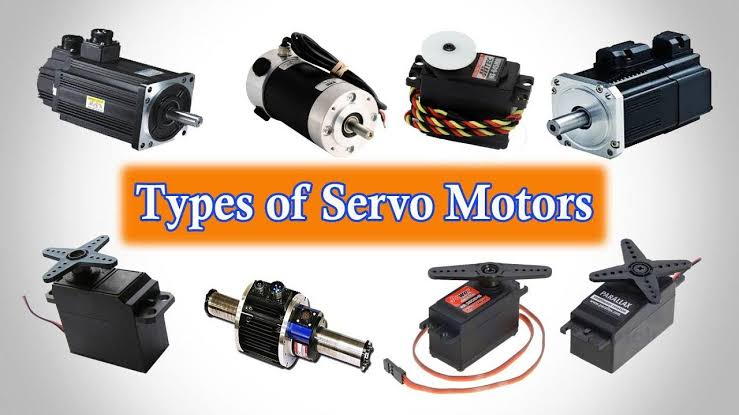
Servomotoren spielen in der modernen Automatisierung eine entscheidende Rolle, da sie eine präzise Regelung von Drehzahl, Position und Drehmoment ermöglichen. Da die Fertigungsprozesse immer ausgefeilter werden, ist die Auswahl des richtigen Industrie-Servomotor hat zunehmend an Bedeutung gewonnen, wenn es darum geht, die Produktivität zu steigern, die Produktqualität zu sichern und Betriebsausfälle zu reduzieren.
Verschiedene Servomotortechnologien sind auf unterschiedliche Anwendungsanforderungen ausgelegt. Faktoren wie Stromversorgung, Betriebsumgebung, Wartungsaufwand, Lastcharakteristik und Bewegungsgenauigkeit beeinflussen, welcher Servomotor für eine bestimmte Maschine am besten geeignet ist. Das Verständnis dieser Unterschiede hilft Ingenieuren dabei, fundierte Entscheidungen bei der Auswahl der Ausrüstung die sich eher an den tatsächlichen Leistungsanforderungen als allein an den Produktspezifikationen orientieren.
Obwohl alle Servomotoren mit einer Regelung mit Rückführung arbeiten, unterscheiden sie sich hinsichtlich ihres Aufbaus und ihrer Leistungsmerkmale erheblich voneinander. Wechselstrom-Servomotoren, Gleichstrom-Servomotoren und bürstenlose Gleichstrom-Servomotoren bieten jeweils einzigartige Vorteile, die sie für unterschiedliche industrielle Anwendungen geeignet machen. Die Wahl des richtigen Motors trägt dazu bei, zuverlässige Bewegungsleistung und dabei ein Gleichgewicht zwischen Effizienz, Wartungsaufwand und langfristigen Betriebskosten zu wahren.
Industriekunden sollten zudem das gesamte Antriebssystem bewerten, anstatt sich ausschließlich auf den Motor selbst zu konzentrieren. Servoantriebe, Steuerungen, Rückmeldegeräte, Kommunikationskompatibilität und der Einschaltfaktor beeinflussen die Gesamtleistung der Maschine und tragen zu erfolgreiche Systemintegration in automatisierten Produktionsumgebungen.
Dieser Leitfaden erläutert die drei wichtigsten Arten von Servomotoren, vergleicht deren Leistungsmerkmale und untersucht, in welchen Bereichen die jeweilige Technologie am besten zum Einsatz kommt. Darüber hinaus enthält er praktische Hinweise zur Auswahl, industrielle Anwendungsbeispiele sowie technische Überlegungen zur Unterstützung sicherer Kaufentscheidungen für Hersteller, Ingenieure und Automatisierungsexperten.
Welche drei Arten von Servomotoren gibt es?
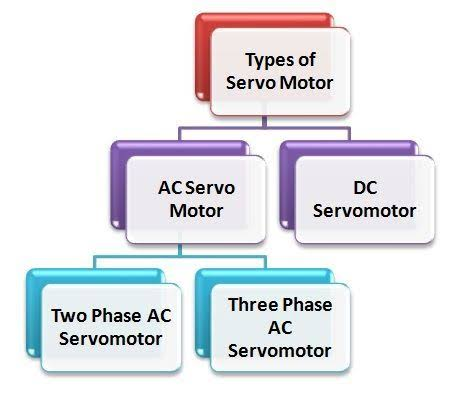
Die drei Hauptarten von Servomotoren In der industriellen Automatisierung kommen Wechselstrom-Servomotoren, Gleichstrom-Servomotoren und bürstenlose Gleichstrom-Servomotoren zum Einsatz. Jeder Typ von Industrie-Servomotor ist darauf ausgelegt, unterschiedliche Leistungsanforderungen zu erfüllen, die von Faktoren wie Stromversorgung, Bewegungsgenauigkeit, Betriebsumgebung und Wartungsanforderungen abhängen.
AC-Servomotoren sind in der modernen Fertigung am weitesten verbreitet, da sie einen hohen Wirkungsgrad, hervorragende Zuverlässigkeit und eine hohe Leistung im Dauerbetrieb bieten. Sie kommen häufig in der Robotik, bei CNC-Maschinen, Verpackungsanlagen und automatisierten Produktionssystemen zum Einsatz, die kontinuierliche Präzisionsregelung über lange Betriebszyklen hinweg.
Gleichstrom-Servomotoren werden typischerweise in Anwendungen eingesetzt, die eine reaktionsschnelle Bewegung, kompakte Bauformen oder Gleichstromversorgungen erfordern. Sie ermöglichen eine präzise Drehzahl- und Positionsregelung und eignen sich daher für Laborgeräte, medizinische Geräte und spezielle Automatisierungssysteme wo ein Betrieb mit geringerem Stromverbrauch bevorzugt wird.
Bürstenlose Gleichstrom-Servomotoren kombinieren elektronische Kommutierung mit Regelkreis Steuerungstechnik für hohe Effizienz, geringen Wartungsaufwand und präzise Bewegungsabläufe. Dank ihrer robusten Bauweise eignen sie sich für Hochleistungs-Industrieanwendungen die eine präzise Positionierung, schnelle Reaktionszeiten und eine lange Lebensdauer erfordern.
Die Auswahl des richtigen Servomotors hängt nicht nur von der Motorklasse allein ab. Ingenieure sollten die Anforderungen an das Drehmoment, den Drehzahlbereich, den Einschaltdauerfaktor, die Kompatibilität mit der Steuerung, die Betriebsbedingungen und den Wartungsaufwand berücksichtigen, um optimale Anwendungsleistung in verschiedenen industriellen Umgebungen.
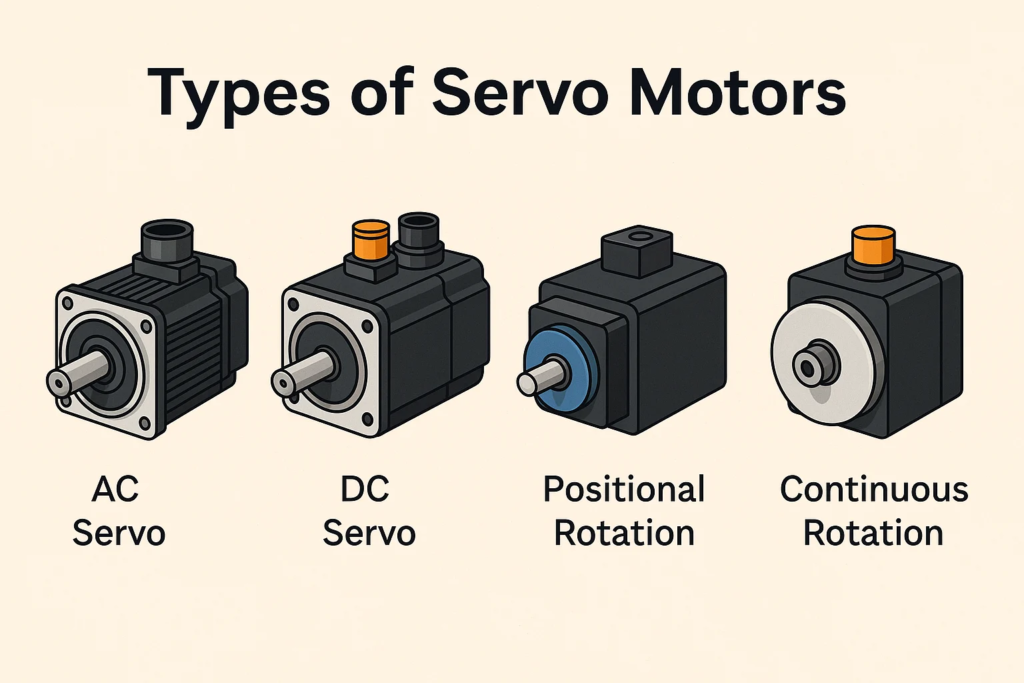
AC-Servomotoren
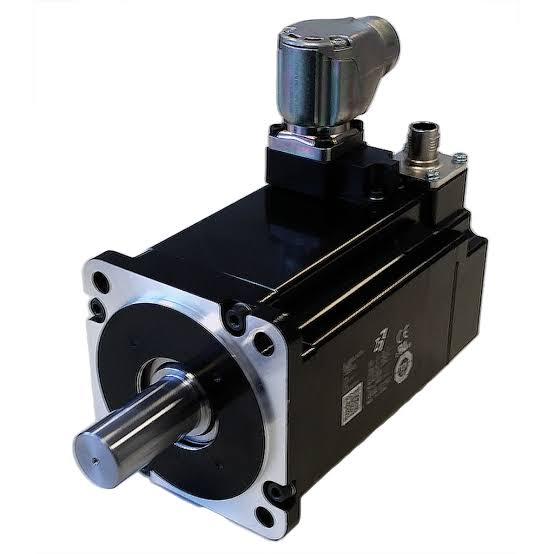
AC Servomotoren sind die in der modernen Industrieautomation am häufigsten verwendeten Servomotoren, da sie eine präzise Bewegungssteuerung, einen hohen Wirkungsgrad und eine zuverlässige Leistung im Dauerbetrieb bieten. Ihre bürstenlose Bauweise sorgt für eine Industrie-Servomotor besonders gut geeignet für anspruchsvolle Fertigungsumgebungen, in denen Präzision und Langlebigkeit von entscheidender Bedeutung sind.
Diese Motoren werden mit Wechselstrom betrieben und von Servoantrieben gesteuert, die Drehzahl, Drehmoment und Position auf der Grundlage von Rückmeldungen von Encodern oder anderen Sensoren kontinuierlich anpassen. Dieser Regelbetrieb sorgt für hohe Bewegungsgenauigkeit selbst wenn sich die Belastungsverhältnisse während der Produktion ändern.
AC-Servomotoren finden breite Anwendung in der Robotik, bei CNC-Maschinen, Verpackungsanlagen, Drucksystemen und automatisierten Fertigungsstraßen. Ihre Fähigkeit, unter Dauerbetriebsbedingungen eine stabile Leistung aufrechtzuerhalten, trägt dazu bei, dass Hochgeschwindigkeits-Industrieautomation und gleichzeitig den Wartungsaufwand zu reduzieren.
Einer der Hauptvorteile von AC-Servomotoren ist ihre lange Lebensdauer und ihre hervorragende Energieeffizienz. Allerdings erfordern sie kompatible Servoantriebe, eine ordnungsgemäße Abstimmung und eine korrekte Systemintegration, um optimale Betriebsleistung in industriellen Anwendungen.
Gleichstrom-Servomotoren
Gleichstrom-Servomotoren sind darauf ausgelegt, eine reaktionsschnelle Drehzahl zu liefern, Drehmoment, sowie die Positionsregelung mittels Gleichstrom. Sie werden häufig für Anwendungen eingesetzt, bei denen kompakte Abmessungen, ein schnelles Ansprechverhalten und präzise Bewegungssteuerung sind wichtige Betriebsanforderungen.
Diese Motoren arbeiten als Teil eines Servosystems mit Regelkreis, das einen Servoantrieb, eine Steuerung und eine Rückmeldevorrichtung umfasst. Durch die kontinuierliche Überwachung kann das System Leistungsanpassungen in Echtzeit und während des gesamten Betriebszyklus präzise Bewegungen gewährleisten.
Gleichstrom-Servomotoren kommen häufig in Laborgeräten, medizinischen Geräten, batteriebetriebenen Maschinen und kompakten Automatisierungssystemen zum Einsatz. Dank ihres reaktionsschnellen Betriebs eignen sie sich für spezielle industrielle Anwendungen wo eine Bewegungssteuerung mit geringer Leistung erforderlich ist.
Je nach Ausführung, Gleichstrom-Servomotoren können mit Bürsten oder bürstenlos ausgeführt sein. Ingenieure sollten bei der Auswahl des geeigneten Modells die Wartungsanforderungen, die Betriebsumgebung, die Stromversorgung und die Anwendungsanforderungen vergleichen. Industrie-Servomotor für ihre Ausrüstung.
Bürstenlose Gleichstrom-Servomotoren
Bürstenlose Gleichstrom-Servomotoren verbinden den Wirkungsgrad eines bürstenlosen Motors mit der Präzision eines Regelkreises Servosystem. Durch den Verzicht auf mechanische Bürsten und den Einsatz einer elektronischen Kommutierung wird ein Industrie-Servomotor Ein Antrieb dieser Art sorgt für präzise Bewegungen und reduziert gleichzeitig den mechanischen Verschleiß sowie den Wartungsaufwand.
Diese Motoren arbeiten mit Servoantrieben und Rückmeldegeräten zusammen, um Position, Drehzahl und Drehmoment kontinuierlich zu überwachen. Das Steuerungssystem passt die Motorleistung automatisch an, um gleichbleibende Bewegungsgenauigkeit selbst wenn sich die Belastungsverhältnisse oder die Betriebsdrehzahlen ändern.
Bürstenloser Gleichstrom Servomotoren finden breite Anwendung in der Halbleiterfertigung, der Robotik, bei medizinischen Geräten, in Prüfsystemen und in der Präzisionsautomatisierung. Dank ihrer schnellen Reaktionszeiten und ihres zuverlässigen Betriebs eignen sie sich für Anwendungen in der hochpräzisen Fertigung wo eine gleichbleibende Leistung entscheidend ist.
Obwohl bürstenlose Gleichstrom-Servomotoren in der Regel höhere Anschaffungskosten verursachen als manche herkömmlichen Motorsysteme, bieten sie aufgrund ihres Wirkungsgrads, ihrer Langlebigkeit und ihres geringeren Wartungsaufwands oft langfristige betriebliche Vorteile für anspruchsvolle industrielle Umgebungen.
Die wichtigsten Unterschiede zwischen den drei Arten von industriellen Servomotoren
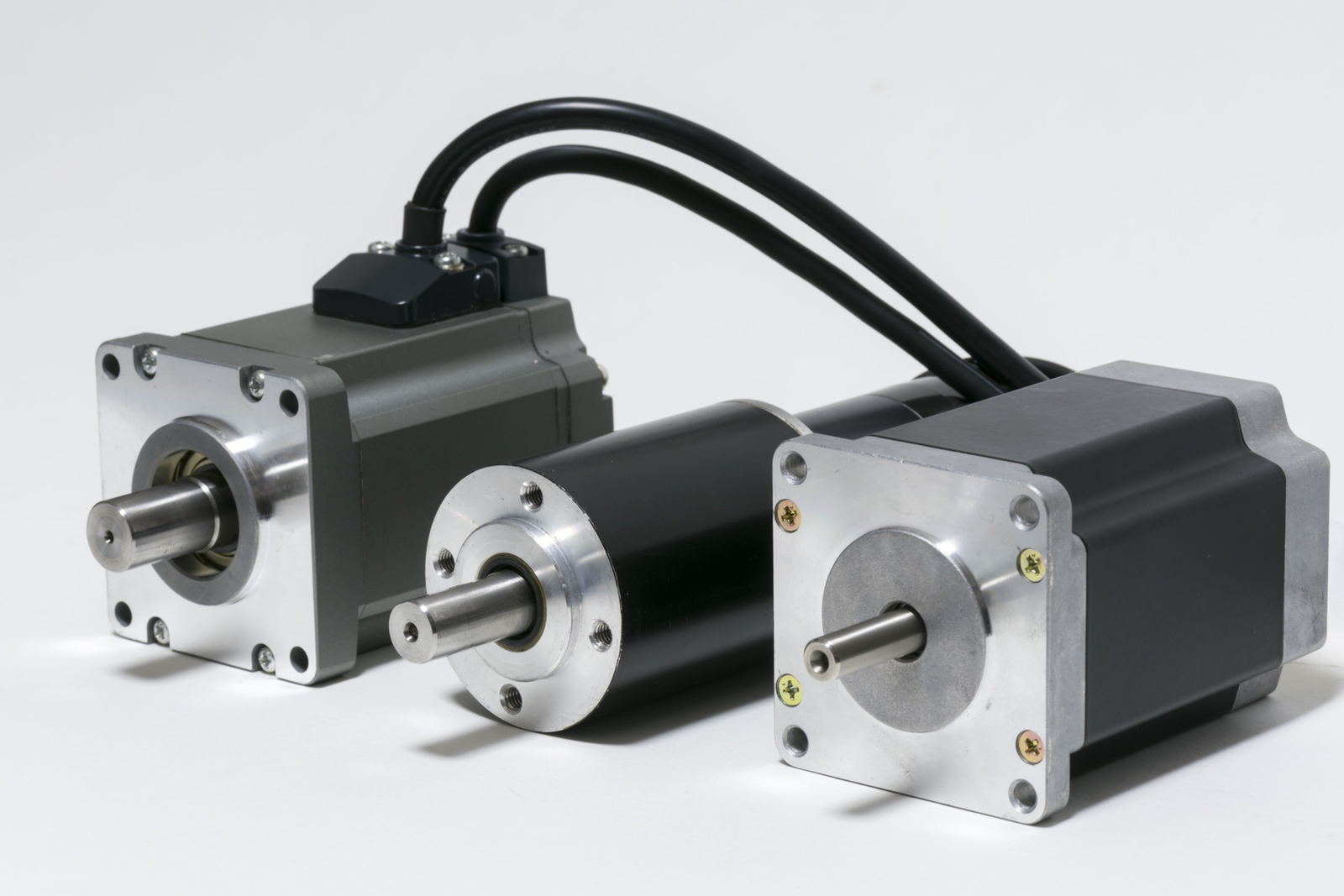
Obwohl alle drei Servomotortypen mit einer Regelung mit Rückkopplung arbeiten, unterscheiden sie sich hinsichtlich der Stromquelle, des Aufbaus, der Wartungsanforderungen und der typischen Anwendungsbereiche. Das Verständnis dieser Unterschiede hilft Ingenieuren bei der Auswahl des am besten geeignete Technologie für spezifische industrielle Anwendungen.
| Funktion | AC-Servomotor | Gleichstrom-Servomotor | Bürstenloser Gleichstrom-Servomotor |
| Stromversorgung | AC | DC | DC |
| Motorbau | In der Regel bürstenlos | Mit Bürsten oder bürstenlos | Bürstenlos |
| Wartung | Niedrig | Mäßig bei gebürsteten Modellen | Sehr niedrig |
| Antwort | Schnell | Schnell | Sehr schnell |
| Typische Anwendungen | CNC, Robotik, Automatisierung | Medizinprodukte, Kompaktmaschinen | Präzisionsautomatisierung, Halbleiterausrüstung |
| Lebensdauer | Lang | Hängt von der Ausführung ab | Lang |
Wechselstrom-Servomotoren werden in der Regel für den industriellen Dauerbetrieb bevorzugt, während Gleichstrom-Servomotoren für kompakte Anwendungen mit geringerem Leistungsbedarf geeignet sind. Bürstenlose Gleichstrom-Servomotoren bieten geringerer Wartungsaufwand und bietet dabei einen hohen Wirkungsgrad sowie eine präzise Bewegungssteuerung.
Die beste Wahl hängt eher von den Anwendungsanforderungen als allein von der Motorklasse ab. Ingenieure sollten Drehmoment, Drehzahl, Einschaltdauer, Betriebsumgebung, Kompatibilität mit der Steuerung und Lebenszykluskosten vergleichen, um optimale Systemleistung für ihre Ausrüstung.
Welcher industrielle Servomotor eignet sich am besten für verschiedene Anwendungen?
Welcher Industrieservomotor am besten geeignet ist, hängt vom erforderlichen Genauigkeitsgrad, den Betriebsbedingungen, der verfügbaren Leistung und der Maschinenkonstruktion ab. Anstatt einen Motor aufgrund seiner Beliebtheit auszuwählen, sollten Ingenieure folgende Faktoren bewerten: anwendungsspezifische Anforderungen um eine zuverlässige und effiziente Leistung zu erzielen.
AC-Servomotoren sind in der Regel die erste Wahl für die industrielle Hochleistungsautomatisierung, einschließlich der Robotik, CNC-Maschinen, Verpackungssysteme und automatisierte Fertigungslinien. Da sie unter Beibehaltung einer hohen Genauigkeit im Dauerbetrieb arbeiten können, eignen sie sich für kontinuierliche Fertigungsprozesse.
Gleichstrom-Servomotoren werden häufig für kompakte Geräte, Laborinstrumente, batteriebetriebene Systeme und Spezialmaschinen eingesetzt, bei denen Gleichstrom zur Verfügung steht. Ihre reaktionsschnellen Regelcharakteristika unterstützen präzise Anwendungen mit geringem Stromverbrauch ohne dass große industrielle Stromversorgungssysteme erforderlich sind.
Bürstenlose Gleichstrom-Servomotoren eignen sich besonders für Anwendungen, die einen hohen Wirkungsgrad, ein schnelles Ansprechverhalten und minimalen Wartungsaufwand erfordern. Die Halbleiterfertigung, medizinische Geräte, Prüfgeräte und moderne Automatisierungssysteme profitieren von Hochgeschwindigkeits-Präzisionssteuerung die durch die bürstenlose Servotechnik ermöglicht wird.
Ingenieure sollten vor einer endgültigen Entscheidung die Anforderungen an das Drehmoment, den Arbeitszyklus, die Positioniergenauigkeit, die Kompatibilität der Steuerung, die Umgebungsbedingungen und den Wartungsaufwand vergleichen. Die Bewertung des gesamten Bewegungssystems trägt dazu bei, zuverlässige Leistung der Geräte während der gesamten Lebensdauer der Maschine.
Vorteile und Einschränkungen der einzelnen Servomotortypen
Jede Art von Industrie-Servomotor bietet einzigartige Vorteile und Einschränkungen, die bei der Systemauswahl berücksichtigt werden sollten. Durch den Vergleich dieser Merkmale können Käufer die am besten geeignete Technologie auf der Grundlage von Anforderungen an die operative Leistung und nicht nur vom Motortyp allein.
AC-Servomotoren zeichnen sich durch einen hervorragenden Wirkungsgrad, eine lange Lebensdauer und eine zuverlässige Leistung im Dauerbetrieb in industriellen Anwendungen aus. Allerdings erfordern sie kompatible Antriebe und eine ordnungsgemäße Systemkonfiguration, um optimale Bewegungsgenauigkeit während des Betriebs.
Gleichstrom-Servomotoren zeichnen sich durch ein schnelles Ansprechverhalten und eine präzise Regelung aus, wodurch sie sich für kompakte Systeme oder Systeme mit geringer Leistung eignen. Je nach Bauart können bei einigen Modellen folgende Anforderungen bestehen: zusätzliche Wartungsanforderungen aufgrund von Verschleiß an den Bürsten und anderen mechanischen Bauteilen.
Bürstenlose Gleichstrom-Servomotoren verbinden einen effizienten Betrieb mit geringem Wartungsaufwand und hoher Positioniergenauigkeit. Ihre fortschrittliche Konstruktion bietet langfristige Betriebssicherheit, auch wenn die Anfangsinvestitionen und die Anforderungen an die Systemintegration möglicherweise höher sind als bei einfacheren Motorentechnologien.
Bei der Auswahl des richtigen Servomotors gilt es, ein Gleichgewicht zwischen Leistung, Wartungsaufwand, Betriebskosten und den Anforderungen der jeweiligen Anwendung zu finden. Eine sorgfältige Bewertung hilft Herstellern dabei, kostengünstige Automatisierungslösungen die eine zuverlässige langfristige Produktion gewährleisten.
Gängige industrielle Anwendungen von Servomotoren
Servomotoren kommen in einer Vielzahl von Branchen zum Einsatz, in denen präzise Positionierung, synchronisierte Bewegungen und wiederholgenauer Betrieb unerlässlich sind. Die Auswahl des geeigneten Industrie-Servomotor hilft Herstellern dabei, ihre Produktivität zu steigern, die Produktqualität zu sichern und Betriebsausfälle zu reduzieren.
In der Robotik und bei automatisierten Montagesystemen kommen Servomotoren zum Einsatz, um Roboterarme, Bestückungsanlagen und Materialtransportsysteme zu steuern. Diese Anwendungen erfordern präzise Bewegungskoordination um sich wiederholende Aufgaben mit hoher Genauigkeit und gleichbleibenden Ergebnissen auszuführen.
CNC-Maschinen nutzen Servomotoren, um Schneidwerkzeuge und Werkstücke entlang programmierter Bahnen zu positionieren. Eine präzise Drehzahl- und Positionsregelung trägt dazu bei, gleichbleibende Bearbeitungsgenauigkeit und gleichzeitig die Effizienz in der Fertigung zu steigern.
Auch in den Bereichen Verpackungstechnik, Druckindustrie, Textilmaschinenbau, Halbleiterfertigung und Medizintechnik kommen Servomotoren bei Abfüll-, Versiegelungs-, Prüf-, Etikettier- und Präzisionsfertigungsprozessen zum Einsatz. Diese Branchen erfordern zuverlässige Positionierleistung um die Produktionsqualität und die Konsistenz der Betriebsabläufe zu gewährleisten.
Industriekunden sollten vor der Auswahl eines Servosystems die Lastanforderungen, die Betriebsgeschwindigkeit, die Positioniergenauigkeit, den Einschaltdauerfaktor und die Umgebungsbedingungen prüfen. Die Abstimmung des Motors auf die tatsächlichen Anforderungen der Anwendung trägt dazu bei, langfristige Zuverlässigkeit der Geräte in verschiedenen industriellen Umgebungen.
So wählen Sie den richtigen industriellen Servomotor aus
Die Auswahl des richtigen industriellen Servomotors beginnt mit dem Verständnis der Leistungsanforderungen der Maschine. Ingenieure sollten Folgendes bewerten: Betriebsbedingungen der Anwendung, darunter Drehzahl, Drehmoment, Positioniergenauigkeit, Beschleunigung und Lastverhalten, bevor Sie die verschiedenen Motoroptionen miteinander vergleichen.
Der Motor sollte ein ausreichendes Dauer- und Spitzendrehmoment liefern und dabei während des Betriebs innerhalb sicherer thermischer Grenzwerte bleiben. Eine korrekte Dimensionierung trägt dazu bei, stabile Produktionsleistung ohne unnötige Überdimensionierung oder übermäßigen Energieverbrauch.
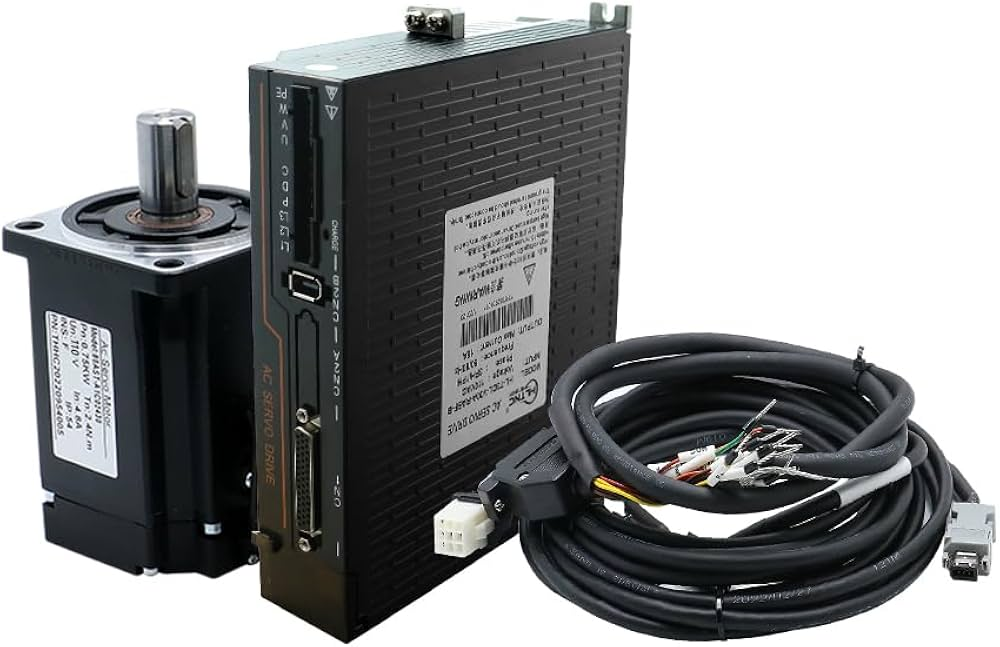
Kompatibilität zwischen den Servomotor, Laufwerk, Controller und Rückmeldegerät ist ebenso wichtig. Die Auswahl von Komponenten, die gut zusammenpassen, trägt dazu bei, effiziente Bewegungssteuerung und gleichzeitig die Systemintegration und Inbetriebnahme vereinfachen.
Ingenieure sollten zudem Umgebungsbedingungen wie Temperatur, Vibrationen, Luftfeuchtigkeit und Staubbelastung berücksichtigen. Die Wahl eines Motors, der für die jeweilige Betriebsumgebung ausgelegt ist, verbessert langfristige Betriebssicherheit und verringert den Wartungsaufwand.
Schließlich sollten Käufer die Lebenszykluskosten vergleichen, anstatt sich ausschließlich auf den Anschaffungspreis zu konzentrieren. Die Berücksichtigung von Energieeffizienz, Wartung, zukünftiger Erweiterbarkeit und technischem Support trägt dazu bei, fundierte Investitionsentscheidungen für industrielle Automatisierungssysteme.
Häufige Fehler bei der Auswahl, die es zu vermeiden gilt
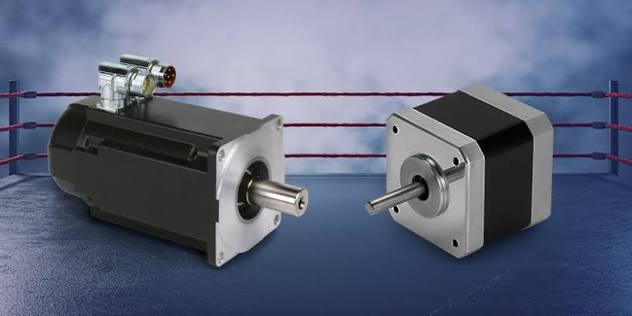
Ein häufiger Fehler besteht darin, einen industriellen Servomotor ausschließlich anhand seiner Nennleistung oder maximalen Drehzahl auszuwählen. Ingenieure sollten auch das Drehmoment, den Einschaltdauerfaktor, die Lastträgheit, die Positioniergenauigkeit und die Betriebsbedingungen berücksichtigen, um richtige Motorauslegung für die Bewerbung.
Ein weiterer Fehler besteht darin, die Kompatibilität zwischen den Servos zu übersehen Motor, Antrieb, Steuerung, und Rückkopplungsvorrichtung. Eine Fehlanpassung zwischen diesen Komponenten kann zu Kommunikationsfehlern, einem instabilen Betrieb und verminderte Systemleistung während der Produktion.
Manche Käufer entscheiden sich zudem für einen größeren Servomotor als nötig, in der Annahme, dass dies die Zuverlässigkeit verbessert. In Wirklichkeit kann eine übermäßige Überdimensionierung die Anlagenkosten, den Energieverbrauch und die Systemträgheit erhöhen, ohne dass dadurch spürbare Leistungssteigerungen.
Ein weiteres häufiges Problem ist die Nichtberücksichtigung der Umgebungsbedingungen. Staub, Feuchtigkeit, Vibrationen und hohe Umgebungstemperaturen können die Motorleistung beeinträchtigen, wenn die ausgewählten Geräte nicht angemessener Umweltschutz für die vorgesehene Installation.
Durch eine sorgfältige Bewertung des gesamten Antriebssystems anstelle einzelner Komponenten können Hersteller kostspielige Konstruktionsänderungen vermeiden und zuverlässiger Langzeitbetrieb in Anwendungen der industriellen Automatisierung.
So wählen Sie den richtigen Servomotor für Ihre Anwendung aus
Bei der Auswahl des richtigen industriellen Servomotors müssen Genauigkeit, Drehzahl, Drehmoment, Wirkungsgrad, Wartungsaufwand und Betriebsbedingungen gegeneinander abgewogen werden. Das Verständnis der Stärken von Wechselstrom-Servomotoren, Gleichstrom-Servomotoren und bürstenlosen Gleichstrom-Servomotoren ermöglicht es Ingenieuren, fundierte Entscheidungen ausgehend von den tatsächlichen Anwendungsanforderungen.
Jeder Servomotortyp bietet einzigartige Vorteile für unterschiedliche industrielle Umgebungen. Durch die Abstimmung des Motors auf die erforderliche Last, den Arbeitszyklus, die Kompatibilität mit der Steuerung und die Produktionsanforderungen lässt sich optimale Systemleistung und gleichzeitig unnötige Betriebskosten zu senken.
Bevor sie eine endgültige Entscheidung treffen, sollten Einkäufer das gesamte Bewegungssteuerungssystem bewerten, einschließlich Motor, Antrieb, Steuerung und Rückmeldegeräte. Eine ordnungsgemäß integrierte Lösung bietet zuverlässige Bewegungssteuerung während der gesamten Lebensdauer der Anlage.
DMKE bietet industrielle Servomotorenlösungen, die auf fundiertem technischem Know-how basieren, Anpassungsmöglichkeiten, sowie strenge Qualitätsstandards Testen.
Besuchen Sie unsere Website oder Kontaktieren Sie uns noch heute zu erkunden anwendungsspezifische Motorlösungen entwickelt, um den Anforderungen der modernen industriellen Automatisierung gerecht zu werden.

 English
  English (Australia)
  English (Canada)
  Deutsch
  English (UK)
  Français