
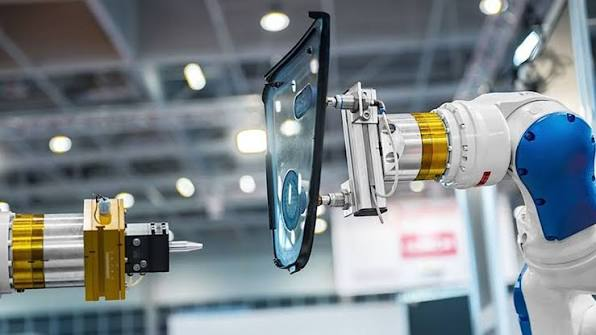
Industriemaschinen erfordern zunehmend präzise Bewegungen, wiederholgenaue Positionierung und kontrollierte Geschwindigkeit, um Produktivität und Produktqualität aufrechtzuerhalten. Eine mangelhafte Bewegungsleistung kann zu Positionierungsfehlern, Materialverschwendung, Verschleiß der Anlagen und Produktionsverzögerungen führen. Hersteller benötigen zuverlässige Bewegungssteuerung um automatisierte Anlagen unter wechselnden Belastungen und anspruchsvollen Arbeitsbedingungen effizient zu bedienen.
Unter Präzisionsbewegungssteuerung versteht man die koordinierte Steuerung von Motorposition, Drehzahl, Drehmoment und Bewegungsprofilen in mechanischen Systemen. Sie ermöglicht es Maschinen, präzise automatisierte Bewegungen durch die Kombination von Motoren, Antrieben, Steuerungen, Rückmeldegeräten und mechanischen Getriebekomponenten.
In der Industrie kommt die Bewegungssteuerung in Anwendungen zum Einsatz, die von der robotergestützten Montage und der CNC-Bearbeitung bis hin zur Verpackung, der Halbleiterfertigung, medizinischen Geräten und der Fördertechnik reichen. Jede Anwendung stellt unterschiedliche Anforderungen an Genauigkeit, Geschwindigkeit, Belastbarkeit und Reaktionszeit, was dazu führt, dass richtige Systemauswahl wichtig für eine zuverlässige Leistung.
Die Bewegungssteuerung ist jedoch nicht mit der allgemeinen Maschinenautomatisierung gleichzusetzen. Ingenieure müssen die Unterschiede zwischen SPS-Steuerung und speziellen Bewegungssteuerungen verstehen, die Anforderungen an die Rückführung bewerten und kompatible Motoren und Antriebe auswählen. Diese Überlegungen tragen dazu bei, Folgendes zu verhindern: kostspielige Integrationsprobleme bei der Konstruktion und dem Betrieb von Maschinen.
In diesem Leitfaden wird erläutert, wozu Bewegungssteuerung eingesetzt wird, wie präzise Bewegungssteuerungssysteme funktionieren und welche Branchen darauf angewiesen sind. Außerdem werden Systemkomponenten, praktische Anwendungsbeispiele, Vorteile, Auswahlkriterien sowie die Unterschiede zwischen SPSen und Bewegungssteuerungen behandelt, um fundierte technische Entscheidungen.
Was ist Präzisionsbewegungssteuerung?
Präzisionsbewegungssteuerung bezieht sich auf die präzise Steuerung von Bewegung, Position, Geschwindigkeit, Beschleunigung und Drehmoment in automatisierten Maschinen und mechanischen Systemen. Es vereint Motoren, Antriebe, Steuerungen, Rückmeldegeräte und mechanische Komponenten, um gesteuerte Maschinenbewegung entsprechend den spezifischen Anwendungsanforderungen.
Im Gegensatz zur einfachen Motorsteuerung überwacht und passt die Präzisionsbewegungssteuerung die Bewegung kontinuierlich an, um Positionierungsfehler zu reduzieren und eine gleichbleibende Leistung zu gewährleisten. Rückmeldegeräte wie Encoder liefern Betriebsdaten in Echtzeit, sodass das System präzise Bewegungskorrekturen während des Maschinenbetriebs.
Der erforderliche Präzisionsgrad hängt von der jeweiligen industriellen Anwendung ab. Halbleiterausrüstung, CNC-Maschinen, Robotik und medizinische Geräte erfordern unter Umständen eine äußerst präzise Positionierung, während bei Förderbändern und Materialtransportsystemen der Schwerpunkt eher auf gleichmäßige Drehzahlregelung und synchronisierte Bewegung.
Ingenieure sollten bei der Auslegung eines Präzisions-Bewegungssteuerungssystems die Lastcharakteristika, Bewegungsprofile, Positioniergenauigkeit, Reaktionszeit und Umgebungsbedingungen berücksichtigen. Das Verständnis dieser Anforderungen trägt dazu bei, zuverlässige Systemleistung ohne unnötige Komplexität oder Ausrüstungskosten.
Wie funktioniert ein Bewegungssteuerungssystem?
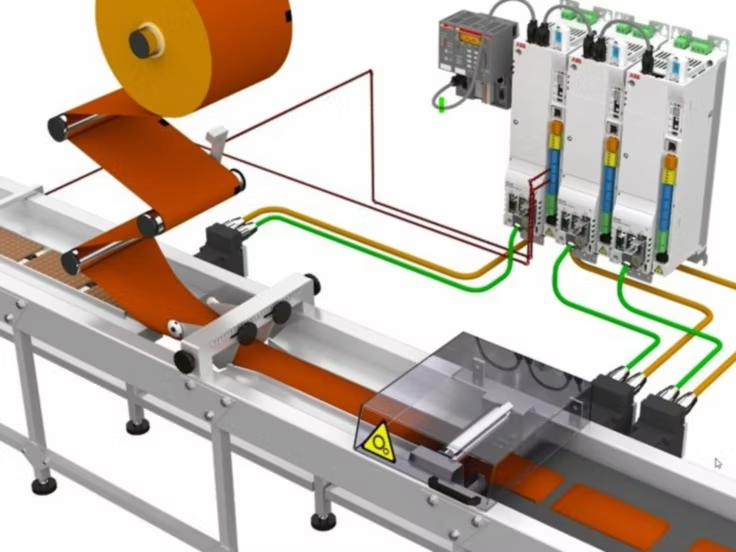
Ein Bewegungssteuerungssystem steuert die Maschinenbewegungen, indem es Befehle, den Motorbetrieb, Rückmeldesignale und mechanische Komponenten aufeinander abstimmt. Die Steuerung erzeugt das erforderliche Bewegungsprofil und sendet Befehle an den Antrieb, der dafür sorgt, dass geregelte elektrische Leistung um den Motor zu betreiben.
Der Motor wandelt elektrische Energie in mechanische Bewegung um und überträgt die Kraft über Komponenten wie Getriebe, Riemen, Kupplungen oder Kugelumlaufspindeln auf die Maschine. Die Auswahl geeigneter Antriebskomponenten trägt dazu bei, präzises mechanisches Uhrwerk und dabei Spiel, Vibrationen und unnötige Energieverluste zu reduzieren.
Rückmeldegeräte wie beispielsweise Encoder und Resolver die tatsächliche Position, Geschwindigkeit oder Bewegung des Motors überwachen. Der Regler vergleicht diese Informationen mit der vorgegebenen Bewegung und nimmt kontinuierliche Regelungsanpassungen wenn es zu Meinungsverschiedenheiten kommt.
Die Regelung im geschlossenen Regelkreis wird häufig in Anwendungen zur Präzisionsbewegungssteuerung eingesetzt, da sie es dem System ermöglicht, Fehler während des Betriebs zu korrigieren. Eine gute Abstimmung zwischen Reglern, Antrieben, Motoren und Rückmeldegeräten unterstützt stabile Maschinenleistung unter wechselnden Belastungen und Betriebsbedingungen.
Wie lautet eine andere Bezeichnung für Bewegungssteuerung?
Die Bewegungssteuerung wird je nach Branche und Anwendungsbereich manchmal auch als Bewegungsautomatisierung, Bewegungssteuerung oder automatisierte Bewegungssteuerung bezeichnet. Diese Begriffe beschreiben im Allgemeinen gesteuerte mechanische Bewegung in Maschinen und automatisierten Anlagen.
In Industrieautomation, Unter Bewegungssteuerung versteht man häufig speziell Systeme, die die Position, Drehzahl, das Drehmoment, die Beschleunigung und die Synchronisation eines Motors regeln. Der Begriff „Präzisionsbewegungssteuerung“ wird üblicherweise verwendet, wenn Anwendungen folgende Anforderungen stellen: hohe Positioniergenauigkeit und wiederholbare Bewegungen.
Verwandte Begriffe wie Servo Die Begriffe „Regelung“ und „Motorsteuerung“ können ebenfalls verwendet werden, haben jedoch nicht immer dieselbe Bedeutung. Der Begriff „Servoregelung“ bezieht sich in der Regel auf Motorsysteme mit geschlossenem Regelkreis, während der Begriff „Motorsteuerung“ unter anderem Folgendes umfassen kann: Grundlegende Drehzahlregelung ohne genaue Anforderungen an die Positionierung.
Das Verständnis dieser Unterschiede hilft Einkäufern und Ingenieuren dabei, die Anwendungsanforderungen bei der Auswahl von Komponenten klar zu kommunizieren. Die Verwendung einer präzisen Terminologie unterstützt bessere Systemspezifikation und verringert Unklarheiten bei der Konstruktion und Beschaffung von Ausrüstung.
In welchen Branchen kommt Bewegungssteuerung zum Einsatz?
Die Bewegungssteuerungstechnik kommt branchenübergreifend zum Einsatz, wenn Maschinen eine präzise Positionierung und eine geregelte Drehzahl erfordern, synchronisierte Bewegung, oder wiederholbare Vorgänge. Das erforderliche Maß an Genauigkeit industrieller Bewegungsabläufe hängt von den Produktionsprozessen, der Auslegung der Anlagen und den Anforderungen an die Produktqualität ab.
Die Fertigungsindustrie und die industrielle Automatisierung gehören zu den größten Anwendern von Präzisions-Bewegungssteuerungssystemen. Montageautomaten, Roboteranlagen, CNC-Maschinen, Verpackungslinien und automatisierte Prüfsysteme sind auf konsistente Bewegungssteuerung um die Produktivität und eine gleichbleibende Produktionsqualität zu gewährleisten.
Die Halbleiter- und Elektronikindustrie setzt Bewegungssteuerungssysteme für die Waferhandhabung, die Bestückung mit Bauteilen, die Prüfung sowie für Präzisionsfertigungsprozesse ein. Diese Anwendungen erfordern äußerst präzise Positionierung denn schon kleine Bewegungsfehler können sich auf die Produktionsergebnisse auswirken.
Hersteller medizinischer Geräte setzen Bewegungssteuerungstechnologie in Diagnosegeräten, in der Laborautomatisierung, bei chirurgischen Geräten und in Fluidhandhabungssystemen ein. Reibungslose Bewegungen und zuverlässige Positionierleistung sind wichtig, wenn Anlagen unter kontrollierten Bedingungen einen gleichbleibenden Betrieb gewährleisten müssen.
Auch in den Bereichen Logistik, Lagerhaltung, Druck, Textilproduktion, Lebensmittelverarbeitung und Materialtransport kommen Bewegungssteuerungssysteme zum Einsatz. Förderbänder, Sortieranlagen, automatisierte Lagersysteme und Verarbeitungsmaschinen sind auf koordinierte Maschinenbewegung um effiziente Arbeitsabläufe zu gewährleisten.
Die Auswahl der richtigen Bewegungssteuerungstechnologie setzt ein Verständnis der branchenspezifischen Betriebsanforderungen voraus. Ingenieure sollten Genauigkeit, Geschwindigkeit, Belastungsbedingungen, Umgebungsbedingungen und die Komplexität der Automatisierung bewerten, um angemessene Systemleistung ohne unnötige Ausrüstungskosten.
Was ist der Unterschied zwischen SPS und Bewegungssteuerung?
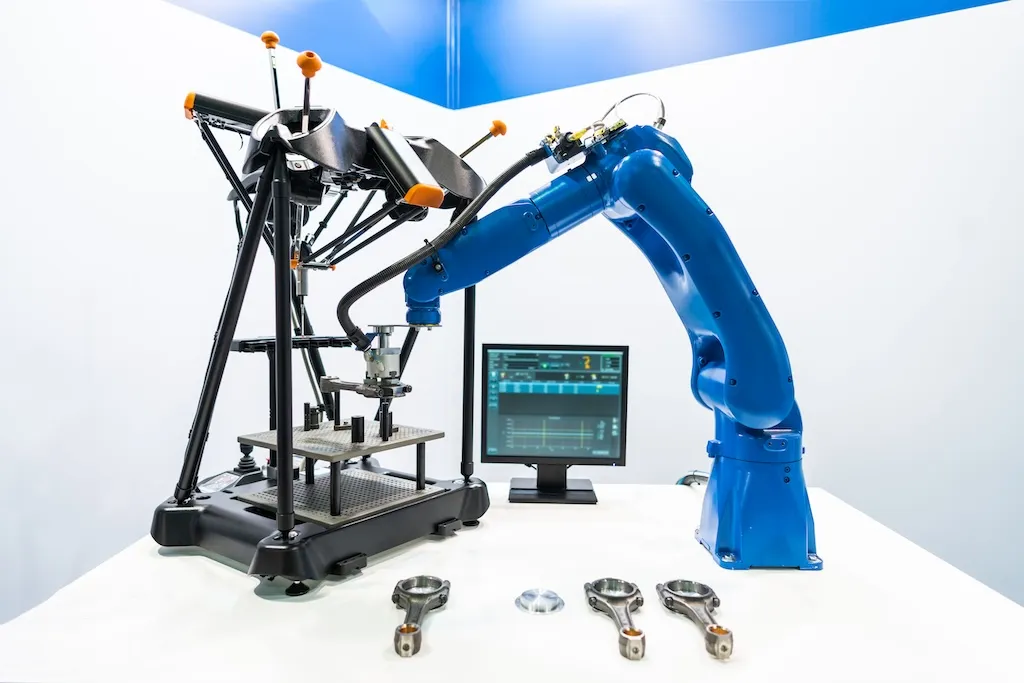
Eine speicherprogrammierbare Steuerung (SPS) und ein Bewegungssteuerungssystem erfüllen unterschiedliche Funktionen in industriellen Automatisierungsanlagen. Eine SPS steuert in erster Linie logische Maschinenoperationen wie beispielsweise Abläufe, Sensoren, Alarme, Zeitschaltuhren und Prozessbedingungen.
Bewegungssteuerungssysteme konzentrieren sich auf die Steuerung von Bewegungsvariablen wie Position, Geschwindigkeit, Beschleunigung, Drehmoment, sowie Synchronisation. Anwendungen zur präzisen Bewegungssteuerung erfordern präzise Bewegungskoordination wenn Maschinen komplexe oder wiederholbare mechanische Vorgänge ausführen.
Eine SPS empfängt Eingangssignale, verarbeitet programmierte Logik und steuert Maschinenausgänge entsprechend vordefinierten Bedingungen. Obwohl moderne SPSen auch Bewegungsfunktionen enthalten können, bieten spezielle Bewegungssteuerungen in der Regel schnellere Regelreaktion für Anwendungen mit mehreren Achsen oder komplexen Bewegungsprofilen.
Bewegungssteuerungen arbeiten eng zusammen mit Servoantriebe, Motoren und Rückmeldegeräte zur Überwachung und Korrektur der Maschinenbewegung. Ihre Fähigkeit, Rückmeldeinformationen zu verarbeiten, unterstützt präzise Positionierleistung bei automatisierten Hochgeschwindigkeitsprozessen.
In vielen industriellen Systemen werden SPSen und Bewegungssteuerungen gemeinsam eingesetzt, anstatt sich ausschließlich für eine der beiden Technologien zu entscheiden. Die SPS steuert die gesamte Maschinenlogik und die Prozessabläufe, während die Bewegungssteuerung für spezielle Bewegungsfunktionen die eine höhere Genauigkeit und eine schnellere Reaktion erfordern.
Ingenieure sollten vor der Auswahl einer Steuerungslösung die Anzahl der zu steuernden Achsen, die erforderliche Genauigkeit, die Zykluszeit, die Kommunikationsarchitektur und die Komplexität der Maschine bewerten. Eine geeignete Systemauslegung trägt dazu bei, effiziente Automatisierungsleistung ohne unnötige Steuerungshardware hinzuzufügen.
Was ist ein Beispiel für ein Bewegungssteuerungssystem?
Ein robotergestützter Bestückungsautomat ist ein praktisches Beispiel für ein Bewegungssteuerungssystem. Die Maschine nutzt Motoren, Antriebe, Steuerungen, Rückmeldegeräte und mechanische Komponenten, um Wiederholgenauigkeit der Positionierung bei der Handhabung der Produkte.
Die Steuerung legt die gewünschte Bewegungsbahn fest und sendet Befehle an Servoantriebe die an jeden Motor angeschlossen sind. Diese Antriebe regeln Drehzahl, Drehmoment und Position des Motors, um koordinierte Achsbewegung während des gesamten Betriebszyklus.
Encoder überwachen die Ist-Position jedes Motors und senden Rückmeldedaten an das Steuerungssystem. Weicht die Maschine von der Sollposition ab, nimmt die Steuerung automatische Bewegungskorrekturen um die Genauigkeit zu gewährleisten.
Ähnliche Prinzipien der Bewegungssteuerung sind in CNC-Maschinen verwendet, Verpackungsanlagen, Drucksysteme, automatisierte Montagelinien und Anlagen zur Halbleiterfertigung. Jede Anwendung erfordert anwendungsspezifische Steuerparameter abhängig von Geschwindigkeit, Belastung, Präzision und Betriebsbedingungen.
Die Leistungsfähigkeit eines Bewegungssteuerungssystems hängt von der richtigen Auswahl und Integration der Komponenten ab. Ingenieure müssen Steuerungen, Antriebe, Motoren, Rückmeldegeräte und mechanische Übertragungskomponenten aufeinander abstimmen, um zuverlässiger Systembetrieb über mehrere Produktionszyklen hinweg.
Wesentliche Komponenten eines Präzisions-Bewegungssteuerungssystems
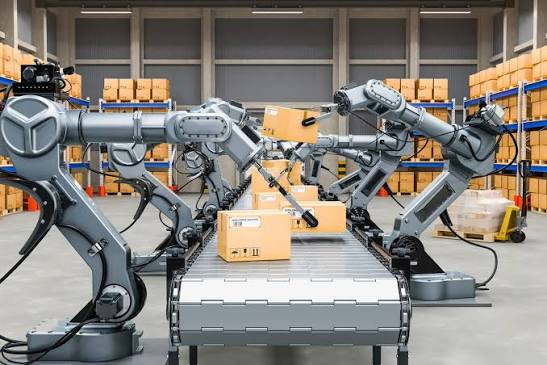
Ein Präzisions-Bewegungssteuerungssystem kombiniert mehrere elektrische und mechanische Komponenten, um genaue, wiederholbare und kontrollierte Maschinenbewegungen zu erzielen. Das Verständnis der Funktion der einzelnen Komponenten hilft Ingenieuren dabei, geeignete Komponentenauswahl auf der Grundlage der Anwendungsanforderungen.
Der Bewegungsregler fungiert als zentrale Entscheidungseinheit des Systems. Er erzeugt Bewegungsbefehle, berechnet Bewegungsprofile, koordiniert mehrere Achsen und verarbeitet Rückmeldesignale, um präzise Bewegungsausführung während des gesamten Betriebszyklus.
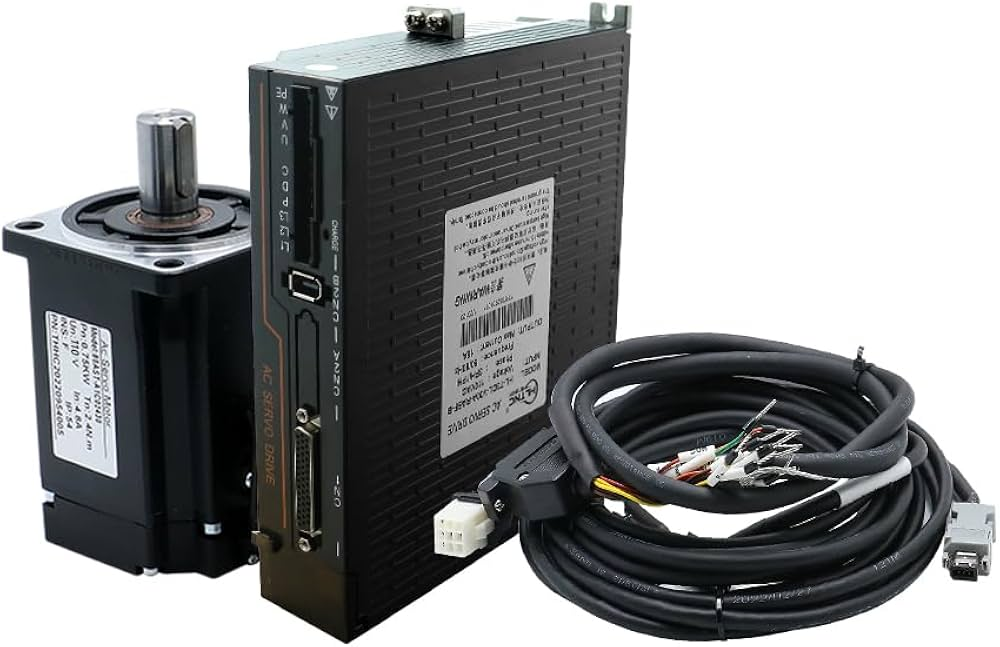
Servoantriebe oder andere Motorantriebe empfangen Befehle von der Steuerung und regeln die den Motoren zugeführte elektrische Leistung. Richtig abgestimmte Antriebe sorgen für stabiler Motorbetrieb und dabei die erforderlichen Anforderungen an Geschwindigkeit, Drehmoment und Beschleunigung zu erfüllen.
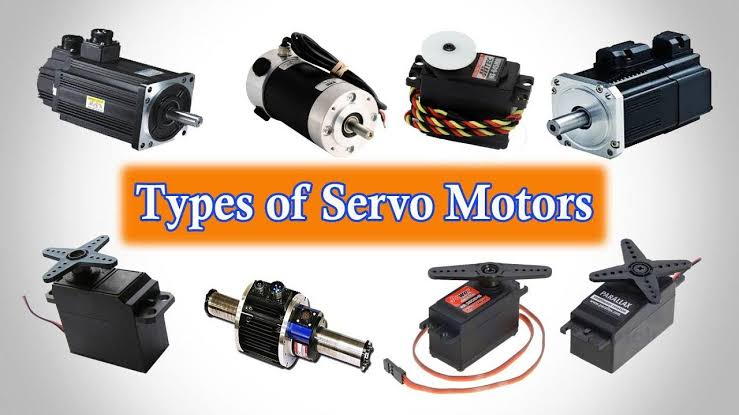
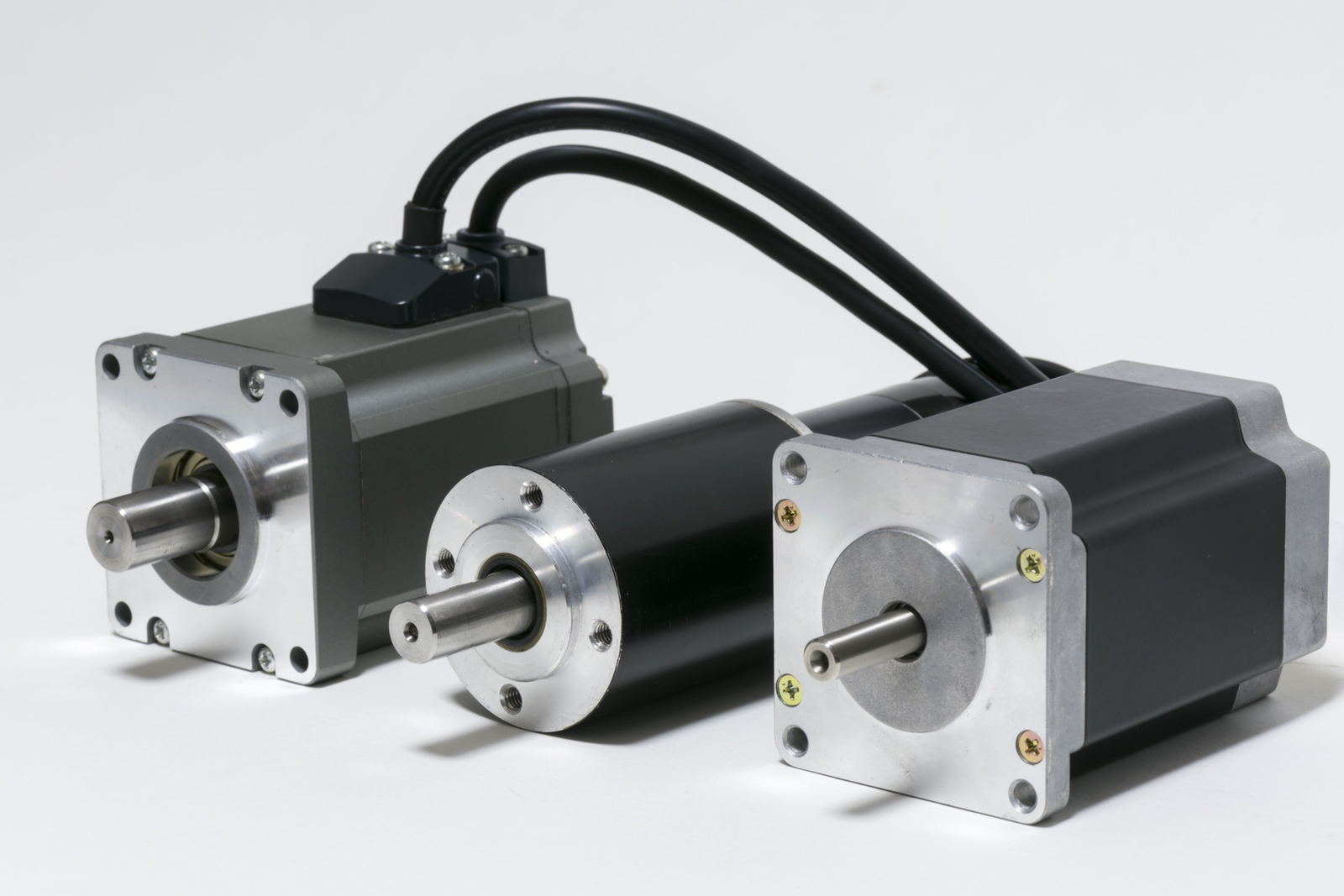
Motoren wandeln elektrische Energie in mechanische Bewegung um und beeinflussen direkt die Drehzahl, das Drehmoment, die Genauigkeit und das Ansprechverhalten eines Systems. Servomotoren, Schrittmotoren und andere Motorentechnologien können unterschiedliche Leistungsmerkmale je nach den Anforderungen der Maschine.
Rückmeldegeräte wie Encoder und Resolver messen die tatsächliche Position, Geschwindigkeit oder Bewegung und leiten diese Informationen an die Steuerung zurück. Eine zuverlässige Rückmeldung unterstützt kontinuierliche Fehlerkorrektur in Präzisions-Bewegungssteuerungssystemen mit geschlossenem Regelkreis.
Mechanische Antriebskomponenten, darunter Getriebe, Kupplungen, Riemen und Kugelumlaufspindeln, übertragen die Motorleistung auf die Maschinenlast. Die richtige Auswahl dieser Komponenten verringert das Spiel und unterstützt konstante mechanische Leistung während wiederholter Betriebszyklen.
Was sind die Vorteile der Bewegungssteuerung?
Die Bewegungssteuerungstechnik bietet zahlreiche Vorteile für Industriemaschinen, die präzise Bewegungen, wiederholbare Prozesse und eine koordinierte Automatisierung erfordern. Richtig konzipierte Systeme können folgende Aspekte verbessern: Gesamtproduktionsleistung und gleichzeitig Fehler zu reduzieren, die durch uneinheitliche mechanische Abläufe verursacht werden.
Ein wesentlicher Vorteil ist die verbesserte Positioniergenauigkeit. Präzisions-Bewegungssteuerungssysteme überwachen die Bewegungen kontinuierlich und nehmen Korrekturen vor, wodurch Maschinen wiederholbare Positionierungsergebnisse über große Produktionszyklen hinweg.
Die Bewegungssteuerung kann zudem die Produktivität steigern, indem sie eine schnellere Beschleunigung, kontrolliertes Abbremsen, synchronisierte Achsen und optimierte Bewegungsprofile ermöglicht. Diese Funktionen tragen dazu bei, die Zykluszeiten zu verkürzen und effizienter Maschinenbetrieb ohne dabei an Genauigkeit einzubüßen.
Die Reduzierung von Produktabfällen ist ein weiterer wichtiger Vorteil für die Fertigung. Eine präzise Positionierung und gleichmäßige Bewegungen können Verarbeitungsfehler, Fehlschnitte, Montageprobleme und unnötige materielle Verluste während der Produktion.
Moderne Bewegungssteuerungssysteme können Herstellern, die unterschiedliche Produkte fertigen oder mehrere Maschinenkonfigurationen betreiben, zudem mehr Flexibilität bieten. Programmierbare Bewegungsprofile ermöglichen flexible Produktionsprozesse ohne umfangreiche mechanische Änderungen.
Industriekunden sollten diese Vorteile im Hinblick auf die Anwendungsanforderungen, die Systemkomplexität und die Investitionskosten abwägen. Die Wahl der richtigen Bewegungssteuerungstechnologie trägt dazu bei, praktische Verbesserungen im Bereich der Automatisierung die die langfristigen operativen Ziele unterstützen.
Gängige industrielle Anwendungen der Präzisionsbewegungssteuerung
Präzisionsbewegungssteuerung kommt in Industrieanlagen zum Einsatz, in denen eine genaue Positionierung, wiederholbare Bewegungen und ein koordinierter Betrieb direkten Einfluss auf die Produktionsqualität haben. Hersteller vertrauen auf gesteuerte Maschinenbewegung um eine stabile Leistung über alle automatisierten Prozesse hinweg zu gewährleisten.
Roboter-Montagesysteme nutzen Bewegungssteuerung, um mehrere Achsen zu koordinieren und Aufgaben wie das Einsetzen von Bauteilen, Schweißen, Befestigen und die Handhabung von Produkten auszuführen. Eine präzise Motorsteuerung unterstützt wiederholbare Roboterbewegung während Produktionszyklen mit hohem Durchsatz.
CNC-Maschinen sind auf Bewegungssteuerungssysteme angewiesen, um die Bewegung der Schneidwerkzeuge und der Werkstücke entlang programmierter Bahnen zu steuern. Präzise Positionierung und Geschwindigkeitsregelung tragen dazu bei, gleichbleibende Bearbeitungsgenauigkeit bei der Herstellung komplexer Industriekomponenten.
Verpackungs- und Etikettieranlagen nutzen synchronisierte Bewegungen, um das Befüllen, Versiegeln und Schneiden zu steuern, Drucken, sowie Produkttransfervorgänge. Eine ordnungsgemäße Koordination zwischen den Maschinenachsen unterstützt effiziente Produktionsplanung und verringert Fehler bei höheren Betriebsgeschwindigkeiten.
Halbleiterfertigungsanlagen erfordern äußerst präzise Bewegungen für die Handhabung von Wafern, die Inspektion und die Bearbeitung von Bauteilen. Diese Anwendungen sind abhängig von hohe Positioniergenauigkeit denn schon kleine Bewegungsfehler können die Produktqualität und die Produktionsausbeute beeinträchtigen.
Auch in automatisierten Lagern und Materialflusssystemen kommt die Bewegungssteuerung bei Förderbändern, Sortieranlagen, robotergestützten Lagersystemen und fahrerlosen Transportfahrzeugen zum Einsatz. Eine zuverlässige Steuerung trägt dazu bei, koordinierter Materialtransport in komplexen Logistikprozessen.
Um die richtige Lösung für die Präzisionsbewegungssteuerung auszuwählen, muss man die Anforderungen der Anwendung hinsichtlich Belastung, Geschwindigkeit, Genauigkeit und Umgebungsbedingungen kennen. Die Abstimmung der Systemfähigkeiten auf die tatsächlichen Betriebsbedingungen trägt dazu bei, zuverlässige industrielle Leistung ohne unnötige Komplexität.
Wie wählt man die richtige Lösung für die Bewegungssteuerung aus?
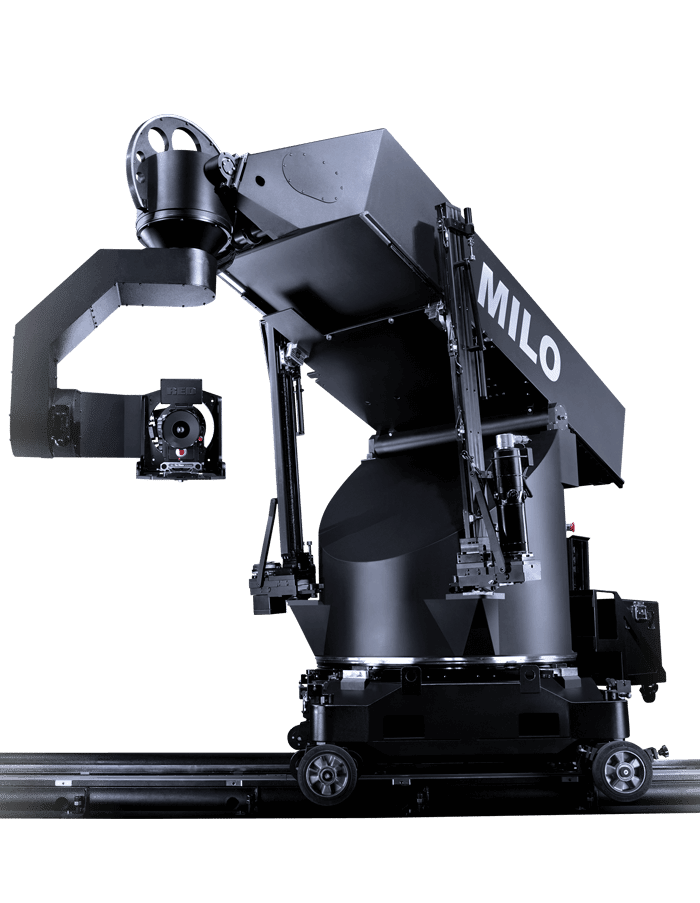
Die Auswahl der richtigen Lösung für die Bewegungssteuerung erfordert ein klares Verständnis der Bewegungsanforderungen der Maschine, der Belastungsbedingungen, der Genauigkeitsanforderungen und der Betriebsumgebung. Ingenieure sollten Folgendes definieren: tatsächliche Anwendungsanforderungen bevor man Steuerungen, Antriebe, Motoren und Rückmeldegeräte miteinander vergleicht.
Zunächst sollten die erforderliche Positioniergenauigkeit und Wiederholgenauigkeit bewertet werden, da diese Faktoren Einfluss darauf haben, welche Art von Steuerung, Motor und Rückmeldesystem benötigt wird. Anwendungen, die äußerst präzise Bewegungen erfordern, benötigen möglicherweise Hochauflösende Rückmeldegeräte sowie eine fortschrittliche Regelung.
Die Anforderungen an Geschwindigkeit, Beschleunigung und Drehmoment sollten ebenfalls über den gesamten Bewegungszyklus hinweg berechnet werden. Die Auswahl von Komponenten allein auf der Grundlage der maximalen Nennwerte kann zu einer Überdimensionierung, höheren Kosten oder ineffizienter Systembetrieb beim normalen Betrieb der Maschine.
Ingenieure sollten Komponenten auswählen, deren Schutz-, Kühlungs- und Einbauanforderungen geeignet sind, um langfristige Betriebssicherheit.
Schließlich sollten Käufer Folgendes berücksichtigen: künftige Maschinenmodifikations, technischer Support, Wartungsaufwand und Gesamtsystemkosten.
Woran erkennt man, ob ein Schuh ein Motion-Control-Modell ist?
Ein Motion-Control-Laufschuh ist für Läufer oder Walker konzipiert, die zusätzliche Unterstützung benötigen, um eine übermäßige Einwärtsbewegung des Fußes – allgemein als Überpronation bekannt – zu reduzieren. Diese Schuhe verfügen in der Regel über verbesserte Stabilitätsmerkmale die dabei helfen, die Fußbewegung beim Gehen oder Laufen zu kontrollieren.
Käufer können Motion-Control-Laufschuhe daran erkennen, dass sie über eine feste Zwischensohle, eine strukturierte Fersenstütze, eine breitere Sohlenbasis und zusätzliche Stütze an der Innenseite des Schuhs verfügen. Im Vergleich zu neutralen Laufschuhen bieten sie in der Regel bessere Bewegungssteuerung für Nutzer, die zusätzliche Stabilität benötigen.
Die Bewegungssteuerung von Schuhen unterscheidet sich jedoch von der industriellen Präzisionsbewegungssteuerung. Der Begriff bezieht sich auf die Steuerung von Fußbewegungen und nicht auf die Steuerung von Motoren, Antrieben und automatisierten Maschinen durch industrielle Steuerungssysteme.
Holen Sie sich kompetente Unterstützung bei Präzisionsantriebslösungen – wenden Sie sich an DMKE
Präzisionsbewegungssteuerung wird eingesetzt, um Position, Geschwindigkeit, Drehmoment und koordinierte Bewegungen in Industrieanlagen zu steuern. Die Auswahl der richtigen Komponenten und der richtigen Steuerungsarchitektur hilft Herstellern dabei, präzise Maschinenleistung und gleichzeitig die Produktivität und die Systemzuverlässigkeit zu verbessern.
Von der Robotik über CNC-Maschinen bis hin zu Verpackungsanlagen und der Halbleiterfertigung – die Bewegungssteuerung unterstützt die Automatisierung in zahlreichen Branchen. Für die richtige Systemauswahl müssen Belastung, Genauigkeit, Geschwindigkeit, Rückmeldung und Betriebsbedingungen für zuverlässiger Langzeitbetrieb.
DMKE unterstützt industrielle Anwender mit Motorlösungen, Anpassungsmöglichkeiten, Qualität Testen, sowie technische Anleitungen für Anwendungen im Bereich der Bewegungssteuerung. Besuchen Sie unsere Website oder Kontaktieren Sie uns noch heute um Ihre Anforderungen zu besprechen und Möglichkeiten auszuloten geeignete Motorlösungen für präzise Industriesysteme.

 English
  English (Australia)
  English (Canada)
  Deutsch
  English (UK)
  Français