
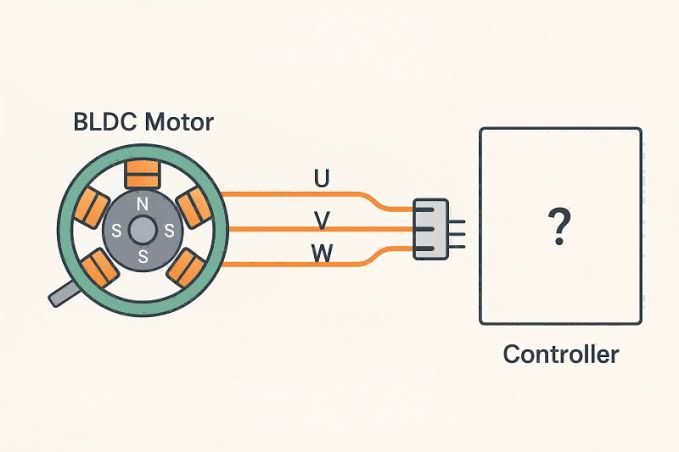
Modern industrial automation depends on precise motion control, consistent performance, and efficient energy usage. From robotics and CNC systems to automated production equipment, every application requires motors that can respond accurately under changing operating conditions. However, achieving this level of performance depends not only on the motor itself but also on how effectively the Brushless DC motor controller manages power delivery and movement.
Many performance issues in BLDC servo systems come from improper controller configuration rather than motor limitations. Incorrect current settings, poor feedback calibration, unstable control parameters, or inefficient tuning can result in excessive heat generation, energy losses, vibration, and reduced operating life. For manufacturers, these problems directly affect machine reliability and productivity in demanding industrial environments.
A properly optimised controller improves communication between the motor, sensors, and control system. By adjusting important factors such as torque response, speed regulation, acceleration profiles, and feedback accuracy, engineers can achieve smoother operation while reducing unnecessary power consumption. This makes controller optimisation an important step for improving both performance and long-term efficiency.
This guide explains how to optimise a Brushless DC motor controller for maximum servo efficiency by covering key parameters, advanced tuning methods, common mistakes, and selection factors. Whether upgrading an existing automation system or designing a new solution, understanding controller optimisation helps achieve stable servo performance across different industrial applications.
Understanding the Role of a Brushless DC Motor Controller
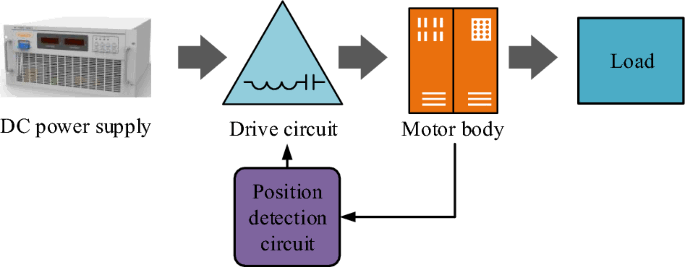
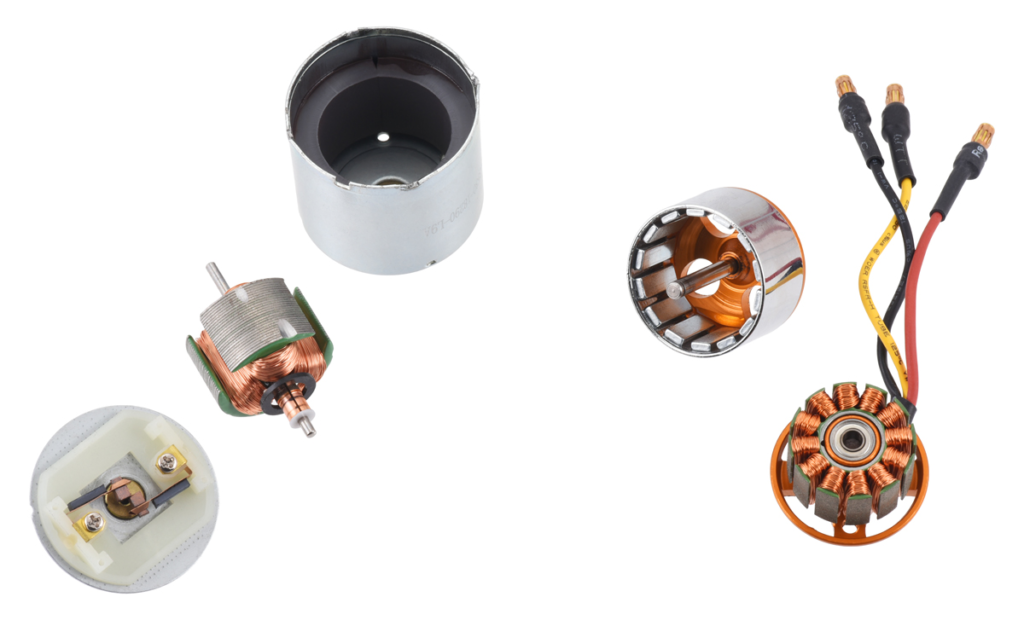
A Brushless DC motor controller is responsible for managing how electrical energy is delivered to the motor to create controlled motion. Unlike traditional brushed motors, BLDC motors depend on electronic control systems to regulate switching, speed, and torque output. The controller ensures that the motor receives the right amount of power at the right time for accurate motion performance.
In servo applications, the controller does more than simply start or stop the motor. It continuously processes feedback from sensors and adjusts motor operation based on real-time requirements. This allows the system to maintain precise positioning, smooth acceleration, and stable speed even when load conditions change.
The controller works by controlling the current flow through the motor windings using electronic switching. With proper configuration, it can improve power conversion efficiency by reducing unnecessary energy loss and preventing excessive current usage during operation.
A well-matched brushless DC motor controller also protects the motor from operating outside safe limits. Features such as current protection, temperature monitoring, and voltage regulation help prevent damage caused by overload conditions. These protections are especially important in industrial systems where motors often run continuously.
For servo systems, controller optimisation directly influences response time, accuracy, and overall machine performance. A properly tuned controller allows the motor to deliver the required torque and speed while maintaining consistent control stability across different operating conditions.
How Brushless DC Motor Controllers Improve Servo Efficiency
A Brushless DC motor controller plays a major role in improving servo efficiency by ensuring that the motor receives only the required amount of power for each operating condition. Instead of running at a fixed output, the controller continuously adjusts voltage, current, and switching patterns to achieve efficient energy management during operation.
One of the biggest advantages of an optimised controller is precise current control. Excessive current increases heat generation and wastes energy, while insufficient current reduces motor performance. A properly configured controller maintains the correct current level to provide the required torque without creating unnecessary losses.
Accurate speed regulation is another important factor in servo performance. A Brushless DC motor controller monitors motor feedback and adjusts output instantly to maintain the desired speed, even when the load changes. This helps achieve stable speed control in applications requiring consistent movement and repeatable accuracy.
Controllers also improve torque response by adjusting power delivery according to real-time demand. In automated systems where loads frequently change, this ensures smooth acceleration, controlled movement, and reduced mechanical stress on connected components.
Thermal management is another area where controllers support efficiency. By preventing excessive current flow and monitoring operating conditions, they reduce overheating risks and help maintain long-term motor reliability. Lower operating temperatures also contribute to longer component life and reduced maintenance requirements.
For industrial servo applications, the combination of accurate control, reduced energy waste, and improved response makes controller optimisation essential. A properly tuned system delivers better productivity while maintaining reliable performance in demanding environments.
Key Parameters to Optimise in a Brushless DC Motor Controller
Optimising a Brushless DC motor controller requires careful adjustment of multiple parameters that directly affect speed, torque, accuracy, and efficiency. Every industrial application has different operating requirements, so controller settings must be matched with the actual load conditions instead of relying only on default configurations. proper controller tuning
Current and Voltage Settings
The current and voltage configuration determines how much power is supplied to the motor during operation. If the current limit is too high, the motor may generate unnecessary heat, while low current settings can prevent the motor from reaching its required torque output.
The goal is to find the right balance where the motor receives enough power for performance without wasting energy. Proper adjustment supports efficient power delivery and reduces stress on internal components.
Speed Control Configuration
Speed settings influence how smoothly the motor responds during different operating conditions. Poor speed configuration can cause instability, vibration, or inconsistent performance, especially in servo applications requiring precise movement.
An optimized Brushless DC motor controller maintains a stable speed by adjusting output according to feedback signals. This ensures accurate speed regulation even when external loads change during operation.
Torque Control Adjustment
Torque control allows the motor to respond correctly to changing load demands. Incorrect torque settings can cause delayed response, excessive power consumption, or unnecessary mechanical strain on the system.
Proper torque optimisation ensures that the motor provides the required force without exceeding operational needs. This improves servo response efficiency while maintaining smoother machine performance.
PID Tuning
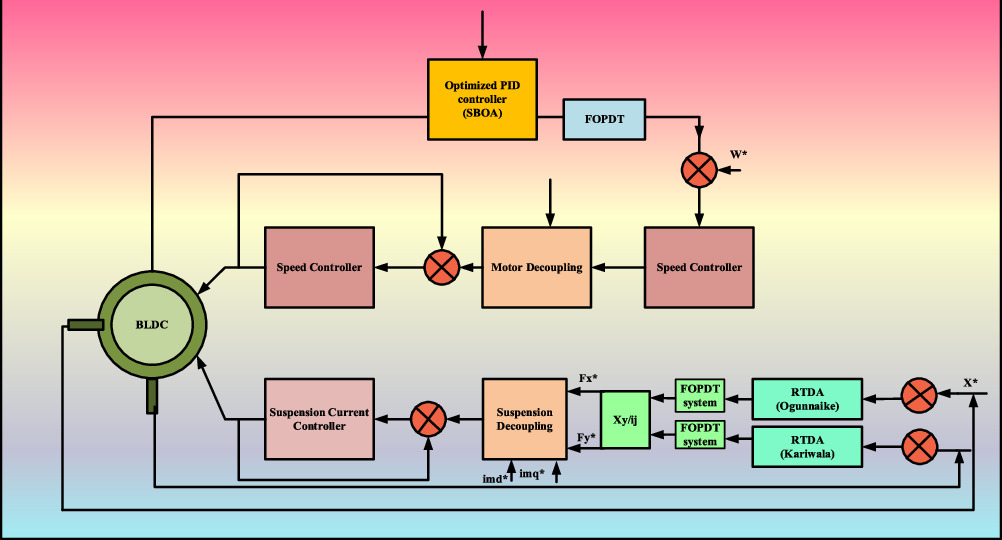
PID tuning controls how quickly and accurately the motor responds to commands. The proportional, integral, and derivative values must be carefully adjusted to achieve the right balance between speed, accuracy, and stability.
Poor tuning can result in overshooting, vibration, or slow response times. A correctly tuned controller provides stable motion control and improves overall servo system performance.
Feedback Sensor Calibration
Feedback sensors such as encoders and Hall sensors provide important position and speed information to the controller. Incorrect calibration can lead to inaccurate movement and reduced system reliability.
Regular sensor calibration helps the Brushless DC motor controller make precise adjustments based on real operating conditions. This ensures reliable feedback accuracy for demanding automation applications.
Advanced Optimisation Techniques for Maximum Servo Performance
After basic configuration, advanced optimisation focuses on improving how the motor, controller, and complete system work together. These techniques help achieve smoother operation, better accuracy, and higher servo efficiency in demanding industrial applications where standard settings may not deliver the required performance.
Improve Motor Controller Communication
Efficient communication between the controller and other system components is essential for accurate motion control. Delays or signal errors can affect response time, positioning accuracy, and overall machine performance.
Using reliable communication protocols and ensuring proper signal transmission allows the Brushless DC motor controller to process commands quickly. This supports real-time adjustments and maintains stable operation during changing load conditions.
Optimize Acceleration and Deceleration Profiles
Sudden acceleration or stopping can create unnecessary stress on both the motor and mechanical components. Poor motion profiles often increase vibration, energy consumption, and wear over time.
Adjusting acceleration and deceleration settings creates smoother transitions between operating speeds. This improves controlled motion performance while reducing mechanical impact during repeated movements.
Reduce Electrical and Mechanical Losses
Energy losses can occur due to inefficient wiring, improper controller settings, friction, or unnecessary load on the system. Identifying these losses is important for achieving maximum efficiency.
Optimising electrical connections, reducing resistance, and maintaining mechanical components allow the system to operate with minimal energy waste and better overall performance.
Monitor Temperature and Operating Conditions
Continuous monitoring helps detect performance changes before they develop into serious problems. Temperature, vibration, and load tracking provide valuable information about motor health.
Modern controller systems use monitoring features to support preventive maintenance strategies and maintain reliable operation in industrial environments. This reduces unexpected failures and improves long-term equipment lifespan.
Common Brushless DC Motor Controller Optimisation Mistakes
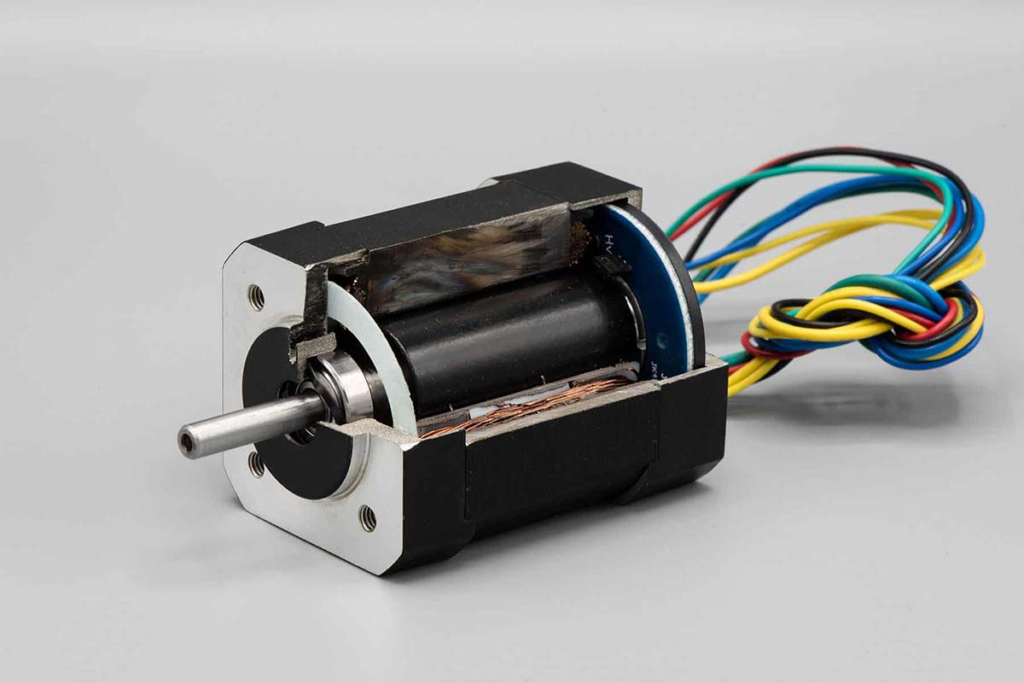
Even with advanced motor technology, incorrect controller setup can limit performance and reduce overall system efficiency. Many problems in BLDC servo systems are not caused by the motor itself but by improper configuration, poor matching, or ignored operating requirements. Avoiding these mistakes helps achieve reliable motor performance in industrial applications.
One common mistake is using default controller settings without considering the actual application requirements. Every system has different speed, torque, and load conditions, so factory settings may not provide the best performance. Proper adjustment is necessary to achieve optimised controller operation based on real working conditions.
Another issue is selecting a controller that does not properly match the motor specifications. Incorrect voltage ratings, current capacity, or communication compatibility can cause unstable operation, overheating, and reduced efficiency. Matching the Brushless DC motor controller with the motor ensures stable system integration and better long-term reliability.
Over-tuning the servo response is also a frequent problem. While a faster response may seem beneficial, aggressive tuning can create vibration, overshooting, and unnecessary mechanical stress. A balanced setup focuses on achieving smooth motion control instead of maximum response speed alone.
Many users also ignore the feedback system calibration after installation. Sensors such as encoders and Hall sensors must provide accurate information for the controller to make correct adjustments. Poor feedback accuracy affects positioning, speed control, and overall servo performance.
Finally, overlooking thermal limits can reduce motor and controller lifespan. Heat buildup from excessive current, poor ventilation, or continuous overload conditions can damage components over time. Monitoring temperature and operating conditions supports long-term system reliability in demanding environments.
Choosing the Right Brushless DC Motor Controller for Industrial Applications
Choosing the right Brushless DC motor controller is essential for achieving reliable operation, efficient performance, and accurate motion control. The ideal controller should not only match the motor specifications but also support the specific requirements of the application, environment, and operating cycle. industrial application needs
The first factor to consider is power compatibility. The controller must provide suitable voltage and current capacity according to the motor’s requirements. An undersized controller can limit output, while an oversized or poorly configured controller may reduce efficiency and increase unnecessary system costs.
The control method is another important consideration. Different applications may require speed control, torque control, or precise positioning depending on the machine function. Selecting a controller with the correct motion control capability ensures better response and stable operation.
Feedback compatibility should also be evaluated before selection. Servo applications usually depend on encoders, Hall sensors, or other feedback devices to maintain accuracy. A compatible Brushless DC motor controller can process these signals effectively and provide accurate position control during operation.
Protection features are especially important in industrial environments where motors operate under continuous loads. Functions such as overcurrent protection, temperature monitoring, and fault detection help prevent damage and maintain reliable performance.
Customisation capability should also be considered for specialised applications. Industries often require different communication options, operating settings, or mechanical integration needs. A controller designed with flexible configuration options allows better adaptation to unique system requirements and future upgrades.
Future Trends in Brushless DC Motor Controller Technology
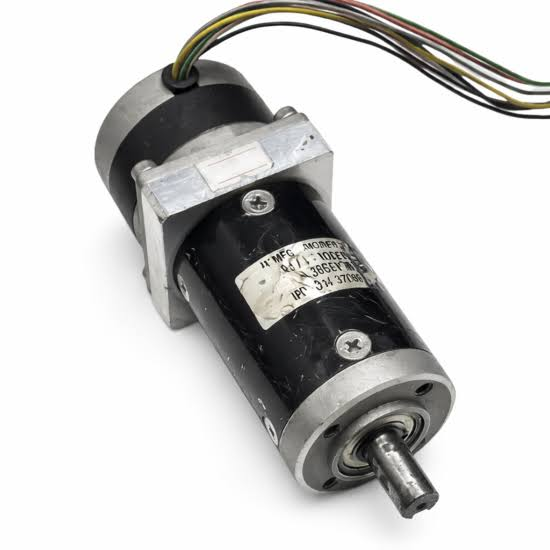
Brushless DC motor controller technology continues to advance as industries demand smarter, more efficient, and more adaptable motion systems. Future developments are focused on improving automation performance while reducing energy consumption and maintenance requirements through intelligent control solutions.
One major trend is the development of smart controllers with advanced monitoring capabilities. These controllers collect real-time data on motor temperature, speed, vibration, and load conditions, allowing operators to identify potential issues before failures occur and improve overall system reliability.
AI-assisted tuning is also becoming more common in modern control systems. Instead of relying completely on manual parameter adjustments, intelligent algorithms can analyse operating conditions and recommend optimised settings. This helps achieve faster system optimisation while reducing setup complexity.
Integrated motor controller designs are another growing direction. Combining motors, drives, and control electronics into compact units reduces wiring requirements, simplifies installation, and improves reliability in space-limited industrial equipment.
Higher efficiency control algorithms are also improving how controllers manage energy usage. Advanced control strategies allow the motor to deliver the required performance with reduced power losses, supporting more sustainable and cost-effective operations.
As Industry 4.0 adoption increases, Brushless DC motor controllers are becoming more connected through digital communication systems. This enables remote monitoring, predictive maintenance, and better integration with automated manufacturing platforms.
Get the Right Motor Solutions With Expert Support – Connect With DMKE
Optimising a Brushless DC motor controller is essential for achieving higher efficiency, better precision, and long-term reliability in modern servo applications. Proper adjustment of current, speed, torque, and feedback settings allows the motor system to deliver consistent motion performance while reducing unnecessary energy consumption and operational stress.
For industrial applications, controller optimisation is not a one-time process but an important part of maintaining system efficiency. Understanding controller parameters, avoiding common configuration mistakes, and selecting the right solution help manufacturers achieve stable servo operation across different working conditions.
DMKE focuses on providing high-quality motor solutions designed for demanding automation requirements. With expertise in BLDC technology, customisation capabilities, engineering support, and reliable testing processes, DMKE helps customers find optimised motor solutions that match their specific application needs.
For businesses looking to improve motor performance, efficiency, or system integration, DMKE offers professional guidance and tailored solutions to support reliable operation in modern industrial environments.
Visit our website or contact us today to ensure a solution aligned with your operational needs.

 English
  English (Australia)
  English (Canada)
  Deutsch
  English (UK)
  Français