
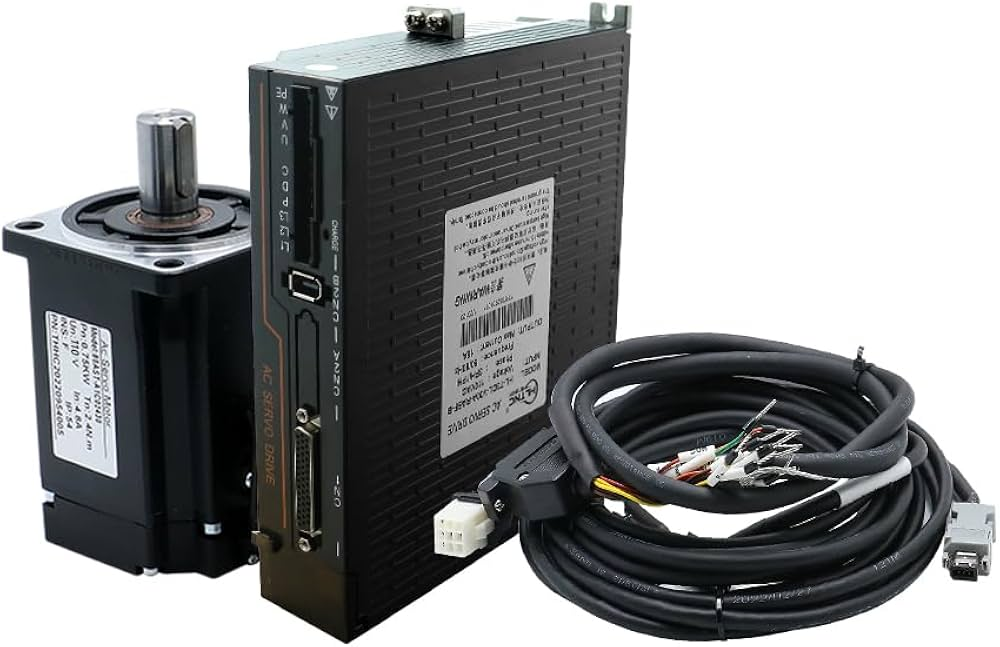
Modern industrial automation relies on equipment that can move with speed, accuracy, and consistency. Whether controlling robotic arms, CNC machines, packaging systems, or automated production lines, precise movement is essential for maintaining productivity and product quality. This is why an electric motor servo has become a key component in many advanced motion control systems.
Unlike standard motors that simply rotate when power is applied, servo motors are designed to control position, speed, and torque with a high degree of accuracy. They operate as part of a closed-loop system that continuously monitors performance and makes adjustments whenever operating conditions change, ensuring precise motion control throughout the production process.
The need for servo motors continues to grow as manufacturers adopt smarter automation technologies and demand faster cycle times with fewer errors. Selecting the right servo motor requires evaluating factors such as load characteristics, positioning accuracy, operating environment, response time, and duty cycle to achieve reliable machine performance over the long term.
Servo motors are used across industries ranging from robotics and semiconductor manufacturing to medical equipment, packaging, textile production, and material handling. Each application places different demands on the motion system, making it important to match the motor’s capabilities with specific application requirements rather than choosing based solely on power or speed.
This guide explains the main purpose of an electric motor servo, why industries depend on servo technology, where these motors are commonly used, how long they last, and what factors should be considered when selecting the right solution. It also compares servo motors with clutch motors and provides practical engineering guidance for industrial buyers and technical decision makers.
What Is the Main Purpose of an Electric Motor Servo?
The main purpose of an electric motor servo is to provide accurate control over position, speed, and torque during machine operation. Unlike standard motors that simply rotate at a controlled speed, servo systems continuously monitor movement and make real-time motion adjustments to achieve precise and repeatable performance.
An electric motor servo operates as part of a closed-loop control system that includes a motor, servo drive, controller, and feedback device. These components work together to compare the commanded movement with the actual motor position, ensuring accurate positioning control even when loads or operating conditions change.
Servo motors are especially valuable in applications where precision directly affects product quality or production efficiency. Robotic systems, CNC machines, packaging equipment, and automated assembly lines depend on consistent movement accuracy to perform repetitive tasks with minimal error.
Industrial buyers should evaluate application requirements such as torque, speed, response time, positioning accuracy, and duty cycle before selecting a servo system. Matching these requirements to the motor’s capabilities helps achieve reliable automation performance while avoiding unnecessary complexity or cost.
Why Do We Need a Servo Motor?
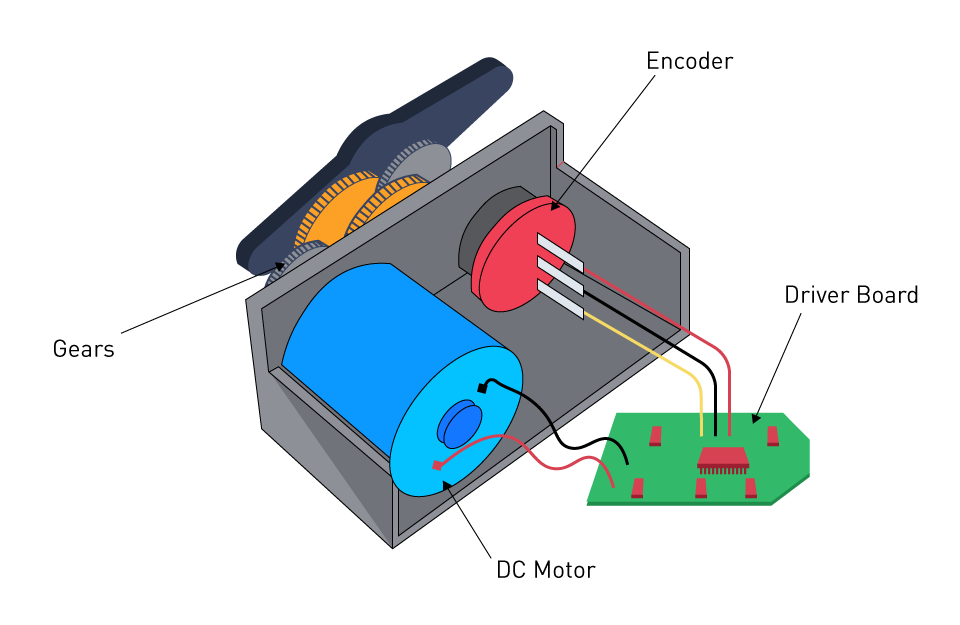
Servo motors are needed when industrial equipment requires controlled movement that cannot be achieved with a standard motor alone. Applications involving positioning, synchronisation, rapid acceleration, or variable loads rely on high-precision motion control to maintain stable and repeatable operation.
In automated manufacturing, even small positioning errors can affect product quality, increase material waste, or reduce production efficiency. Servo systems continuously monitor motor performance and correct movement, providing consistent operational accuracy throughout each production cycle.
Servo motors also improve machine flexibility by allowing manufacturers to program different movement profiles without changing mechanical components. This capability supports adaptable production processes for equipment that handles multiple products or operating conditions.
As industrial automation becomes more advanced, the demand for accurate and responsive motion systems continues to increase. Choosing the right electric motor servo helps manufacturers improve productivity, reduce downtime, and achieve long-term equipment reliability across a wide range of applications.
What Can a Servo Be Used For?
Servo motors are used in applications that require accurate positioning, controlled speed, and repeatable movement. An electric motor servo is commonly selected for equipment where precision directly affects productivity, product quality, and overall machine performance.
In industrial automation, servo motors are widely used in robotic arms, CNC machines, packaging equipment, printing systems, and automated assembly lines. These machines rely on precise movement control to perform repetitive tasks with consistent accuracy and minimal variation.
Servo systems are also used in semiconductor manufacturing, medical devices, textile machinery, material handling equipment, and laboratory automation. Their ability to provide accurate positioning performance makes them suitable for processes where even small movement errors can affect the final result.
Many modern production facilities use servo motors to synchronise multiple machine axes, improve cycle times, and reduce product waste. Selecting the right servo system helps achieve efficient manufacturing processes while maintaining reliable operation under varying production conditions.
How Does an Electric Motor Servo Achieve Precise Motion?
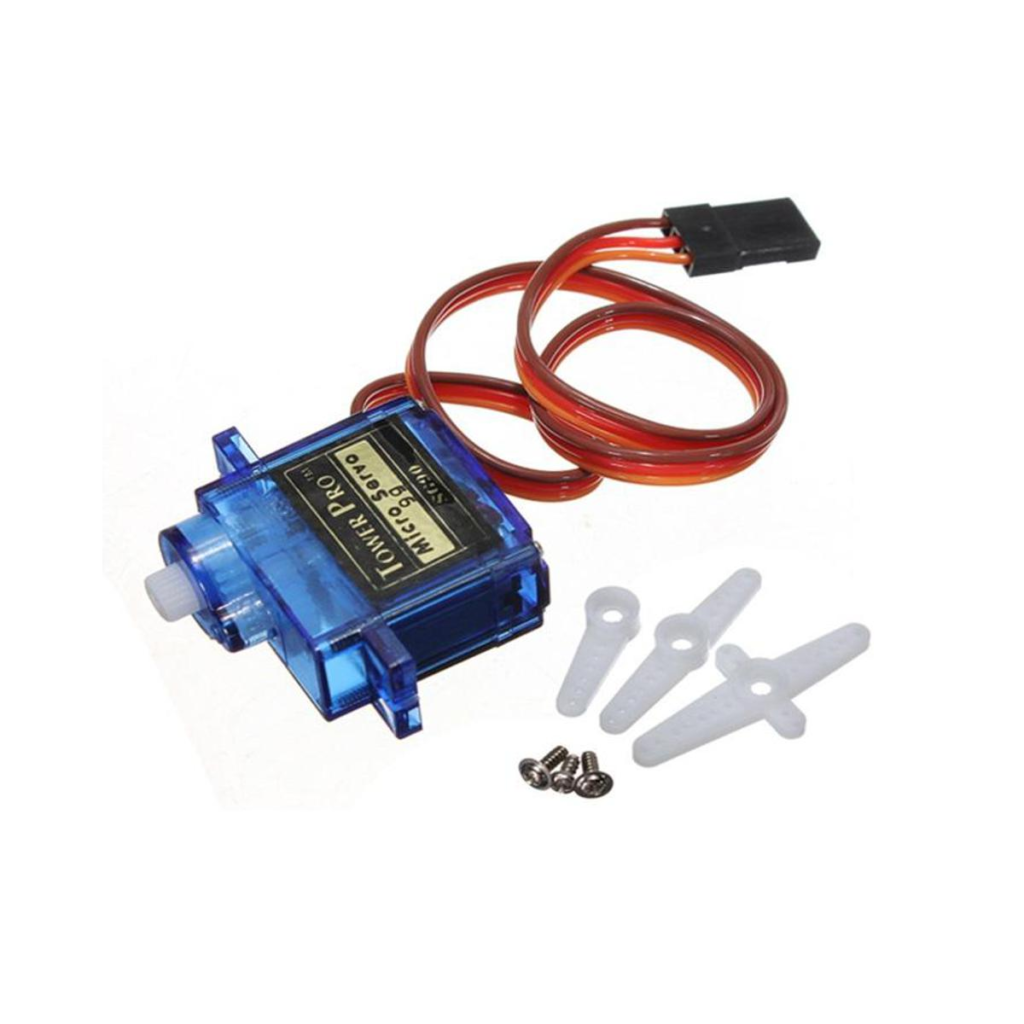
An electric motor servo achieves precise motion by operating within a closed-loop control system that continuously monitors and adjusts motor performance. This system combines a servo motor, drive, controller, and feedback device to deliver accurate motion control throughout the operating cycle.
The controller sends commands for the required position, speed, or torque, while the servo drive regulates the electrical power supplied to the motor. This coordinated operation provides controlled motor movement based on the machine’s programmed requirements.
Feedback devices such as encoders continuously measure the motor’s actual position and speed. The controller compares this information with the desired movement and makes continuous performance corrections whenever differences are detected.
This closed-loop process enables the servo system to maintain high accuracy even when loads, speeds, or operating conditions change. As a result, an electric motor servo can deliver reliable positioning accuracy in demanding industrial automation applications.
Key Advantages of Using Servo Motors
Servo motors provide several advantages for industrial automation systems that require accurate, reliable, and repeatable movement. Their ability to continuously adjust motor performance makes an electric motor servo suitable for applications where precision directly affects production quality.
One of the main advantages is accurate position, speed, and torque control. Closed-loop feedback allows servo systems to maintain consistent motion accuracy even when operating conditions or load requirements change during production.
Servo motors also deliver fast acceleration, quick deceleration, and excellent response to control commands. These characteristics improve dynamic machine performance in robotics, CNC equipment, packaging machinery, and automated assembly systems.
Another benefit is improved productivity through reduced positioning errors and better synchronisation between multiple machine axes. Accurate movement helps manufacturers achieve higher production efficiency while minimising material waste and product defects.
Although servo systems require greater initial investment than standard motor systems, their precision, flexibility, and long-term reliability often justify the cost in demanding industrial applications. Selecting the correct servo solution supports long-term operational value across automated manufacturing environments.
What Is the Lifespan of a Servo Motor?
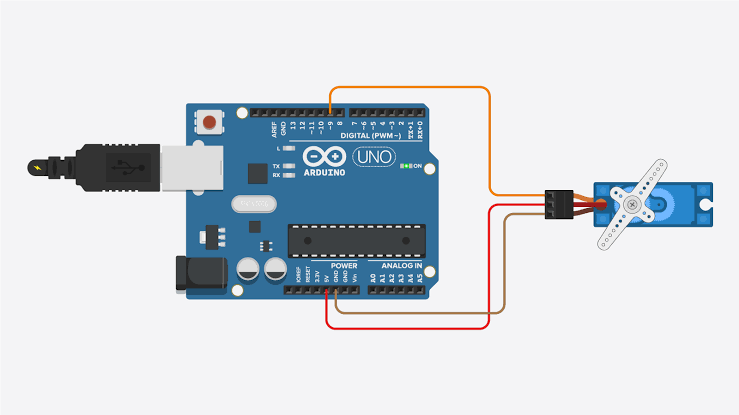
The lifespan of a servo motor depends on operating conditions, load requirements, maintenance practices, and overall system design. Under normal industrial conditions, an electric motor servo can operate for many years reliably when correctly sized and maintained.
Factors such as excessive heat, overload conditions, contamination, vibration, and improper installation can reduce motor life. Operating the servo system within its rated specifications helps maintain stable long-term performance and reduces unnecessary component wear.
Bearings are often the components that determine the service life of a servo motor because they experience continuous mechanical movement. Proper lubrication, alignment, and operating conditions support extended bearing lifespan and improve overall system reliability.
Regular inspection of the motor, servo drive, encoder, and electrical connections helps identify potential problems before they lead to unexpected failures. Preventive maintenance allows manufacturers to achieve maximum equipment availability while reducing downtime and repair costs.
Which Is Better, a Clutch Motor or a Servo Motor?
Whether a clutch motor or a servo motor is better depends on the application, performance requirements, and operating environment. There is no single solution that fits every machine, so engineers should compare application-specific requirements before making a decision.
Clutch motors are commonly used in equipment that operates at a constant speed and does not require frequent changes in position or torque. Their simple construction makes them suitable for applications where continuous motor operation is sufficient and precise motion control is not necessary.
An electric motor servo is better suited for machines requiring accurate positioning, variable speed, rapid acceleration, and precise torque control. Its closed-loop feedback system continuously adjusts motor performance to maintain high motion accuracy during changing operating conditions.
Servo motors are also generally more energy-efficient because they consume power according to the machine’s actual workload rather than running continuously at full speed. This can result in reduced energy consumption and lower operating costs over time.
| Feature | Clutch Motor | Servo Motor |
| Speed Control | Limited | Precise and adjustable |
| Position Control | Not available | High accuracy |
| Energy Efficiency | Lower | Higher |
| Noise Level | Higher | Lower |
| Typical Applications | Sewing machines, basic machinery | Robotics, CNC, automation |
Industrial buyers should evaluate accuracy requirements, production volume, energy efficiency, maintenance expectations, and system flexibility before selecting a motor. Matching the technology to the application helps achieve reliable machine performance and long-term operational value.
Common Industrial Applications of Electric Motor Servo Systems
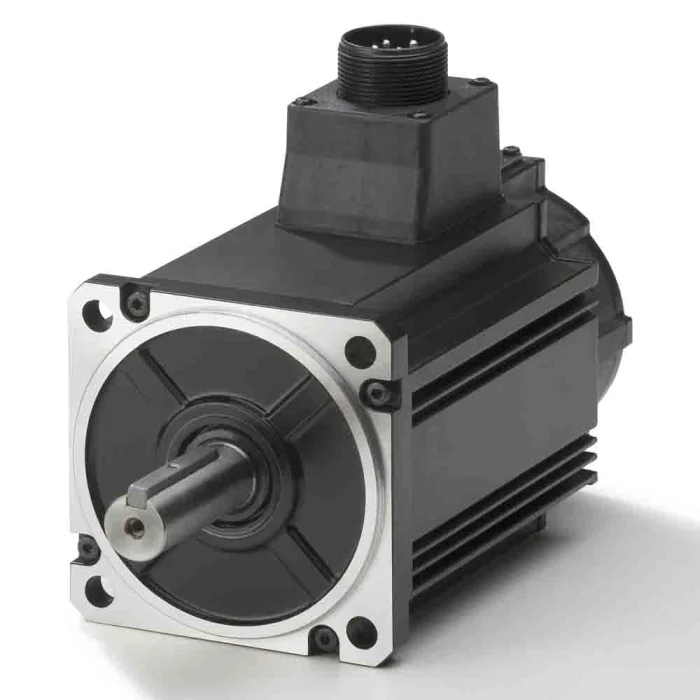
Electric motor servo systems are used in industries where accurate positioning, synchronised movement, and rapid response are essential for efficient production. Their ability to deliver repeatable motion accuracy makes them valuable across a wide range of automated manufacturing processes.
Robotics and automated assembly lines use servo motors to control robotic arms, pick-and-place systems, and material handling equipment. These applications require precise movement coordination to perform repetitive tasks consistently and maintain production quality.
CNC machines rely on servo systems to position cutting tools and workpieces with high accuracy. Smooth speed regulation and controlled acceleration help achieve consistent machining results while reducing production errors.
Packaging, printing, textile machinery, semiconductor manufacturing, and medical equipment also depend on servo technology for filling, sealing, inspection, labelling, and precision manufacturing processes. These industries require reliable positioning performance to maintain product quality and operational efficiency.
Industrial buyers should evaluate application requirements such as load capacity, speed, positioning accuracy, and duty cycle before selecting an electric motor servo. Matching the motor to the intended application supports long-term system reliability and efficient machine operation.
How to Choose the Right Electric Motor Servo
Choosing the right electric motor servo begins with understanding the machine’s motion requirements. Engineers should define application performance needs by evaluating positioning accuracy, speed, torque, acceleration, and operating conditions before comparing motor options.
The motor should provide sufficient continuous and peak torque to handle the required load without excessive heating or unnecessary oversizing. Correct sizing supports stable machine operation throughout the production cycle.
Buyers should also consider controller compatibility, feedback devices, communication protocols, and available power supply. Selecting compatible system components ensures efficient motion control and simplifies installation and commissioning.
Environmental conditions such as dust, vibration, humidity, and operating temperature should also influence motor selection. Choosing a servo system designed for the intended working environment improves long-term equipment durability and reduces maintenance requirements.
Finally, engineers should compare lifecycle costs rather than focusing only on the initial purchase price. Evaluating energy efficiency, maintenance needs, reliability, and future expansion helps achieve well-informed purchasing decisions for industrial automation systems.
Common Selection Mistakes to Avoid
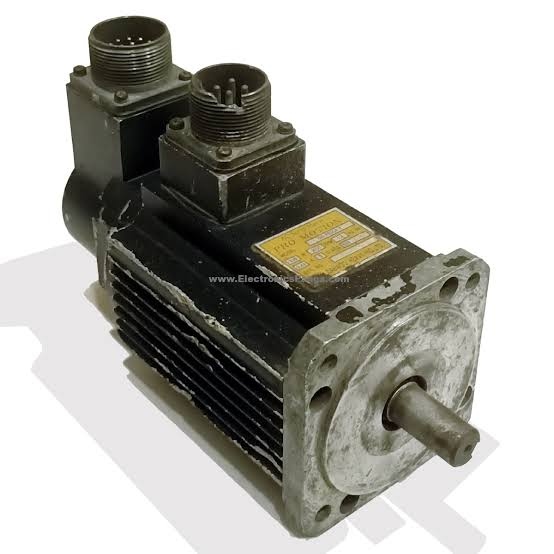
Selecting an electric motor servo without fully understanding the application’s requirements can lead to reduced performance, higher operating costs, and unnecessary equipment upgrades. Engineers should evaluate complete system requirements before making a purchasing decision.
One common mistake is choosing a servo motor based only on its power rating. Factors such as torque, speed, duty cycle, inertia, and positioning accuracy should also be considered to achieve proper motor sizing for the application.
Another mistake is overlooking compatibility between the servo motor, drive, controller, and feedback device. A mismatch between these components can result in unstable system performance, communication errors, or reduced positioning accuracy.
Some buyers also overspecify servo systems for applications that only require basic speed control. Selecting advanced motion control where it is not needed increases costs and adds unnecessary system complexity without improving overall machine performance.
Finally, failing to consider maintenance requirements, operating environment, and future expansion can reduce long-term reliability. A complete evaluation of technical and operational needs helps manufacturers make practical engineering decisions and achieve dependable automation performance.
Choosing the Right Servo Motor for Your Application
The main purpose of an electric motor servo is to provide accurate, repeatable, and reliable motion control for modern industrial equipment. Selecting the right servo system depends on understanding the application’s accuracy, speed, torque, and operating requirements to achieve optimal machine performance.
Servo motors offer significant advantages in robotics, CNC machining, packaging, medical equipment, and automated manufacturing where precise positioning and dynamic response are essential. Matching the motor to the application’s actual needs helps deliver efficient production results while avoiding unnecessary system complexity.
Before making a final decision, buyers should evaluate load characteristics, controller compatibility, duty cycle, environmental conditions, and long-term maintenance expectations. Considering the complete motion system supports reliable operational efficiency throughout the equipment’s service life.
DMKE provides high-quality servo motor solutions with engineering support, customisation capabilities, and rigorous testing for industrial automation applications.
Visit our website or contact us today to explore application-specific servo solutions designed to meet your motion control requirements.

 English
  English (Australia)
  English (Canada)
  Deutsch
  English (UK)
  Français