
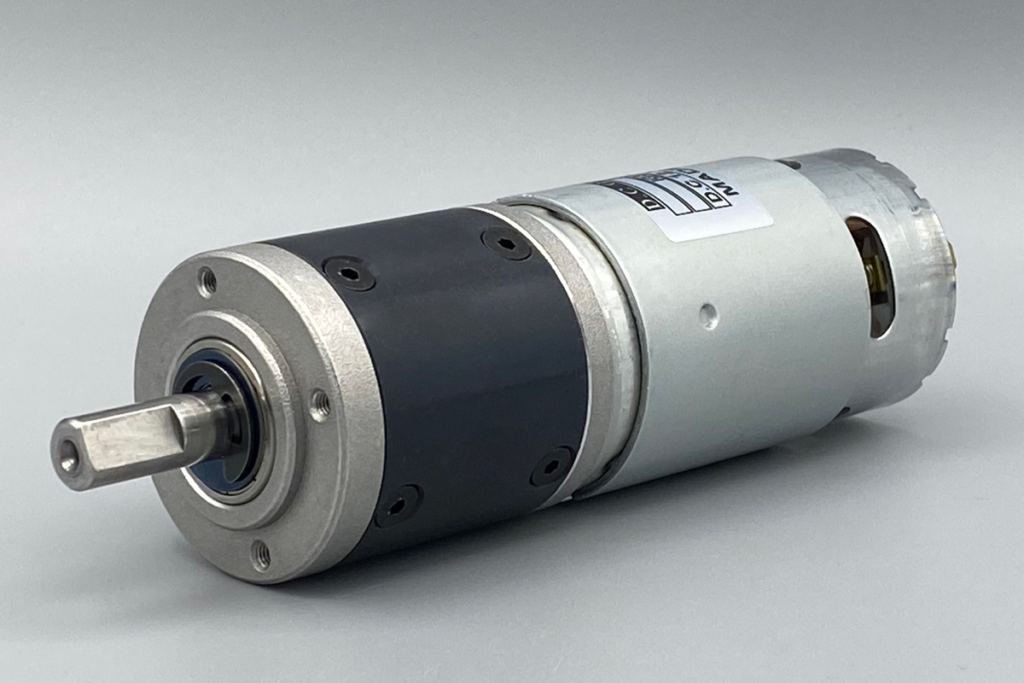
Industrial machines require motors that can handle demanding workloads without performance issues, overheating, or frequent downtime. From automation systems and conveyors to robotics and heavy equipment, choosing the right motor directly affects machine operating performance and long-term reliability. A motor with insufficient torque may struggle during startup, fail under heavy loads, or reduce overall production efficiency.
A high-torque motor is designed to deliver greater rotational force for applications where strength, precision, and consistent output are required. However, selecting the right option is not only about choosing the motor with the highest torque rating. Buyers must consider application load requirements, operating speed, voltage, current demand, control method, and environmental conditions before making a decision.
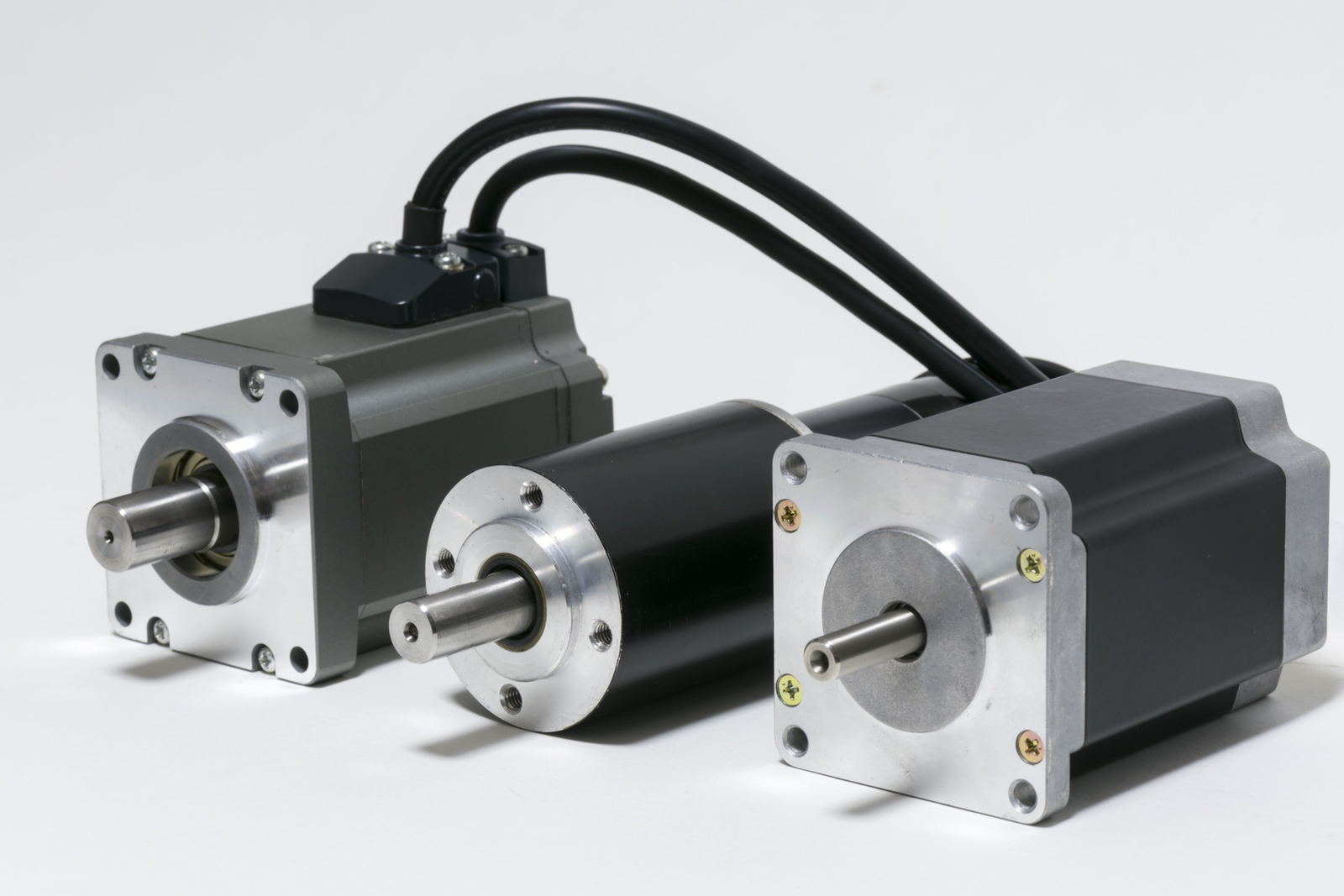
Different motor technologies provide different torque capabilities. DC motors, brushless DC motors, servo motors, stepper motors, and gear motors each offer specific advantages depending on the industrial application. For example, some motors are preferred for precise positioning, while others are selected for continuous high-load operation and durability.
Understanding what creates torque, how current affects motor output, and how voltage selection influences performance helps engineers and manufacturers avoid costly selection mistakes. The correct motor improves system design efficiency while supporting smoother operation in demanding environments.
This guide explains which motor is best for high torque, the factors that influence torque generation, and how different motor types compare. It also covers common questions about voltage, current, and engine torque comparisons to provide practical guidance. DMKE supports industrial users with reliable motor solutions, customization options, and engineering assistance for selecting motors based on real application needs.
What Is a High Torque Motor?
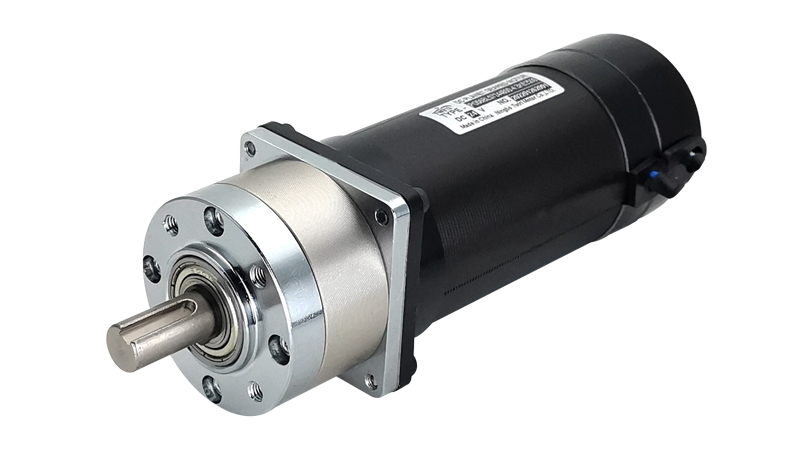
A high-torque motor is a motor designed to produce greater rotational force for applications that require strong movement, heavy-load handling, or controlled motion. Unlike standard motors that mainly focus on speed, these motors prioritize higher turning force to move demanding mechanical systems efficiently.
Torque determines how effectively a motor can start, accelerate, or maintain movement when resistance is applied. Industrial equipment such as conveyors, automated machines, lifting systems, and robotics often require motors that can provide stable torque output without losing performance under changing loads.
Several factors influence the torque capability of a motor, including motor design, winding configuration, magnetic strength, current supply, and gear reduction. A motor with optimized internal components can deliver improved load capacity while maintaining reliable operation in continuous working environments.
Choosing the right high-torque motor depends on the application requirements rather than selecting the largest motor available. Engineers must consider speed range, duty cycle, installation space, control requirements, and operating conditions to ensure long-term motor reliability in industrial systems.
Which Motor Has the Highest Torque?
The motor with the highest torque depends on the application, design requirements, and operating conditions. In industrial systems, servo motors, gear motors, and large DC motors are commonly selected when applications require maximum torque performance at low speeds or during startup conditions.
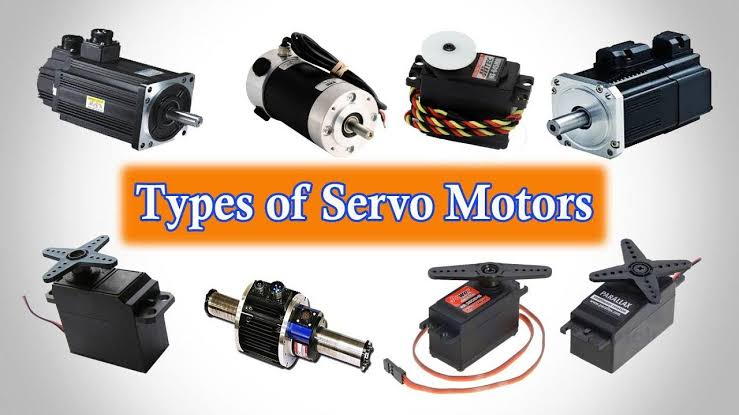
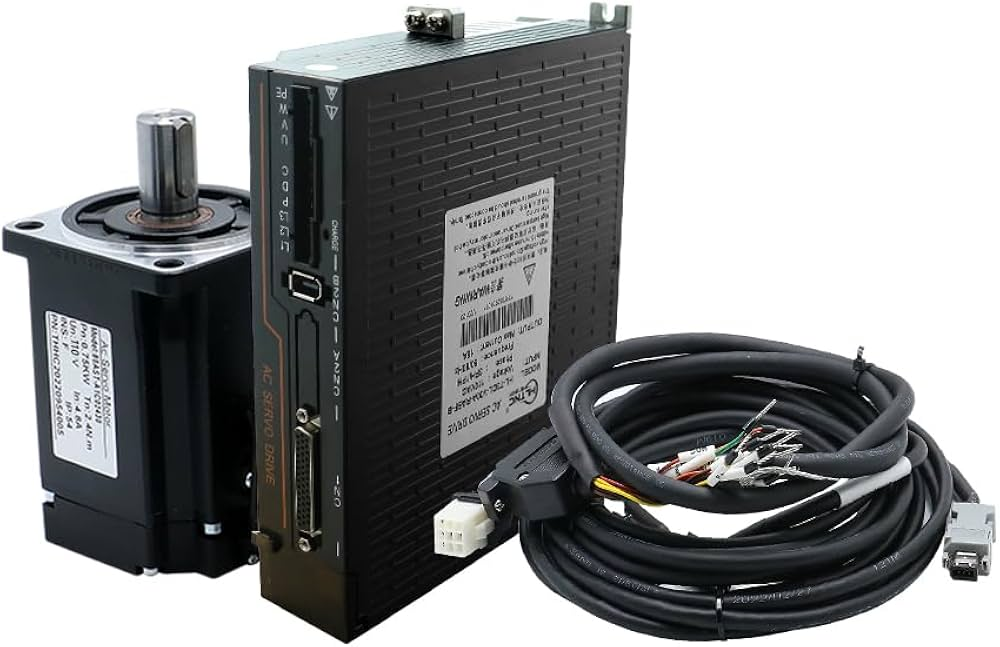
Servo motors can deliver high torque with accurate speed and position control, making them suitable for robotics, CNC machines, and automated production equipment. Gear motors combine a motor with a gearbox to increase low-speed torque output while reducing rotational speed for heavy-duty applications.
Brushless DC motors are also widely used because they provide strong torque, better efficiency, and longer service life compared with traditional brushed designs. Their ability to maintain consistent motor performance makes them valuable for industrial automation, electric equipment, and precision machinery.
There is no single motor type that provides the highest torque for every situation. The best high-torque motor depends on factors such as load requirements, available power supply, operating environment, and control needs. Working with experienced manufacturers like DMKE helps buyers select suitable torque solutions based on specific application demands.
Different Types of Motors Used for High Torque Applications
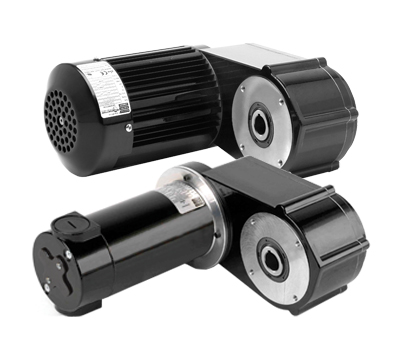
Different motor technologies can deliver high torque, but each type is designed for specific performance needs. Understanding their differences helps engineers choose reliable motor solutions based on speed control, load requirements, efficiency, and application conditions.
DC Motors
DC motors are commonly used in applications that require strong starting torque and simple speed control. They convert electrical energy into mechanical motion and provide effective torque generation for equipment such as actuators, conveyors, pumps, and small industrial machines.
These motors are available in different designs, including brushed and brushless options. The right DC high-torque motor depends on factors such as voltage rating, required lifespan, maintenance expectations, and the working environment.
Brushless DC Motors
Brushless DC motors use electronic control instead of mechanical brushes, which reduces wear and improves efficiency. They are preferred in applications where continuous motor operation and precise performance are required.
Due to their compact structure, high efficiency, and reliable torque delivery, brushless DC motors are widely used in automation systems, medical equipment, robotics, and advanced industrial devices.
Servo Motors
Servo motors provide high torque along with accurate position, speed, and movement control. They use feedback systems to achieve precise motion control in applications where accuracy is extremely important.
Manufacturers commonly use servo motors in CNC machines, robotic arms, packaging systems, and automated production lines. Their ability to adjust output according to demand makes them suitable for complex industrial processes.
Stepper Motors
Stepper motors move in controlled steps, making them useful for applications requiring accurate positioning. They can provide strong holding torque even when the motor shaft is not rotating.
These motors are often selected for 3D printers, automated tools, positioning systems, and smaller industrial equipment. However, torque output can decrease at higher speeds, so proper sizing is important.
Gear Motors
Gear motors combine an electric motor with a gearbox to increase torque while reducing speed. This design provides enhanced pulling power for applications that require heavy movement.
Industrial users often choose gear motors for conveyors, lifting devices, material handling systems, and machinery where controlled high-force movement is required. They provide a practical balance between torque, speed, and durability.
Which Type of Motor Will Use High Current to Create High Torque?
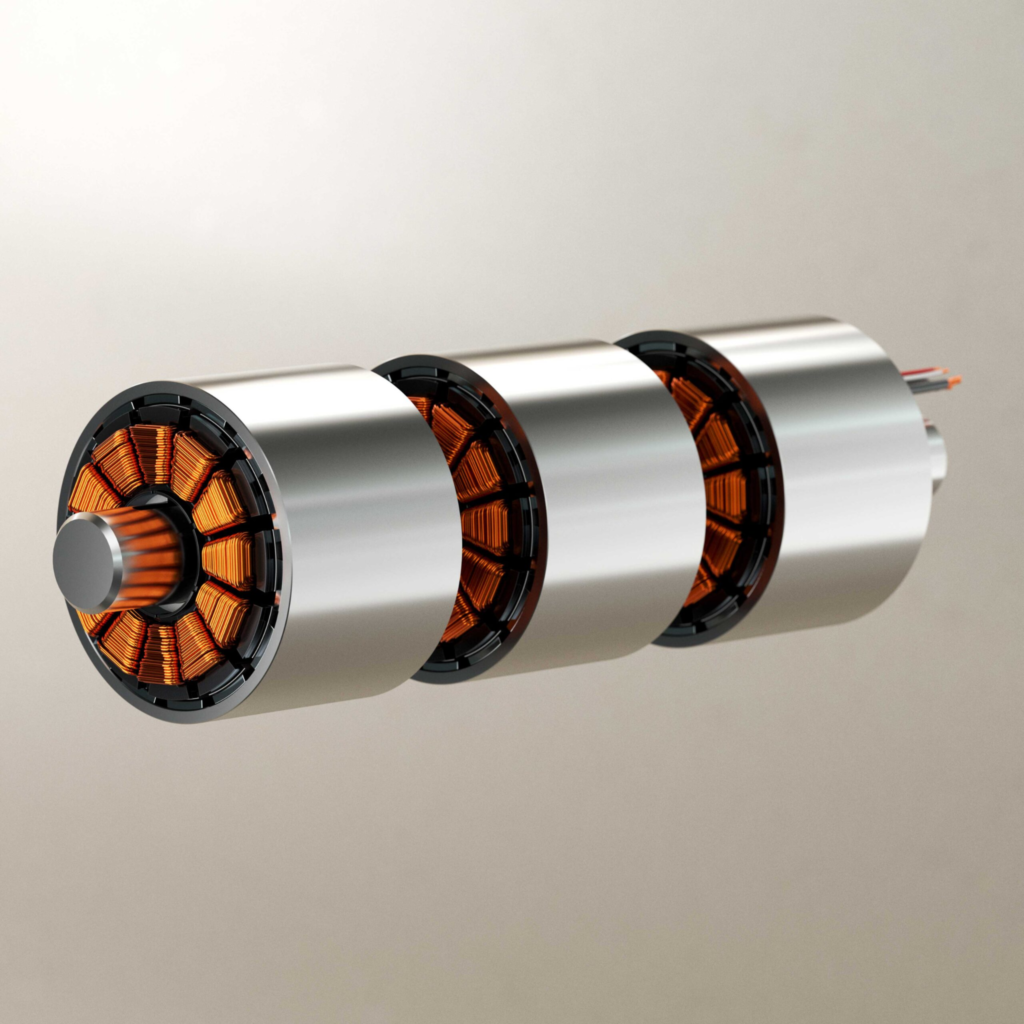
Motors that require higher torque usually draw more current because current directly affects the magnetic force generated inside the motor. DC motors, especially brushed DC motors and high-power industrial designs, often use increased current flow to create stronger rotational force for demanding applications.
When current passes through the motor windings, it creates a magnetic field that interacts with the motor’s internal components. A stronger magnetic field produces more torque, allowing the motor to handle heavier mechanical loads during startup, acceleration, or continuous operation.
However, simply increasing current is not always the best solution for achieving high torque. Excessive current can create heat, reduce efficiency, and shorten motor life if the design does not support proper thermal management during operation.
Modern brushless DC motors and servo motors are designed to deliver high torque more efficiently by combining optimized winding designs, advanced controllers, and improved materials. Selecting the right high-torque motor requires balancing current capacity, efficiency, cooling requirements, and application demands.
DMKE provides engineering support to help industries evaluate motor specifications and choose solutions with balanced power delivery for reliable operation in different working environments.
What Makes a Motor High in Torque?
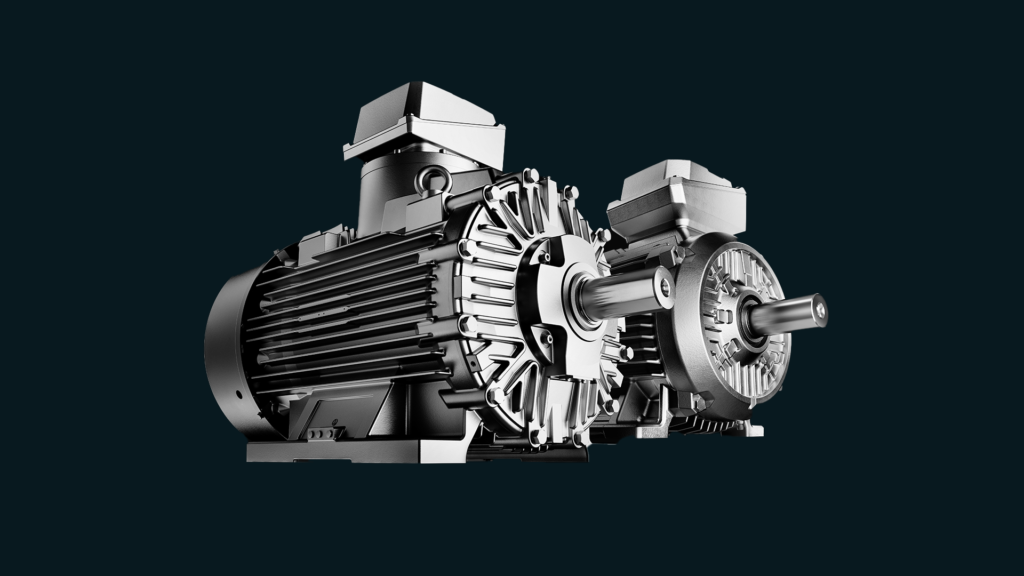
A motor becomes high in torque when its design allows it to generate a stronger rotational force under different operating conditions. Important factors include motor size, magnetic strength, winding structure, current capacity, and overall internal motor design, which determines how effectively electrical energy converts into mechanical movement.
One of the main factors affecting torque is the relationship between current and magnetic field strength. Higher current can increase torque output, but the motor must have suitable components, insulation, and cooling systems to support safe power handling without reducing reliability.
Motor construction also plays an important role. Stronger magnets, optimized copper windings, larger rotor designs, and efficient electromagnetic systems allow motors to create greater rotational force while maintaining stable operation in industrial applications.
Gear reduction is another common method used to increase torque. By reducing output speed through a gearbox, the motor can provide more force for lifting, moving, or driving heavy loads. This approach helps achieve improved torque performance without always requiring a larger motor.
Choosing a high-torque motor requires understanding the complete system requirements instead of focusing on torque rating alone. Speed range, operating time, controller compatibility, and environmental conditions should also be considered to ensure reliable long-term performance.
What Voltage Is Best for a High Torque DC Motor?
The best voltage for a high-torque motor depends on the application requirements, power demand, and operating environment. Common DC motor voltage options include 12V, 24V, 48V, and higher industrial ratings, with each option offering different performance levels based on the required system design.
Lower voltage motors, such as 12V and 24V DC models, are often used in compact equipment, automation devices, actuators, and battery-powered systems. These motors can provide reliable torque output when properly matched with the correct current supply and controller.
Higher voltage DC motors are usually preferred for applications that need greater power, improved efficiency, or continuous operation under demanding conditions. A higher voltage system can reduce current requirements while supporting efficient power transfer across industrial equipment.
However, voltage alone does not determine torque capability. Motor construction, current capacity, winding design, gear ratio, and control system also affect the final output. Engineers should evaluate complete motor specifications before selecting a voltage level.
DMKE offers different DC motor solutions and customization options to support various voltage, torque, and speed requirements. Proper selection ensures that industrial users receive motors designed for their actual operating conditions rather than choosing based on voltage alone.
Key Factors to Consider When Choosing a High Torque Motor
Selecting the right high-torque motor requires a complete understanding of the machine’s operating requirements. Industrial buyers should evaluate critical selection factors such as load demand, speed range, available space, duty cycle, and control needs before choosing a motor.
Torque rating is one of the first specifications to review, but it should always be considered together with speed requirements. A motor must provide consistent torque delivery across the required operating range to prevent performance issues during heavy-load conditions.
Efficiency and heat control are also important for long-term industrial use. Motors working continuously need proper design features that support stable temperature control and prevent damage caused by excessive heat buildup.
The working environment should also influence motor selection. Applications exposed to dust, moisture, vibration, or frequent operation require durable construction and suitable protection levels to maintain dependable motor operation over time.
Customization can be valuable when standard motors do not match specific equipment requirements. DMKE works with industrial users to provide motor solutions based on application needs, helping manufacturers achieve better compatibility and performance.
Industrial Applications of High Torque Motors
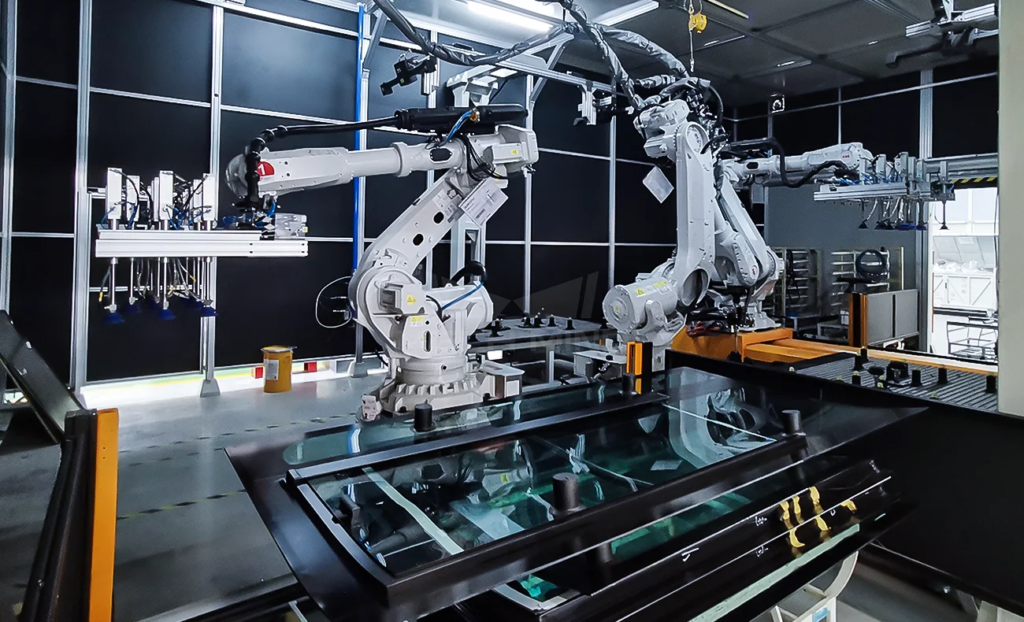
High torque motors are used across industries where machines require strong force, controlled movement, and reliable performance. Their ability to handle demanding industrial tasks makes them essential in many automated and mechanical systems.
Manufacturing facilities use these motors in conveyors, packaging equipment, assembly lines, and processing machines. These applications depend on continuous torque performance to maintain smooth production and reduce unexpected downtime.
Robotics and automation systems also require motors that combine torque with accuracy. Servo motors and brushless DC motors are commonly selected because they provide precise movement control for complex operations.
High torque solutions are also used in lifting equipment, electric vehicles, medical devices, agricultural machinery, and material handling systems. Choosing the correct motor design ensures efficient system operation while meeting specific industry requirements.
Can a 5.3 LS Make 600 HP?
A 5.3 LS engine can produce 600 horsepower with the right modifications, tuning, and supporting components. Although an LS engine is different from an electric high-torque motor, both systems depend on optimized power output to achieve stronger performance.
Reaching higher horsepower levels usually requires upgrades such as improved airflow, forced induction, stronger internal components, and proper fuel management. These changes allow the engine to create greater performance capacity while handling increased mechanical stress.
In comparison, electric motors generate torque differently because they can provide a strong rotational force immediately without relying on engine speed buildup. This instant torque capability is one reason electric motor systems are widely used for advanced industrial applications where fast response and controlled movement are required.
Understanding the difference between engine horsepower and electric motor torque helps users select the correct power solution. Industrial applications usually focus on torque, efficiency, control accuracy, and reliability rather than horsepower numbers alone.
What Engine Is Faster, V8 or V12?
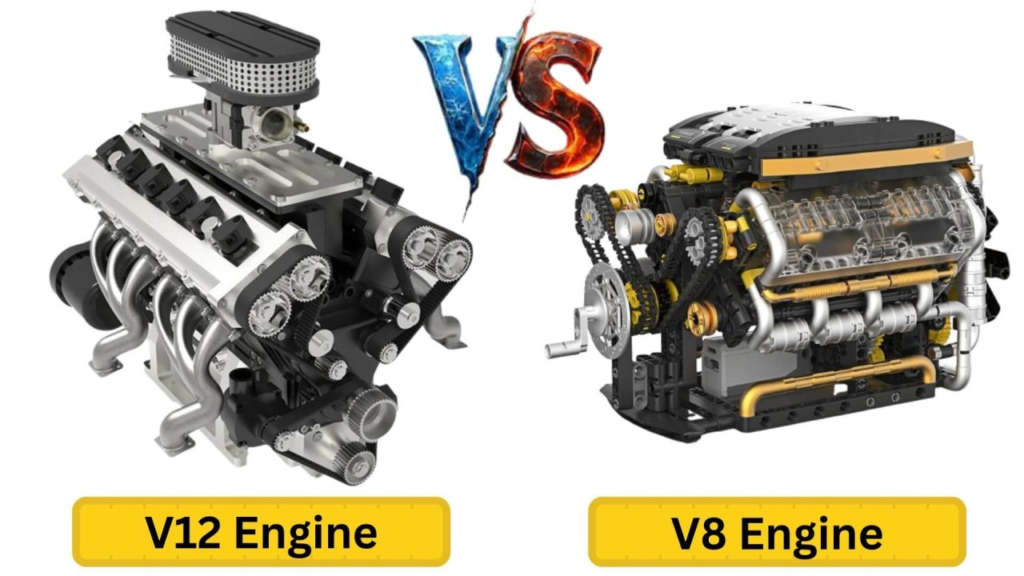
The speed difference between a V8 and V12 engine depends on the engine design, vehicle setup, weight, tuning, and application requirements. A V12 does not automatically mean faster performance because overall system design plays a major role in power delivery and acceleration.
V8 engines are often valued for their strong torque, compact structure, and power-to-weight balance. Many performance vehicles use V8 designs because they provide effective power delivery while maintaining a practical engine size.
V12 engines usually offer smoother operation, higher power potential, and increased displacement in luxury or high-performance vehicles. However, additional weight and complexity can influence real-world performance results depending on how the engine is engineered.
For industrial users, the comparison highlights an important point about power selection. Whether evaluating engines or a high-torque motor, choosing the right solution depends on the application requirements, efficiency goals, and expected operating conditions rather than size alone.
Get the Right High-Torque Motors With Expert Support – Connect With DMKE
Choosing the best high-torque motor depends on understanding the complete application requirements, including load capacity, speed, voltage, current, and operating conditions. Different motor types provide unique advantages, and the right choice should focus on reliable torque performance rather than selecting the highest rating available.
DC motors, brushless DC motors, servo motors, stepper motors, and gear motors all support different industrial needs. By comparing design features, efficiency, control requirements, and limitations, manufacturers can select suitable motor solutions that improve machine productivity and long-term operation.
A properly selected motor helps reduce downtime, improve energy usage, and support stable performance in demanding applications. Factors such as thermal management, power supply compatibility, and customization options are important for achieving efficient industrial operation across various systems.
DMKE provides motor solutions designed to support different torque, speed, and application requirements. With a focus on quality, engineering support, testing, and customization capability, DMKE helps businesses choose motors that match their specific operating needs.
Visit our website or contact us today for professional application guidance and explore reliable motor solutions for your industrial projects.

 English
  English (Australia)
  English (Canada)
  Deutsch
  English (UK)
  Français