
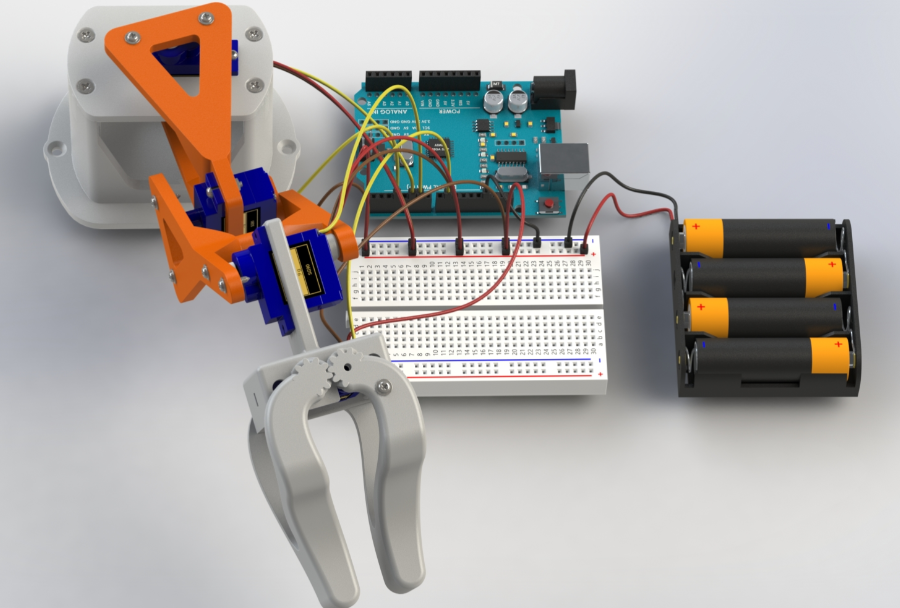
Modern robotics is evolving toward smaller, faster, and more efficient systems as industries demand higher productivity within limited spaces. From manufacturing floors to medical environments, robotic arms are now expected to deliver precision and flexibility without occupying excessive space. Traditional motion systems often struggle to meet these requirements due to bulky components and complex wiring, making compact robotic design a growing priority for engineers.
Conventional servo setups typically rely on separate motors, drives, and control units distributed across the robotic system. This architecture increases weight, consumes valuable space, and complicates installation, especially in multi-axis robotic arms. As robotic applications become more advanced, these limitations can reduce performance and restrict design flexibility, creating challenges in achieving efficient system integration.
Integrated servo motors provide a solution by combining multiple motion control components into a single compact unit. This approach reduces hardware requirements, simplifies wiring, and enables more streamlined robotic structures without compromising precision or control. As a result, integrated servo motors are increasingly used in robotic arms where space-saving efficiency and performance must work together.
This article explains why integrated servo motors are essential for compact robotic arm designs, covering their role in modern robotics, key benefits, and how to select the right solution for different applications.
Understanding Integrated Servo Motors in Robotic Systems
In robotic applications, integrated servo motors are compact motion units that combine the motor, drive, encoder, and control electronics into a single assembly. Instead of distributing these components across different parts of the robotic system, engineers can use one self-contained motion unit at each joint, simplifying both mechanical and electrical design.
Traditional robotic arms often rely on external servo drives connected through cables to individual motors. This setup increases wiring complexity and adds weight to the system, especially in multi-axis robots. By using integrated servo motors, designers can reduce the number of external components, resulting in simplified robotic architecture and improved overall system efficiency.
These motors are typically mounted directly within robotic joints, allowing motion control to occur exactly where movement is required. This placement reduces signal delays and improves responsiveness, which is critical in applications requiring precise positioning. As robotics continues to evolve toward compact and high-performance systems, integrated servo motors support efficient joint-level control in modern designs.
Another advantage is modularity. Each joint equipped with an integrated servo motor can function as an independent motion module, making robotic arms easier to scale, modify, or maintain. This modular approach aligns with current automation trends where flexibility and adaptability are essential, enabling scalable robotic systems for different industrial needs.
How Integrated Servo Motors Enable Compact Robotic Arm Design
Compact robotic arm design depends on minimizing component size, reducing wiring complexity, and optimizing weight distribution across multiple joints. Integrated servo motors play a central role in achieving these goals by consolidating motion control elements into a single unit. This allows engineers to design robotic systems that are smaller, lighter, and more efficient while maintaining high performance, making space-efficient robotics a practical reality.
Reduced Component Footprint in Robotic Joints
One of the most significant advantages of integrated servo motors is the reduction in physical components required within each robotic joint. Traditional systems require external drives, encoders, and control hardware that occupy space within the machine or control cabinet. By integrating these elements directly into the motor, designers can significantly reduce joint size and create compact joint structures that improve overall arm geometry.
Smaller joints also enable tighter articulation and improved reach within confined environments. This is particularly valuable in applications such as electronics assembly or medical robotics, where space constraints are critical. Reduced component footprint allows engineers to design robotic arms that are both compact and highly functional.
Simplified Wiring for Multi-Axis Robotic Arms
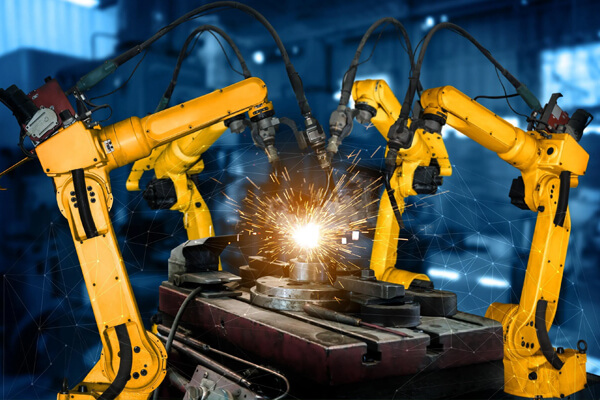
Multi-axis robotic arms typically involve complex wiring systems connecting motors, drives, sensors, and controllers. This wiring not only increases assembly time but also introduces potential failure points. Integrated servo motors reduce the need for extensive cabling by embedding control electronics within the motor, resulting in reduced wiring complexity across the entire robotic system.
Simplified wiring improves reliability and makes maintenance easier, as fewer connections need to be inspected or repaired. It also contributes to cleaner internal layouts, which is important for compact robotic designs where space is limited.
Lightweight Design and Load Optimization
Weight plays a critical role in robotic arm performance, especially in articulated systems where each joint must support the load of subsequent segments. Integrated servo motors help reduce overall system weight by eliminating the need for separate drives and heavy cabling. This creates a lighter robotic structure, improving energy efficiency and motion responsiveness.
Lower weight also enhances payload capacity, allowing the robotic arm to carry heavier tools or components without compromising performance. This balance between weight and power is essential for optimizing robotic efficiency in industrial environments.
Decentralized Motion Control Architecture
Integrated servo motors enable decentralized control by placing drive electronics directly within each motor. This reduces dependency on large centralized control cabinets and allows each joint to operate as an independent motion node. Such architecture supports distributed motion control, improving system flexibility and scalability.
Decentralized systems also simplify machine design and allow easier expansion or modification of robotic arms. For OEMs and automation engineers, this approach provides greater design freedom while maintaining high levels of control, precision, and system performance.
Traditional vs Integrated Servo Motors in Robotic Arms
| Feature | Traditional Servo System | Integrated Servo Motors |
| Component Setup | Separate motor, drive, encoder | All-in-one integrated unit |
| Wiring Complexity | High | Low |
| Joint Size | Larger | Compact |
| Weight Distribution | Heavier due to external components | Lightweight and optimized |
| Installation | Complex and time-consuming | Faster and simpler |
| System Architecture | Centralized | Decentralized |
Key Benefits of Using Integrated Servo Motors in Robotic Arms
Integrated servo motors provide several advantages that directly improve robotic arm design, performance, and long-term reliability. By combining motion control components into a single unit, these systems reduce complexity while enhancing operational efficiency, making them highly suitable for modern automation environments that demand compact and efficient systems.
One major benefit is reduced installation time. With fewer components to mount and connect, engineers can assemble robotic arms faster and with fewer errors. This streamlined process lowers labor effort and simplifies commissioning, resulting in faster system deployment across production environments.
Another important advantage is improved motion precision. Integrated servo motors enable more accurate positioning because control electronics are located closer to the motor, reducing signal delays and improving response time. This ensures smoother operation and better synchronization across multiple joints, supporting high-precision robotic motion in demanding applications.
Maintenance requirements are also significantly lower. Traditional systems involve multiple components that can wear or fail over time, while integrated designs reduce these failure points. This leads to improved uptime and fewer service interruptions, providing reliable long-term operation for industrial users.
Scalability is another key benefit. Robotic arms designed with integrated servo motors can be easily expanded or modified by adding or reconfiguring motion modules. This modular approach supports flexible manufacturing systems where adaptability is critical, enabling scalable robotic solutions across different use cases.
Applications Where Compact Robotic Arms Require Integrated Servo Motors
Compact robotic arms are widely used across industries where space efficiency, precision, and flexibility are essential. Integrated servo motors play a crucial role in enabling these systems to perform effectively within limited spaces while maintaining high performance standards, making them ideal for advanced robotic applications.
Collaborative robots, or cobots, rely heavily on compact and lightweight designs to safely operate alongside humans. Integrated servo motors help reduce joint size and weight, improving mobility and responsiveness. This allows cobots to deliver safe and efficient interaction in shared workspaces.
In medical robotics, compact design is critical due to space limitations and precision requirements. Surgical and diagnostic robots use integrated servo motors to achieve smooth, controlled motion within tight environments, ensuring high-accuracy performance in sensitive applications.
Electronics assembly is another area where compact robotic arms are essential. These systems must handle small components with extreme precision while operating in confined spaces. Integrated servo motors provide the necessary control and efficiency for precise component handling in high-volume production lines.
Packaging and pick-and-place systems benefit from fast and repetitive motion cycles. Integrated servo motors enable quick acceleration and accurate positioning, improving throughput and ensuring efficient production flow in automated environments.
Service and mobile robots also require compact and energy-efficient designs. Integrated servo motors reduce system weight and complexity, enabling better mobility and longer operation time, which supports flexible robotic deployment in dynamic environments.
How to Choose Integrated Servo Motors for Robotic Arm Design
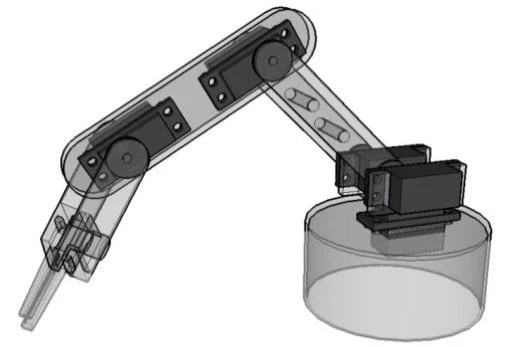
Choosing the right integrated servo motors for robotic arms requires a detailed understanding of joint dynamics, load distribution, and motion precision requirements. Each joint in a robotic arm performs a specific function, so selecting motors based only on size or power rating can lead to performance issues. A structured evaluation ensures optimized joint performance across the entire robotic system.
Torque requirements must be calculated carefully for each axis. Joints closer to the base typically handle higher loads, while end-effector joints require more precision and speed. Selecting motors without proper torque analysis can result in instability or reduced accuracy. Correct sizing ensures balanced load handling and smooth operation throughout the arm’s movement range.
Weight considerations are equally important. Since robotic arms are multi-link systems, excess weight in one joint affects the performance of others. Integrated servo motors help reduce overall weight, but buyers must still evaluate motor mass relative to payload capacity. Maintaining proper balance improves energy efficiency and supports optimized robotic movement in dynamic applications.
Speed and precision requirements should align with the intended application. High-speed pick-and-place robots need fast response times, while medical or inspection robots require extremely accurate positioning. Selecting motors with appropriate feedback systems ensures accurate motion control and consistent repeatability.
Communication protocols and system compatibility must also be verified. Integrated servo motors should align with the robot’s controller and network architecture to avoid integration issues. Ensuring compatibility supports seamless system communication and efficient coordination between all motion axes.
Thermal performance and environmental conditions should not be overlooked. Robotic systems operating continuously or in challenging environments require motors with proper heat dissipation and protection. Considering these factors helps maintain long-term operational reliability and prevents unexpected downtime.
Common Design Mistakes in Compact Robotic Arm Systems
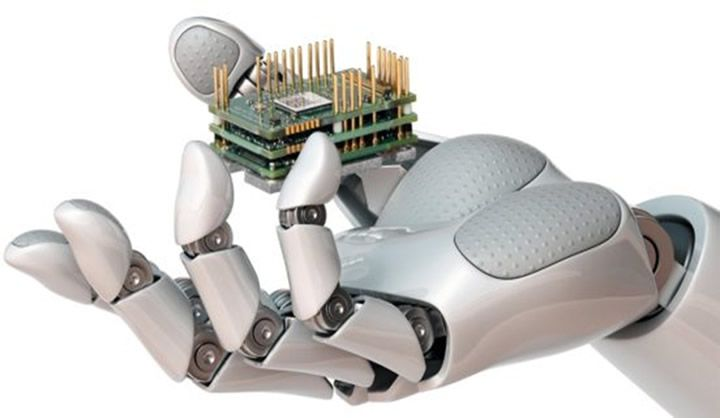
Designing compact robotic arms with integrated servo motors offers many advantages, but improper implementation can limit performance and reduce system efficiency. Avoiding common mistakes is essential for achieving reliable robotic operation and maximizing the benefits of compact design.
One common mistake is ignoring weight distribution across the robotic arm. Even with compact motors, uneven weight placement can create instability and increase stress on certain joints. Proper design ensures balanced structural design, improving both performance and durability.
Another issue is poor cable management planning. Although integrated servo motors reduce wiring, some connections are still required. Improper routing can lead to wear, signal interference, or restricted movement. Organized layouts ensure efficient cable routing and long-term reliability.
Undersizing torque capacity is also a frequent problem. Designers aiming for smaller systems may select motors that cannot handle real operating loads. This leads to overheating, reduced lifespan, and performance limitations. Proper calculations ensure adequate torque capacity for all motion scenarios.
Thermal management is often underestimated in compact designs. Integrated systems generate heat within a smaller space, and without proper cooling considerations, performance can degrade. Addressing this ensures stable thermal performance under continuous operation.
Finally, a lack of modular design can limit flexibility. Robotic systems that are not designed with scalability in mind become difficult to upgrade or modify. Using integrated servo motors in a modular approach supports future system expansion and simplifies long-term system development.
Why Integrated Servo Motors Are Critical for Next-Gen Robotics
Next-generation robotics is evolving rapidly toward systems that are smarter, smaller, and more adaptable to dynamic industrial environments. From collaborative robots to AI-driven automation platforms, modern robotic designs require motion systems that deliver high precision while occupying minimal space. Integrated servo motors are becoming a foundational component in this shift because they enable compact intelligent motion without the complexity of traditional architectures.
One of the primary drivers is the push toward miniaturization. Industries such as medical robotics, electronics manufacturing, and service robotics demand smaller machines capable of operating in constrained environments. Traditional servo setups, with separate drives and extensive wiring, limit how compact a robotic system can become. Integrated servo motors eliminate these constraints by combining motion control elements into a single unit, allowing engineers to design high-density robotic systems that maintain performance while reducing overall size.
Artificial intelligence and advanced control algorithms are also reshaping robotics. Modern robots are expected to adapt in real time, process data from multiple sensors, and perform complex tasks with high accuracy. Integrated servo motors support this evolution by enabling faster communication between control electronics and the motor itself. With shorter signal paths and embedded control capabilities, these systems provide real-time motion response, which is essential for AI-driven decision-making and precise robotic behavior.
Another important factor is the growing demand for modular and scalable robotic platforms. Manufacturers increasingly design robots that can be easily reconfigured or expanded for different applications. Integrated servo motors allow each joint to function as an independent motion unit, simplifying system architecture and supporting flexible configurations. This approach enables modular robotic development, reducing design time and improving adaptability across multiple use cases.
Energy efficiency is also becoming a critical consideration in next-generation robotics. As robots operate continuously in production environments, reducing energy consumption without sacrificing performance is essential. Integrated servo motors improve efficiency by minimizing power losses associated with long cable runs and distributed components. This results in optimized energy utilization, contributing to lower operating costs and more sustainable automation systems.
Finally, integrated servo motors align closely with the goals of Industry 4.0 and smart manufacturing. Modern production environments rely on connected systems, decentralized control, and real-time monitoring. Integrated motion solutions enable distributed architectures where each robotic joint contributes to overall system intelligence. This supports connected automation ecosystems that are more responsive, scalable, and efficient.
Choose the Right Integrated Servo Solution for Robotic Arms With Expert Support
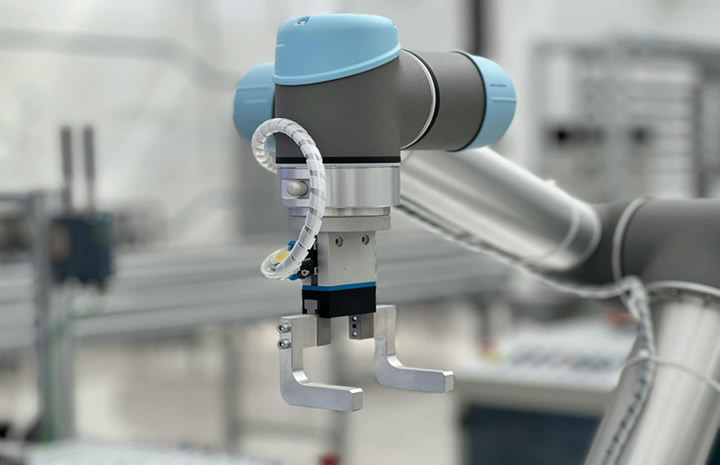
Selecting the right integrated servo motors for robotic arms requires a balanced approach that considers performance, space constraints, and long-term reliability. Buyers who evaluate torque, speed, thermal conditions, and system compatibility carefully can achieve optimal robotic performance without compromising compact design goals.
Engineering-based selection is essential to avoid issues such as undersizing, overheating, or integration challenges. A properly matched system ensures smooth motion, precise control, and dependable operation across all robotic functions, delivering reliable long-term results in demanding environments.
At DMKE, we support industrial buyers with application-focused engineering, rigorous testing, and customization capabilities to meet specific robotic requirements. Our integrated servo motors are designed to deliver high-performance reliability while supporting compact and efficient robotic designs.
For projects requiring advanced motion control solutions, visit our website or contact us today to receive expert guidance and tailored recommendations. Our team is ready to help you implement efficient servo solutions that align with your automation goals.

 English
  English (Australia)
  English (Canada)
  Deutsch
  English (UK)
  Français