
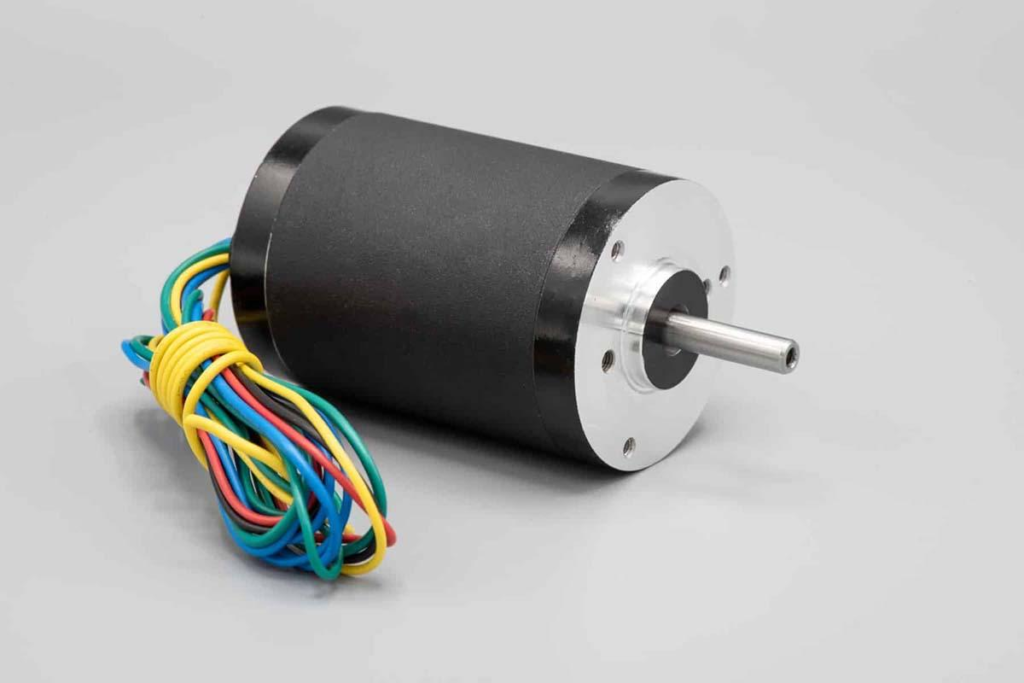
Choosing the right motor technology has become increasingly important as industries focus on higher efficiency, better reliability, and lower operating costs. From automation systems and electric vehicles to household appliances, both traditional DC motors and BLDC motor solutions are widely used, but their performance characteristics are very different.
For many buyers, the main question is whether upgrading from a conventional DC motor to a BLDC design is worth the additional investment. While DC motors are known for simple control and affordability, they often require more maintenance due to mechanical brush wear. BLDC motors remove this limitation by using electronic control, resulting in improved motor efficiency and longer service life.
However, the best choice depends on the actual application requirements. A low-cost system with basic movement needs may perform well with a traditional DC motor, while applications requiring continuous operation, quiet performance, and precise control often benefit from BLDC technology.
This guide compares BLDC and DC motors by explaining their working principles, advantages, lifespan, cost differences, and practical applications. It also explores common questions such as whether BLDC motors are better for ceiling fans, how long they last, and whether paying extra for brushless technology provides long-term value for industrial and everyday applications.
Understanding BLDC and DC Motors
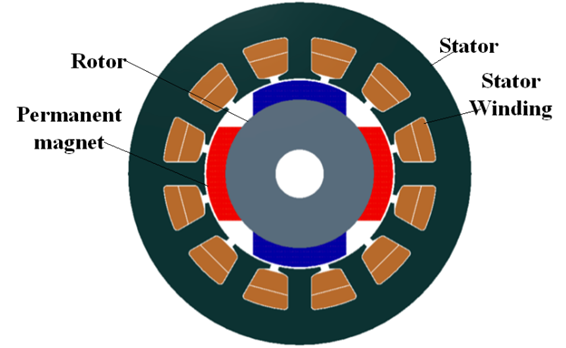
Before comparing performance, it is important to understand how both motor technologies operate. Although BLDC and traditional DC motors both convert electrical energy into mechanical motion, their internal design and control methods create major differences in efficiency and reliability.
What Is a BLDC Motor?
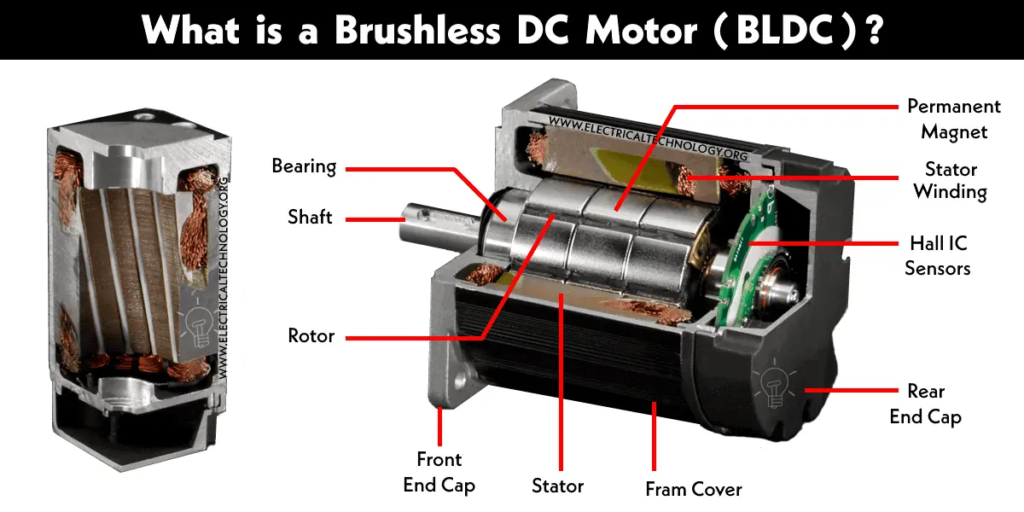
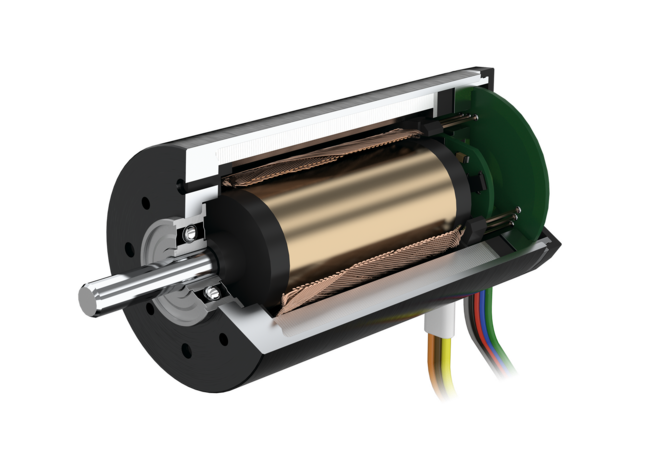
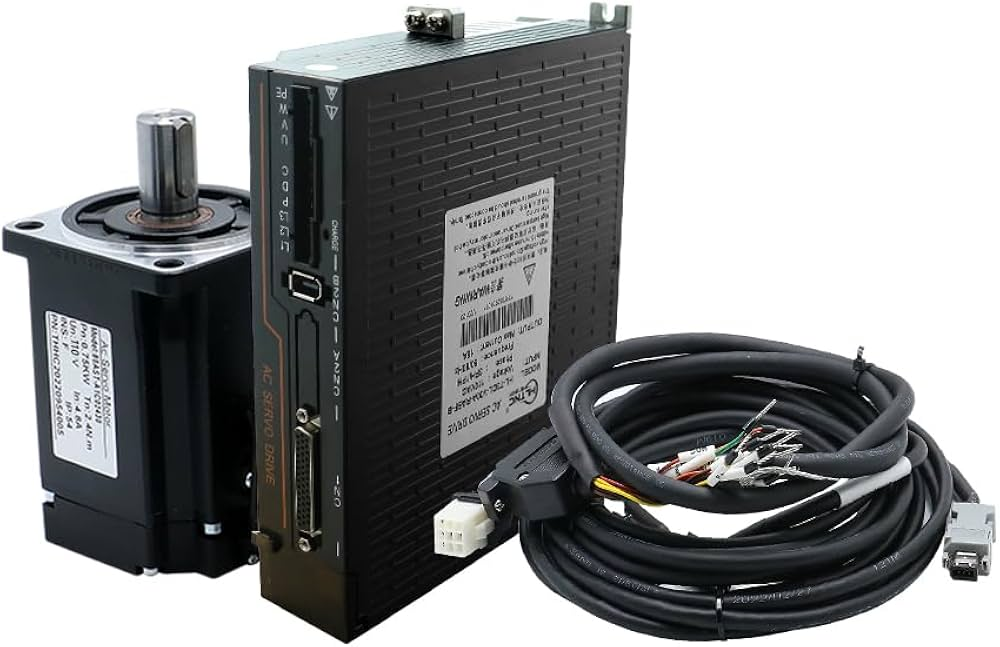
A BLDC motor, or Brushless DC motor, is a type of electric motor that operates without mechanical brushes. Instead of using physical contact parts for switching current, it relies on electronic controllers to manage power delivery and create controlled rotation.
The absence of brushes reduces friction, heat generation, and mechanical wear during operation. This allows BLDC motors to achieve longer operational lifespan compared to many traditional brushed motor designs.
BLDC technology is widely used in applications where efficiency and precise control are important. Common examples include industrial automation equipment, robotics, electric vehicles, drones, medical devices, and modern energy-saving appliances.
What Is a Traditional DC Motor?
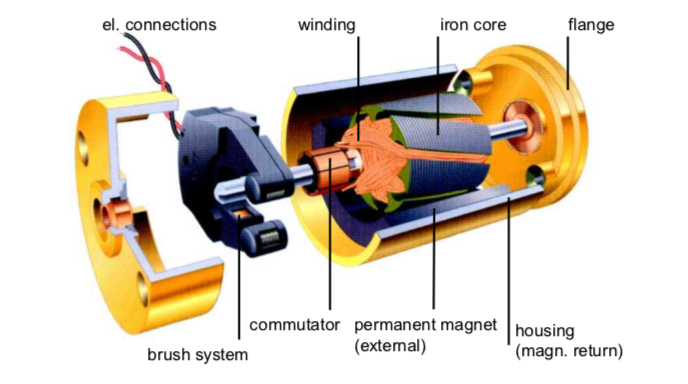
A traditional DC motor usually refers to a brushed DC motor that uses brushes and a commutator to transfer electrical current to the rotating components. This simple construction makes it easy to operate and control in many basic applications.
The main advantage of brushed DC motors is their affordability and straightforward design. They can provide reliable performance in applications where simple motor control is required and operating demands are not extremely high.
However, brushes naturally wear down over time due to physical contact. This creates maintenance requirements and limits their suitability for applications needing continuous operation, high efficiency, or extended service life.
Which Motor Is Best: DC or BLDC?
The choice between a DC motor and a BLDC motor depends on the application requirements, operating conditions, and long-term performance expectations. Both technologies have their advantages, but BLDC motors are often preferred when higher efficiency performance and reduced maintenance are priorities.
Traditional DC motors are suitable for applications where simple operation, lower initial cost, and basic speed control are enough. Their straightforward design makes them easy to install and use, especially in systems that do not require continuous operation or advanced control features.
BLDC motors provide better performance in applications that demand reliability, energy savings, and precise control. Since they eliminate mechanical brushes, they reduce friction losses and offer improved durability levels compared to conventional DC motors.
Another important factor is operating cost. While BLDC motors usually have a higher upfront price because of their electronic control systems, they can reduce maintenance expenses and energy consumption over time.
For industrial automation, robotics, electric mobility, and high-performance equipment, BLDC technology is usually the better choice due to its efficiency and long service life. However, for simple, low-cost applications with limited operating hours, traditional DC motors may still provide practical motor solutions.
BLDC vs DC Motor Comparison
BLDC and DC motors are both valuable technologies, but they are designed for different performance expectations. Comparing their efficiency, lifespan, maintenance needs, and control capabilities helps buyers choose the most suitable option for specific application requirements.
| Factor | BLDC Motor | DC Motor |
| Efficiency | Higher efficiency due to electronic control and reduced friction | Lower efficiency because of brush-related losses |
| Lifespan | Longer lifespan with fewer wearing components | Shorter lifespan due to brush and commutator wear |
| Maintenance | Requires minimal maintenance during operation | Requires brush inspection and replacement |
| Cost | Higher initial cost because of advanced components | Lower upfront cost and simple construction |
| Noise | Quieter operation with less mechanical friction | More noise due to brush contact |
| Control | Supports precise speed and torque control | Basic and easier control methods |
| Applications | Automation, EVs, robotics, appliances, industrial systems | Simple machines, toys, and basic equipment |
The main advantage of BLDC technology comes from its ability to deliver reliable performance while reducing energy waste and maintenance needs. This makes it suitable for applications where continuous operation efficiency is more important than initial purchase cost.
Traditional DC motors remain useful when simplicity and affordability are the main priorities. However, industries focused on long-term productivity, precision, and reliability are increasingly shifting toward BLDC solutions.
Which Motor Is Best for a Ceiling Fan?
When comparing motor technologies for ceiling fans, BLDC motors are generally considered the better option because they provide higher energy efficiency, quieter operation, and improved control. Modern ceiling fans increasingly use BLDC technology because it helps reduce electricity consumption while maintaining reliable airflow performance.
Traditional DC motors can still operate effectively in fan applications, but they usually experience higher energy losses and more mechanical wear over time. The use of brushes creates friction, which can reduce efficiency and increase maintenance requirements.
A BLDC fan uses electronic control to adjust speed more efficiently. This allows smoother operation, better speed regulation, and lower power consumption compared to conventional motor designs. These benefits are especially noticeable in applications where fans operate for many hours each day.
Another advantage of BLDC ceiling fans is reduced noise. Since there are no brushes creating mechanical contact, the motor produces less vibration and provides quiet motor operation for homes, offices, and commercial spaces.
Although BLDC fans may have a higher initial cost, the long-term savings from reduced electricity usage and improved durability often make them a worthwhile investment. For buyers focused on efficiency, comfort, and lifespan, BLDC technology provides a stronger overall solution.
How Long Do BLDC Motors Last?
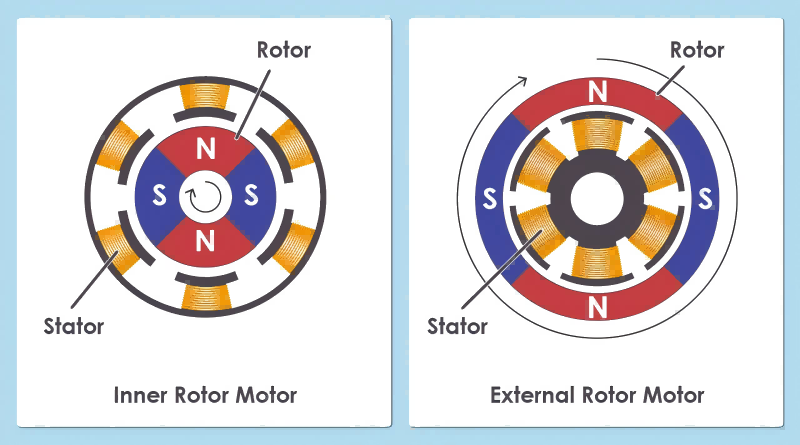
The lifespan of a BLDC motor depends on several factors, including operating conditions, load requirements, temperature, and overall motor quality. Since these motors do not contain brushes that wear down through physical contact, they typically provide extended service life compared to traditional brushed DC motors.
In many BLDC designs, the bearings are usually the primary components that influence motor lifespan. The electronic control system and magnetic components can operate reliably for long periods when the motor is correctly sized and used within its rated limits.
Heat management also plays an important role in durability. Excessive temperature caused by overload, poor ventilation, or incorrect operation can reduce component life. Maintaining proper working conditions helps achieve consistent motor performance over extended usage.
The application environment is another important factor. Motors used in clean, controlled environments often last longer than those exposed to dust, moisture, vibration, or continuous heavy loads. Proper selection according to operating conditions improves reliability.
For industrial applications, a high-quality BLDC motor combined with the right controller, installation, and maintenance practices can deliver years of dependable operation. This makes BLDC technology a preferred choice where long-term reliability and reduced downtime are important.
Is It Worth Paying Extra for Brushless Motors?
Paying extra for brushless motors is often worthwhile when efficiency, reliability, and long-term performance are important. Although a BLDC motor usually has a higher initial cost than a traditional brushed DC motor, the investment can provide greater operational value over time.
The main advantage comes from reduced maintenance requirements. Since BLDC motors do not use brushes or mechanical commutation, there are fewer components exposed to friction and wear. This helps lower repair needs and improves overall system availability.
Energy savings are another important factor. BLDC motors are designed to minimise electrical and mechanical losses, allowing them to provide the required output while consuming less power. In applications with frequent or continuous operation, this efficiency difference can create noticeable cost savings.
Brushless motors also offer better performance control. Their electronic control systems allow smoother acceleration, precise speed regulation, and improved response compared to many traditional motor designs. These advantages support advanced motion applications where accuracy and stability matter.
However, the additional cost may not always be necessary for very simple applications with limited operating hours. For basic low-demand systems, a standard DC motor can still be a practical choice. The decision should be based on usage requirements, expected lifespan, and overall efficiency goals.
Common Mistakes When Choosing Between BLDC and DC Motors
Choosing between BLDC and DC motors requires more than comparing the initial purchase price. Many buyers overlook operating requirements, efficiency expectations, and long-term costs, which can result in incorrect motor selection for their specific application.
One common mistake is focusing only on upfront cost. Traditional DC motors may appear more affordable at first, but frequent maintenance, brush replacement, and lower efficiency can increase expenses over time. Evaluating total ownership cost provides a more accurate comparison.
Another mistake is ignoring operating hours. Applications that require continuous or frequent operation usually benefit from BLDC technology because of its energy-saving advantages and reduced mechanical wear compared to brushed designs.
Incorrect motor sizing can also affect performance and reliability. Choosing a motor that is too small may cause overheating and stress, while an oversized motor can increase unnecessary costs without improving efficiency.
Many users also overlook control requirements. Applications requiring precise speed adjustment, smooth operation, or advanced automation often need the better control capability offered by BLDC motors and electronic controllers.
The best motor choice depends on matching technology with actual performance needs. Understanding the application environment, load conditions, and long-term goals helps ensure reliable and cost-effective operation.
Future Trends in BLDC Motor Technology
BLDC motor technology continues to evolve as industries demand higher efficiency, smarter control, and more compact motor solutions. Improvements in electronics, materials, and manufacturing methods are expanding the use of BLDC systems across modern automation applications.
One major trend is the development of smarter motor controllers. Advanced controllers now provide better speed regulation, torque management, and performance monitoring, allowing motors to operate more efficiently under changing conditions.
Energy efficiency remains another important focus area. New BLDC designs aim to reduce power losses while maintaining strong output performance, helping industries lower energy consumption and improve operational cost efficiency in long-term applications.
Compact motor designs are also becoming increasingly important. Manufacturers are developing smaller and lighter motors that still deliver high power output, making them suitable for robotics, electric mobility, medical equipment, and space-limited machinery.
Integration with intelligent systems is another growing direction. Modern BLDC motors are increasingly designed to work with automation networks, sensors, and digital control platforms for smarter motion solutions and improved reliability.
As industries continue moving toward efficient and connected technologies, BLDC motors are expected to play an even larger role in next-generation industrial and consumer applications.
Industrial Applications Where BLDC Motors Perform Better
BLDC motors are becoming a preferred choice across many industries because they provide a strong combination of efficiency, durability, and precise control. Unlike traditional DC motors that are often limited by brush wear and maintenance requirements, BLDC designs are suitable for applications that require continuous, reliable operation under demanding conditions.
In industrial automation, BLDC motors are widely used in robotic systems, conveyor equipment, precision machinery, and automated production lines. Their ability to provide smooth speed control and fast response makes them valuable where accuracy and repeatability directly influence productivity.
Electric vehicles and mobility systems also rely heavily on BLDC technology due to its high power efficiency and compact structure. These motors help improve energy usage while delivering the required torque and performance for different operating conditions.
Other applications include medical equipment, drones, pumps, fans, and smart appliances, where quiet operation, compact size, and long lifespan are important factors. The low-maintenance design makes BLDC motors especially useful for systems where frequent servicing is difficult or expensive.
For industrial buyers, choosing BLDC technology is often about improving long-term performance rather than simply replacing an existing motor. Matching the motor design with application requirements ensures better efficiency, reliability, and overall system value.
Get the Right BLDC And DC Motors With Expert Support – Connect With DMKE
Choosing between a BLDC motor and a traditional DC motor depends on application needs, performance expectations, and long-term operating goals. While DC motors remain useful for simple and low-cost systems, BLDC technology offers higher efficiency benefits with improved reliability and reduced maintenance requirements.
For applications requiring continuous operation, precise control, quiet performance, and longer service life, BLDC motors are often the better investment. Evaluating factors such as workload, environment, and operating costs helps buyers select the right motor solution for their specific requirements.
DMKE provides high-quality BLDC motor solutions designed for reliable performance, efficiency, and different industrial applications. With customisation capability, engineering support, and strict testing standards, DMKE helps customers choose motor technologies that match their operational needs.
For technical guidance or application-based recommendations, visit our website or contact us today to ensure a solution aligned with your operational needs.

 English
  English (Australia)
  English (Canada)
  Deutsch
  English (UK)
  Français