
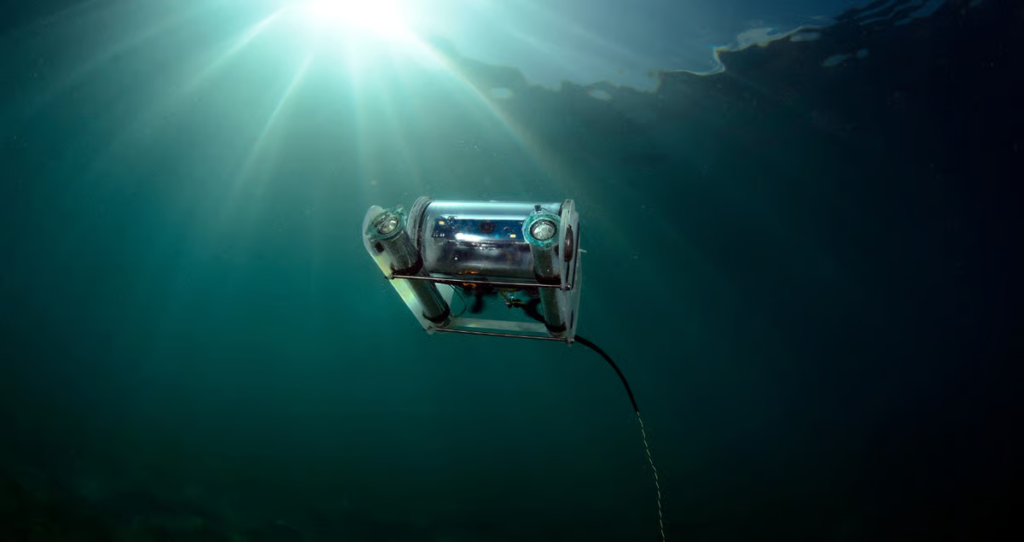
Underwater robotics is expanding rapidly across industries such as marine research, offshore energy, defence, aquaculture, and infrastructure inspection. In 2026, robotic systems are expected to operate deeper, longer, and with greater precision in highly demanding submerged environments. These conditions place extreme pressure on motion control systems, where even minor mechanical failure can cause major operational disruption. This makes the waterproof servo motor one of the most critical components in underwater robotic design.
Standard servo motors are not built to survive constant exposure to water, pressure changes, salt corrosion, or sealed operating conditions. Water ingress can damage internal electronics, weaken insulation, and create sudden motor failure during critical underwater tasks. In high-value operations such as offshore inspections or autonomous navigation, these failures lead to downtime, safety risks, and expensive repairs. Choosing the right motor becomes a matter of system survival, not just performance.
A waterproof servo motor is specifically engineered to handle these extreme environments through sealed housing, corrosion-resistant materials, pressure protection, and advanced thermal control. These motors allow underwater robots to maintain precise movement, stable positioning, and long-term reliability even in harsh marine conditions. As underwater automation grows more advanced, the demand for reliable motion control continues to increase across both commercial and industrial sectors.
The latest developments in 2026 are pushing this technology even further. Improved IP protection, smart monitoring sensors, marine-grade materials, and better heat management are transforming how underwater robots are designed and maintained. These innovations are helping buyers move beyond basic protection and toward fully optimised motion systems built for deep operational endurance with advanced engineering design.
This article explores the newest developments in waterproof servo motor technology, explains why standard motors fail underwater, and helps industrial buyers understand how to select the right solution for modern underwater robotics with better engineering confidence. So, keep reading:
Understanding A Waterproof Servo Motor
A waterproof servo motor is a specially engineered motion control system designed to operate reliably in environments where water, moisture, humidity, and pressure exposure are constant risks. Unlike standard motors, it uses sealed construction, protected electrical components, and corrosion-resistant materials to ensure safe underwater operation without performance failure.
In underwater robotics, these motors are responsible for precise movement control in joints, propulsion systems, camera positioning units, and robotic arms. Since even a small amount of water ingress can damage internal electronics, a waterproof servo motor must maintain complete sealing under both shallow and deep operating conditions. This ensures stable submerged performance during continuous operation.
The biggest difference between standard and waterproof designs is the protection architecture. Standard servo motors are built mainly for dry industrial environments, while waterproof versions include shaft seals, sealed connectors, reinforced housings, and higher IP ratings such as IP67 or IP68. These features prevent leakage and improve long-term durability in harsh marine conditions.
Pressure resistance is another critical factor. As underwater robots operate at greater depths, external pressure increases significantly and can force water into weak sealing points. Waterproof servo motors are designed to withstand these conditions through stronger housing materials and precision sealing systems, ensuring reliable deep-water performance without internal damage.
Corrosion protection is equally important, especially in saltwater environments where metal degradation happens quickly. Marine-grade stainless steel, special coatings, and anti-corrosion treatments help extend service life and reduce maintenance needs. This makes the waterproof servo motor a necessary investment for industrial buyers focused on high-reliability robotics and long-term operational safety.
Latest Waterproof Servo Motor Technologies in 2026
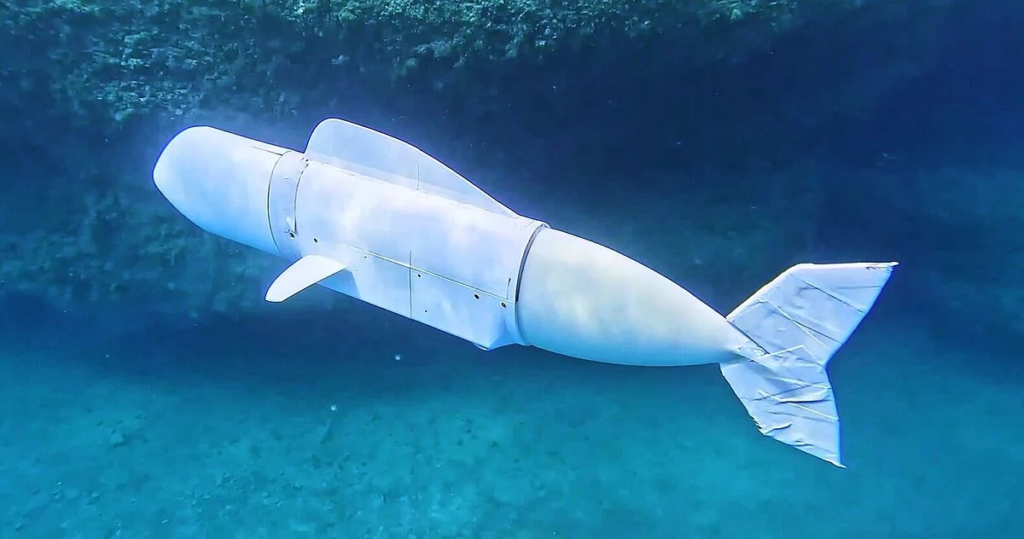
As underwater robotics becomes more advanced, the expectations from motion control systems continue to rise. Modern underwater robots are no longer limited to simple inspection tasks. They are now used for deep-sea exploration, offshore energy maintenance, autonomous navigation, defence operations, and precision marine research. These applications require systems that can survive extreme pressure, continuous immersion, and long operating hours without failure. Because of this, the waterproof servo motor has become far more than a protected motor unit. It is now a core engineering solution for reliable underwater automation and mission-critical performance.
In 2026, manufacturers are focusing on stronger sealing systems, corrosion-resistant materials, smarter thermal control, and intelligent monitoring features that improve both performance and lifespan. Buyers are no longer choosing motors based only on waterproof ratings. They now evaluate how well the motor handles pressure depth, heat buildup, maintenance planning, and long-term corrosion exposure. These developments are helping industries move toward high-reliability underwater systems with lower failure risk and better operational control.
Advanced Sealing and IP Protection Systems
One of the most important developments in 2026 is the major improvement in sealing architecture and ingress protection standards. Earlier waterproof motors often relied on single-layer shaft seals or basic gasket systems, which could fail under repeated pressure changes or extended underwater exposure. Once water entered the housing, internal electronics and bearings were quickly damaged, leading to expensive system failure.
Modern waterproof servo motor designs now use multi-layer shaft sealing systems, double-lip protection, reinforced O-rings, and pressure-balanced housing structures. These improvements create stronger barriers against water penetration and help maintain seal integrity even during deep-sea operations. This allows the motor to operate for longer periods with greater sealing stability under continuous submersion.
Higher protection ratings, such as IP67, IP68, and IP69K, are also becoming standard rather than optional. IP68 allows continuous underwater operation, while IP69K supports resistance against high-pressure washdowns and aggressive environmental exposure. For industrial underwater robotics, these upgraded standards provide stronger confidence in safe submerged operation without unexpected leakage risks.
Corrosion-Resistant Materials for Long-Term Reliability
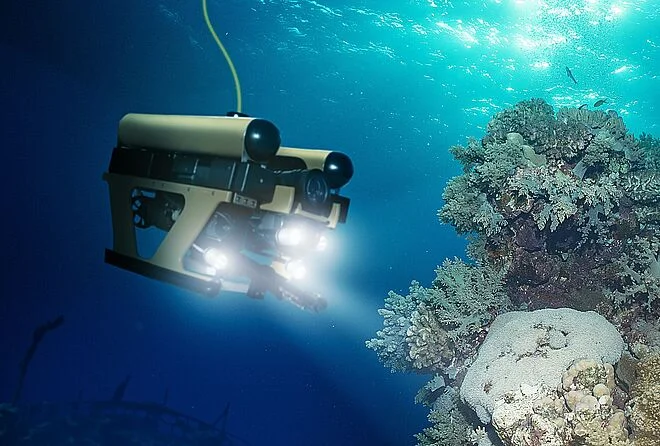
Corrosion is one of the most serious long-term threats in underwater robotics, especially in offshore and saltwater applications. Standard metal components degrade quickly when exposed to seawater, leading to rust, shaft wear, housing weakness, and loss of mechanical precision. Even minor corrosion can affect motion accuracy and increase maintenance costs significantly.
To solve this, 2026 waterproof servo motor systems are increasingly built with marine-grade stainless steel, anodised aluminium, titanium components, and advanced anti-corrosion coatings. These materials offer stronger resistance against salt, moisture, and chemical exposure while maintaining structural strength during long-term underwater use.
Manufacturers are also improving internal corrosion resistance by protecting bearings, shafts, and connectors with specialised coatings and sealed lubrication systems. This prevents hidden internal damage that often causes sudden failure after months of operation. These upgrades help industrial buyers achieve longer service life and more predictable maintenance planning for high-value underwater robotic systems.
Smart Thermal Management in Sealed Motors
A fully sealed motor creates a major thermal challenge because heat cannot escape as easily as it does in open industrial motors. During continuous underwater operation, servo motors generate internal heat from electrical current, friction, and motion load. Without proper thermal management, temperature buildup can reduce efficiency, damage insulation, and shorten motor lifespan.
In 2026, smarter thermal design has become a major focus for waterproof servo motor development. Manufacturers now use improved internal heat transfer channels, advanced thermal compounds, optimized stator design, and specialised housing materials that help move heat away from sensitive components more effectively.
Some high-performance systems also include embedded temperature sensors that provide real-time monitoring of internal motor conditions. This allows operators to detect abnormal heat buildup early and prevent thermal failure before it affects the mission. Better thermal control supports stable motor efficiency and improves long-term reliability in sealed underwater environments where maintenance access is limited.
Integrated Sensors and Real-Time Monitoring
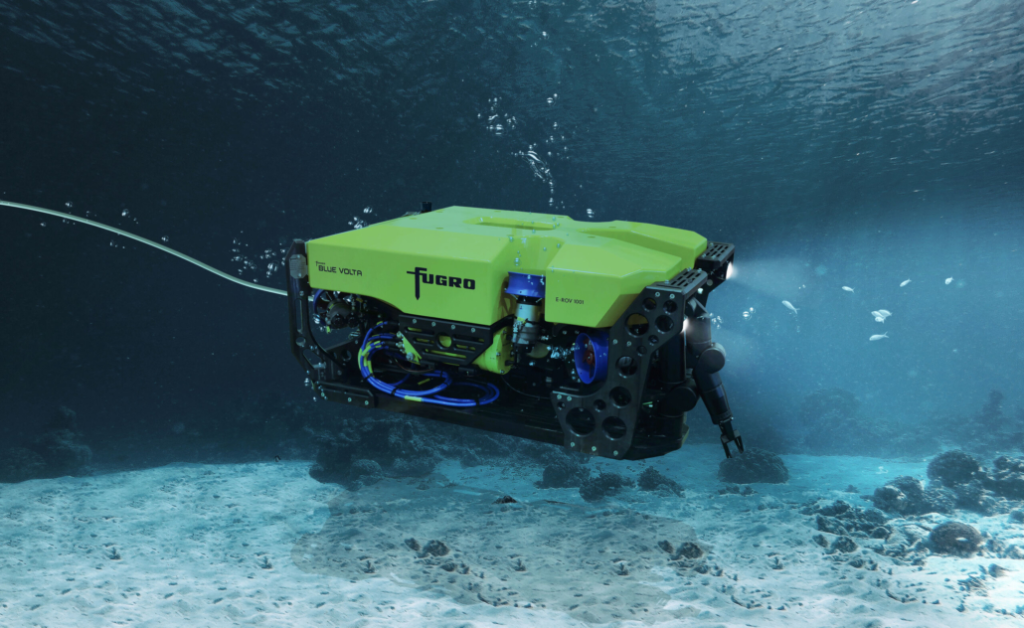
Underwater robotics increasingly depends on predictive maintenance and intelligent monitoring because manual inspection is expensive and often difficult. Modern waterproof servo motor systems are now equipped with integrated sensors that track torque, temperature, vibration, position feedback, and even moisture leakage inside the motor housing.
These sensors provide real-time diagnostics that help operators understand how the motor performs during actual underwater missions. If abnormal torque load, rising temperature, or early-stage leakage is detected, maintenance can be scheduled before complete failure occurs. This reduces downtime and protects expensive robotic equipment from major operational losses.
Leak detection sensors are especially valuable because early warning can prevent catastrophic internal damage caused by unnoticed seal failure. Position feedback sensors also improve motion precision for robotic arms, underwater manipulators, and inspection systems. This shift toward smart diagnostics creates higher operational reliability and supports safer, more efficient underwater automation.
Improved Connector and Cable Sealing Technology
Another major development in 2026 is the improvement of waterproof cable systems and sealed electrical connectors. Many underwater motor failures do not begin inside the motor itself but at weak connection points where cables enter the housing. Poor sealing around connectors allows moisture intrusion, leading to short circuits and unstable motor control.
Modern waterproof servo motor systems now use pressure-resistant connectors, moulded cable entry systems, and advanced sealing compounds that protect signal transmission even under deep-water pressure conditions. These upgrades improve communication stability between the motor and the control system while reducing the risk of unexpected electrical failure.
Reliable connector protection is especially important in remotely operated vehicles and deep-sea robotics, where repair access is extremely limited. Stronger cable sealing ensures consistent electrical performance and supports uninterrupted operation during long underwater missions.
2026 Waterproof Servo Motor Technology Comparison
| Technology Feature | Traditional Waterproof Design | 2026 Advanced Waterproof Servo Motor |
| Sealing System | Basic shaft seals | Multi-layer pressure-balanced sealing |
| IP Protection | IP65 / IP67 | IP68 / IP69K enhanced protection |
| Corrosion Resistance | Standard coated metal | Marine-grade alloys + advanced coatings |
| Thermal Management | Passive heat handling | Smart thermal control + monitoring |
| Condition Monitoring | Limited feedback | Integrated sensors + predictive diagnostics |
| Cable Protection | Standard connectors | Pressure-resistant sealed connectors |
| Deep-Water Performance | Moderate depth use | High-pressure deep-water applications |
Why Standard Servo Motors Fail in Underwater Robotics
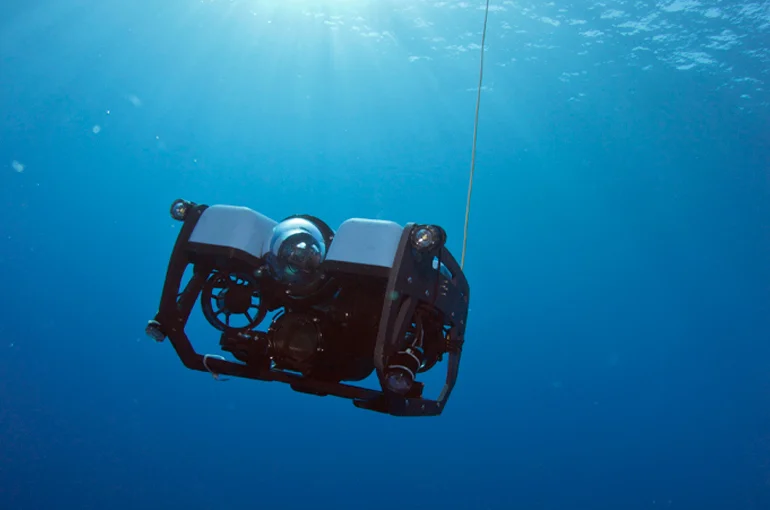
Standard servo motors are designed for dry industrial environments where moisture exposure is limited and operating pressure remains stable. When these motors are used in underwater robotics, they face conditions far beyond their design limits. Continuous water exposure, high pressure, salt corrosion, and restricted heat dissipation quickly create failures that reduce performance and shorten equipment life. This is why using a standard motor instead of a waterproof servo motor often leads to costly downtime and system risk.
One of the most common problems is water ingress. Standard motors do not have the sealing systems needed to prevent water from entering through shafts, connectors, or housing gaps. Even a small amount of moisture can damage internal electronics, weaken insulation, and create short circuits that stop operation completely. This makes internal moisture protection one of the biggest reasons waterproof designs are necessary.
Corrosion is another major failure point, especially in marine environments with constant saltwater exposure. Standard steel components begin to rust quickly, affecting bearings, shafts, and housing integrity. Over time, corrosion reduces motion precision and increases friction, leading to unstable performance and expensive repairs. Without proper material protection, motors lose long-term structural reliability much faster than expected.
Pressure resistance is also critical in underwater applications. As robots operate at greater depths, external water pressure increases significantly. Standard servo motors are not built to handle this force, and weak sealing points can collapse or allow water intrusion. Waterproof designs use stronger housings and pressure-balanced seals to maintain deep water stability during submerged operations.
Electrical insulation failure is another hidden issue. Underwater conditions increase the risk of insulation breakdown due to humidity, pressure, and temperature changes. Once insulation weakens, motors may experience unstable feedback, overheating, or sudden shutdowns. A properly engineered waterproof servo motor protects against these failures through sealed electronics and reinforced internal insulation.
Thermal management also becomes more difficult underwater. Standard motors often rely on airflow for cooling, but sealed underwater environments limit heat release. Without advanced thermal design, heat builds up quickly and damages internal components. This leads to reduced efficiency and shorter motor lifespan, making stable thermal control essential for reliable underwater robotics.
Applications of Waterproof Servo Motors in Underwater Robotics
A waterproof servo motor is essential in underwater robotics because precise motion control must continue even in extreme submerged conditions. From deep-sea exploration to offshore maintenance, these motors support systems that require accuracy, durability, and long operational life. As marine automation expands in 2026, the role of the waterproof servo motor becomes increasingly important across multiple industrial applications.
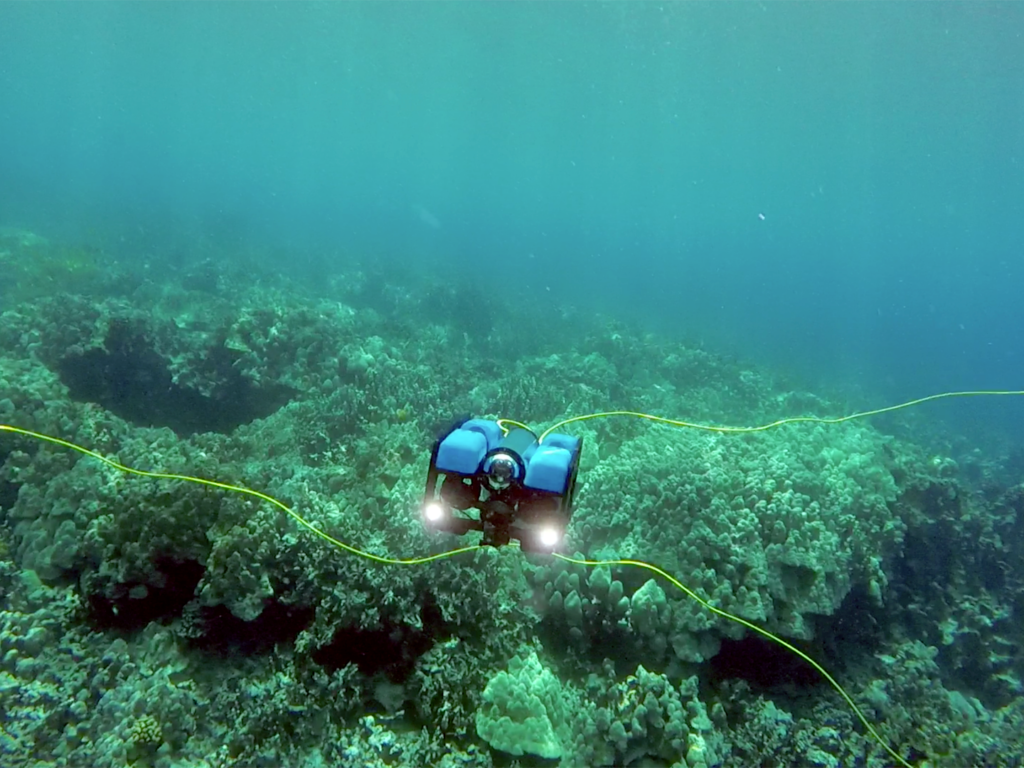
Remotely operated vehicles, commonly known as ROVs, are one of the most common uses for waterproof servo systems. These robots perform underwater inspections, repair work, and exploration tasks in offshore oil platforms, pipelines, and marine infrastructure. Servo motors control robotic arms, propulsion systems, and camera positioning units, ensuring stable underwater movement during complex remote operations.
Autonomous underwater vehicles, or AUVs, also depend heavily on reliable motion control. Unlike ROVs, these robots operate independently for long periods without direct human control. A waterproof servo motor helps manage steering, navigation systems, and sensor positioning with high precision. Since maintenance access is limited during missions, long-term durability and predictable motion performance are critical.
Marine inspection robots use waterproof servo motors for ship hull inspections, underwater bridge maintenance, dam inspections, and port infrastructure monitoring. These systems often work in difficult environments where pressure, debris, and corrosion create serious challenges. Accurate motion control helps maintain inspection quality and supports safe structural evaluation without requiring divers.
Offshore energy maintenance systems also require advanced waterproof motors. Wind farms, underwater turbines, and oil platform equipment often rely on robotic systems for repair and monitoring tasks. These operations demand motors that can survive both mechanical load and environmental stress while maintaining high reliability performance in isolated offshore locations.
Underwater research and rescue robots represent another major application area. Scientific exploration vehicles use servo motors for sampling arms, camera systems, and positioning tools in deep-sea missions. Rescue robots depend on precise motion for emergency response in flooded tunnels, damaged marine zones, and hazardous underwater conditions. In these situations, dependable motion control supports mission-critical safety and operational success.
How to Choose the Right Waterproof Servo Motor
Selecting the right waterproof servo motor requires more than checking the IP rating alone. Buyers must evaluate the full operating environment, including water depth, pressure conditions, corrosion exposure, and motion precision needs. Proper selection ensures reliable underwater performance and prevents costly failures during operation.
The first factor is the required IP protection level. Applications involving continuous submersion usually need IP68 or higher, while high-pressure cleaning environments may require IP69K protection. Choosing the correct rating ensures safe moisture resistance for long-term underwater use.
Torque and pressure resistance must also match the robotic task. Deep-water robots and heavy-duty manipulators require stronger housing structures and stable torque output under pressure. Proper sizing supports consistent motion control without overload risks.
Corrosion resistance is equally important, especially in saltwater environments. Marine-grade materials and anti-corrosion coatings improve lifespan and reduce maintenance frequency, providing long-term durability in harsh conditions.
Finally, feedback precision and cable sealing should be verified. Strong encoder performance and sealed connectors improve accuracy and reduce leakage risks, ensuring stable electrical reliability throughout the system.
Choose the Right Servo Solution With Expert Support – Connect With DMKE
Selecting the correct waterproof servo motor is critical for ensuring reliable underwater robotics performance. Proper sealing, corrosion resistance, thermal stability, and accurate torque matching all work together to support long-term operational safety in demanding submerged environments.
Choosing only by IP rating is often not enough. Buyers must evaluate real working conditions, such as pressure depth, motion requirements, and maintenance access, to avoid failures. At DMKE, we provide engineering-based support for waterproof servo motor selection, including customisation, strong testing standards, and application-specific guidance. Our solutions are designed for harsh industrial environments where precision and durability matter most.
Visit our website or contact us today for underwater robotics projects that require dependable motion control, expert consultation, and tailored recommendations with trusted engineering support.

 English
  English (Australia)
  English (Canada)
  Deutsch
  English (UK)
  Français