
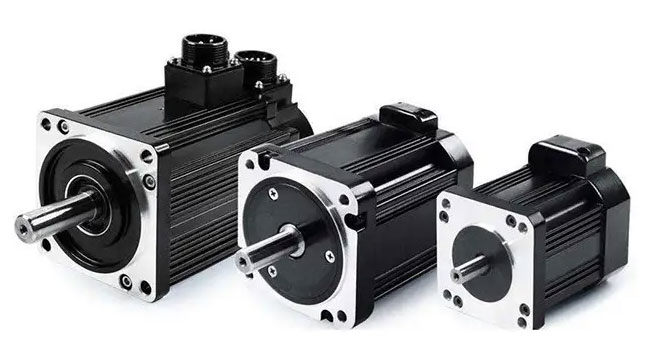
Choosing between a brushless motor and a servo motor can be challenging because the two technologies are not always directly comparable. A brushless motor describes a motor construction that eliminates mechanical brushes, while a servo motor refers to a complete motion control approach designed for feedback-based operation. Understanding this distinction is important for accurate motor selection in industrial equipment.
Industrial buyers must consider more than efficiency, speed, or motor lifespan when comparing these options. Positioning accuracy, torque control, feedback requirements, controller complexity, maintenance needs, and equipment costs can significantly influence overall system performance in automation and manufacturing applications.
A brushless servo motor combines brushless motor construction with closed-loop servo control, providing efficient operation and precise movement in demanding machinery. However, this does not mean brushless servo systems are automatically suitable for every application. Engineers should evaluate actual operating requirements before investing in advanced control capabilities that may add unnecessary cost and complexity.
Brushless motors are commonly selected for applications requiring efficient continuous rotation, reduced maintenance, and reliable speed control. Servo motors are preferred when equipment requires accurate positioning, rapid response, and controlled movement. Comparing these capabilities helps manufacturers make practical technology decisions based on machine performance rather than motor terminology alone.
This guide explains the main differences between brushless motors and servo motors, how brushless servo systems combine both technologies, and when each option is suitable. It also covers limitations, AC and DC operation, common failure causes, industrial applications, and selection considerations to provide clear buyer guidance for engineers and technical decision makers.
Brushless Motor vs Servo Motor: What Is the Main Difference?
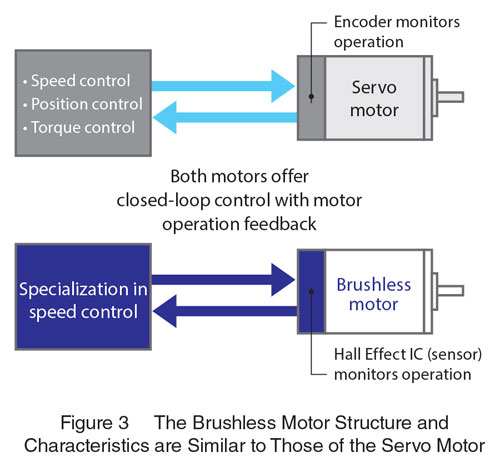
The main difference between a brushless motor and a servo motor is that the terms describe different aspects of motor technology. A brushless motor is defined by its construction and electronic commutation method, while a servo motor is defined by closed-loop motion control using feedback to manage position, speed, or torque.
Brushless motors eliminate mechanical brushes and use electronic controllers to switch current through the motor windings. This design supports reduced maintenance, efficient operation, and reliable continuous rotation in applications such as pumps, fans, power tools, and automated equipment.
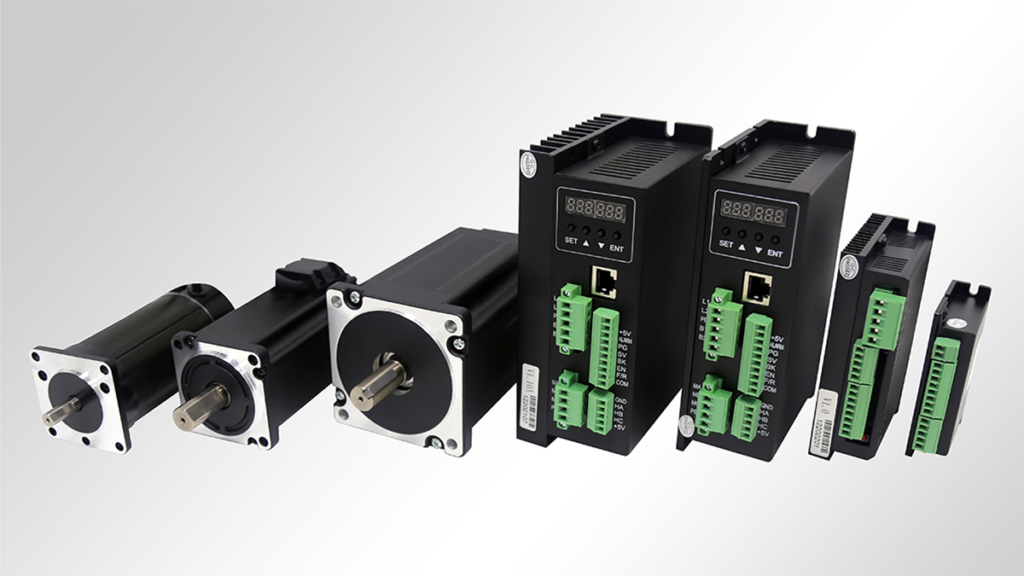
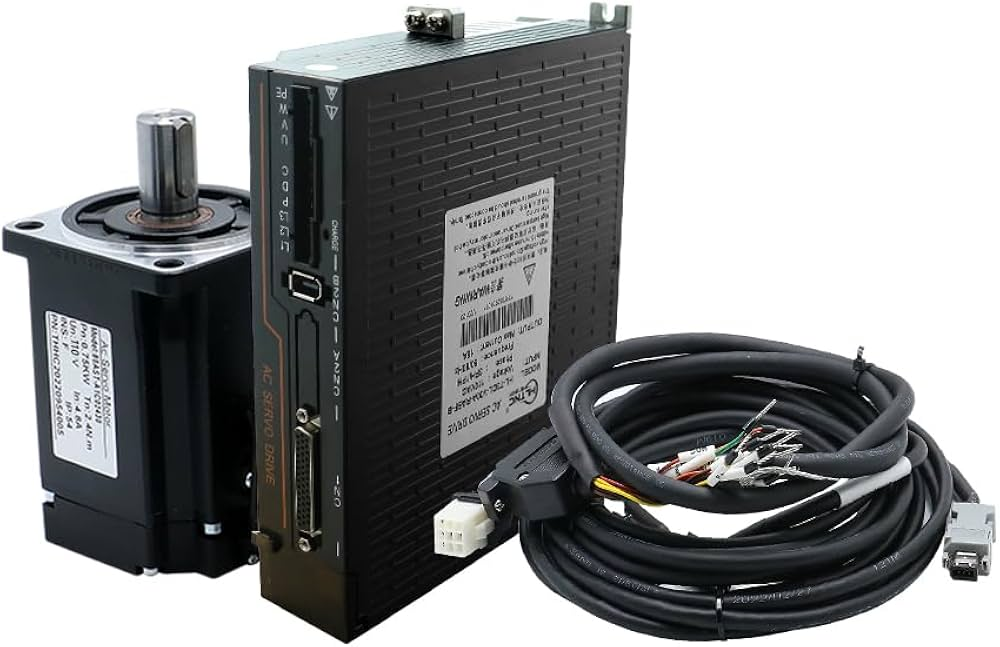
Servo motors operate as part of a control system that includes a motor, servo drive, feedback device, and controller. The feedback system continuously measures actual movement and makes real-time performance corrections to maintain the commanded position or speed.
A servo motor can use brushless construction, meaning some servo motors are also brushless motors. However, not every brushless motor is a servo motor because standard brushless systems may not include precise feedback control for accurate positioning.
For industrial buyers, the choice depends on application requirements rather than motor terminology. Brushless motors are practical for efficient speed control and continuous operation, while servo systems provide advanced positioning capabilities for robotics, CNC machines, and precision automation.
| Factor | Brushless Motor | Servo Motor |
| Main Purpose | Efficient motor operation | Precise motion control |
| Feedback | Not always required | Usually uses feedback |
| Control | Speed and torque control | Position, speed, and torque control |
| Complexity | Lower | Higher |
| Common Use | Fans, pumps, power tools | Robotics, CNC, automation |
Is a Servo Motor the Same as a Brushless Motor?
A servo motor is not automatically the same as a brushless motor because the two terms describe different motor characteristics. Brushless refers to motor construction, while servo refers to feedback-based motion control used to manage position, speed, or torque.
Many modern servo motors use brushless construction because it provides higher efficiency, reduced maintenance, and longer operating life. In these systems, the motor works with an encoder and servo drive to achieve accurate movement control in demanding applications.
However, some brushless motors operate without a closed-loop feedback system and are designed mainly for continuous rotation or speed regulation. These motors cannot provide the precise positioning capability expected from a complete servo system.
Industrial buyers should evaluate the motor, drive, feedback device, and controller together when comparing technologies. Understanding the complete system architecture helps manufacturers achieve the correct motor selection for their equipment requirements.
Key Differences Between Brushless Motors and Servo Motors
The differences between brushless motors and servo motors become clearer when buyers compare control requirements, feedback systems, accuracy, and application demands. Evaluating these factors helps engineers select appropriate motor technology for industrial equipment.
Brushless motors are often used where efficient continuous rotation, low maintenance, and speed control are important. Servo motors are selected for applications requiring high positioning accuracy and rapid response to changing movement commands.
Control complexity is another important difference. Standard brushless motors can operate with relatively simple electronic controllers, while servo systems require drives, feedback devices, and tuning to maintain stable closed-loop operation.
Cost should also be considered during selection. Servo systems usually require a higher initial investment because of their additional control components and advanced capabilities. Buyers should determine whether precision control requirements justify the additional system complexity.
For industrial equipment, neither technology is better for every application. The correct choice depends on load characteristics, motion profile, required accuracy, operating environment, and long-term performance goals.
How Does a Brushless Servo Motor Combine Both Technologies?
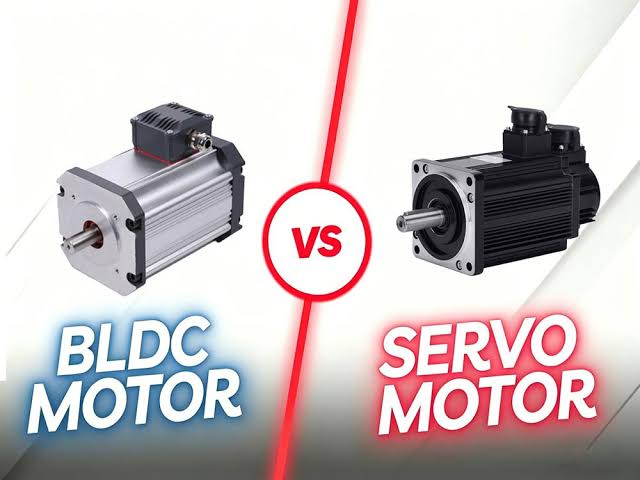
A brushless servo motor combines the low-maintenance construction of a brushless motor with the feedback-based control capabilities of a servo system. This combination provides efficient, precise movement for industrial machines requiring accurate positioning and reliable operation.
The motor uses electronic commutation instead of mechanical brushes, reducing friction and component wear during operation. At the same time, an encoder or another feedback device continuously monitors movement and provides real-time operating feedback to the servo drive.
The servo drive compares the commanded movement with the actual motor position, speed, or torque and adjusts electrical power accordingly. These continuous corrections support accurate closed-loop control during acceleration, deceleration, and changing load conditions.
Brushless servo systems are commonly used in robotics, CNC machinery, semiconductor equipment, packaging systems, and automated production equipment. Their combination of efficiency and accuracy supports demanding automation requirements where standard motor control may not provide sufficient performance.
However, buyers should consider controller compatibility, tuning requirements, system cost, and application complexity before choosing a brushless servo motor. Evaluating these factors helps manufacturers achieve appropriate system performance without investing in unnecessary control capabilities.
Are Brushless Servos Better?
Brushless servos can provide better performance when an application requires precise positioning, fast response, efficient operation, and reduced maintenance. Their electronic commutation and feedback control provide advanced motion capabilities for complex industrial machinery.
Compared with brushed servo systems, brushless servos eliminate brush wear and reduce regular maintenance requirements. This design can provide a longer operating lifespan in applications with continuous operation or frequent movement cycles.
However, brushless servos require compatible drives, feedback devices, and proper system tuning. These additional components can increase initial costs and create greater integration complexity compared with simpler motor solutions.
A brushless servo motor may be the better choice for robotics, CNC machines, and high-speed automation where accuracy and dynamic response directly affect production results. For simple continuous rotation or basic speed control, standard brushless motors may provide sufficient performance at a lower system cost.
Industrial buyers should compare actual load requirements, motion profiles, accuracy needs, maintenance expectations, and available budgets. The best motor technology provides suitable application performance without unnecessary complexity or oversizing.
Do Servo Motors Run on AC or DC?
Servo motors can run on either AC or DC power depending on their design, power rating, and intended application. Understanding the available motor technologies helps engineers achieve appropriate system selection based on machine requirements.
DC servo motors are commonly used in compact equipment, robotics, battery-powered systems, and lower-power automation applications. They provide responsive torque control and can operate effectively where simple power systems and compact motor dimensions are important.
AC servo motors are widely used in industrial automation, CNC machines, packaging equipment, and high-performance production systems. These motors support high-speed precision operation and are suitable for applications requiring continuous operation, accurate positioning, and rapid response.
Many modern AC servo motors use permanent magnets and brushless construction. As a result, a brushless servo motor may operate from an AC servo drive even though its internal construction shares similarities with brushless DC motor technology.
Industrial buyers should consider voltage supply, torque-speed requirements, control accuracy, drive compatibility, and operating environment when choosing between AC and DC servo systems. Evaluating the complete application supports reliable servo performance without unnecessary system complexity.
What Are the Downsides of a Brushless Motor?
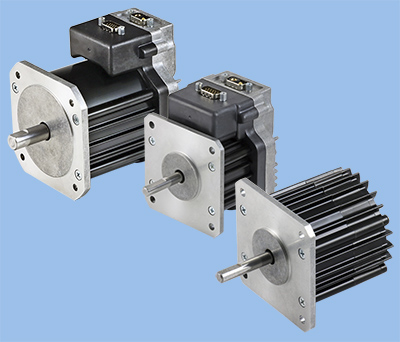
Brushless motors provide high efficiency, reduced maintenance, and long operating life, but they also have limitations that buyers should evaluate. Understanding these disadvantages helps engineers make balanced motor decisions for industrial applications.
One common downside is a higher initial cost compared with brushed motors. Brushless systems require electronic controllers for commutation, increasing overall system expense in applications where advanced motor performance is not necessary.
Control electronics also increase system complexity. Controller failure, incorrect configuration, or incompatible components can cause unexpected operating problems even when the motor itself remains mechanically reliable.
Brushless motors may also require specialised diagnostic equipment and technical knowledge for troubleshooting. This can increase maintenance complexity for facilities without experienced technical personnel or suitable motor testing equipment.
For applications requiring accurate positioning, a standard brushless motor may need additional feedback devices and advanced controllers. In these situations, selecting a complete brushless servo motor system can provide better control capability than modifying a basic brushless motor setup.
What Are the Disadvantages of a Servo Motor?
Servo motors provide accurate positioning, fast response, and controlled movement, but their advanced capabilities also introduce limitations. Buyers should evaluate practical system requirements before selecting servo technology for industrial equipment.
One major disadvantage is the higher initial cost because a complete servo system requires a compatible drive, feedback device, controller, and additional control components. These requirements can increase total equipment investment compared with simpler motor systems.
Servo systems also require proper configuration and tuning to achieve stable performance. Incorrect parameter settings, poor inertia matching, or incompatible components can cause vibration, positioning errors, and unstable machine operation during demanding motion cycles.
Maintenance and troubleshooting can require specialised technical knowledge because faults may originate from the motor, drive, encoder, communication network, or mechanical system. Access to qualified technical support can therefore be important for complex industrial installations.
Servo motors are not necessary for every application. Machines requiring only continuous rotation or basic speed control may achieve suitable performance with simpler brushless motors, avoiding unnecessary control complexity and higher system costs.
Why Do Brushless Motors Go Bad?
Brushless motors can fail because of excessive heat, bearing wear, electrical problems, overload conditions, or controller faults. Although removing mechanical brushes reduces maintenance requirements, it does not eliminate potential motor failures during long-term operation.
Overheating is a common cause of premature motor damage. Operating beyond rated load, insufficient cooling, high ambient temperatures, or frequent acceleration cycles can create excessive thermal stress that damages windings, magnets, and insulation materials.
Bearings can also wear because of poor lubrication, contamination, vibration, misalignment, or excessive radial and axial loads. Damaged bearings often cause noise and vibration before creating serious mechanical damage to internal motor components.
Electrical issues such as unstable voltage, incorrect current settings, damaged cables, or controller failures can also affect motor life. Proper electrical protection and system configuration support reliable motor operation under changing industrial conditions.
Regular inspection, correct motor sizing, proper installation, and operation within rated limits can reduce failure risks. Industrial buyers should consider the complete motor and control system to achieve long-term equipment reliability.
Industrial Applications: When to Use Brushless Motors vs Servo Motors
Brushless motors are commonly selected for industrial equipment that requires efficient continuous rotation, reliable speed control, and reduced maintenance. Applications such as pumps, fans, compressors, conveyors, and automated tools benefit from efficient motor operation without requiring advanced positioning capabilities.
Servo motors are preferred when machines need accurate positioning, rapid acceleration, synchronised movement, or controlled torque. Robotics, CNC machines, packaging equipment, and automated assembly systems use precise motion control to maintain repeatable production results.
A brushless servo motor is suitable for demanding applications that require both efficient motor construction and closed-loop feedback control. Semiconductor equipment, inspection systems, and high-speed automation machinery often require accurate dynamic response during complex movement cycles.
Operating conditions should also influence technology selection. Applications with frequent starts, stops, changing loads, or precise movement profiles may benefit from servo systems, while equipment operating continuously at controlled speeds can achieve reliable industrial performance with standard brushless motors.
Industrial buyers should compare load characteristics, positioning requirements, maintenance expectations, control complexity, and investment costs. Selecting technology based on actual application demands helps achieve balanced system performance without unnecessary equipment expenses.
Is It Really Worth It to Buy a Brushless Drill?
A brushless drill can be worth the higher purchase cost for users who need longer operating life, better efficiency, and reduced maintenance. The absence of mechanical brushes supports improved tool durability during frequent or demanding use.
Brushless drills use electronic control to adjust motor output according to the working load. This allows the tool to use power more efficiently and provide better battery performance compared with many traditional brushed drill designs.
For professionals who use power tools regularly, reduced maintenance, lower heat generation, and consistent performance can justify the additional cost. However, occasional users with basic drilling requirements may find lower-cost brushed tools sufficient for their needs.
The motor technology used in a brushless drill should not be confused with a brushless servo motor used in industrial motion control systems. Both may use brushless construction, but their control requirements, feedback systems, and intended operating applications are significantly different.
Buyers should evaluate usage frequency, workload, maintenance expectations, and budget before choosing between brushed and brushless power tools. Selecting based on actual requirements supports better purchasing decisions without paying for unnecessary performance capabilities.
Choosing the Right Motor Technology for Your Application – Connect With DMKE
Brushless motors and servo motors serve different purposes, even though many modern servo motors use brushless construction. Understanding motor design, feedback requirements, control accuracy, and application needs helps buyers achieve appropriate technology selection.
Standard brushless motors are practical for efficient continuous operation and reduced maintenance, while servo systems provide precise positioning and dynamic control. A brushless servo motor combines these advantages for demanding automation applications requiring efficiency and accurate movement.
The right choice depends on torque, speed, duty cycle, operating environment, controller compatibility, and investment requirements. Evaluating the complete system helps manufacturers achieve reliable industrial performance without unnecessary complexity.
DMKE provides motor solutions, customization capability, testing, and engineering support for different industrial applications. Visit our website or contact us today for application guidance and to explore suitable motor solutions based on your equipment requirements.

 English
  English (Australia)
  English (Canada)
  Deutsch
  English (UK)
  Français